


Sign up for workout ideas, training advice, reviews of the latest gear and more.

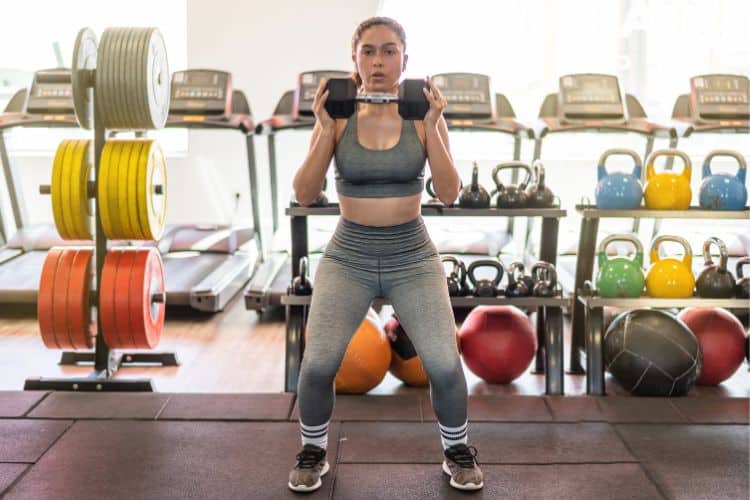
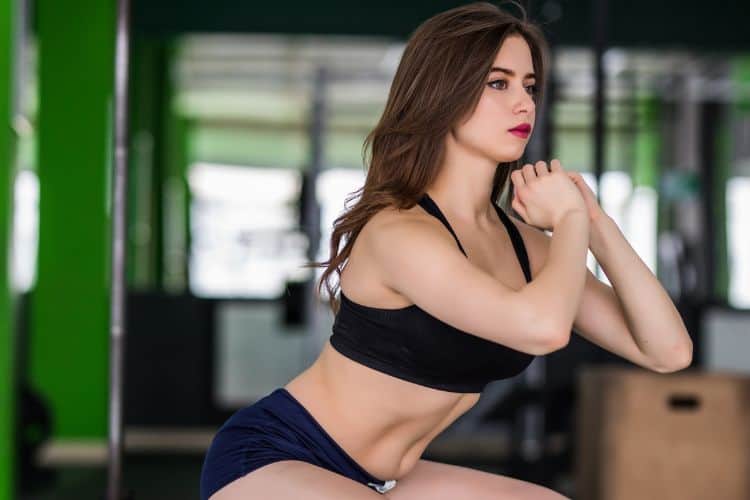
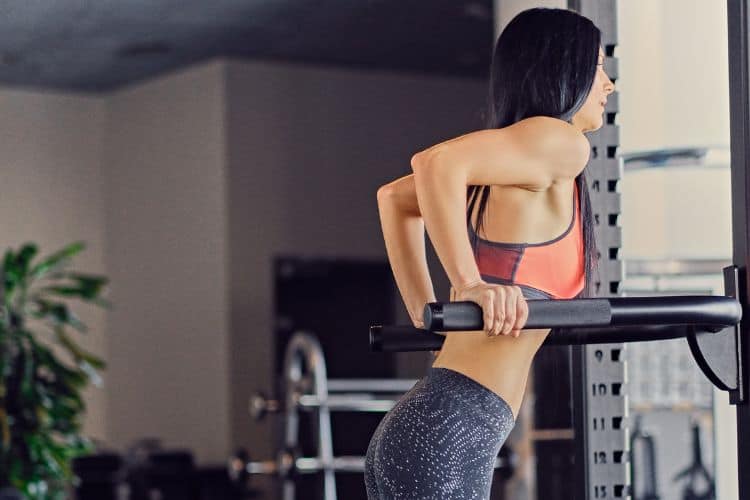
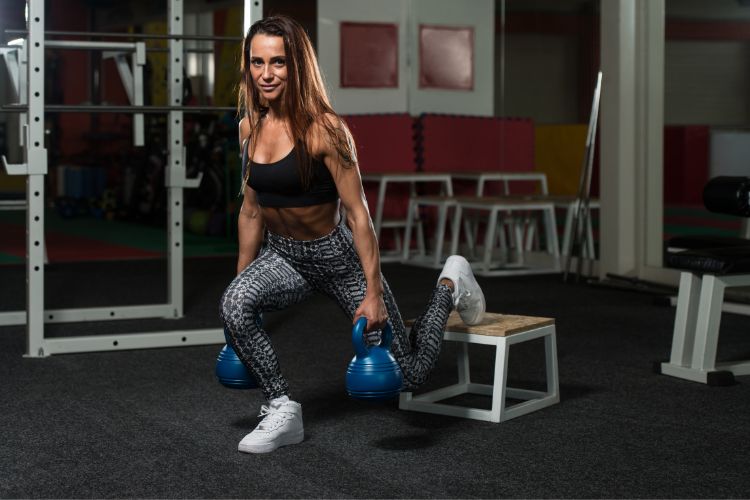
Kettlebell single-leg squats are one of the most effective exercises for building lower body strength, stability, and coordination. Unlike traditional squats, this unilateral movement targets each leg individually, helping to correct muscle imbalances and enhance athletic performance. Whether you’re an athlete, fitness enthusiast, or beginner looking to level up your leg day, incorporating kettlebell single-leg squats into your workout routine can be a game-changer.
This guide covers everything you need to know about kettlebell single-leg squats, including their benefits, proper form, common mistakes, variations, and how to integrate them into a full workout program.
A kettlebell single-leg squat is a variation of the traditional squat where you perform the movement on one leg while holding a kettlebell for added resistance. This exercise requires significant lower-body strength, balance, and mobility, making it an advanced yet rewarding movement.
The primary muscles worked include:
This exercise primarily targets the quads, glutes, and hamstrings, helping to develop strong, well-defined legs.
By performing squats on one leg, you train your body to balance itself, improving proprioception and coordination.
Single-leg movements ensure each leg works independently, preventing strength discrepancies that could lead to injuries.
Balancing on one leg forces your core to work harder, strengthening your abdominal and lower back muscles.
Performing this squat requires a deep range of motion, which improves hip, knee, and ankle flexibility over time.
Athletes who require explosive leg strength—such as runners, cyclists, and basketball players—can benefit greatly from incorporating single-leg squats into their training.
Proper form is essential to avoid injury and maximize the benefits of kettlebell single-leg squats. Follow these steps to ensure correct execution:
Even experienced lifters can make errors when performing kettlebell single-leg squats. Here are some of the most common mistakes and how to correct them:
If you want to progress or modify the kettlebell single-leg squat, try these variations:
Ideal for beginners, this variation helps build foundational strength before adding resistance.
Hold the kettlebell at chest level in a goblet position to improve core engagement.
A more advanced variation where you lower all the way down, bringing your non-working leg fully extended in front of you.
Instead of balancing on one leg, place your back foot on an elevated surface to provide more stability.
Hold the kettlebell overhead for an added challenge to your shoulders and core stability.
Kettlebell single-leg squats are an excellent addition to any strength training program, offering benefits in balance, coordination, and lower body strength. While they can be challenging, mastering this exercise can significantly improve your overall fitness and athletic performance. Whether you’re a beginner or an advanced lifter, incorporating kettlebell single-leg squats into your workouts will take your leg training to the next level.
Start slow, focus on technique, and progressively increase difficulty for maximum results. By incorporating KSLS into your routine, you’ll build stronger, more resilient legs while improving overall movement quality. Happy training!
Stay up to date on the latest women’s health, fitness and lifestyle trends and tips.
