


Sign up for workout ideas, training advice, reviews of the latest gear and more.


If you’re over 50 and looking for a fast, powerful, and joint-friendly way to strengthen your upper body, boost your metabolism, and improve everyday functional movement, a 30-minute over 50 upper body HIIT workout is one of the most effective training styles you can choose. HIIT—short for High-Intensity Interval Training—has become popular across all age groups, but for adults over 50, it provides a unique combination of muscle-building, cardiovascular conditioning, and age-defying strength benefits without requiring hours in the gym. With smart exercise selection, controlled intensity, and safe modifications, you can complete a transformative upper-body workout in just half an hour.
This guide walks you through why upper-body HIIT is ideal for women and men over 50, the essential warm-up, proper technique, modifications for sore joints, how to protect your shoulders, plus a complete 30-minute upper-body HIIT workout plan you can do at home with dumbbells or bodyweight. Everything is written with the 50+ population in mind—mobility, strength, joint health, and functional independence.
As we age, maintaining upper-body strength becomes increasingly important for everyday life. Simple activities such as lifting groceries, pushing open heavy doors, carrying laundry, and supporting posture require muscle power and endurance. HIIT offers multiple benefits for older adults, making it the perfect training format.
Muscle loss—known as sarcopenia—begins in your 30s and accelerates after age 50. HIIT combines strength-based intervals with cardiovascular bursts to stimulate muscle fibers more effectively than steady-state cardio alone. The short, intense intervals also help increase growth hormone naturally, supporting lean mass development.
Exercises like push-ups, rows, presses, and planks load your upper-body bones in a functional way. When performed at controlled intensities, these movements help strengthen the spine, shoulders, and wrists while supporting better balance and posture. Incorporating pulling and pushing motions also reduces joint strain by improving muscular balance around the shoulders.
Because HIIT alternates between high effort and short rest periods, your body continues burning calories long after the workout ends. This phenomenon, known as EPOC (Excess Post-Exercise Oxygen Consumption), increases metabolic rate for hours. For adults over 50, this is particularly beneficial for combating age-related metabolic slowdown.
Recovery becomes more important as we age. Overtraining can lead to inflammation and injury, but short and effective HIIT sessions allow you to get maximum results in minimal time. A well-structured 30-minute session is long enough to challenge the muscles but short enough to avoid excessive fatigue.
Before jumping into your workout, preparing your muscles and joints is essential—especially for individuals over 50, who may experience stiffness in the shoulders, upper back, and wrists. Warming up helps improve circulation, lubricate the joints, increase mobility, and mentally prepare your body for intense work.
When crafting a warm-up, focus on:
A proper warm-up should take 4–6 minutes and should be slow, controlled, and rhythmic.
Perform each movement for 30–40 seconds:
After this warm-up, your upper body will be primed for safe and effective HIIT training.
This HIIT session is structured into three 8-minute strength intervals and one 6-minute finisher. Each circuit includes push, pull, and stabilization movements designed to strengthen your shoulders, chest, triceps, biceps, and upper back. All exercises can be performed with dumbbells or bodyweight only.
This first circuit focuses on activating large upper-body muscle groups with controlled HIIT intervals. The exercises build strength in the chest, shoulders, and triceps while stabilizing the core.
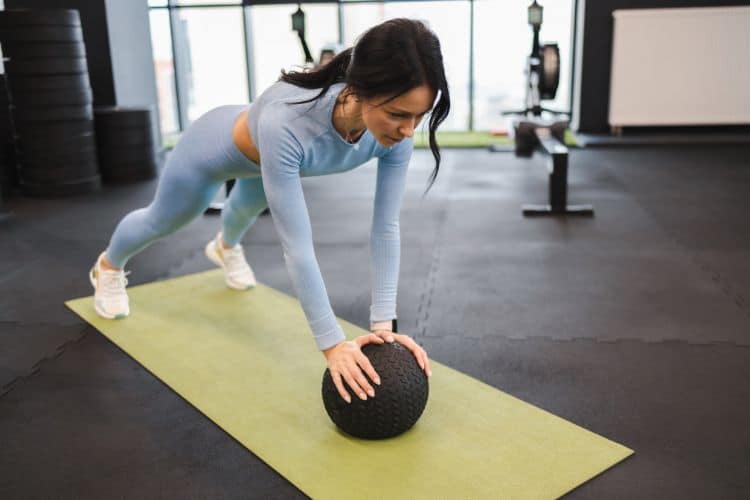
A safer variation for adults over 50, reducing wrist pressure and shoulder strain.
Benefits: Strengthens chest, triceps, and core stabilizers.
Using a moderate weight, press dumbbells overhead with controlled movement.
Benefits: Builds shoulder strength, improves posture, enhances overhead mobility.
Perform a chest fly followed by a press for a full chest activation.
Benefits: Engages chest fibers, supports shoulder stability, increases muscle endurance.
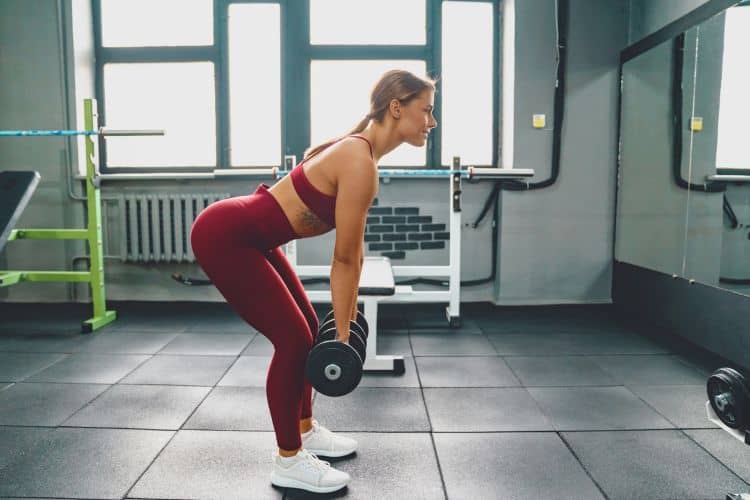
Hinge forward and extend the arms behind you. Use light-to-moderate dumbbells.
Benefits: Tones back of arms and improves elbow joint function.
This circuit focuses on pulling motions that often become weak with age. Strengthening these muscles helps restore posture, prevent shoulder injuries, and increase functional strength.
Pull dumbbells toward hips while keeping spine neutral.
Benefits: Strengthens upper back, improves scapular control, reduces shoulder tension.
Using lighter dumbbells, open the arms outward with a slight bend.
Benefits: Strengthens rear delts and mid-back, crucial for posture support.
Keep elbows close to the body and curl weights slowly.
Benefits: Builds functional arm strength and improves grip.
Tap opposite shoulders while maintaining core stability.
Benefits: Strengthens core, shoulders, and upper-body balance.
This section introduces more dynamic movements to boost heart rate and challenge muscular endurance while staying joint-friendly for adults over 50.
Punch forward using light dumbbells or no weights.
Benefits: Raises heart rate, tones shoulders and arms, improves coordination.
Row one dumbbell at a time from a kneeling plank.
Benefits: Strengthens back, arms, and core in a safe, controlled way.
Lift dumbbells to shoulder height, controlling the movement.
Benefits: Strengthens lateral deltoids, improves arm aesthetics, supports shoulder stability.
Keep movement small and elbows pointing backward.
Benefits: Builds tricep strength and supports daily pushing motions.
The finisher pushes your muscles to the limit safely, improving stamina and creating a strong metabolic effect.
Perform 30 seconds on, 15 seconds off:
You should finish feeling strong, pumped, and energized—but not overly fatigued.
workouts must be adaptable. Here are safe modifications to protect your shoulders, wrists, and elbows.
These modifications make the routine accessible for beginners, those with arthritis, or anyone managing shoulder limitations.
Incorporating this routine into your weekly schedule delivers multiple physical and mental benefits:
Builds stronger arms, shoulders, chest, and back—vital for daily tasks.
Strengthening back and shoulder stabilizers helps prevent rounding and slouching.
HIIT produces an afterburn effect that increases calorie expenditure for hours.
Upper-body strength enhances joint support and reduces age-related muscle imbalance.
Dynamic movements keep joints lubricated and muscles supple.
A strong upper body helps you feel capable, empowered, and physically confident.
Most adults over 50 benefit from:
Avoid doing HIIT two days in a row to allow adequate muscle recovery.
To ensure safe and effective training:
Listening to your body ensures long-term progress.
Finish with a 3–5 minute cooldown:
A proper cooldown supports mobility, reduces stiffness, and promotes recovery.
This 30 minute upper body HIIT workout for over 50 is designed for longevity, strength, and confidence. It blends muscle-building movements with heart-boosting intervals so you get maximum results without lengthy gym sessions. Whether you’re a beginner or seasoned exerciser, the routine can easily be scaled by adjusting weight, intensity, or range of motion. With consistent practice, you will feel stronger, move better, stand taller, and enjoy a noticeable boost in daily functional strength.
At Women’s Fit Club, we’re passionate about helping women of all ages — including those over 50 — stay strong, healthy, and energized. If you’re interested in expanding your training, you might also enjoy our full-body strength routines such as the [30-Minute Full Body Kettlebell Workout for Beginners] which builds total-body strength with minimal equipment; our [3-Day Dumbbell Workout Plan: 30-Minute Full-Body Training Guide] to help slot efficient workouts into a busy week; the [10 Best Strength Workouts for Women to Build Muscle & Burn Fat] for those focused on muscle tone and fat loss; our post on [Best Muscle Groups to Train Together] which helps you structure your workouts smartly; and the [30-Minute Strength and Cardio Workout for Full-Body Fat Burn] a great complement if you want full-body conditioning. Together, these resources help you build a balanced, age-friendly fitness plan, whether you’re focusing on upper-body strength, total-body tone, or fat-burning cardio.
Stay up to date on the latest women’s health, fitness and lifestyle trends and tips.
