


Sign up for workout ideas, training advice, reviews of the latest gear and more.

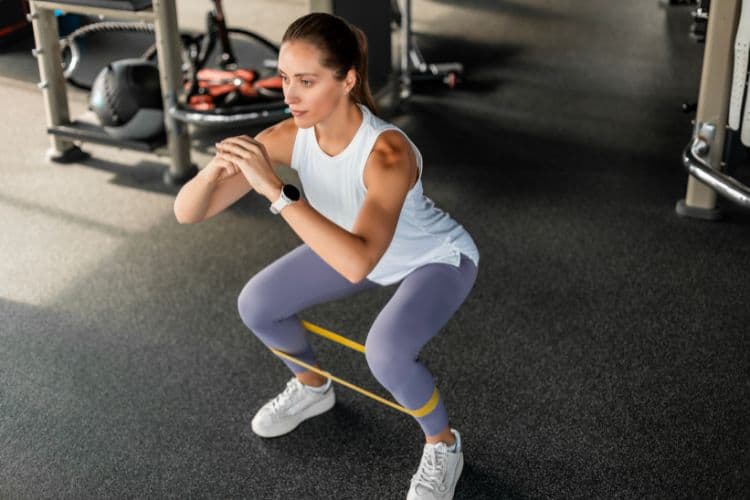
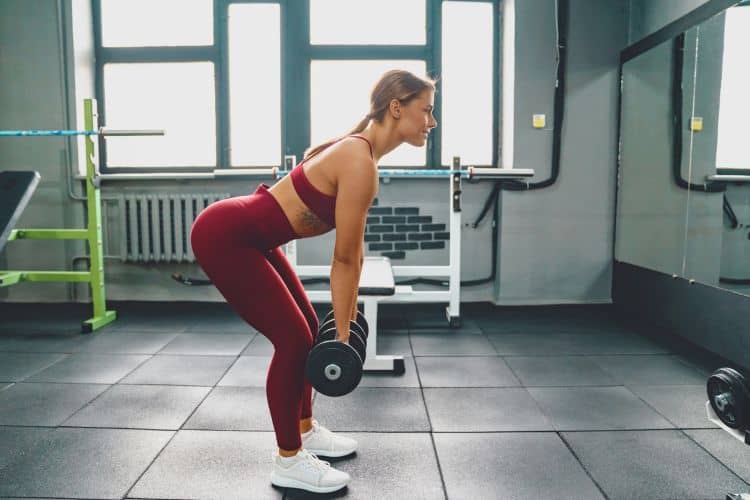
As you move into your 50s and beyond, maintaining upper-body strength becomes one of the most important investments you can make in your long-term health. Strong arms, shoulders, chest, and back help you lift groceries, maintain great posture, prevent injuries, and preserve confidence in your daily movement. The good news? You don’t need long, exhausting gym sessions to see results. This 15-minute upper body workout for over 50 is specifically designed to be safe, effective, gentle on joints, and incredibly efficient—perfect for busy schedules or anyone getting back into a fitness routine.
This routine focuses on low-impact, controlled movements that boost strength, improve mobility, and support overall upper-body endurance. Whether you’re a complete beginner, someone restarting their fitness journey, or a seasoned exerciser looking for a simple but effective routine, this workout can fit seamlessly into your daily life and make a meaningful difference.
As women age, natural shifts in hormone levels and muscle mass occur. Beginning around age 30, your body loses nearly 3–8% of muscle per decade, and that process accelerates after age 50. The more upper-body strength you maintain, the easier it becomes to stay independent and active.
Strong upper-body muscles help stabilize your spine, improve balance, and protect your shoulders from overuse injuries. They also help maintain mobility in the neck, wrists, and elbows—areas that tend to stiffen with age. Strengthening your upper body also boosts metabolism, which is helpful if weight management is your goal.
A short, consistent workout like this one helps you stay strong without overwhelming your joints or requiring complicated equipment. All you need is a pair of light dumbbells (or even water bottles) and 15 minutes.
This routine isn’t simply a collection of upper-body exercises. It’s thoughtfully designed to address the unique needs of women over 50. Each movement is selected to improve not only muscle tone but also functional strength—the strength you use every day.
The workout includes gentle shoulder mobility, slow and controlled strength training, and movements that promote good posture. Many women experience neck tightness, upper-back rounding, and shoulder discomfort as they age. These exercises strengthen the weak muscles that contribute to pain and lengthen tight ones to help restore alignment.
Consistency is more important than intensity. This 15-minute upper-body workout can be repeated three to four times per week, helping you steadily build strength without burning out. Over time, you may notice improvements in posture, arm definition, everyday strength, and even confidence in upper-body movements.
Below is the complete breakdown of the workout. Each exercise should be performed with slow, deliberate control. Focus on breathing deeply through every repetition, keeping your core lightly engaged for spinal support.
Even though this workout is short, a gentle warm-up is essential—especially for women over 50. Warming up increases circulation, lubricates the joints, and prepares your shoulders and spine for movement.
Roll your shoulders slowly up, back, and down to release tension in the neck and upper back. This helps improve mobility and prepares your rotator cuff for the strengthening exercises to come.
Extend your arms to the sides and make small circles, gradually increasing the range of motion. This movement loosens the shoulders and activates the deltoid muscles.
Clasp your hands behind your back (or hold a towel if mobility is limited) and gently lift your chest upward. This counteracts the rounded posture many women experience and prepares the chest muscles for pressing movements.
This workout includes six exercises targeting the chest, shoulders, back, biceps, and triceps. Move through the exercises in order, spending about two minutes on each movement. Rest for 10–15 seconds between exercises if needed.
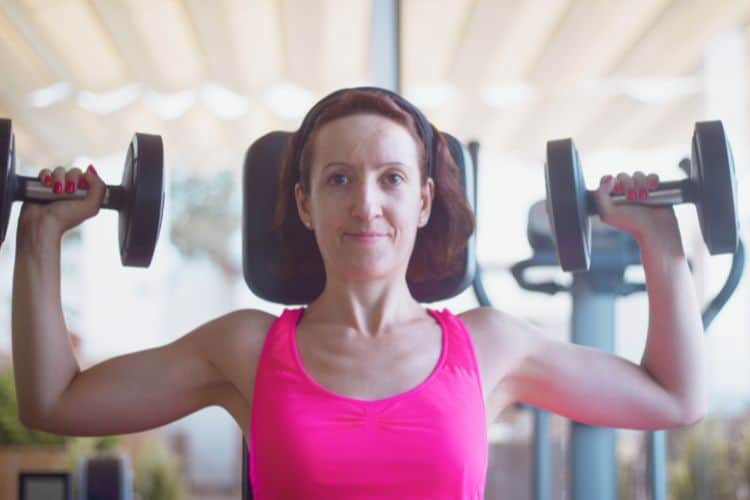
Sit tall on a chair or bench with your back straight and feet flat on the floor. Hold dumbbells at shoulder height, palms facing forward or inward if that feels more comfortable for your joints. Press the weights overhead in a slow, controlled motion, then lower them gently back to the starting position.
This exercise strengthens the deltoids and upper traps, helping you improve shoulder stability. A strong shoulder girdle reduces the risk of injuries, supports everyday activities like lifting items overhead, and helps maintain a youthful, confident posture.
Aim for sets of slow repetitions, focusing on technique rather than speed. If overhead movement feels uncomfortable, press the weights only half to three-quarters of the way up.
Lie on the floor or sit in a firm chair with your back straight. Hold the dumbbells at chest height with palms facing forward. Press the weights forward (or upward if lying down), fully extending your arms without locking your elbows. Slowly return to the starting position.
The chest press works the pectoral muscles, triceps, and front deltoids. For women over 50, a strong chest contributes to improved posture and prevents upper-back rounding. This move also strengthens the pushing muscles you use daily—like pushing open doors or carrying bags.
Controlled breathing is especially important here. Inhale as you lower the weights and exhale as you press.
Stand with feet hip-width apart and hinge slightly forward at the hips with a straight spine. Hold dumbbells at your sides with palms facing inward. Pull the weights up toward your ribs, squeezing your shoulder blades together at the top. Lower the weights slowly.
The bent-over row is one of the best exercises for strengthening the upper back—an essential focus for women over 50. This exercise targets the lats, rhomboids, and rear deltoids, helping counteract poor posture and reducing the risk of shoulder pain.
Keep your core engaged and back neutral throughout the movement. Avoid rounding your shoulders as you row.
Stand or sit with your elbows close to your sides. Hold dumbbells with palms facing forward and curl the weights up toward your shoulders. Lower them slowly with control.
Bicep curls help maintain arm strength for everyday tasks like lifting groceries, carrying laundry, or opening jars. As muscle mass naturally decreases with age, consistent bicep strengthening helps preserve independence and confidence.
Focus on slow, controlled motion—avoiding swinging or using momentum. You may choose alternating curls or both arms at the same time.
Sit or stand with a dumbbell held overhead using both hands. Gently bend your elbows to lower the weight behind your head, then press it back up to the starting position.
The triceps make up a large portion of upper-arm muscle and play an important role in maintaining arm tone. Strengthening the triceps helps reduce the appearance of “arm jiggle” and enhances functional pushing strength.
If full overhead motion is uncomfortable, try doing single-arm tricep kickbacks instead.
Stand facing a wall and place your hands at shoulder height. Step back slightly and bend your elbows to bring your chest toward the wall. Push back to the starting position.
Wall push-ups are a joint-friendly way to strengthen the chest, shoulders, and triceps without putting pressure on the wrists or lower back. They help build the foundational strength needed for more advanced push-up variations if you choose to progress later.
Focus on maintaining a straight line from head to heels, keeping your core gently engaged.
After completing the workout, the cool down helps reduce muscle tension, improve flexibility, and promote relaxation.
Stand tall and place your hands against a wall or doorway. Gently lean forward to open the chest muscles. This helps relieve tightness and supports better posture.
Bring one arm across your chest and gently pull it closer with the other hand. Switch sides halfway through. This stretch supports shoulder mobility and reduces stiffness.
One of the most exciting parts of this 15-minute upper body workout is how quickly you begin noticing changes. Within just a few weeks of consistent training, women over 50 often report:
Improved upper-body strength, making daily tasks feel easier
Better shoulder mobility and fewer aches
More defined arms, contributing to a toned appearance
Reduced neck and upper-back tension
More upright and confident posture
Increased energy and motivation
Consistency matters far more than intensity. Each short session builds upon the last, helping you create lifelong habits that support your health and well-being.
Exercising safely is essential at any age, but especially after 50 when joints can be more sensitive and muscle recovery takes longer. Here are key guidelines to keep your workouts effective and pain-free.
Start with light dumbbells, such as 2–5 pounds, and increase only when the exercises feel too easy. Progress gradually to avoid overworking your shoulders or elbows.
Slow, controlled movement is the priority. Good form protects your joints, increases muscle activation, and makes every exercise more effective.
A little muscle fatigue is normal, but sharp or sudden pain is not. Stop immediately if something doesn’t feel right.
Holding your breath can raise blood pressure unnecessarily. Exhale during the effort phase and inhale during the lowering phase.
Some exercises may require slight modifications. Don’t hesitate to adjust your range of motion or switch to a joint-friendly variation.
For the best results, aim to complete this 15-minute upper body workout two to four times per week. This frequency helps you build strength without overworking your muscles. You can pair it with lower-body workouts, full-body workouts, or gentle cardio days depending on your goals.
If you’re new to strength training, take at least one rest day in between sessions to support muscle recovery.
Upper body strength training workout after 50 doesn’t have to be intimidating or time-consuming. With just 15 minutes and a pair of light dumbbells, you can strengthen your upper body, improve your posture, boost confidence, and support your joint health. This routine is an incredible first step toward feeling stronger and more capable in your everyday life.
The key is consistency. Even if your schedule is busy, this workout is short enough to fit into your morning routine, lunch break, or evening wind-down. Every session is an investment in your long-term strength, independence, and well-being.
Welcome to WomensFitClub.com, where we empower women over 50 to build strength, confidence, and vitality through simple, effective routines. If you enjoyed this 15-Minute Upper Body Workout, you’ll also love our comprehensive guides like the 20-Minute Full Body Dumbbell Workout for more strength gains, or check out Best Dumbbell Exercises for a Full Body Workout in 15 Minutes when you’re short on time. To build long-term habits, our article on How to Stay Consistent with Your Diet: 15 Proven Tips for Success offers nutrition guidance that pairs perfectly with your training. For overall wellness beyond strength, browse our Healthy Meal Ideas – A Guide to Nutritious and Delicious Eating and explore Top Beauty Secrets for Over 50 to Look and Feel Radiant to support both your inner and outer health.
Stay up to date on the latest women’s health, fitness and lifestyle trends and tips.
