


Sign up for workout ideas, training advice, reviews of the latest gear and more.

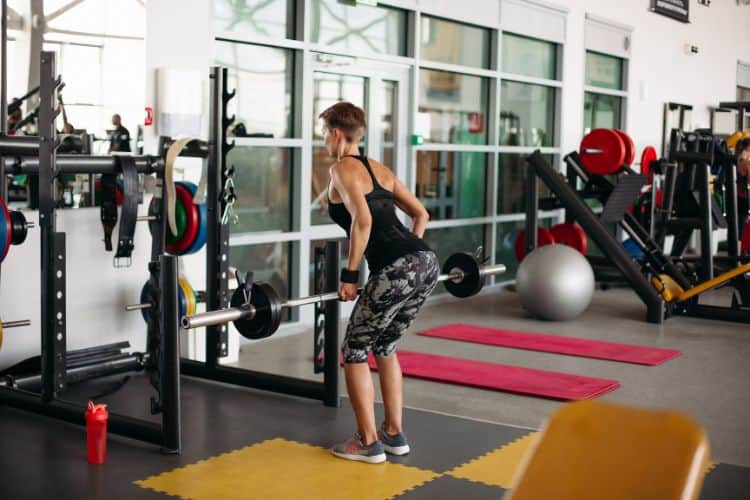
A 45-minute progressive overload workout is one of the most effective ways to build strength, improve muscle tone, increase calorie burn, and create long-term fitness results. Unlike random workouts that rely on doing the same exercises with the same weights every session, progressive overload uses structured increases in weight, reps, or intensity to challenge your muscles in a measurable way. Over time, this approach forces your body to get stronger, leaner, and more defined. Whether you are training at home or in the gym, this 45-minute routine is designed for women who want a powerful, efficient, and results-driven session that hits the full body and leaves you feeling energized, accomplished, and stronger every week.
This guide breaks down everything you need to know about progressive overload, including why it works, how to apply it safely, and a complete 45-minute workout you can use today. You’ll learn how to track your progress, how often to increase your weights, and how to ensure your body continues to adapt over time. If your goal is to improve muscle tone, lose body fat, boost your metabolism, or simply follow a structured strength-training plan, this 45-minute progressive overload workout delivers a proven formula for success.
Progressive overload is a training method that gradually increases physical demands on the body over time. Instead of staying at the same weight or repetition range, you consistently challenge your muscles with slightly more volume or intensity. This triggers adaptation, which results in strength gains, lean muscle growth, greater stamina, and improved functional fitness.
In other words, your body responds to stress. If the stress remains the same, the result stays the same. But when you increase the challenge strategically, your muscles grow, your endurance improves, and your workouts become significantly more effective.
Many women worry about “bulking up,” but progressive overload does not cause bulky growth. Instead, it improves lean muscle tone, increases fat-burning hormones, boosts metabolism, and creates a sculpted, strong, athletic physique. Women naturally have lower testosterone levels, meaning progressive overload primarily enhances muscle definition without creating excessive size.
A 45-minute session is ideal for progressive overload because it provides enough time to warm up properly, perform compound movements with focus, and complete accessory exercises that target smaller muscle groups. This leads to full-body strength development with balanced proportions.
There are several ways to apply progressive overload, and it’s important to vary these methods weekly so your body doesn’t adapt too quickly. For a 45-minute workout, the best overload strategies include:
The classic approach is to add 2.5–5 pounds to your dumbbells, barbell, kettlebell, or machine each week or every other week.
Even if you can’t increase the load, adding 1–3 extra reps per set challenges your muscles.
Adding an extra working set increases overall training volume.
Tempo training increases time under tension, giving your muscles more workload.
Improved quality of movement creates natural overload.
Shorter rest keeps the body working harder while maintaining intensity.
For best results, use one or two methods per week rather than trying to overload everything at once.
A structured 45-minute progressive overload session offers a wide range of physical and mental benefits for women:
You don’t need long workouts to build a strong and toned body — you need focused, progressive workouts that push your muscles in a structured, intentional way.
This 45-minute progressive overload workout is designed for full-body strength using dumbbells, barbells, kettlebells, or any resistance you have available. Every section builds on the last, moving you through warm-up, compound lifts, accessory training, and a final finisher.
The workout is divided into:
Intensity increases weekly using progressive overload strategies.
Your warm-up should activate your muscles, increase circulation, and improve mobility.
Keep movements controlled and focus on form.
This section focuses on glutes, hamstrings, and quads — foundational muscles for strength training.
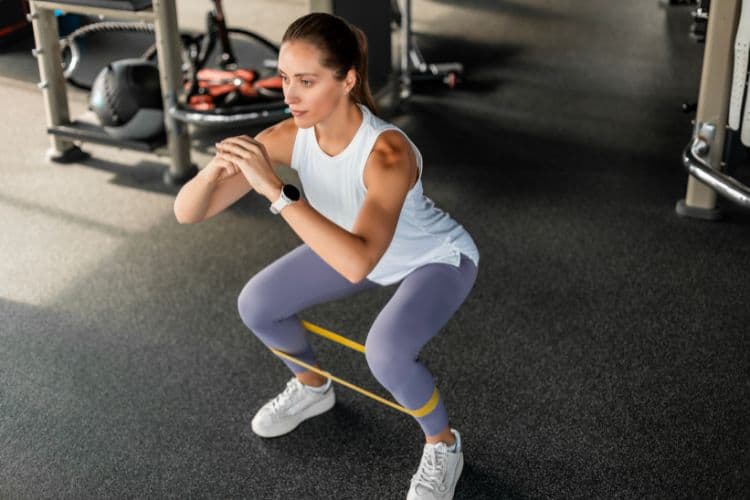
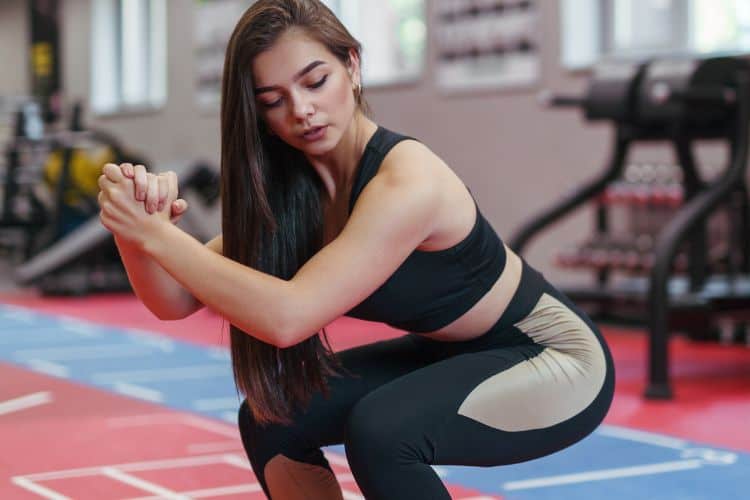
4 sets x 8–10 reps
The squat is one of the most effective compound lifts for building lower body strength. Keep your core tight, drive through your heels, and maintain an upright chest. Increase weight or reps weekly.
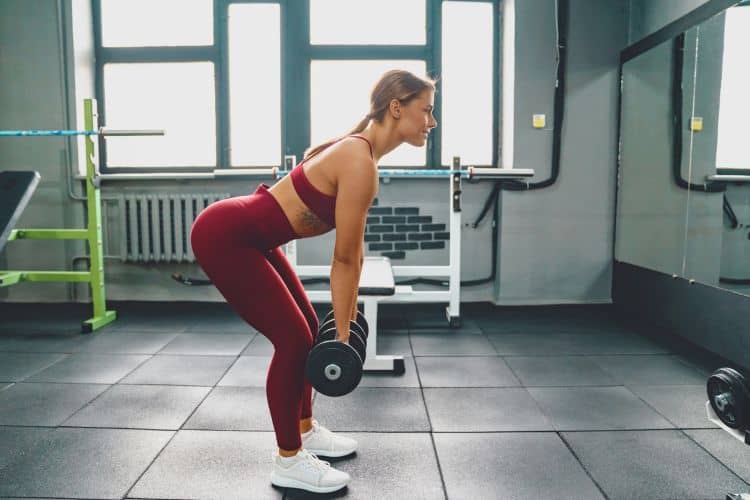
3 sets x 10–12 reps
RDLs target the glutes and hamstrings. Push your hips back, maintain a neutral spine, and keep the dumbbells close to your legs. Focus on slow eccentric lowering for time under tension.
3 sets x 20 steps
Add weight as needed. Lunges develop stability, single-leg strength, and core engagement. If space is limited, alternate reverse lunges.
These movements target the chest, back, shoulders, and arms — the key muscle groups for upper body toning and strength.
4 sets x 8–10 reps
Drive weights upward with control; avoid letting elbows flare too wide. Increase weight or reps weekly to continue overload.
4 sets x 10–12 reps
This exercise strengthens your entire back and improves posture. Keep your torso steady and squeeze your shoulder blades with every rep.
3 sets x 8–10 reps
Press weights overhead with control. Use a full range of motion and keep the core tight to protect your lower back.
These exercises recruit multiple major muscle groups, boosting calorie burn and metabolic output.
3 sets x 8 reps
This combination movement hits the legs, glutes, back, shoulders, and core in one powerful lift. Use moderate-heavy weights.
3 sets x 10 reps
Thrusters are excellent for metabolic conditioning and strength. Drive upward from your squat and press overhead.
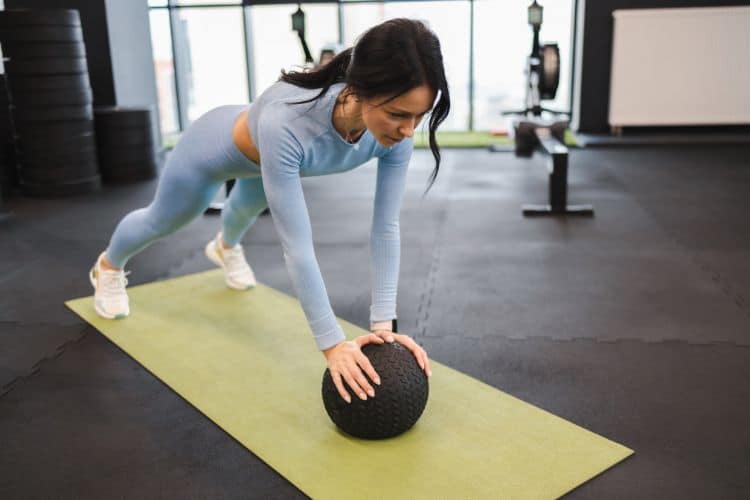
3 sets x 12 reps total
Strengthens the core, back, arms, and shoulders while improving stability.
End strong with a short burst of high-intensity conditioning.
This finisher boosts EPOC (post-workout calorie burn) and gives your metabolism a powerful spike.
Finish with light mobility and stretching:
Focusing on breathing helps your nervous system shift into recovery mode.
To get the most from this 45-minute workout, follow a weekly progression plan. Here’s how to overload safely and effectively:
Focus on mastering form. Use weights that feel challenging but manageable.
Increase either 2–5 lbs or add 1–2 reps to each set.
Increase weight again or slow down your tempo to 3–4 seconds on the lowering phase.
Increase sets for one compound lift in each block.
Return to Week 2 reps and Week 1 tempo, but with heavier weights. This recalibrates your strength baseline.
Increase load again and tighten rest times.
Over time, these small changes produce dramatic physical improvements.
For best results:
Aim to gradually increase difficulty while listening to your body and avoiding overtraining.
To get the most out of your progressive overload workouts:
Consistency is the key. Small weekly improvements compound into major results over months.
A 45-minute progressive overload workout is one of the most powerful tools for women who want to build strength, burn fat, and transform their bodies. By gradually increasing load, reps, or intensity, you constantly challenge your muscles and prevent plateaus. This workout plan helps you boost metabolism, improve energy, build lean muscle, and achieve visible toning results without spending hours in the gym.
If you’re ready to get stronger every week, this 45-minute progressive overload workout gives you the structure, strategy, and confidence to level up your fitness journey.
For those ready to challenge themselves further after this 45-minute progressive overload routine, don’t miss our other targeted sessions: check out our “45-Minute Full Body Blast: Cardio & Strength in One Sweat Session” for an elevated metabolic circuit, “35-Min Full Body Workout with Dumbbells: The Fat-Burning Routine” to focus on dumbbell strength and fat loss, “30-Min Full Body Dumbbell Workouts: Best Functional Fitness” when you’re short on time, “The Only 60-Min Dumbbell Workout You’ll Need (Full Body Burn)” for a longer session when you have the schedule, and “25-Min Full-Body Dumbbell Workout for a Lean Strong Body” for a quick, concentrated strength hit. Each of these links complements your progressive overload training and helps you vary your workout while staying within the same fitness-forward mindset of Women’s Fit Club.
Stay up to date on the latest women’s health, fitness and lifestyle trends and tips.
