


Sign up for workout ideas, training advice, reviews of the latest gear and more.

Staying active during pregnancy can feel confusing—especially in the first trimester, when fatigue, nausea, and uncertainty are at their peak. Many women wonder whether exercise is safe, which movements to avoid, and how much activity is “too much.” The good news is that safe exercise during the first trimester is not only allowed for most women, but strongly encouraged when done correctly.
This comprehensive guide covers everything you need to know about first-trimester pregnancy exercise, including benefits, safety guidelines, recommended workouts, exercises to avoid, and tips for listening to your changing body. Whether you’re brand new to fitness or already active, this article will help you move with confidence and peace of mind.
The first trimester spans weeks 1 through 12 of pregnancy and is a time of major internal development. While your baby is forming vital organs, your body is adapting rapidly to hormonal shifts—often leading to fatigue, dizziness, nausea, and breast tenderness.
Despite common myths, exercise does not increase miscarriage risk in healthy pregnancies. According to leading medical guidelines, most women can safely continue or begin low-to-moderate intensity exercise during the first trimester, provided there are no medical contraindications.
Always consult your healthcare provider before starting or continuing an exercise routine, especially if you have a history of pregnancy complications or underlying health conditions.
Staying active early in pregnancy offers both short-term and long-term benefits for mom and baby.
Before diving into specific workouts, it’s essential to follow foundational safety rules.
Most healthy pregnancies allow exercise, but always check with your OB-GYN or midwife first, especially if you have:
You should be able to hold a conversation while exercising. If you’re breathless or struggling to talk, the intensity is too high.
Pregnancy hormones loosen ligaments, increasing injury risk. Controlled movements matter more than speed or weight.
Walking is one of the safest and most accessible exercises during early pregnancy.
Aim for 20–30 minutes, 3–5 days per week.
Prenatal yoga promotes flexibility, breathing, and relaxation.
Choose classes specifically labeled prenatal, as traditional yoga may include poses to avoid.
Safe options include:
These activities elevate heart rate without stressing joints or the core.
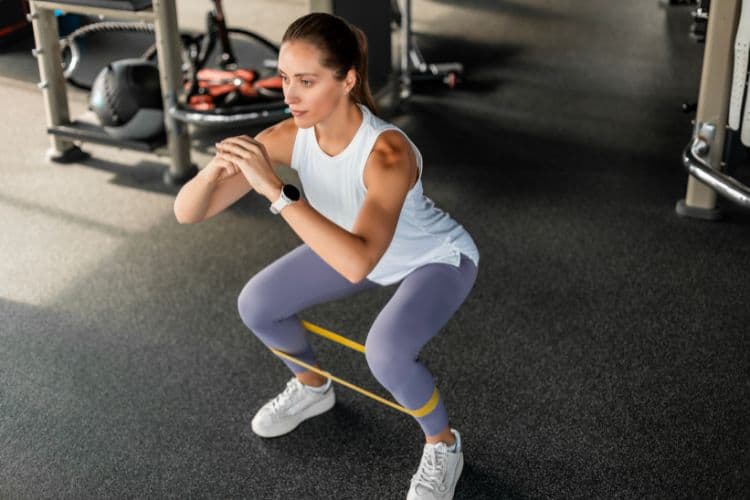
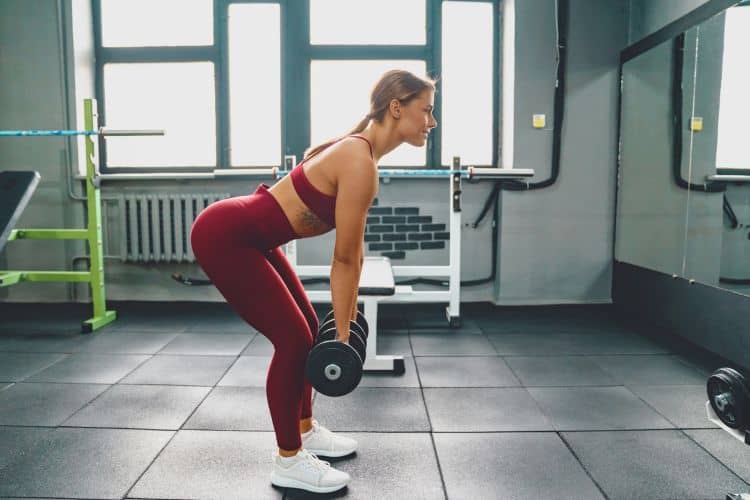
Strength training supports muscle balance and prepares the body for pregnancy changes.
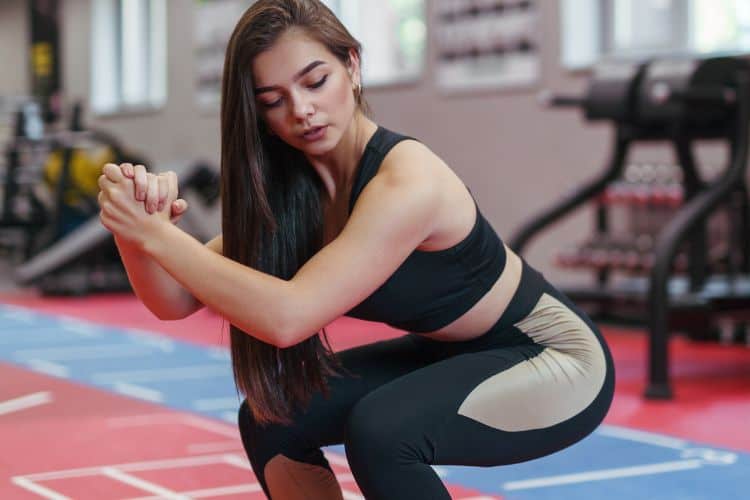
Great exercises include squats, seated rows, wall push-ups, and standing shoulder presses.
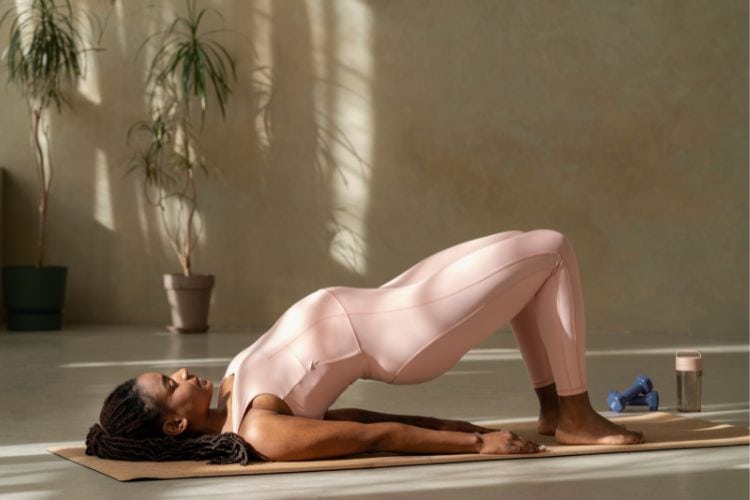
Early pregnancy is the perfect time to build pelvic floor awareness.
Avoid traditional crunches or intense core work.
This routine is designed for beginners and those easing into pregnancy-safe fitness.
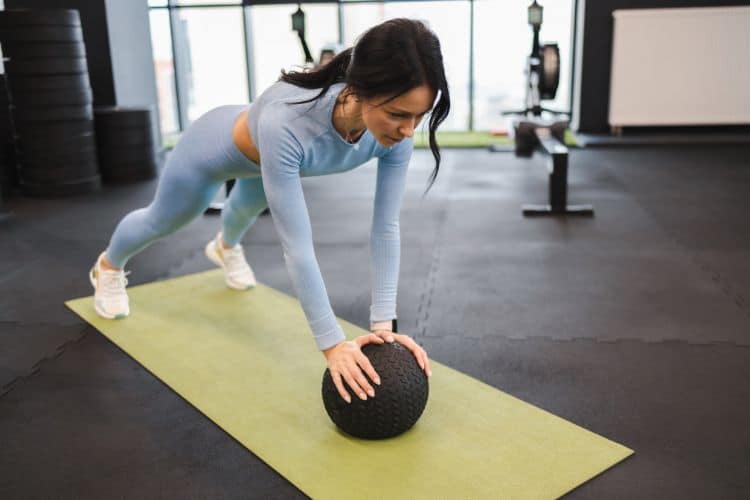
While many movements are safe, some exercises should be avoided to reduce injury or complication risk.
Most experts recommend 150 minutes of moderate exercise per week, spread across multiple days.
Listen to your body—some days may require rest, especially during weeks with heightened nausea or fatigue.
Your body will give you clear signals if something isn’t right.
Rest and consult your healthcare provider if symptoms persist.
Exercise works best alongside proper fueling.
Movement during early pregnancy can help you navigate emotional changes.
Even short walks or gentle stretching sessions can make a meaningful difference.
The first trimester sets the tone for healthy movement throughout pregnancy.
As your pregnancy progresses, workouts can be adapted to support your changing needs while maintaining strength and mobility.
Yes—start slowly with walking, prenatal yoga, or light strength training.
Light activity is generally safe daily, but include rest days as needed.
No—safe, moderate exercise supports a healthy pregnancy when approved by your doctor.
Safe exercise during the first trimester is one of the best gifts you can give yourself and your growing baby. When done thoughtfully, movement enhances physical strength, emotional balance, and overall pregnancy well-being. The key is listening to your body, choosing pregnancy-safe exercises, and prioritizing consistency over intensity.
Whether it’s a gentle walk, prenatal yoga flow, or light strength session, every bit of movement supports a healthier, more confident pregnancy journey.
If you’re ever unsure, trust your instincts and consult your healthcare provider—your body knows more than you think.
During early pregnancy, staying active with safe, low-impact workouts can boost your energy and support healthy weight management while minimizing discomfort. For gentle cardiovascular options, many moms-to-be find inspiration in our Cardio Workouts During Pregnancy: Complete Trimester Guide which outlines safe ways to keep your heart healthy throughout all trimesters. Pairing cardio with light strength training is effective too — check out our Full-Body Dumbbell Pregnancy Workout Plan for Moms-to-Be for moves that build muscular endurance without overexertion. Incorporating stretches like the Cat-Cow Stretch can help maintain spinal mobility and reduce lower back tension as your body changes. For overall wellness and motivation throughout your pregnancy journey, our guide on Workout Motivation for Females: The Ultimate Guide offers tips to stay consistent and positive. If you’re interested in broader fitness programs, explore our Best Workouts Programs For Women page, which includes prenatal options and ideas for adapting workouts to life stages.
Stay up to date on the latest women’s health, fitness and lifestyle trends and tips.
