


Sign up for workout ideas, training advice, reviews of the latest gear and more.

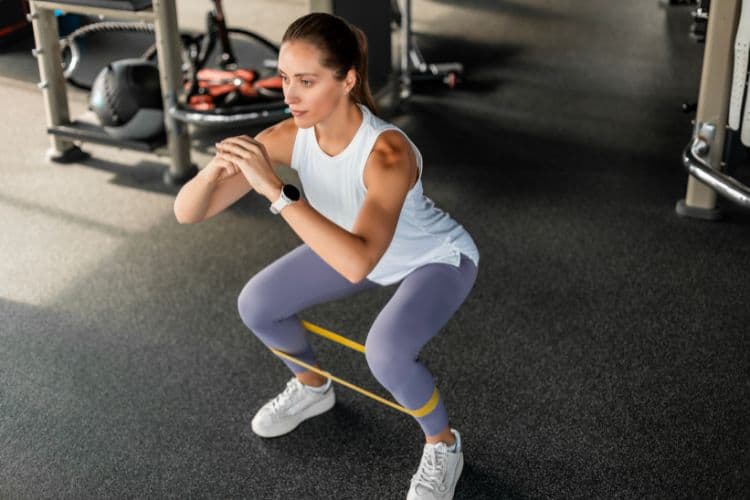
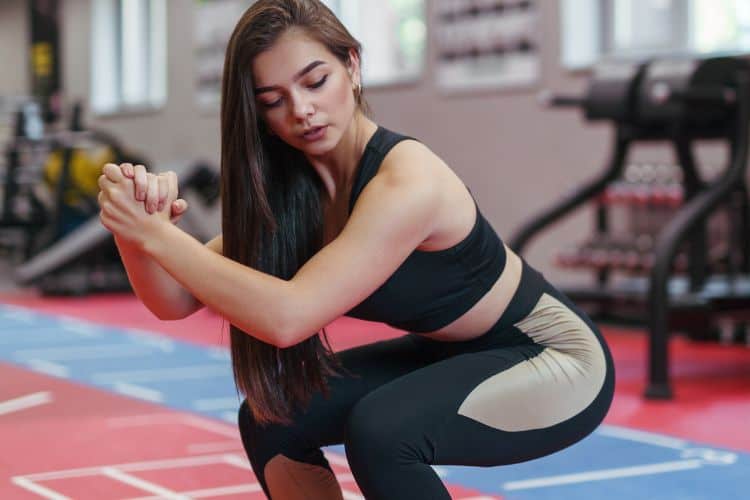
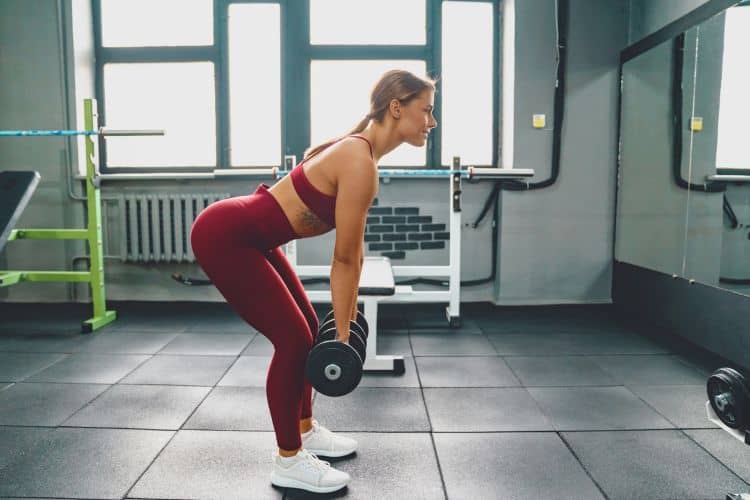
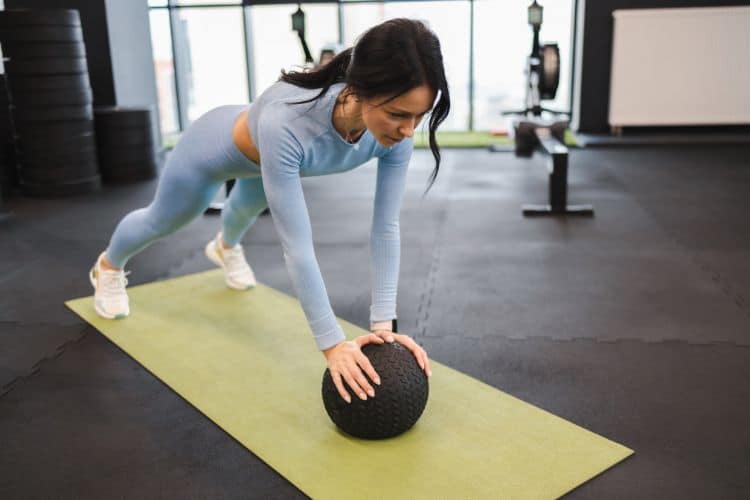

Building strong, sculpted shoulders does more than improve upper-body aesthetics—it enhances posture, supports everyday movements, and boosts overall athletic performance. A 35-minute kettlebell shoulder workout is one of the most effective ways to combine strength training, stability work, and metabolic conditioning into a single, time-efficient session. Unlike traditional dumbbells, kettlebells challenge your shoulders through unique loading angles, forcing your stabilizer muscles to work harder with every rep.
This workout format is ideal for women who want to tone their arms, strengthen their upper body, and burn calories without spending hours in the gym. Whether you’re training at home or in a fitness studio, kettlebells provide unmatched versatility for shoulder development.
A 35-minute session hits the perfect balance between intensity and recovery. It’s long enough to allow proper warm-up, progressive overload, and accessory work, yet short enough to maintain focus and energy throughout the workout.
Kettlebell shoulder workouts stand out because they emphasize functional strength. Every press, raise, and carry requires coordination between the shoulders, core, and hips. This integrated approach improves real-world movement patterns, helping you lift, reach, and carry more efficiently in daily life.
Another key benefit is calorie burn. Because kettlebell exercises recruit multiple muscle groups at once, they elevate your heart rate while building strength. This creates a powerful metabolic effect, helping you burn fat during and after your workout.
The shoulders consist of three main heads: anterior (front), lateral (side), and posterior (rear) deltoids. A well-designed kettlebell shoulder workout targets all three to create balanced strength and shape.
Overhead presses and front-loaded movements emphasize the front delts, lateral raises and carries engage the side delts, and pulling or hinge-based movements activate the rear delts.
Kettlebell training never isolates the shoulders completely. Your upper back, triceps, core, and even glutes play a supporting role in stabilizing each movement. This full-body engagement improves posture and reduces the risk of shoulder injuries.
This workout is suitable for beginners with basic kettlebell experience as well as intermediate and advanced lifters looking to refine shoulder strength. Women returning to training after a break will benefit from the moderate duration, while advanced athletes can increase intensity by adjusting weight or tempo.
It’s also an excellent option for women over 40 who want joint-friendly strength training. Kettlebells encourage controlled movement patterns that support shoulder health when performed with proper form.
A proper warm-up is essential before any shoulder workout, especially when working overhead. Spend about 5–7 minutes preparing your joints and muscles.
Begin with gentle arm circles, shoulder rolls, and neck mobility drills. Follow with light kettlebell halos to activate the shoulder stabilizers. Finish your warm-up with a few bodyweight push-ups or plank shoulder taps to engage the core and upper body.
Warming up improves mobility, enhances performance, and significantly reduces the risk of injury.
This workout is divided into four training blocks, allowing you to progressively challenge your shoulders while maintaining proper form.
The first block focuses on controlled, strength-based movements. Perform kettlebell overhead presses, focusing on slow, deliberate reps. Keep your core tight and avoid arching your lower back.
Alternate pressing arms to improve unilateral strength and correct muscle imbalances. Rest briefly between sets to maintain power and control.
In the second block, volume increases to challenge shoulder endurance. Exercises like kettlebell push presses and upright rows introduce dynamic movement patterns that elevate heart rate while maintaining tension in the shoulders.
This block is where you’ll feel the burn. Focus on breathing rhythmically and maintaining posture throughout each set.
Stability is critical for shoulder health. This block incorporates kettlebell carries, single-arm holds, and slow lateral raises. These movements train the smaller stabilizing muscles that protect the shoulder joint.
Moving slowly and deliberately during this phase enhances neuromuscular control and builds resilient shoulders.
The final block pushes intensity with short, high-effort sets. Kettlebell thrusters, clean-to-press combinations, or alternating presses are excellent choices for this finisher.
This segment maximizes calorie burn and leaves your shoulders fully fatigued—without excessive volume that could compromise recovery.
Selecting the appropriate kettlebell weight is crucial for effective shoulder training. Beginners should start lighter than they think, especially for overhead movements. Shoulder muscles are smaller than leg or back muscles and fatigue quickly.
A good rule of thumb is to use a weight you can press overhead with perfect form for 8–12 reps. For carries and holds, you may be able to use a slightly heavier kettlebell.
Progress gradually over time by increasing reps, slowing tempo, or moving to a heavier bell once your form remains consistent throughout the workout.
Maintaining proper technique protects your shoulders and maximizes results. Always engage your core before pressing overhead. Imagine pulling your ribs down and squeezing your glutes to stabilize your torso.
Keep your wrist neutral and stacked over your elbow during presses. Avoid letting the kettlebell drift too far forward or backward, which can strain the shoulder joint.
If you feel pain—not muscle fatigue—stop immediately and reassess your form or reduce the weight.
Consistent kettlebell training creates lean, defined shoulders without adding bulk. The combination of resistance and metabolic work tones the arms while maintaining a feminine, athletic look.
Strong shoulders support better posture by counteracting rounded shoulders caused by desk work or phone use. Over time, this reduces neck and upper-back tension.
Because kettlebell workouts are dynamic and full-body, they burn more calories than traditional isolation exercises. This makes them ideal for women focused on fat loss and body recomposition.
Most women benefit from training shoulders 1–2 times per week, depending on overall workout volume. Allow at least 48 hours between intense shoulder sessions to promote recovery.
You can also integrate kettlebell shoulder exercises into full-body workouts or upper-body circuits to maintain balance across your training program.
One common mistake is using too much weight too soon. This often leads to poor form and shoulder discomfort. Another issue is neglecting warm-ups or mobility work, which increases injury risk.
Avoid rushing through reps. Kettlebell shoulder workouts are most effective when performed with control and intention.
Beginners can shorten rest periods slightly and use lighter kettlebells while focusing on technique. Advanced athletes can increase time under tension, add pauses at the top of presses, or incorporate more complex movement patterns.
Listening to your body and adjusting intensity ensures long-term progress and shoulder health.
Finish your workout with gentle shoulder stretches and deep breathing. Focus on stretching the chest, shoulders, and upper back to restore mobility.
Proper recovery—including hydration, nutrition, and sleep—helps your muscles rebuild stronger and prepares you for your next training session.
A 35-minute kettlebell shoulder workout is one of the most efficient ways for women to build strength, improve posture, and burn calories—all without excessive equipment or time commitment. By combining controlled strength work, stability training, and metabolic finishers, this workout delivers results you can see and feel.
Whether your goal is toned arms, improved athletic performance, or overall upper-body confidence, kettlebell shoulder training deserves a permanent place in your fitness routine. Stay consistent, focus on form, and enjoy the strength you build with every rep.
To complement your 35-minute kettlebell shoulder workout, be sure to explore other powerful kettlebell routines and strength training guides on Women’s Fit Club. If you’re short on time but still want a total-body challenge, check out our 10-Minute Full Body Kettlebell Workout for Strength and Fat Loss for a high-intensity session that hits multiple muscle groups including the shoulders. For a longer kettlebell routine with dynamic movements like deadlift-to-upright rows that also engage your deltoids and traps, try the 20-Minute Full-Body Kettlebell Workout Routine. To build a strong core and upper-body base that supports better shoulder stability, browse our Best Kettlebell Core Exercises for Women. And if you want even more variety in your kettlebell training, our Kettlebell Core Workouts for Women includes complex movements like Turkish get-ups that challenge shoulder strength and coordination. Finally, for a broader approach to functional fitness that enhances shoulder performance and total-body strength, check out our 45-Minute Full Body Kettlebell Circuit Workout for Full Body Results.
Stay up to date on the latest women’s health, fitness and lifestyle trends and tips.
