


Sign up for workout ideas, training advice, reviews of the latest gear and more.

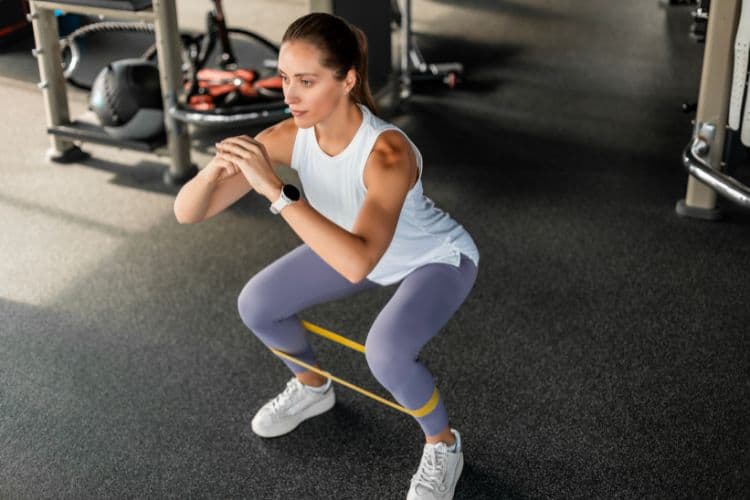

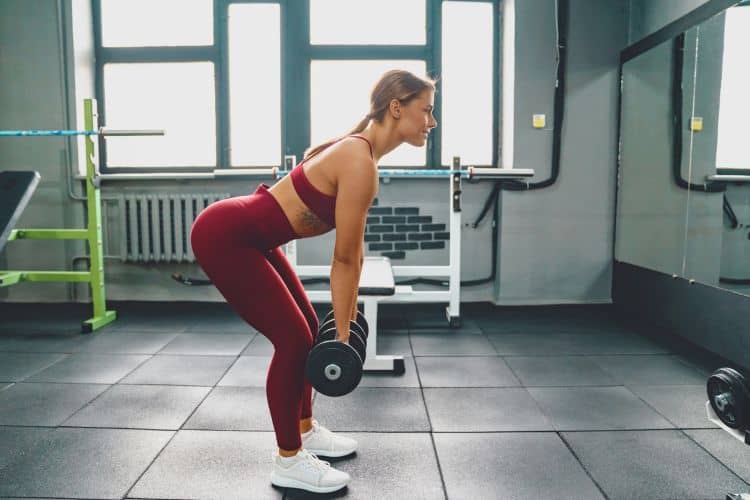
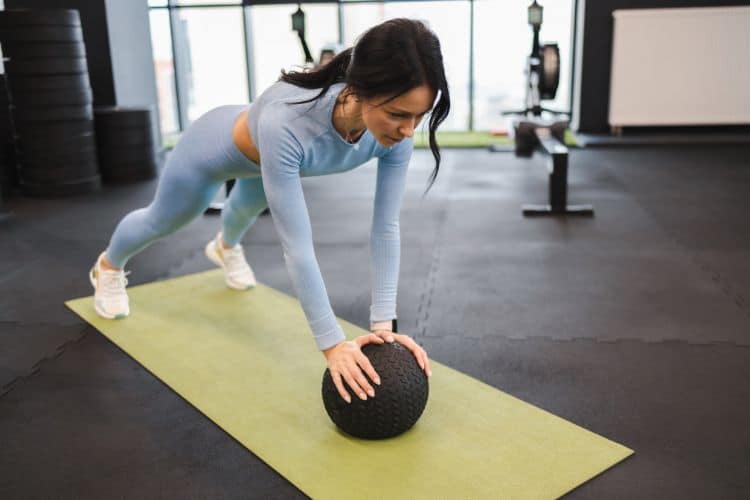
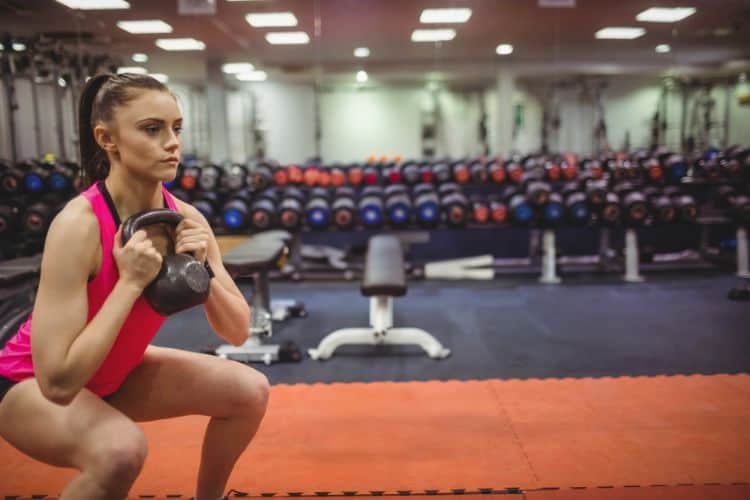
Staying fit after 40 requires smarter training—not longer hours of exercise. Your body needs strength, stability, mobility, and cardiovascular conditioning, all while reducing impact on the joints. That’s why a 25-minute full-body over 40 kettlebell workout is the perfect solution. With a single kettlebell, you can build muscle, boost metabolism, improve functional strength, and burn calories quickly without feeling overwhelmed or exhausted. This routine is specifically designed for people over 40, focusing on safe movement patterns, joint-friendly exercises, and progressive strength building that supports energy, posture, and long-term health.
Kettlebells offer a uniquely effective form of training: they challenge your core with every move, improve grip strength, and allow you to train multiple muscle groups at once. Whether you’re short on time or trying to stay consistent despite a busy schedule, this workout delivers maximum results in minimal minutes.
Below, you’ll learn why kettlebell training is especially beneficial after 40, how to warm up properly, what weight to choose, the full 25-minute routine, technique cues, recovery tips, and how to progress week by week. Ready to build strength, stability, and confidence? Let’s start.
Training after 40 is not about slowing down—it’s about training differently and more intentionally. Kettlebells make that possible because they are low-impact, functional, and extremely efficient.
You don’t need a full gym or heavy barbells to gain strength. A kettlebell challenges your entire body through compound movement patterns that increase muscle recruitment, helping you build lean mass and maintain bone density—essential as you age.
Every kettlebell move engages your core because you must stabilize the weight as it moves around your body. This reduces back pain, improves posture, and enhances everyday functional movement.
People over 40 often notice slower metabolism. Kettlebells fix that by blending strength training with cardio, increasing calories burned during and after your workout through EPOC (post-exercise oxygen consumption).
Unlike machines that limit movement, kettlebells allow your body to move naturally—strengthening joints, increasing flexibility, and improving movement mechanics.
Training smarter, not longer, is critical over 40. This 25-minute session covers strength, cardio, core, balance, and flexibility while avoiding overtraining.
You only need one item—your kettlebell. Here’s what works best for users over 40:
This full-body kettlebell training session includes:
You’ll perform 5 kettlebell exercises, moving through them in rounds. Each round includes controlled strength movements and steady-paced conditioning work to elevate heart rate without joint stress.
You can speed up or slow down the tempo as needed based on your energy levels and fitness goals.
Warming up is crucial because it prepares the joints, wakes up the muscles, and increases circulation—especially helpful if stiffness comes with age.
Alternate marching legs while gently swinging arms forward and back.
Loosen the hips, spine, and lower back.
Perform slow squats and hinge movements to prepare knees, hips, and glutes.
Below is the full routine, broken down by each exercise with form cues, benefits, and mistakes to avoid. Perform all 5 exercises for 40 seconds, rest for 20 seconds, then repeat for 4 rounds.
The kettlebell deadlift strengthens the posterior chain—glutes, hamstrings, and lower back—without heavy spinal loading. Perfect for building strength safely over 40.
Stand with feet hip-width apart with the kettlebell between your feet. Hinge from the hips, keeping your spine neutral. Grab the handle, drive through your heels, and stand tall.
Rounding the back. Keep the chest lifted and core engaged.
This squat variation is joint-friendly while still building strong quads, glutes, and core.
Hold the kettlebell at your chest. Lower into a squat, pushing hips back and keeping knees in line with toes. Drive back up with control.
Allowing knees to fold inward. Keep weight evenly distributed.
Healthy shoulder function and strong back muscles become even more important over 40. This exercise improves posture and balances muscle strength.
Place one hand on your thigh or a bench. Hinge slightly, pull the kettlebell toward your rib cage, squeeze your back muscles, then lower with control.
Using momentum rather than muscle engagement.
Pressing overhead strengthens the shoulders, triceps, and core while helping maintain upper-body mobility.
Hold the kettlebell at shoulder level. Press it overhead while bracing your core. Lower slowly.
Arching the lower back—keep ribs down and core tight.
The kettlebell swing is one of the best metabolic conditioning exercises—ideal for fat loss, cardio, and lower-body power.
Hinge at the hips, engage the glutes, and swing the kettlebell up to chest height using hip power—not arm lifting.
Squatting instead of hinging. Push hips back, not down.
As your strength and conditioning improve, progress gradually to protect your joints and avoid overtraining.
Add 5–10 lbs when movements feel controlled and strong.
Move from 4 rounds to 5 rounds for a 30-minute version.
Move from 40/20 to 45/15 or even 50/10.
Try advanced versions such as:
Use this workout 3–4 times per week for consistent results.
Here’s what most people over 40 experience with this routine:
Stronger glutes, legs, shoulders, and core.
Better flexibility and smoother movement patterns.
Kettlebell swings and full-body compound exercises boost calorie burn.
Visible changes in arms, legs, and midsection.
Stronger support muscles equal fewer aches.
Consistent training improves mood, stamina, and self-esteem.
A cool-down reduces stiffness and improves recovery—especially helpful after 40.
Stretches hamstrings and back.
Helps release tension after squat work.
Relieves tightness from overhead pressing.
Improves posture and breathing.
Calms the nervous system and stabilizes heart rate.
Training smarter ensures longevity, consistency, and fewer training setbacks.
Move with intention and control.
Avoid going too heavy too soon.
Protects back and improves strength mechanics.
If you feel stiff, extend your warm-up to 5 minutes.
Dehydration affects joint lubrication and energy levels.
Recovery is essential—especially for hormones, muscle repair, and longevity.
This routine is ideal for:
Whether you’re starting fresh or returning from a training break, this session meets you where you are and helps you build strength responsibly.
Kettlebell training is one of the most effective ways to stay strong, lean, healthy, and energized after 40. With just 25 minutes, you build muscle, improve mobility, boost metabolism, and enhance long-term functional fitness. This routine is simple, joint-friendly, and incredibly efficient—making it perfect for everyday use.
If you stay consistent 3–4 times per week, you’ll notice improvements in strength, posture, energy, and confidence within the first month. The kettlebell is more than a tool—it’s a lifestyle upgrade that fits into even the busiest schedule and supports healthy aging.
If you’re enjoying this 25-minute full body kettlebell workout for over 40, you might also love our other efficient, home-based kettlebell routines. For a shorter, fat-burning option, check out our 10-Minute Full Body Kettlebell Workout for Strength and Fat Loss — perfect for busy mornings. If you want to build strength over time, our 30-Day Kettlebell Challenge to Transform Your Body offers a progressive structure that takes you from foundation to full-body tone. Looking for a slightly longer but still quick session? Try the 20 Minute Kettlebell HIIT Workout for Full-Body Fat Burn for a fat-burn and cardio blend. If you prefer alternating days with minimal equipment, our 10-Minute Kettlebell Workout for a Full Body Transformation is a great addition to your weekly schedule. Finally, for those times you want variety beyond kettlebells, check out our 45-Minute Full Body Dumbbell Blast: Cardio & Strength in One Sweat Session — a full-body dumbbell routine.
Stay up to date on the latest women’s health, fitness and lifestyle trends and tips.
