


Sign up for workout ideas, training advice, reviews of the latest gear and more.

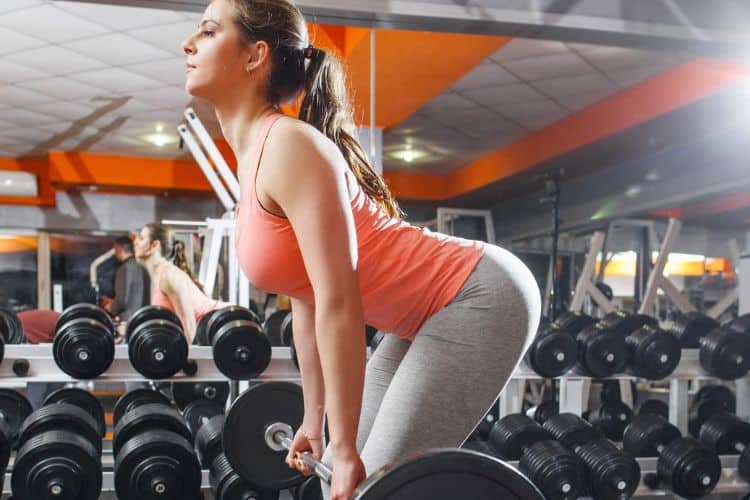
A busy schedule should never be a barrier to strength training. A 15-minute weight lifting workout proves that effective workouts don’t need to be long to deliver results. When properly structured, short weight training sessions can build muscle, increase calorie burn, improve strength, and boost energy levels without overwhelming your body or your calendar.
This guide explains how a 15-minute weight lifting workout works, why it is effective, how to structure it, and how to adapt it for beginners, advanced lifters, and women at different fitness stages. If you want results with minimal time commitment, this approach is designed for you.
Short workouts succeed because they prioritize intensity, efficiency, and compound movements. Instead of wasting time transitioning between machines or resting excessively, a 15-minute workout keeps your muscles under constant tension and your heart rate elevated.
Weight lifting triggers muscle fibers even in brief sessions when exercises are performed with proper load and focus. By reducing rest time and choosing multi-joint exercises, your body experiences both strength and metabolic benefits.
This method is especially effective for women who want to maintain lean muscle, improve body composition, and support long-term health without overtraining.
One of the biggest benefits is convenience. You can complete a productive workout in the time it takes to make coffee, making it easier to stay consistent.
Resistance training stimulates muscle fibers regardless of workout length. Over time, short sessions improve muscle tone, strength, and overall firmness.
Weight lifting elevates post-exercise calorie burn, helping you burn more calories throughout the day.
Strength training supports bone health, which is essential for women as they age.
Short workouts are energizing rather than exhausting, helping lower cortisol levels while improving mood.
A 15-minute weight lifting workout is suitable for:
With proper modifications, this workout style adapts easily to any experience level.
Structure determines results. Every minute should be purposeful.
A short warm-up increases circulation and prepares joints. Focus on dynamic movements rather than static stretching.
This is the core of the workout. Use compound lifts, circuits, or supersets to maximize muscle engagement.
Brief stretching supports recovery and flexibility without extending workout time.
To maximize results in limited time, choose exercises that work multiple muscle groups simultaneously.
These movements recruit large muscle groups and elevate heart rate quickly.
This workout targets the entire body using efficient compound exercises.
Perform each exercise for 40 seconds followed by 20 seconds of rest. Complete two to three rounds depending on fitness level.
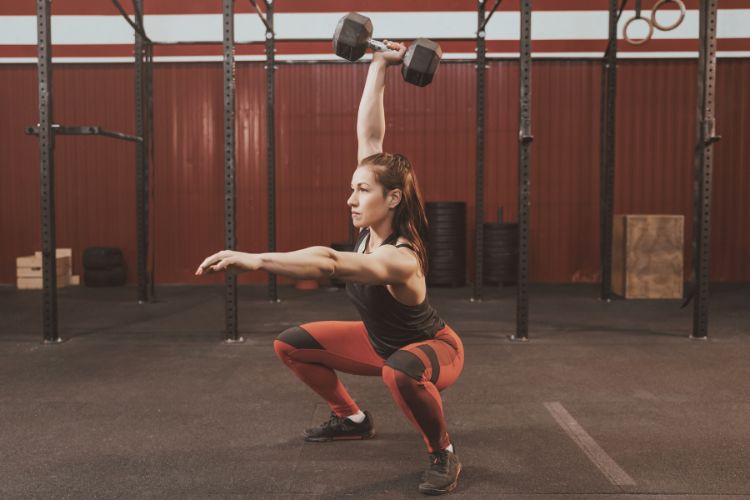
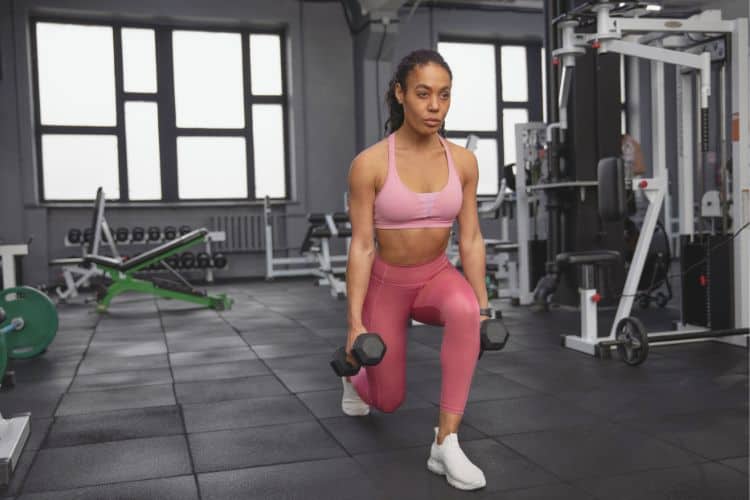
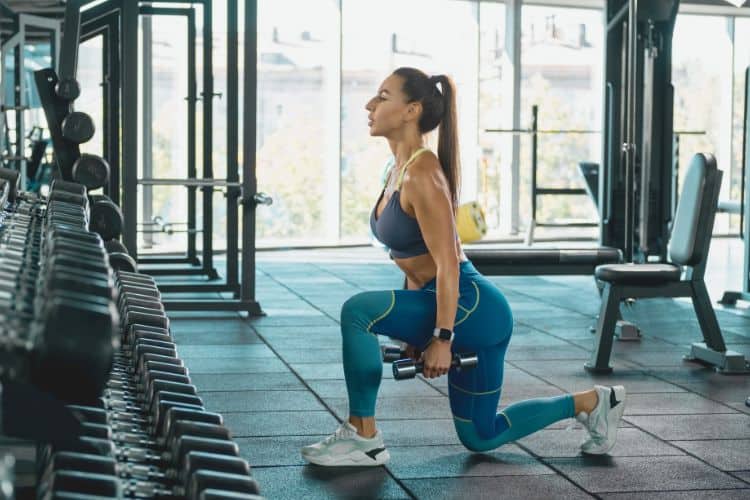
Squats strengthen the glutes, quads, hamstrings, and core. Hold weights at your sides or shoulders and focus on controlled movement.
Rows target the upper back and arms while improving posture and core stability.
This exercise builds shoulder and arm strength while engaging the core for balance.
Deadlifts activate the glutes and hamstrings while reinforcing proper hip hinge mechanics.
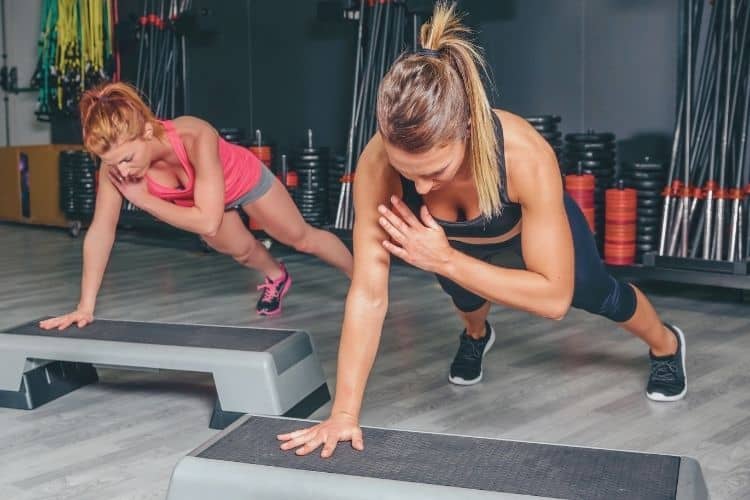
These pushing movements strengthen the chest, shoulders, and triceps.
Progression ensures long-term results.
Gradually increase resistance while maintaining proper form.
Slow down each rep to increase time under tension.
Increase rounds or reps as strength improves.
Shorter rest periods increase intensity and calorie burn.
Beginners should focus on technique and control.
Building a foundation is more important than lifting heavy early on.
Experienced lifters can increase challenge by:
These strategies keep short workouts effective even at advanced levels.
Training frequency depends on goals.
Consistency matters more than workout length.
Short weight workouts pair well with:
This combination improves cardiovascular fitness without excessive fatigue.
Even short workouts require preparation.
Muscles must be challenged to grow.
Controlled movement improves results and reduces injury risk.
Repeating the same workout limits improvement.
Proper nutrition supports recovery and results.
Fueling your body enhances performance even in brief workouts.
Short strength sessions support hormonal balance, joint health, and sustainable fat loss. They reduce stress on the body while preserving lean muscle, making them ideal for women of all ages.
Day 1: Full-body strength
Day 2: Lower body focus
Day 3: Upper body focus
Day 4: Active recovery
Day 5: Full-body circuit
This structure keeps workouts efficient and prevents overuse injuries.
A 15-minute weight lifting workout proves that time is not a limitation when training is intentional. With focused effort, compound movements, and progressive overload, short sessions can build strength, burn fat, and improve overall fitness.
Consistency is the real secret. When you commit to showing up for just 15 minutes, you create habits that lead to lasting results.
Looking for more time-efficient strength routines to complement your 15-minute weight lifting workout? Explore The Ultimate 15-Minute Free Weight Workout for a Full-Body Burn for another quick strength session that builds lean muscle and boosts metabolism in a short window — perfect for busy schedules. If you want variations using dumbbells specifically, check out our 15-Minute Dumbbell Workout for Full Body Strength, where just a pair of dumbbells delivers a powerful total-body burn. For strength training fundamentals and tips that support any lifting routine, read The Best Female Weight Lifting Workout Routine, a comprehensive guide to effective strength programming for women. If you’re interested in metabolic conditioning, our 15-Minute Metabolic Workout: Burn Fat, Build Muscle blends cardio and resistance for extra calorie burn. And to round out your weekly plan, try the Fit Over 40: 15-Minute Dumbbell Workout for a Stronger You.
Stay up to date on the latest women’s health, fitness and lifestyle trends and tips.
