


Sign up for workout ideas, training advice, reviews of the latest gear and more.

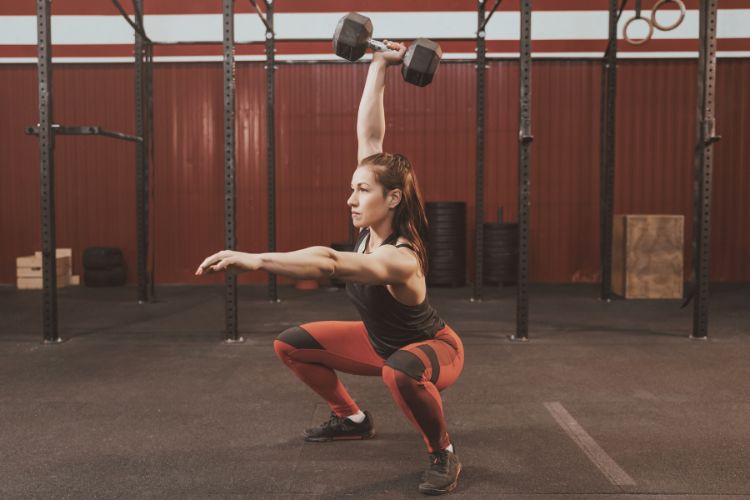
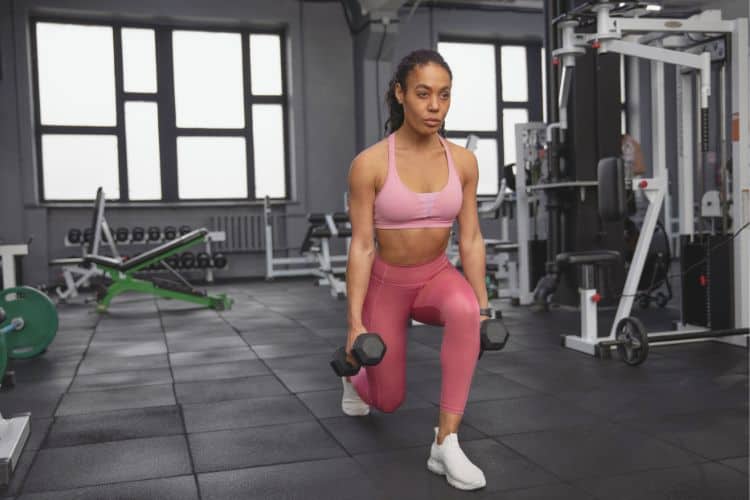
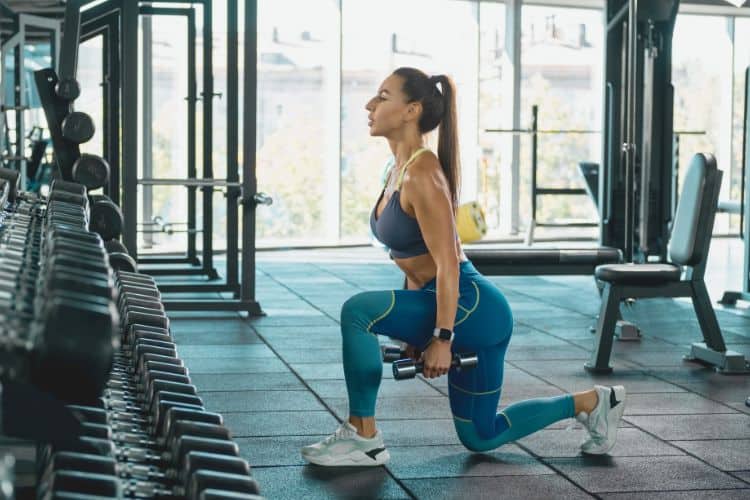
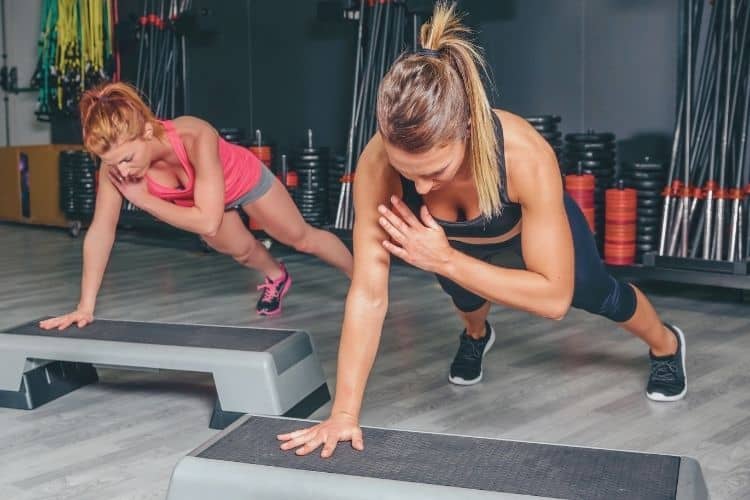
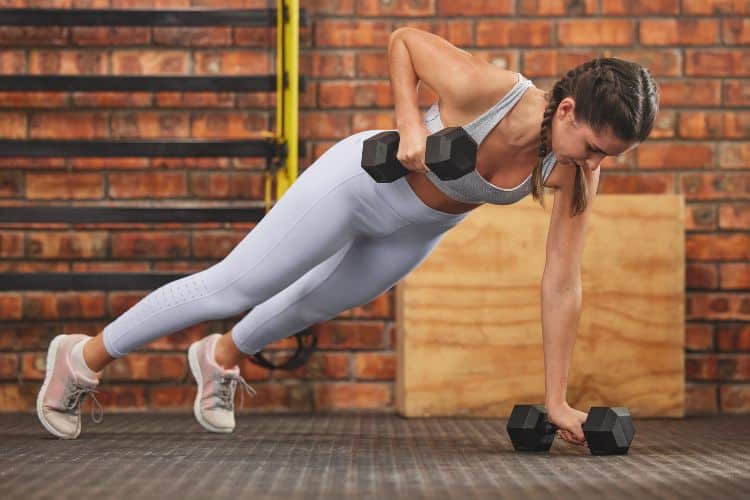
If you’re short on time but want to feel strong, toned, and energized, a 20-minute full-body dumbbell workout is the perfect solution. This efficient routine targets every major muscle group, combining strength and cardio elements for a complete body transformation. Whether you’re training at home or in the gym, all you need is a pair of dumbbells, determination, and twenty minutes to sculpt lean muscle and boost your metabolism.
In this guide, we’ll walk you through the benefits, structure, warm-up, exercises, and tips for getting the most out of your 20-minute session. Let’s dive in!
Time constraints are one of the biggest barriers to fitness. A short, 20-minute dumbbell workout allows you to fit training into your day without compromising effectiveness. High-intensity, compound movements work multiple muscles simultaneously, giving you maximum results in minimal time.
By using dumbbells, you engage stabilizing muscles that improve strength, coordination, and balance. A full-body routine challenges both your upper and lower body, helping you build lean muscle while enhancing endurance.
When you perform compound movements such as squats, presses, and rows, your heart rate spikes, triggering the afterburn effect (EPOC). This means your body continues burning calories even after your workout ends.
Dumbbell training improves real-world strength. Movements like lunges, presses, and deadlifts mimic daily activities—helping you move better, lift heavier, and reduce your risk of injury.
Whether you’re a beginner or advanced lifter, this 20-minute dumbbell workout can be modified by adjusting weight, reps, or rest time. You’re in control of the challenge.
A well-structured short workout should balance strength, cardio, and recovery. The ideal approach uses compound exercises, minimal rest, and superset or circuit formats to maintain intensity.
Here’s a simple structure:
Total = 20 minutes of efficient, results-driven movement.
If you’re working out at home, adjust your dumbbell weight depending on the muscle group. For example, use heavier weights for lower-body moves like squats and lighter weights for shoulders and arms.
Before lifting, it’s essential to warm up your muscles and joints. Spend 3–4 minutes on these dynamic movements:
This raises your heart rate, improves blood flow, and prepares your muscles for strength work.
You’ll perform this workout as a circuit, moving from one exercise to the next with minimal rest (15–20 seconds) between movements. Complete 3–4 rounds total, resting for 60 seconds between rounds.
Each move lasts 40 seconds, followed by 20 seconds of rest.
Muscles Worked: Quads, glutes, shoulders, core
How to Do It:
Tip: Exhale as you press upward to engage your core and maintain stability.
Muscles Worked: Legs, glutes, biceps
How to Do It:
Tip: Keep your elbows tucked close to your body throughout the curl for maximum bicep engagement.
Muscles Worked: Back, arms, core
How to Do It:
Tip: Keep your hips square and core tight to avoid twisting.
Muscles Worked: Hamstrings, glutes, lower back
How to Do It:
Tip: Focus on the stretch in your hamstrings rather than touching the floor.
Muscles Worked: Chest, triceps, core, back
How to Do It:
Tip: Use your core to stabilize and avoid letting your hips sag.
Muscles Worked: Quads, glutes, inner thighs, core
How to Do It:
Tip: Keep your chest lifted and your weight in the heel of your working leg.
Muscles Worked: Upper back, shoulders, arms
How to Do It:
Tip: Avoid jerking the weights—use controlled movement for maximum benefit.
Muscles Worked: Obliques, abs, hip flexors
How to Do It:
Tip: To increase difficulty, lift your feet slightly off the floor.
To end your session strong, perform this finisher circuit for one round, 40 seconds per move, 10 seconds rest.
These explosive movements torch calories, boost metabolism, and leave you feeling accomplished.
Finish your session by stretching the major muscle groups:
Stretching promotes recovery, flexibility, and reduces post-workout soreness.
Quality beats quantity. Always maintain proper form to prevent injury and get the most from each repetition.
Select a dumbbell weight that challenges you while allowing you to maintain correct posture. A good rule: by the last 2–3 reps, your muscles should feel fatigued but not strained.
Keep rest short to maintain intensity. This helps improve cardiovascular fitness while building strength.
Throughout every movement, brace your core. This stabilizes your spine, improves balance, and enhances overall strength.
Record your weights, rounds, and reps. Gradually increasing load or intensity ensures consistent progress over time.
Regular dumbbell training sculpts lean muscles, enhancing definition in your arms, legs, and core without adding bulk.
Balancing free weights trains stabilizer muscles that protect your spine and improve posture.
Strength training strengthens bones, reducing the risk of osteoporosis—a major benefit for women at all life stages.
As you see and feel progress—stronger lifts, better posture, more energy—you’ll gain confidence inside and outside the gym.
To maximize results, repeat this 20-minute routine 3–4 times per week, alternating with other forms of training like cardio or yoga. Here’s an example:
| Day | Workout |
|---|---|
| Monday | 20-Minute Full Body Dumbbell Workout |
| Tuesday | Active Rest (Walk or Yoga) |
| Wednesday | Dumbbell Workout Repeat |
| Thursday | Cardio or HIIT |
| Friday | Dumbbell Workout Repeat |
| Saturday | Stretching or Pilates |
| Sunday | Rest |
This balance allows your muscles to recover while keeping your metabolism high all week.
Your diet plays a crucial role in maximizing strength and recovery.
A 20-minute full-body dumbbell workout proves that short doesn’t mean easy. With consistent effort, smart exercise selection, and proper intensity, you can transform your body, improve strength, and boost your metabolism—all in under half an hour.
This workout is perfect for busy women who want to stay fit, strong, and confident without spending hours in the gym. Grab your dumbbells, set your timer, and let’s make every minute count.
Ready to take your strength training to the next level? Explore more workouts like this below:
30 Minute Dumbbell Workout for Women at Home. 35 Minute Full Body Dumbbell Functional Strength Training. Progressive Overload Dumbbells Workouts to Build Muscle. The 15-Minute Calisthenics Workout. Full Body Dumbbell Superset HIIT Workout. Stay consistent, stay strong, and let Women’s Fit Club guide your fitness journey—one workout at a time!
Stay up to date on the latest women’s health, fitness and lifestyle trends and tips.
