


Sign up for workout ideas, training advice, reviews of the latest gear and more.

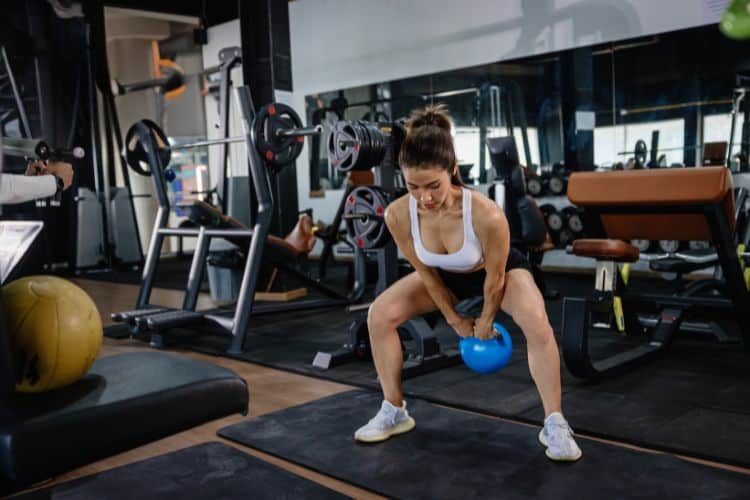
Building strong, sculpted glutes requires more than just short activation drills or light resistance movements. A 45-minute glute kettlebell workout provides the perfect balance of time, intensity, and progressive overload to stimulate muscle growth, improve lower-body strength, and enhance functional performance. Kettlebells are especially effective for glute training because they allow for dynamic hip hinge movements, unilateral loading, and continuous tension that directly targets the glute muscles.
This workout format is ideal for women who want to increase glute strength, improve muscle definition, boost athletic performance, and support fat loss without spending hours in the gym. With the right exercise selection and structure, a longer kettlebell glute session can deliver both hypertrophy and metabolic benefits while remaining joint-friendly and scalable for different fitness levels.
A 45-minute workout duration allows enough time to fully warm up the glutes, train them through multiple movement patterns, and apply sufficient volume for muscle growth. Short workouts can activate the glutes, but longer sessions are where true strength and shape development occur.
Kettlebells are uniquely suited for glute training because their offset load challenges stability and forces the hips to work harder during hinges, squats, and lunges. Unlike machines, kettlebell movements engage stabilizing muscles while reinforcing proper movement mechanics, making each repetition more effective.
This workout length also supports progressive overload, which is essential for long-term glute development. By performing multiple sets, varying tempos, and increasing resistance over time, the glute muscles receive the stimulus they need to adapt and grow stronger.
A well-designed kettlebell glute workout targets all three primary glute muscles to create balanced strength and shape.
The gluteus maximus is the largest muscle and the main driver of hip extension. It is heavily involved in swings, deadlifts, and squats, making it the foundation of glute power and muscle size.
The gluteus medius plays a crucial role in hip stability and lateral movement. It helps keep the pelvis stable during single-leg exercises and contributes to a lifted, rounded appearance of the hips.
The gluteus minimus supports hip rotation and stability. While smaller, it is essential for injury prevention and smooth, controlled movement patterns.
By incorporating bilateral and unilateral exercises, this workout ensures all three glute muscles are effectively trained.
Kettlebell training offers unique benefits that traditional dumbbells or machines cannot replicate. The shifting center of gravity of a kettlebell increases muscle activation, especially in the hips and glutes.
One of the biggest advantages is improved hip hinge mechanics. Movements like swings and deadlifts reinforce proper glute engagement, helping reduce lower-back strain and improve posture.
Kettlebell workouts also enhance functional strength. Strong glutes improve everyday movements such as walking, climbing stairs, lifting objects, and maintaining balance.
In addition, kettlebell training increases calorie burn due to the combination of strength and cardiovascular demand, making it effective for fat loss while preserving lean muscle.
This workout is divided into four key phases to maximize results while minimizing injury risk.
The warm-up prepares the hips, glutes, and lower body for loaded movement. The main strength block focuses on compound glute exercises using moderate to heavy kettlebells. The accessory block targets glute isolation and unilateral strength. The finisher increases metabolic stress to promote muscle endurance and calorie burn.
This structure ensures the glutes are trained from multiple angles and intensities within a single session.
A proper warm-up is essential for activating the glutes and improving performance during the workout. Spending 8–10 minutes preparing the hips allows the glutes to fire more effectively during loaded movements.
Begin with bodyweight hip hinges to groove the movement pattern and wake up the posterior chain. Follow with dynamic squats, focusing on pushing through the heels and squeezing the glutes at the top.
Include lateral movements such as side steps or controlled lunges to activate the glute medius. Finish the warm-up with light kettlebell deadlifts or goblet squats to transition into the main workout.
This warm-up not only reduces injury risk but also increases muscle engagement throughout the session.
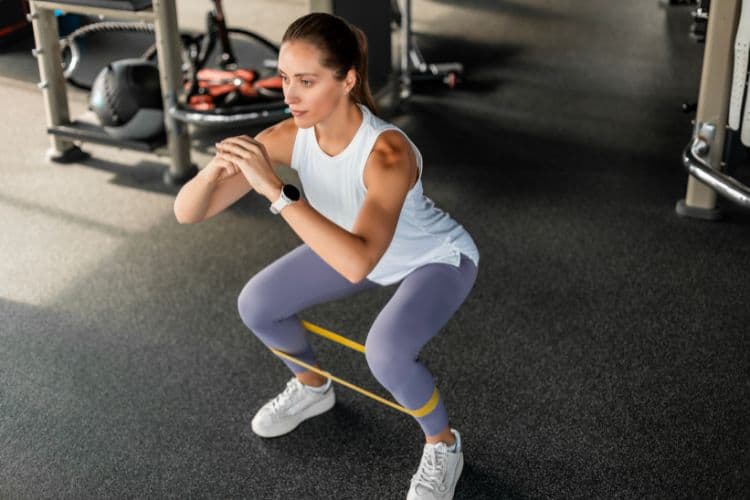
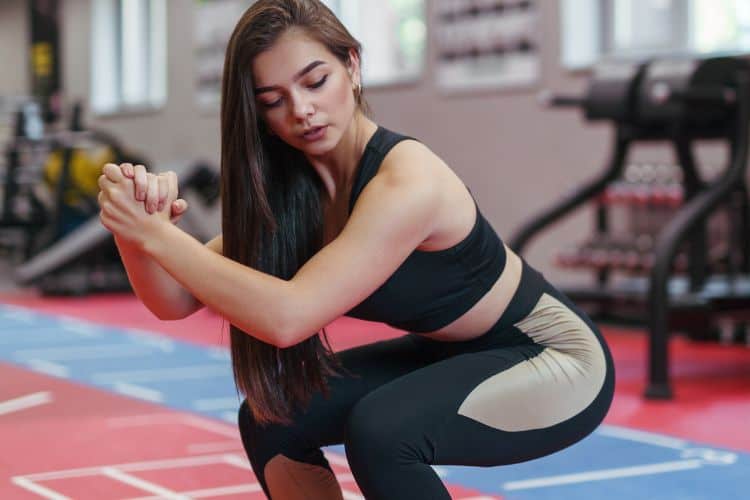
Goblet squats are one of the most effective kettlebell exercises for building glute strength. Holding the kettlebell close to the chest encourages an upright torso while allowing the hips to drop deeply, increasing glute activation.
Lower into the squat with control, keeping the knees aligned with the toes. Drive through the heels as you stand, squeezing the glutes at the top. Using a slow tempo during the lowering phase increases time under tension, which is beneficial for muscle growth.
This exercise builds both strength and mobility, making it ideal for glute-focused training.
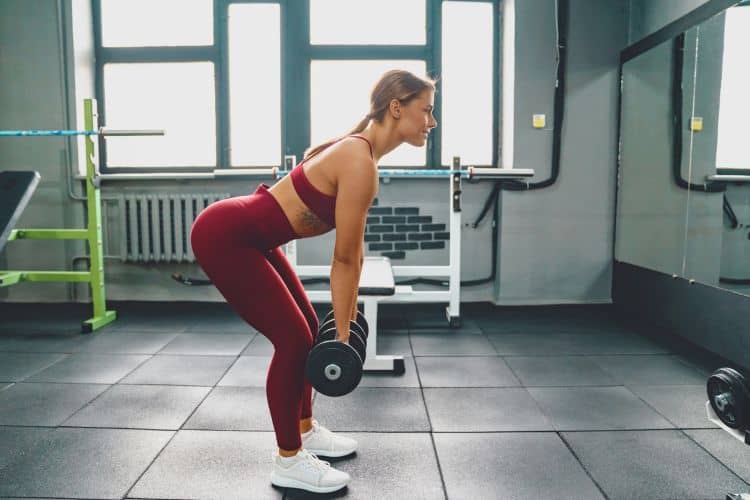
Deadlifts are a cornerstone of glute training and should be a primary focus in any kettlebell glute workout. This movement emphasizes hip extension, directly targeting the gluteus maximus.
Stand with feet hip-width apart and the kettlebell positioned between your feet. Hinge at the hips while maintaining a neutral spine. Drive the hips forward as you stand, focusing on squeezing the glutes rather than pulling with the lower back.
This exercise builds strength, power, and muscular endurance in the glutes while reinforcing proper movement mechanics.
Kettlebell swings are a dynamic hip hinge exercise that combines power and conditioning. They are one of the most effective movements for developing explosive glute strength.
Begin with the kettlebell slightly in front of you. Hike it back between your legs and explosively drive the hips forward, allowing the kettlebell to swing to chest height. The arms should remain relaxed, with the power coming entirely from the hips.
Swings increase muscle activation, elevate heart rate, and improve athletic performance, making them a valuable addition to a longer glute workout.
This unilateral exercise is excellent for targeting the glutes while improving balance and correcting strength imbalances. Holding a kettlebell at your side increases the challenge without overloading the spine.
Lower slowly into the split squat, keeping the chest tall and the front knee tracking over the toes. Push through the heel of the front foot to stand, focusing on glute engagement.
This movement places a strong emphasis on the gluteus maximus and medius, contributing to improved muscle definition and stability.
Reverse lunges are more glute-dominant than forward lunges and place less stress on the knees. Adding a kettlebell increases resistance and core engagement.
Step back into the lunge while keeping the front foot planted. Lower until both knees are bent, then drive through the front heel to return to standing. Maintain control throughout the movement to maximize glute activation.
This exercise enhances unilateral strength and helps build balanced, sculpted glutes.
Hip thrusts are one of the most effective isolation exercises for the glutes. Using a kettlebell placed on the hips provides resistance while allowing for a full range of motion.
Sit on the floor with your upper back supported on a bench or stable surface. Drive the hips upward until the torso is parallel to the ground, squeezing the glutes at the top. Lower slowly to maintain tension.
This movement directly targets the gluteus maximus and is ideal for improving muscle shape and strength.
The finisher phase adds metabolic stress, which helps stimulate muscle growth and increase calorie burn. This phase should be challenging but performed with proper form.
Combine kettlebell swings, sumo squats, and glute bridges into a continuous circuit. Keep rest periods short to maintain intensity. Focus on powerful hip extension and controlled movement throughout.
This finisher leaves the glutes fully fatigued, ensuring maximum muscle recruitment by the end of the workout.
Selecting the correct kettlebell weight is crucial for effective glute training. The weight should be heavy enough to challenge the muscles while allowing proper form.
For compound movements like deadlifts and swings, a heavier kettlebell is typically appropriate. For unilateral and isolation exercises, a lighter weight may be necessary to maintain balance and control.
As strength improves, gradually increasing the kettlebell weight ensures continued progress and muscle adaptation.
This workout can be performed one to two times per week, depending on overall training volume and recovery. Allow at least 48 hours between intense glute sessions to support muscle repair and growth.
Pairing this workout with upper-body or low-impact cardio sessions creates a balanced weekly routine. Consistency and progressive overload are key to achieving visible glute development.
One common mistake is relying too much on the lower back instead of the hips during hinge movements. Focus on pushing the hips back and driving through the heels.
Another mistake is rushing through repetitions. Controlled tempo and proper muscle engagement are more effective than high speed with poor form.
Neglecting unilateral exercises can also limit progress. Single-leg movements are essential for balanced strength and injury prevention.
Strength training alone is not enough to build strong glutes. Proper nutrition supports muscle repair and growth. Consuming adequate protein helps repair muscle tissue, while carbohydrates provide energy for intense workouts.
Hydration and sleep are equally important. Muscles grow during recovery, not during the workout itself. Prioritizing rest ensures optimal performance and long-term results.
A 45-minute glute kettlebell workout is one of the most effective ways to build strength, improve muscle shape, and enhance overall lower-body performance. The combination of compound lifts, unilateral exercises, and dynamic movements ensures comprehensive glute development.
By training with intention, maintaining proper form, and progressively increasing resistance, this workout can deliver powerful results for women at any fitness level. Whether your goal is stronger glutes, improved athletic performance, or a more sculpted lower body, kettlebell training offers a versatile and efficient solution that fits seamlessly into a balanced fitness routine.
With consistency and dedication, this workout can become a cornerstone of your glute-focused training plan and support long-term strength and confidence.
To help you take your glute training even further, check out related workouts and kettlebell resources on Women’s Fit Club that complement your 45-minute glute kettlebell session. If you’re looking for additional lower-body kettlebell moves, the 10 Best Kettlebell Leg Exercises for Stronger Glutes & Quads offers essential variations you can integrate into your routine. For shorter yet effective kettlebell conditioning, the Best 20 Minute Kettlebell Leg Workout for Strength and Fat Loss provides a quick alternative day session to boost glute power. To expand your routine with full-body strength and cardio benefits, try the 45 Minute Kettlebell Circuit Workout for Full Body Results, which includes metabolic work that supports glute endurance and overall lower-body tone. If you want to mix up your equipment but keep glute focus, the Best 30 Minute Dumbbell Glute Workout for Women helps build shape and strength on off days. Finally, explore The Best Exercise for Glutes and Hamstrings for key posterior chain moves—like kettlebell swings—that directly target the muscles your 45-minute plan emphasizes.
Stay up to date on the latest women’s health, fitness and lifestyle trends and tips.
