


Sign up for workout ideas, training advice, reviews of the latest gear and more.



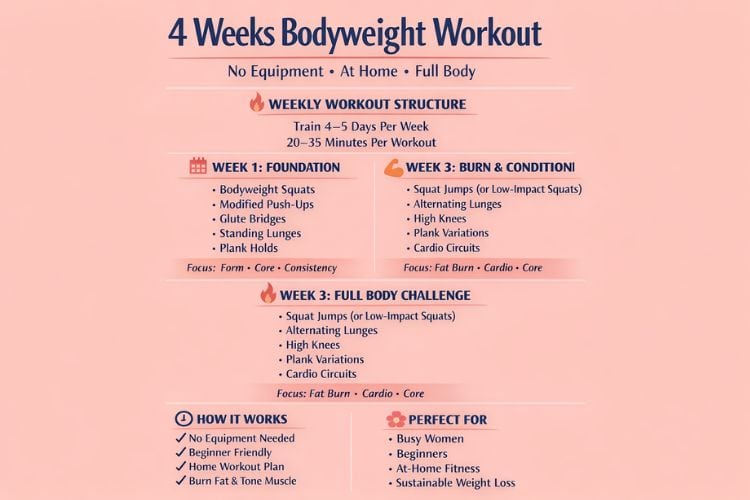

Committing to 30 minutes of cardio exercise a day is one of the simplest yet most powerful habits you can build for long-term health benefits, energy, and weight management. You don’t need fancy equipment, a gym membership, or hours of free time. Just half an hour of consistent cardiovascular movement can dramatically improve how your body feels, functions, and performs—both physically and mentally.
Whether your goal is weight loss, heart health, stress relief, or overall fitness, a daily 30-minute cardio workout strikes the perfect balance between effectiveness and sustainability. In this comprehensive guide, we’ll explore the science-backed benefits of doing cardio for 30 minutes a day, how it supports different fitness goals, and why this duration works so well for women of all ages and fitness levels.
A 30-minute cardio workout involves continuous or interval-based movement that elevates your heart rate and keeps it elevated for most of the session. Cardio—short for cardiovascular exercise—strengthens your heart and lungs while improving oxygen delivery throughout the body.
Common examples of 30-minute cardio workouts include brisk walking, jogging, cycling, swimming, dancing, jump rope, stair climbing, and bodyweight cardio circuits. You can also perform low-impact options like marching in place, step aerobics, or shadow boxing.
The key factor isn’t intensity alone—it’s consistent movement that challenges your cardiovascular system. You can break the workout into steady-state cardio or mix high- and low-intensity intervals depending on your fitness level and preferences.
Thirty minutes is widely considered the “sweet spot” for daily cardio because it’s long enough to produce measurable health benefits but short enough to fit into a busy lifestyle. Research consistently shows that moderate cardiovascular activity performed for at least 30 minutes improves heart health, metabolism, and mental well-being without overstressing the body.
This duration is especially effective because it allows your body to tap into fat stores, increase calorie burn, and stimulate cardiovascular adaptations while remaining realistic for long-term adherence. Consistency beats intensity every time, and a 30-minute routine is easier to maintain than longer sessions.
One of the most important benefits of a 30-minute cardio workout a day is improved heart health. Regular cardiovascular exercise strengthens the heart muscle, allowing it to pump blood more efficiently with each beat. Over time, this lowers resting heart rate and reduces strain on the cardiovascular system.
Daily cardio helps improve circulation, increases oxygen uptake, and enhances endurance. This means everyday tasks—like climbing stairs or carrying groceries—become easier and less tiring. Consistent cardio is also linked to lower blood pressure and improved cholesterol levels, reducing the risk of heart disease.
If the benefit of your goal is weight loss, a daily 30-minute cardio workout can be a powerful tool. Cardio burns calories during the workout and helps increase overall daily energy expenditure. When combined with proper nutrition, this creates the calorie deficit needed for fat loss.
Thirty minutes of moderate to high-intensity cardio can burn anywhere from 150 to 400 calories depending on the activity, intensity, and body weight. More importantly, regular cardio improves metabolic efficiency, helping your body become better at using fat as fuel.
Daily cardio also helps regulate appetite hormones and insulin sensitivity, making it easier to manage cravings and maintain steady energy levels throughout the day.
Many people assume cardio makes them tired, but in reality, regular cardio increases energy levels. A consistent 30-minute cardio routine benefit improves mitochondrial function—the part of your cells responsible for producing energy. This means your body becomes more efficient at generating fuel.
Over time, you may notice improved stamina, reduced fatigue, and better physical performance throughout the day. Morning cardio workouts can be especially effective for jumpstarting metabolism and improving mental alertness.
One of the most underrated benefits of daily cardio is its impact on mental health. Cardiovascular exercise triggers the release of endorphins—often called “feel-good hormones”—which help reduce stress, anxiety, and symptoms of depression.
Thirty minutes of cardio provides a mental reset, allowing you to clear your mind and disconnect from daily stressors. It also helps regulate cortisol levels, the hormone associated with chronic stress and fat storage.
Regular cardio is linked to improved mood stability, better emotional resilience, and increased feelings of confidence and accomplishment.
If you struggle with falling asleep or staying asleep, adding a 30-minute cardio workout to your daily routine may help. Cardiovascular exercise helps regulate circadian rhythms and promotes deeper, more restorative sleep.
Daily movement improves sleep onset and sleep duration by reducing stress, balancing hormones, and increasing physical fatigue in a healthy way. Many people report falling asleep faster and waking up feeling more refreshed when they consistently perform cardio.
For best results, try completing your workout earlier in the day or at least a few hours before bedtime.
Regular cardio exercise supports a healthier immune system by improving circulation and helping immune cells move more efficiently throughout the body. A daily 30-minute cardio session can reduce inflammation and increase your body’s ability to fight infections.
Moderate-intensity cardio has been shown to lower the risk of chronic illness and reduce the frequency of colds and minor infections. The key is moderation—30 minutes a day supports immune health without causing excessive physical stress.
Cardio exercise plays a major role in regulating blood sugar levels. A daily 30-minute cardio workout helps muscles use glucose more efficiently, improving insulin sensitivity and reducing blood sugar spikes.
This benefit is especially important for individuals managing insulin resistance, prediabetes, or type 2 diabetes. Consistent cardio helps stabilize energy levels and reduces post-meal blood sugar fluctuations.
Even light to moderate cardio like brisk walking can produce noticeable improvements when done consistently.
For women, daily cardio can help regulate hormones and reduce symptoms associated with hormonal fluctuations. A consistent 30-minute cardio routine may support healthier menstrual cycles, reduce PMS symptoms, and improve mood stability.
Cardio also helps balance cortisol and estrogen levels when performed at moderate intensity. This is especially beneficial for women dealing with stress-related fatigue, hormonal weight gain, or mood swings.
The key is choosing the right intensity—moderate cardio most days, with higher-intensity sessions added strategically.
Cardio workouts challenge your respiratory system, improving lung capacity and breathing efficiency over time. With daily 30-minute sessions, your lungs become better at delivering oxygen to working muscles.
Improved respiratory fitness means you can exercise longer with less effort and recover more quickly between activities. This also benefits everyday movements, making physical tasks feel easier and less exhausting.
One of the greatest long-term benefits of a 30-minute cardio workout a day is habit formation. Thirty minutes feels achievable, even on busy days, making it easier to stay consistent.
Consistency is the foundation of fitness success. A routine that feels manageable is far more effective than sporadic intense workouts. Over time, daily cardio becomes a natural part of your lifestyle rather than a chore.
This consistency leads to cumulative health benefits that compound over weeks, months, and years.
Daily cardio exercise is associated with a lower risk of numerous chronic conditions, including heart disease, stroke, obesity, metabolic syndrome, and certain types of cancer.
Thirty minutes of cardiovascular activity improves vascular health, reduces systemic inflammation, and supports healthy body composition. These protective effects make cardio one of the most powerful preventive tools available.
When performed with proper technique and appropriate intensity, cardio helps maintain joint mobility and flexibility. Low-impact cardio options like walking, cycling, or elliptical training improve blood flow to joints and support connective tissue health.
Daily movement helps reduce stiffness, especially for individuals who spend long hours sitting. Over time, improved mobility translates to better posture, balance, and overall movement quality.
Regular cardio workouts help improve body awareness and self-confidence. As your endurance improves, you’ll notice your body becoming stronger, more capable, and more resilient.
Completing a 30-minute workout each day builds a sense of accomplishment and reinforces a positive relationship with exercise. This confidence often carries over into other areas of life, supporting mental and emotional well-being.
One of the biggest advantages of a 30-minute cardio workout is its flexibility. Beginners can start with low-impact options like walking or cycling, while advanced exercisers can increase intensity with intervals or plyometrics.
You can modify speed, resistance, and movement patterns to match your fitness level, making this approach suitable for all ages. As your fitness improves, your workouts can evolve without increasing duration.
Unlike excessive daily workouts that can lead to burnout or injury, 30 minutes of cardio strikes a healthy balance. It provides enough stimulus to improve fitness while allowing adequate recovery.
This makes daily cardio sustainable long-term, especially when paired with rest days or lower-intensity sessions as needed.
To maximize results, focus on consistency, proper intensity, and variety. Aim for a pace that challenges you while still allowing controlled breathing. Mixing steady-state cardio with interval-based sessions can enhance fat loss and cardiovascular fitness.
Staying hydrated, warming up properly, and cooling down after each session will also improve performance and recovery.
The benefits of a 30-minute cardio workout a day go far beyond calorie burning. This simple daily habit improves heart health, supports weight management, boosts mental clarity, balances hormones, and enhances overall quality of life.
By committing to just half an hour of consistent cardiovascular movement, you invest in long-term health, energy, and confidence. Whether done at home, outdoors, or at the gym, daily cardio is one of the most effective and sustainable fitness strategies available.
If you’re looking for a routine that delivers results without overwhelming your schedule, 30 minutes of cardio a day is a powerful place to start—and a habit worth keeping for life.
For readers looking to complement their daily 30-Minute Cardio Workout, Women’s Fit Club offers a wealth of related routines and fitness resources that help you stay motivated and reach your health goals. From a dynamic 30-Minute Low-Impact Full Body Workout For Strength & Cardio that’s gentle on your joints and ideal for beginners to a 30-Minute Full Body HIIT Workout For Fat Loss And Strength that maximizes calories burned in a short time, there’s a workout for every fitness level. You can also explore our efficient Muscle-Building Dumbbell Workout to boost strength alongside your cardio routine, or check out practical Beginner Cardio Workout Routines to help you ease into consistent aerobic training. For variety and full-body conditioning, our 30-Minute Strength And Cardio Fat Burn Workout is another excellent option to keep your fitness journey challenging and fun.
Stay up to date on the latest women’s health, fitness and lifestyle trends and tips.
