


Sign up for workout ideas, training advice, reviews of the latest gear and more.

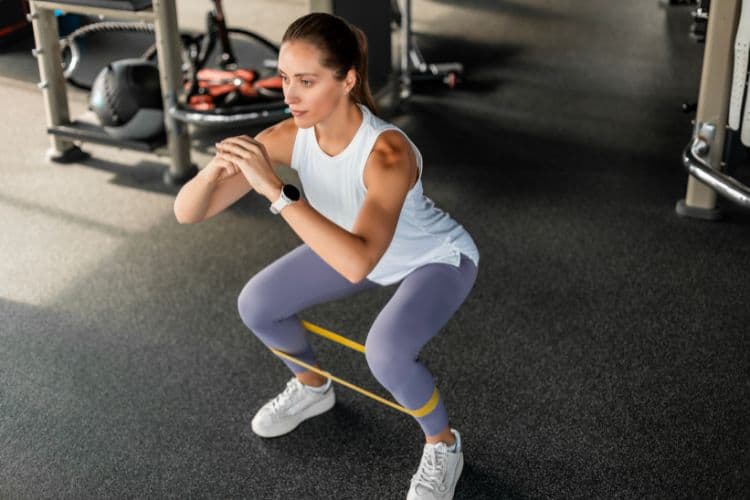
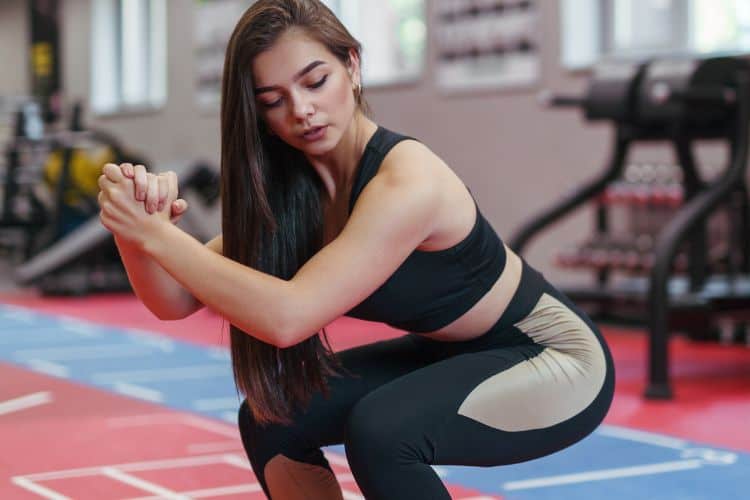
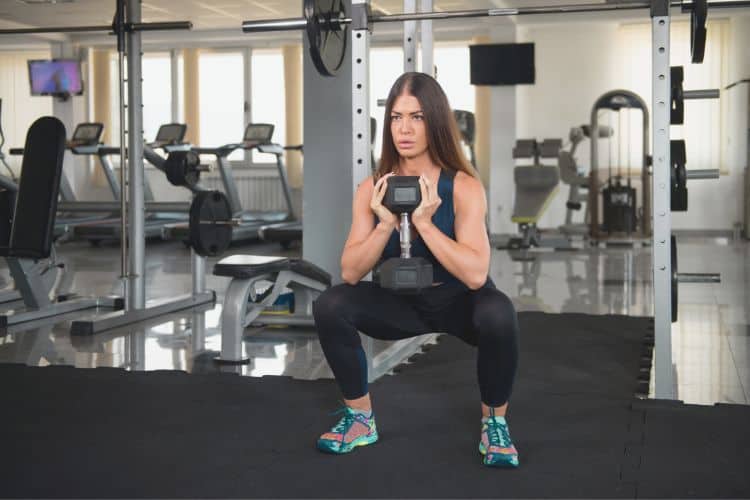
Building strong, toned glutes doesn’t require fancy machines or hours in the gym. A well-structured 20-minute glute workout with dumbbells only can deliver powerful results when done consistently and with proper form. Whether your goal is muscle growth, strength, fat loss, or overall lower-body definition, dumbbells offer a simple yet highly effective way to train your glutes at home or in the gym.
This workout focuses on targeted glute activation, compound lower-body movements, and progressive overload principles that help you maximize results in minimal time. If you’re short on time but still want an intense, results-driven session, this 20-minute dumbbell glute workout is designed for you.
Dumbbells are one of the most versatile tools for glute training. They allow you to load movements safely, improve muscle balance, and challenge your stabilizer muscles without relying on machines.
Training your glutes with dumbbells provides several advantages:
Because dumbbells require more control than machines, they also engage your core and stabilizing muscles, making every rep more effective.
Although this workout emphasizes the glutes, several supporting muscles are also activated.
This combination makes the workout efficient and functional, improving both strength and movement quality.
Time efficiency is key. This workout uses smart exercise sequencing to fully fatigue the glutes without unnecessary rest or wasted movements.
Using controlled tempos and proper loading ensures the glutes are doing the majority of the work.
Warming up is essential for activating your glutes and reducing injury risk.
Focus on squeezing your glutes at the top of each movement. This primes your muscles for heavier dumbbell work.
This workout is designed to be performed as straight sets or controlled circuits, depending on your fitness level.
The dumbbell squat is a foundational movement that targets the glutes through deep hip flexion.
How to perform:
Hold one or two dumbbells, sit your hips back, and squat until your thighs are parallel or lower. Drive through your heels to stand.
Why it works:
The deeper the squat, the more glute engagement you achieve, especially when using controlled tempo.
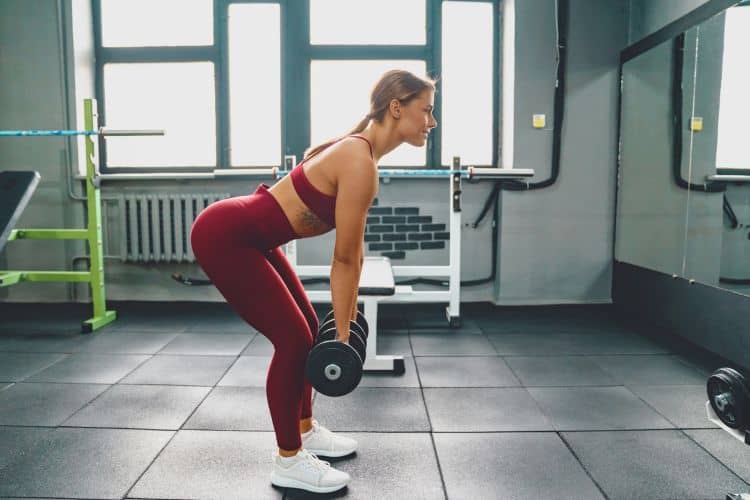
This exercise heavily targets the glutes and hamstrings while teaching proper hip hinge mechanics.
How to perform:
Hold dumbbells in front of your thighs, hinge at the hips, lower the weights while keeping your back flat, then squeeze your glutes to return upright.
Why it works:
RDLs place constant tension on the glutes, making them ideal for muscle growth.
Reverse lunges are easier on the knees while still delivering excellent glute activation.
How to perform:
Step one foot back into a lunge, lower under control, then push through the front heel to return to standing.
Why it works:
The backward step shifts emphasis to the glutes rather than the quads.
This movement isolates the glutes and allows you to load them effectively with dumbbells.
How to perform:
Place a dumbbell across your hips, push through your heels, and squeeze your glutes at the top.
Why it works:
Hip thrust patterns generate high glute activation, especially during the lockout phase.
This unilateral exercise challenges balance, strength, and glute engagement.
How to perform:
Place one foot behind you on a bench or chair, lower into a squat, then drive through the front heel to stand.
Why it works:
Single-leg work forces each glute to work independently, improving symmetry and strength.
Perform each exercise for 3 sets, resting 30–45 seconds between sets.
If time is limited, perform the workout as a circuit and repeat 2–3 times.
Choosing the right weight is crucial for glute development.
Progressive overload—gradually increasing weight or reps over time—is essential for building stronger glutes.
Avoiding these mistakes will help you get more out of every workout.
Moving too fast reduces time under tension, limiting muscle growth.
Actively squeeze your glutes at the top of each rep to maximize activation.
Excessive load often leads to poor form and shifts work away from the glutes.
Consistency is key for results.
This approach promotes recovery while still driving progress.
Absolutely. While barbells and machines can be helpful, dumbbells alone are more than enough to build strong, sculpted glutes when workouts are programmed correctly.
The key is consistency, proper loading, and intentional glute engagement.
Maximize your progress with these simple strategies.
Think about squeezing your glutes during every rep.
Lower the weight slowly and drive up with power.
Adequate protein and calories support muscle growth and recovery.
This workout is ideal for:
The structure is flexible and can be scaled by adjusting weight, reps, or rest time.
A 20-minute glute workout with dumbbells only proves that you don’t need complicated equipment or long gym sessions to build strength and shape your lower body. By focusing on effective compound movements, proper form, and progressive overload, you can achieve impressive results with minimal time investment.
Stick to this workout consistently, challenge yourself with heavier dumbbells as you get stronger, and prioritize recovery. Strong glutes support better posture, improved athletic performance, and long-term joint health—making them one of the most valuable muscle groups to train.
If you stay consistent and intentional, 20 minutes is more than enough to transform your glutes.
For women looking to maximize their fitness results, combining targeted lower-body training with broader strength routines can supercharge your progress. After completing this 20-minute dumbbell glute workout, you might also enjoy our 20-Minute Full Body Dumbbell Workout: Build Strength & Burn Fat for a total-body session that fits into busy schedules. If you’re aiming for intense calorie burn and conditioning, check out the 20-Minute Full Body Dumbbell HIIT Workout for Women for a high-intensity option that complements glute-focused days. For those working on broader strength goals, our 3-Day Dumbbell Workout Plan: 30-Minute Full Body Training Guide provides a structured weekly routine to build strength and lean muscle. And if you’re balancing fitness with weight management, be sure to visit our Weight Loss section for tips on pairing effective workouts with nutrition. Finally, if you’re seeking more diverse routines, explore our Best Workout Programs For Women.
Stay up to date on the latest women’s health, fitness and lifestyle trends and tips.
