


Sign up for workout ideas, training advice, reviews of the latest gear and more.


Staying active during pregnancy is one of the most powerful things you can do for both your body and your growing baby. A well-designed full body prenatal workout helps maintain strength, improve circulation, reduce common pregnancy discomforts, and prepare your body for labor and postpartum recovery. Contrary to outdated myths, exercise during pregnancy is not only safe for most women—it is strongly encouraged by healthcare professionals when done correctly.
This comprehensive guide breaks down everything you need to know about prenatal exercise, including safety guidelines, trimester-specific modifications, and a complete full body prenatal workout you can follow at home. Whether you are newly pregnant or well into your third trimester, this article will help you move with confidence and care.
Pregnancy places unique demands on the body. As your center of gravity shifts and hormones loosen your joints, maintaining balanced strength becomes essential. A full body prenatal workout targets all major muscle groups—legs, glutes, core, back, chest, and arms—while supporting posture, stability, and functional movement.
Rather than isolating muscles, full body workouts encourage coordination and muscular balance, which helps reduce strain on the lower back, hips, and pelvis. When performed consistently, prenatal exercise can improve endurance, decrease fatigue, and support overall physical and mental well-being throughout pregnancy.
Regular prenatal exercise offers wide-ranging benefits that extend far beyond physical fitness.
A structured prenatal workout improves circulation, reduces swelling, strengthens postural muscles, and supports healthy weight gain. Strength training helps counteract muscle imbalances caused by pregnancy posture, while gentle cardio improves heart health and stamina.
Exercise releases endorphins, which can reduce stress, anxiety, and pregnancy-related mood swings. Many women report improved sleep quality and increased confidence when they stay active during pregnancy.
Stronger muscles and better endurance may help during labor and delivery. Maintaining fitness during pregnancy also supports faster postpartum recovery, making it easier to return to daily activities after birth.
Before beginning any prenatal workout program, it is essential to follow safety guidelines to protect both you and your baby.
Always consult your healthcare provider before starting or continuing an exercise routine during pregnancy, especially if you have medical conditions such as high blood pressure, gestational diabetes, or a history of pregnancy complications.
Pregnancy is not the time to push through pain or extreme fatigue. Use the “talk test”—you should be able to hold a conversation while exercising. If you feel dizzy, short of breath, or experience pain, stop immediately.
Avoid exercises that involve lying flat on your back after the first trimester, high-impact movements, deep twisting, breath holding, or any activity with a high risk of falling.
Slow, controlled movements are safer and more effective than fast or explosive exercises. Prioritize good form and breathing over intensity.
Each trimester brings different physical changes, and your workout should evolve accordingly.
During the first trimester, fatigue and nausea are common. Focus on gentle strength training, walking, and mobility work. Keep workouts short and prioritize consistency over intensity.
This is often the most comfortable time to exercise. Energy levels typically improve, making it ideal for building strength and endurance. Core stability, glute strength, and posture work are especially important during this stage.
As your belly grows, balance and mobility may become more challenging. Emphasize slow, supportive movements, pelvic floor engagement, and breathing exercises. Reduce range of motion if needed and take longer rest periods.
A proper warm-up prepares your body for movement and reduces the risk of injury. Spend 5–8 minutes performing gentle dynamic movements.
March in place to increase circulation and gently elevate heart rate. Follow with arm circles, shoulder rolls, and neck mobility exercises to release tension. Hip circles and gentle bodyweight squats help warm the lower body while promoting pelvic mobility.
Focus on deep, steady breathing throughout the warm-up to activate the diaphragm and support core stability.
This full body prenatal workout is designed to be low-impact, joint-friendly, and adaptable for all fitness levels. Perform each exercise with control, focusing on posture and breathing.
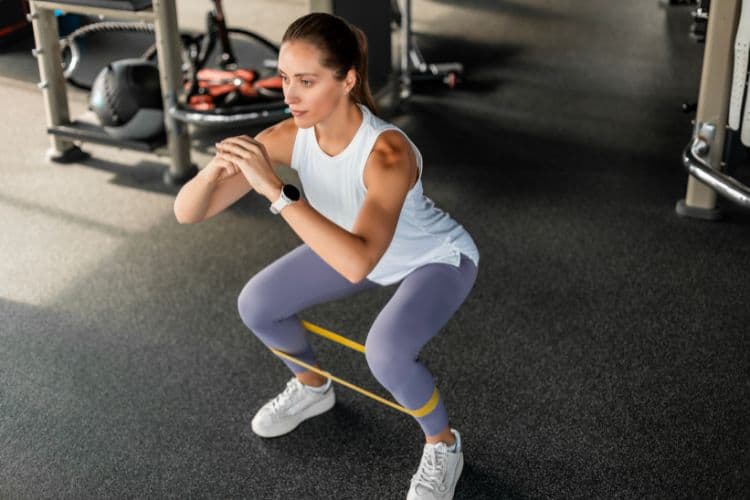
Squats strengthen the glutes, quadriceps, and pelvic floor while promoting functional movement patterns. Stand with feet slightly wider than hip-width, lower into a squat while keeping your chest lifted, and exhale as you stand back up.
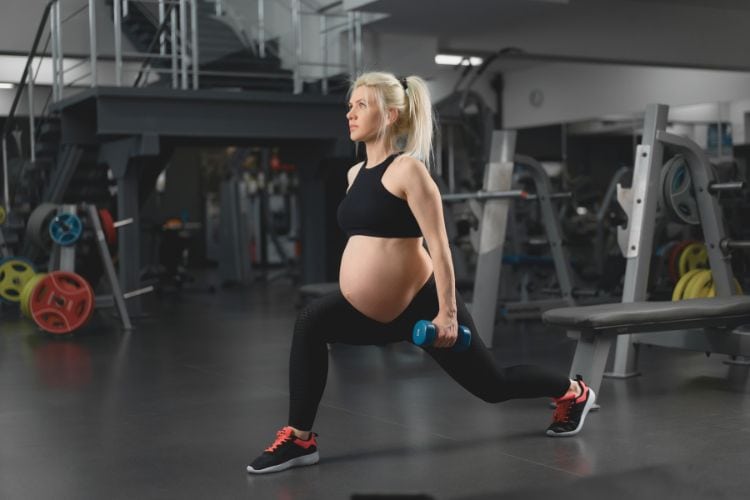
Reverse lunges are safer for balance than forward lunges. Step one foot back, lower gently, and return to standing. Use a chair or wall for support if needed.
Strengthening the chest and shoulders helps support posture as breast size increases. Press forward with control while keeping shoulders relaxed and core engaged.
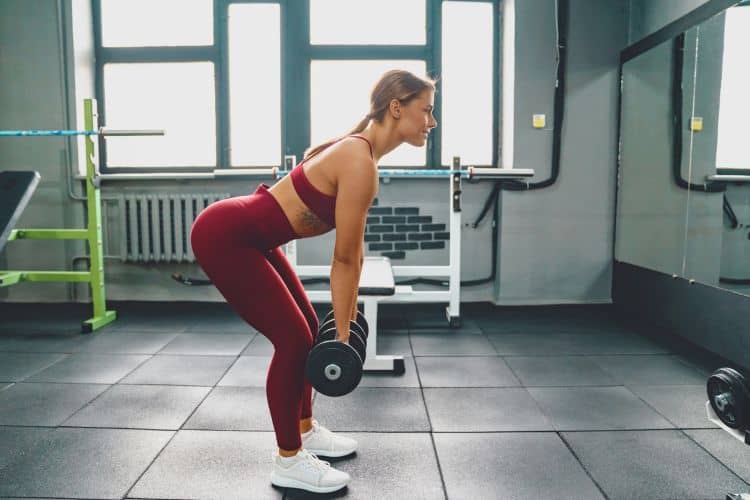
Rows strengthen the upper back and counteract rounded posture. Hinge at the hips with a neutral spine and pull weights or bands toward your ribcage.
This anti-rotation exercise strengthens deep core muscles without crunching. Hold a resistance band at chest height and press forward while resisting rotation.
Side-lying exercises strengthen the hips and glutes while remaining pregnancy-safe. Keep movements slow and controlled.
End your workout with 3–5 minutes of gentle cardio such as marching in place or side step-outs to promote circulation without overexertion.
A full body prenatal workout typically lasts between 20 and 40 minutes, depending on energy levels and trimester. Shorter workouts done consistently are more beneficial than long, infrequent sessions.
Aim for 2–4 strength workouts per week, combined with light daily movement such as walking or stretching.
Core training during pregnancy should focus on stability rather than intensity. The goal is to support the spine, pelvis, and growing uterus—not to achieve flat abs.
Pelvic floor muscles play a crucial role during pregnancy and childbirth. Gentle contractions and relaxations, coordinated with breathing, help maintain strength and function.
Exhale during exertion and avoid breath holding. Diaphragmatic breathing supports core engagement and reduces pressure on the pelvic floor.
Many women unintentionally compromise safety by following non-pregnancy-specific routines.
Avoid exercises that cause abdominal doming or coning, which can indicate excessive pressure on the core. Skip high-impact movements such as jumping, running sprints, or heavy lifting without professional guidance. Most importantly, avoid comparing your pregnancy workouts to your pre-pregnancy fitness level.
Your body will change from week to week, and flexibility in your routine is essential. Reduce range of motion as your belly grows, widen your stance for balance, and increase rest periods when needed.
Using props such as chairs, walls, or resistance bands can make exercises safer and more comfortable, especially in the third trimester.
Cooling down helps lower your heart rate gradually and promotes recovery.
Gentle stretches for the hips, hamstrings, calves, chest, and upper back can relieve tension. Focus on slow breathing and relaxation rather than deep stretching.
Avoid overstretching, as pregnancy hormones increase joint laxity.
Absolutely. Prenatal workouts are ideal for beginners because they emphasize foundational strength, mobility, and functional movement. If you are new to exercise, start with bodyweight movements and short sessions, gradually increasing duration as your confidence grows.
Consistency matters more than intensity, especially during pregnancy.
A well-structured full body prenatal workout supports strength, mobility, and confidence throughout pregnancy. When done safely, prenatal exercise enhances physical comfort, mental well-being, and overall quality of life for expecting mothers.
Every pregnancy is unique, and your workout routine should adapt to your body’s needs at each stage. By prioritizing proper form, controlled movement, and mindful breathing, you can stay active and strong while honoring the incredible changes your body is undergoing.
If you are unsure about any exercise, consult a prenatal fitness professional or healthcare provider. With the right approach, prenatal workouts can be one of the most empowering parts of your pregnancy journey.
When planning your full body prenatal workout, it’s important to complement strength training with supportive movement and lifestyle practices found across Women’s Fit Club. Incorporate gentle, safe exercises like prenatal yoga to improve flexibility and stress relief — many foundational yoga moves can be found in our guide on The Best Yoga Workout For Women tailored to all fitness levels including pregnancy. For balanced strength beyond your pregnancy routine, our 10 Best Strength Workouts For Women offers low-impact options that build lean muscle without strain. Pairing your workouts with Low-Impact Exercise Workouts ensures joint-friendly cardio and mobility throughout pregnancy and postpartum. Expecting moms should also explore our general Best Strength Training Program For Women to adapt safe techniques that maintain overall fitness during life stages. And once your baby arrives, the Best Workout Programs For Women section helps you transition into gentle postnatal recovery and full-body rebuilding at your pace
Stay up to date on the latest women’s health, fitness and lifestyle trends and tips.
