


Sign up for workout ideas, training advice, reviews of the latest gear and more.

Starting a fitness routine can feel overwhelming, especially if you’re new to exercise or returning after time off. The good news is that you don’t need a gym membership, fancy equipment, or years of experience to build strength, improve endurance, and boost confidence. A 45 minute beginner bodyweight workout circuit is one of the most effective, accessible, and sustainable ways to train your entire body while learning proper movement patterns at your own pace.
This workout style combines simple exercises, controlled intensity, and structured rest to help beginners improve fitness safely. Whether your goal is weight loss, muscle tone, cardiovascular health, or simply moving more consistently, this full-body circuit provides a balanced approach that works for almost everyone.
A 45-minute workout is long enough to create meaningful physical adaptations without pushing beginners into exhaustion. Bodyweight circuits are especially effective because they use natural movement patterns that improve strength, mobility, balance, and coordination at the same time.
Unlike short workouts that may focus only on cardio or strength, a 45-minute circuit allows time for a proper warm-up, multiple training rounds, and a thorough cool-down. This structure supports injury prevention while encouraging long-term adherence.
Bodyweight training also removes common barriers such as gym intimidation, lack of equipment, or travel constraints. You can complete this workout anywhere, making consistency easier and more realistic.
This beginner bodyweight workout circuit is designed for:
Every exercise can be modified to match your current fitness level, allowing you to move safely while still feeling challenged.
This workout follows a simple and beginner-friendly format:
Each exercise is performed for time rather than reps, making it easier for beginners to focus on form and breathing instead of counting.
A proper warm-up increases blood flow to the muscles, raises body temperature, and prepares joints for movement. For beginners, warming up is essential to reduce soreness, improve coordination, and lower the risk of injury.
Start with gentle, controlled movements that gradually increase intensity:
Move continuously but comfortably, focusing on smooth transitions and steady breathing.
The main workout consists of three full-body circuits. Each circuit includes foundational movements that target the legs, glutes, core, upper body, and cardiovascular system.
Workout format:
This structure keeps the workout engaging while allowing beginners to recover properly.
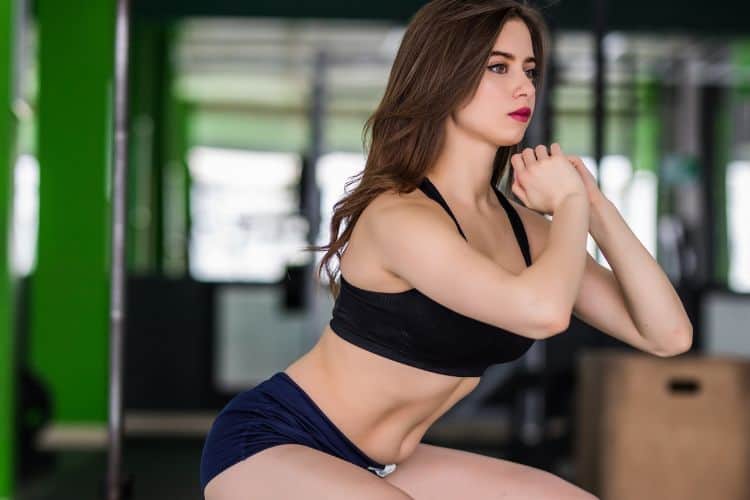
Bodyweight squats strengthen the legs and glutes while reinforcing proper movement mechanics. They also help improve balance and mobility.
Focus on sitting back into your hips, keeping your chest upright, and pressing through your heels. Beginners can limit depth or use a chair for support if needed.
Wall push-ups are a perfect upper-body exercise for beginners. They build strength in the chest, shoulders, and arms without placing excessive stress on the joints.
Stand an arm’s length from a wall, place your hands at chest height, and lower your body slowly before pressing back up. As strength improves, this movement can progress to incline or floor push-ups.
Reverse lunges are easier on the knees than forward lunges and help build lower-body strength and stability.
Step one foot back, lower your body with control, and return to standing. Alternate sides and focus on keeping your front knee aligned with your toes.
This exercise activates the core while gently elevating the heart rate. It’s beginner-friendly and improves balance and coordination.
Lift one knee at a time toward your chest while engaging your abdominal muscles. Move slowly and use a wall or chair for balance if needed.
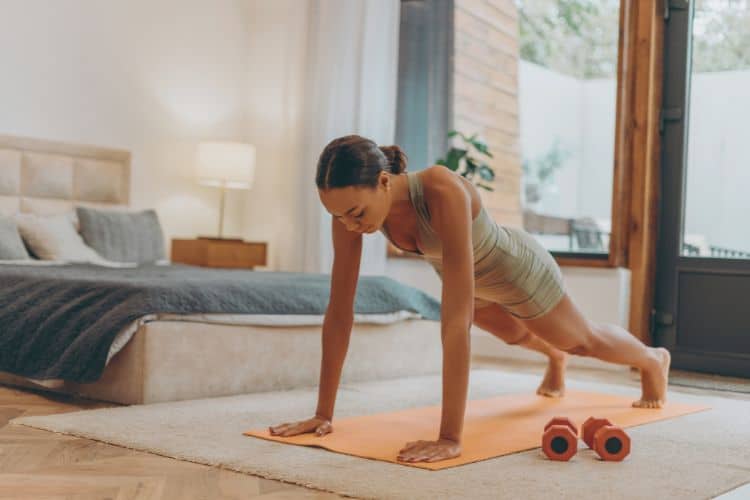
The plank strengthens the entire core, shoulders, and back. Beginners can perform this movement on the knees or against an elevated surface.
Hold a strong, straight line from shoulders to hips while breathing steadily. Quality matters more than duration.
This low-impact burpee variation introduces full-body movement without jumping. Step back into a plank, step forward, and stand tall.
This exercise builds cardiovascular endurance while teaching coordination and control.
Glute bridges strengthen the hips, glutes, and lower back, which are essential for posture and daily movement.
Lie on your back with knees bent, feet flat on the floor, and lift your hips by squeezing your glutes. Pause briefly at the top before lowering.
Standing punches add light cardio and upper-body engagement without high impact. They also improve coordination and core activation.
Punch straight ahead with controlled movements, keeping your core engaged and shoulders relaxed.
Once this workout begins to feel manageable, progression is key to continued improvement. Beginners can progress by:
Progress should feel challenging but sustainable, not exhausting.
For most beginners, performing this 45 minute bodyweight workout circuit 2–4 times per week is ideal. Rest days allow muscles to recover and adapt, which is just as important as training itself.
On non-workout days, light walking or mobility exercises can support recovery and overall health.
This workout trains every major muscle group using natural movement patterns. Over time, beginners build strength evenly, reducing the risk of imbalances and injuries.
The circuit format keeps the heart rate elevated without overwhelming intensity. This improves endurance, circulation, and overall heart health.
Bodyweight exercises encourage joint movement through natural ranges of motion, improving flexibility and stability for daily activities.
Beginners often struggle with confidence. Mastering bodyweight movements builds self-trust and motivation, making long-term fitness more achievable.
Many beginners unknowingly slow their progress by:
Listening to your body and prioritizing quality movement will lead to better results over time.
Cooling down helps lower heart rate gradually, reduces muscle stiffness, and supports recovery. For beginners, it also reinforces body awareness and relaxation.
Finish your workout with gentle stretching:
Move slowly and breathe deeply to signal your body that the workout is complete.
A 45 minute beginner bodyweight workout circuit is one of the most effective ways to start a fitness journey. It builds strength, improves endurance, and teaches proper movement without overwhelming the body or mind. Because it requires no equipment and minimal space, it fits seamlessly into busy schedules and real-life routines.
Consistency, patience, and gradual progression are the keys to success. By committing to a structured beginner circuit like this, you create a strong foundation that supports long-term health, confidence, and physical independence.
If you’re ready to move your body, build strength, and feel better every day, this beginner bodyweight circuit is the perfect place to start.
Looking to expand your fitness journey beyond this 45 Minute Beginner Bodyweight Workout Circuit? Be sure to check out related resources on Women’s Fit Club that complement your no-equipment training plan. If you want to build a foundation of effective movements before diving into longer circuits, start with Best Full Body Bodyweight Exercise For Women to master essential strength patterns at home. Once you’ve got bodyweight basics down, you can challenge yourself with our 30-Minute Bodyweight Workout Challenge: A Full-Body Routine for more endurance and variety. For readers interested in maximizing results with minimal time, the 20 Minute EMOM Bodyweight Workout for a Full-Body Burn offers a quick alternative you can repeat throughout the week. Want to mix in resistance training later? Our 30-Minute Full Body Metabolic Resistance Training Workout blends strength and cardio effectively, and for beginners new to strength training altogether, Strength Training for Beginners: Your Essential 10-Minute Start provides foundational guidance to support your fitness progression.
Stay up to date on the latest women’s health, fitness and lifestyle trends and tips.
