


Sign up for workout ideas, training advice, reviews of the latest gear and more.


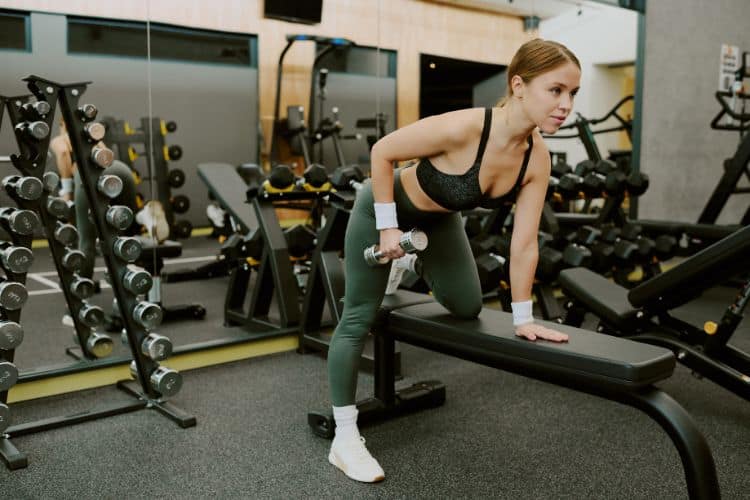
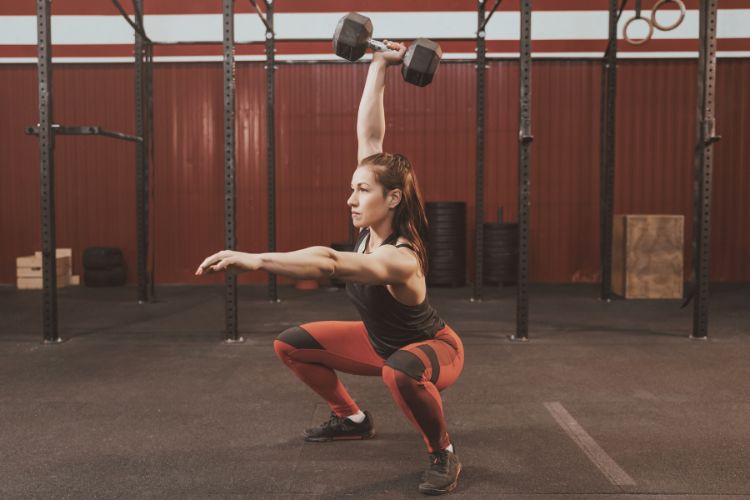
A calisthenics push day workout is one of the most effective ways to develop upper-body strength, lean muscle, and athletic definition using nothing but your own bodyweight. Whether you train at home, outdoors, or in a minimalist gym, push day calisthenics targets your chest, shoulders, triceps, and core while improving mobility, joint stability, and muscular endurance.
Unlike traditional weightlifting routines, calisthenics builds strength through natural movement patterns. You’re not just pushing weight — you’re controlling your entire body, which increases functional strength and helps prevent imbalances.
In this guide, you’ll learn exactly how to structure the best calisthenics push day workout routine, including warm-ups, beginner to advanced exercises, sets and reps, progression strategies, and recovery tips so you can get stronger week after week.
A push day in calisthenics focuses on movements where you push your body away from the ground or away from support. These exercises primarily train:
Common push movements include push-ups, dips, pike presses, and handstand progressions.
A dedicated push day allows you to fully fatigue these muscle groups, maximize hypertrophy, and improve pressing strength — all without equipment.
A properly programmed calisthenics push day offers far more than aesthetic results.
Bodyweight pushing exercises create constant tension through long ranges of motion, making them excellent for chest, shoulder, and triceps development.
Calisthenics strengthens supporting muscles around your shoulders and elbows, helping reduce injury risk and improving long-term joint health.
Almost every push movement requires core engagement, giving you bonus abdominal activation without separate core work.
Instead of isolated machines, calisthenics teaches your body to move as one coordinated unit.
No gym required — all you need is floor space and possibly parallel bars or a sturdy chair.
Most people do best with 1–2 push days per week, depending on recovery and overall split.
Popular weekly structures include:
Allow at least 48 hours before training pushing muscles again.
Never skip your warm-up. It prepares your shoulders, elbows, wrists, and chest for loading.
Start with:
Once you feel warm and mobile, you’re ready to train.
This routine is structured for strength and muscle growth while remaining scalable for all levels.
Perform 3–4 total rounds. Rest 60–90 seconds between sets.
The foundation of every calisthenics push workout. Keep your core tight, elbows at roughly 45 degrees, and chest leading the movement.
Progression: elevate feet for decline push-ups
Regression: drop to knees or use incline push-ups
Dips heavily target the triceps while also activating the chest and shoulders. Keep your shoulders down and chest tall.
This is your shoulder builder. Pike push-ups mimic overhead pressing and prepare you for handstand push-ups.
Hands under shoulders, elbows tight to your sides. This variation emphasizes the triceps and inner chest.
Choose 1–2 of the following:
Finishers push your nervous system and spark extra hypertrophy.
If you’re new to bodyweight training, start here:
Focus on perfect form and gradual progression.
Once basic push-ups feel easy:
Add tempo control (3 seconds down) for extra intensity.
Advanced athletes can rotate in:
Work in lower rep ranges (4–8) with strict form.
Muscle growth requires progression.
Each week aim to:
Track workouts just like you would with weights.
Finish every push day with:
Hold each for 20–40 seconds to improve recovery and mobility.
Control every rep for maximum muscle activation.
Many people overtrain chest while undertraining shoulders. Pike work balances your physique.
Cold shoulders are injury-prone shoulders.
A loose core reduces strength transfer and increases lower-back strain.
To support muscle growth:
Calisthenics still demands recovery fuel.
Here’s a simple structure:
Day 1: Push
Day 2: Pull
Day 3: Legs + Core
Day 4: Rest or active recovery
Day 5: Push
Day 6: Full Body
Day 7: Rest
This allows two push sessions weekly for faster progress.
The best calisthenics push day workout routine builds real-world strength, lean muscle, and shoulder stability without machines or heavy weights. With consistent training, progressive overload, and proper recovery, you’ll notice stronger arms, broader shoulders, a firmer chest, and improved posture — all from mastering your own bodyweight.
Whether you’re training at home or outdoors, calisthenics push workouts give you freedom, flexibility, and results that last.
Start with the basics, stay consistent, and let your strength grow naturally.
To complement your calisthenics push day workout routine, be sure to check out other valuable resources on Women’s Fit Club that support balanced bodyweight training and progression. For foundational bodyweight strength movements, see our guide on Top Calisthenics Exercises For Total Body Fitness, which breaks down essential movements including push-ups that directly enhance your push day performance. If you’re following a structured progression, the 30-Day Calisthenics Workout Plan For Women offers weekly routines with upper-body focus days to build strength safely. For a more comprehensive split that includes push-focused days as part of a full schedule, explore the Ultimate 4-Day Calisthenics Workout Plan For Strength And Muscle. To vary your training phases, our Transform Your Body With This 2-Week Calisthenics Workout Plan gives a shorter but intense cycle perfect for intermediate training phases. And to strengthen core support, don’t miss our Best Lower Ab Workout Guide For Women.
Stay up to date on the latest women’s health, fitness and lifestyle trends and tips.
