



Sign up for workout ideas, training advice, reviews of the latest gear and more.



Coffee is one of the most consumed beverages in the world—and also one of the most debated when it comes to weight loss. Many women wonder whether that morning cup of coffee can genuinely boost fat burning, increase metabolism, or help with overall weight management. The short answer? Drinking Coffee can help you lose weight, but only under the right circumstances. It is not a magic solution, but it can positively influence appetite, metabolism, energy, and fat oxidation when consumed strategically.
In this comprehensive guide, we break down the research, benefits, myths, and best practices so you know exactly how coffee fits into a healthy lifestyle and weight-management routine.
The relationship between coffee and weight loss is grounded in how caffeine interacts with metabolism, thermogenesis, fat oxidation, appetite, and performance. Coffee alone won’t melt fat away, but it can enhance the processes that lead to fat loss.
Below, we explore the main science-backed mechanisms.
Caffeine is a natural stimulant that increases metabolic rate. Studies show it can temporarily boost calorie burn by 3–11%, and in some individuals up to 16%, especially during the first hour after consumption.
Why this matters:
This metabolic boost is one reason many fat-burning supplements rely on caffeine as a primary ingredient.
Caffeine stimulates the central nervous system by releasing catecholamines like epinephrine (adrenaline). This encourages your body to break down stored fat and release fatty acids into the bloodstream. This process is known as lipolysis.
When fat is released, your body can then use it as fuel—especially during workouts.
Another major benefit of coffee is how it boosts physical performance.
Caffeine increases:
It reduces the perception of effort, which means workouts feel easier, encouraging you to push harder or go longer.
This alone contributes massively to weight loss:
This makes coffee a popular pre-workout drink for women who don’t want artificial supplements.
For many women, a cup of black coffee in the morning can temporarily reduce hunger, helping with calorie control. This happens because caffeine suppresses the hormone ghrelin (the “hunger hormone”).
However, this effect varies greatly from person to person—and drinking coffee on an empty stomach may increase acid production, so it’s best to assess how your body responds.
Caffeine increases dopamine and improves mood. When you’re in a better mood, you are more likely to stick to:
This indirect benefit can have a big impact on long-term fat loss.
Despite its benefits, coffee often gets credited with effects it does not have.
Some people believe drinking more coffee equals faster fat loss.
This is false.
Coffee supports the fat-loss process but does not directly melt fat. Without a caloric deficit, balanced diet, and active lifestyle, coffee alone won’t create weight loss.
Excessive caffeine leads to:
All of these can make weight loss harder, not easier.
More coffee ≠ more fat loss.
Genetics, tolerance levels, and metabolic type influence how you respond to caffeine. Some women experience stronger appetite suppression and energy boosts, while others feel more anxious or experience digestive sensitivity.
Listening to your body is essential.
Although coffee offers benefits, certain habits can sabotage your progress.
Many popular coffee drinks are calorie bombs disguised as beverages.
For example:
If your coffee is more like a dessert, it will not help you lose weight.
Caffeine disrupts sleep, and poor sleep increases:
These factors all contribute to weight gain.
General rule:
Avoid caffeine after 2:00 PM if you are sensitive to it.
Some women skip meals and try to survive on coffee alone. This creates:
Coffee is a helpful tool—not a meal replacement.
For certain individuals, drinking coffee without food can trigger:
If this happens to you, pair your coffee with a small snack or drink it after breakfast.
Studies suggest that 1–3 cups per day is the ideal range for healthy adults. This amount provides enough caffeine to boost metabolism and energy without overwhelming the body.
Here’s a quick guideline:
Aim for 200–400 mg of caffeine daily, depending on tolerance.
Timing matters more than most people think. Here’s the ideal schedule:
This reduces the risk of acid issues and spikes in stress hormones.
Coffee becomes a powerful fat-burning pre-workout booster when timed properly.
Great for productivity and maintaining energy—but avoid after 2 pm.
All coffee offers caffeine benefits, but certain types support weight loss better.
The best option.
Zero calories. Maximum fat-burning.
Higher in caffeine and smooth tasting.
Low-calorie, concentrated caffeine boost.
Espresso + hot water = flavorful, calorie-free, and satisfying.
Higher caffeine content than dark roast, making it slightly better for metabolism.
Instead of sugary creamers and syrups, choose healthier options.
Stabilizes blood sugar and reduces cravings.
Low calorie, creamy alternative.
Natural zero-calorie sweeteners.
Supports joints, hair, skin, nails, and satiety.
Boosts energy and fat metabolism—but high in calories, so avoid overuse.
Coffee works best when it’s part of a bigger routine.
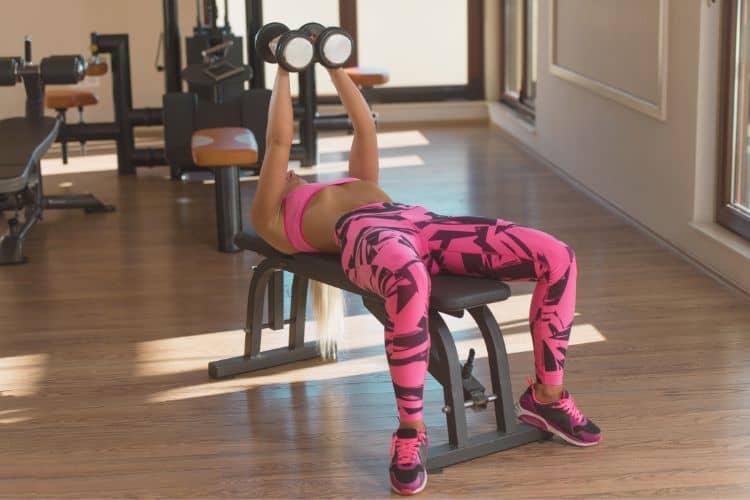
Drinking coffee before exercising enhances fat oxidation and energy expenditure.
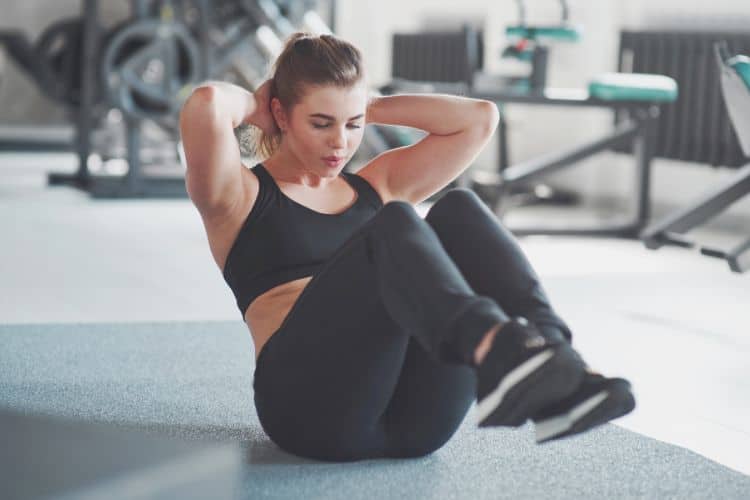
Best workouts to pair with coffee:
This combination accelerates fat loss significantly.
Coffee is not a substitute for healthy eating. Pair it with:
This stabilizes blood sugar, hormones, and appetite, making weight loss easier.
Caffeine can be slightly dehydrating. Drink water throughout the day to prevent fatigue, overeating, and bloating.
Coffee isn’t for everyone.
You may need to limit or avoid caffeine if you:
Your personal experience should guide your decision.
Yes—coffee can support weight loss, but it will only be effective alongside a balanced lifestyle. Caffeine boosts metabolism, increases fat burning, improves workout performance, suppresses appetite, and enhances mood.
However, drinking coffee alone will not cause fat loss without proper diet, movement, and sleep.
When used strategically—especially as a pre-workout tool—coffee is a powerful, natural, and accessible weight-loss enhancer.
To support your weight-loss journey beyond coffee, explore more resources on Women’s Fit Club. If you want structured fat-burning routines, try our 30-Minute Full Body Weight Loss Workout or boost your metabolism with a quick 20-Minute Full Body Dumbbell Weight Loss Workout. For women over 40 looking for targeted fat reduction, check out our 45 Minute Weight Loss Workouts for Women Shed Pounds & Tone. You can also pair your morning coffee with strength training using our Upper Body Workout for Women or build all-day calorie burn with our Full Body Dumbbell HIIT Workout.
Stay up to date on the latest women’s health, fitness and lifestyle trends and tips.
