



Sign up for workout ideas, training advice, reviews of the latest gear and more.




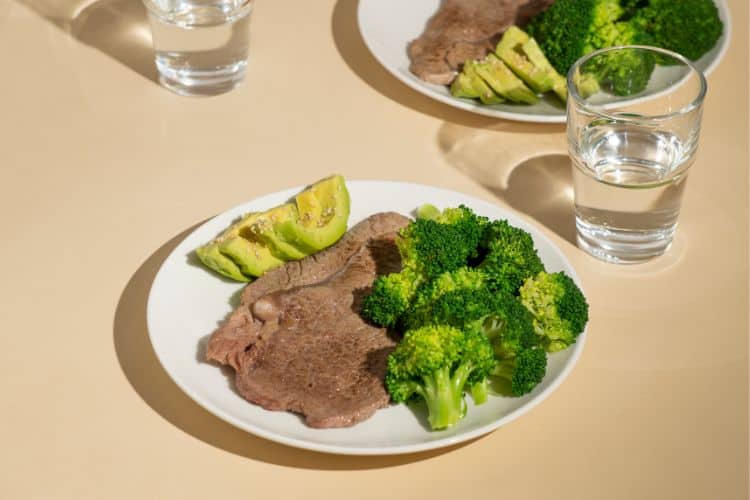
High-calorie meals often get labeled as “bad,” “off-limits,” or “diet destroyers,” especially for women striving to maintain a healthy lifestyle or lose weight. But the truth is more nuanced. A high-calorie meal isn’t automatically unhealthy—it all depends on how you balance it, what nutrients it contains, and the choices you make before and after eating it. Rather than feeling guilty or stressed, you can adopt a strategic approach that supports your metabolism, energy, hormone health, and long-term relationship with food.
This comprehensive guide will walk you through why high-calorie meals have a place in a balanced lifestyle, how to fit them into your day without derailing your goals, and practical steps to stay on track—especially for women over 40 experiencing hormonal shifts, metabolic changes, or new lifestyle demands.
Let’s dive into how to enjoy your favorite meals while still prioritizing health, weight management, and overall wellness.
High-calorie meals aren’t inherently unhealthy—they’re simply defined by containing a larger number of calories than your average daily meal. These calories can come from nutrient-dense foods (salmon, avocado, quinoa) or calorie-dense options (pasta Alfredo, burgers, desserts). The key is understanding what makes a high-calorie meal supportive or detrimental to your long-term health goals.
Not all calories are created equal. A 700-calorie grilled salmon bowl provides protein, omega-3s, fiber, vitamins, and minerals. Meanwhile, a 700-calorie serving of fries offers mostly refined carbs and unhealthy fats.
Here’s the difference:
Balancing your diet means knowing when to enjoy each type—and how to pair them with healthier choices.
As women enter their 40s, their metabolism naturally slows, muscle mass decreases, and hormones fluctuate. This can make weight loss or maintenance more challenging, especially when indulging in large or rich meals. However, restricting too heavily can also hurt energy levels, disrupt hormones, and increase cravings.
Learning to balance high-calorie meals helps you:
You don’t need to avoid high-calorie meals—you simply need a strategy. Your body thrives on consistency, but it also responds well to metabolic flexibility, which means shifting between larger and smaller meals without stress.
Instead of stressing about one meal, look at the bigger picture. A 900-calorie dinner won’t derail your goals if the rest of your week is balanced.
A helpful formula:
Weekly calories > daily calories.
This means the average across seven days matters more than having one indulgent day.
If you know you’ll have a high-calorie dinner—say a date night, holiday party, or a weekend brunch—you can balance it by:
This prevents overly restricting afterward, which often backfires.
Sometimes, high-calorie meals can actually be beneficial:
The key is pairing them with healthy behaviors instead of guilt or drastic dieting.
Balancing your diet is both an art and a science. Here are proven, realistic ways to stay on track.
Eating 20–30 grams of protein at breakfast can:
Examples:
Greek yogurt, eggs, chia pudding, cottage cheese, tofu scramble.
Fiber-rich foods help regulate hunger so you approach your high-calorie meal calmly rather than starving.
Great options include:
Often, dehydration leads to overeating or misinterpreting thirst as hunger. Drink water throughout the day to help control portion size at your larger meal.
Even if you’re enjoying pizza or pasta, add:
This improves digestion and stabilizes blood sugar.
Regardless of calories, aim for:
Even for higher-calorie meals, this structure reduces excess intake without restriction.
Slow eating cues fullness and helps prevent mindless overeating.
Try:
This is where many people go wrong—they try to “burn off” the meal or starve themselves the next day. That approach increases cortisol, messes with hunger cues, and often leads to binge-restrict cycles.
Here’s what to do instead:
A high-calorie meal doesn’t require an extreme workout. Instead, opt for:
Movement aids digestion and stabilizes blood sugar without spiking stress hormones.
Skipping breakfast or eating too little leads to:
Instead, choose balanced meals the following day with:
Sodium-heavy, calorie-dense meals can cause bloating and water retention. Drinking water, herbal tea, or electrolytes can help rebalance fluid levels.
Rich meals can disrupt sleep. Focus on winding down early and getting a full 7–8 hours to help your body regulate metabolism and appetite hormones.
Not all high-calorie meals are unhealthy surprises. Many are filled with nutrients your body needs—especially if you’re active, lifting weights, or going through hormonal changes.
These meals are higher in calories because they contain nutrient-rich foods that support energy, metabolism, and muscle repair.
Allowing cravings in moderation reduces the likelihood of binge episodes. Enjoy the foods you love thoughtfully rather than banning them altogether.
Instead of a double portion of pasta Alfredo, enjoy a smaller bowl with added:
You get the good taste without the excessive calorie load.
Often, adding protein or a vegetable alongside your indulgence helps you feel satisfied without needing more, reducing your overall intake naturally.
A widely effective mindset is the 80/20 rule:
This structure supports metabolic health, mental well-being, and long-term sustainability without feeling deprived.
Many believe weight loss means eliminating high-calorie meals, but it’s really about consistency and overall intake.
Here’s how to work them into your plan:
If you know you’ll have a big weekend meal, reduce calories by 100–150 per day earlier in the week through simple swaps such as:
This means increasing daily movement outside of workouts:
Small lifestyle changes help burn calories without forcing long, intense workouts.
Strength training improves:
When your metabolism is strong, high-calorie meals have less negative impact.
There’s no universal rule. Some people can eat two indulgent meals per week and maintain their weight, while others may need to adjust frequency.
What matters:
The key is adjusting the meals around them—not eliminating them.
Here’s an example of a day where you enjoy a big dinner out but stay on track:
A 15–20 minute walk aids digestion and stabilizes blood sugar.
Balancing high-calorie meals is not about restriction—it’s about strategy, self-awareness, and consistency. You don’t need to give up your favorite foods to stay healthy. With the right approach, you can enjoy pizza, burgers, pasta, and holiday meals without derailing your goals.
Remember:
A balanced lifestyle is sustainable, realistic, and fulfilling. You can nourish your body, support your metabolism, and indulge in the foods you love—all while staying on track with your health and fitness goals.
When you’re thinking about balancing high-calorie meals in your diet, it helps to pair indulgent eating with smart workout choices and wholesome nutrition — just like we outline in our 3-day plan: check out our 3‑Day Dumbbell Workout Plan: 30‑Minute Full Body Training Guide for a simple but effective routine that supports metabolic balance and muscle health. If you prefer variety, you might enjoy the quick routines in 30‑Minute Full Body Compound Workout for a Strong Lean Body — ideal for burning extra calories without overtraining. To complement your meals, our Healthy Meal Ideas A Guide To Nutritious And Delicious Eating shares balanced meal ideas that combine nutrient density with enjoyment. For a diet-flexible approach, consider the mindset of the The 80 20 Diet Plan A Balanced Approach to Eating — allowing occasional higher-calorie meals while staying on track overall. Finally, if you’re focused on long-term weight management and healthy eating habits, the How to Stay Consistent with Your Diet: 15 Proven Tips for Success offers practical guidance to keep balance and consistency in your daily nutrition.
Stay up to date on the latest women’s health, fitness and lifestyle trends and tips.
