



Sign up for workout ideas, training advice, reviews of the latest gear and more.




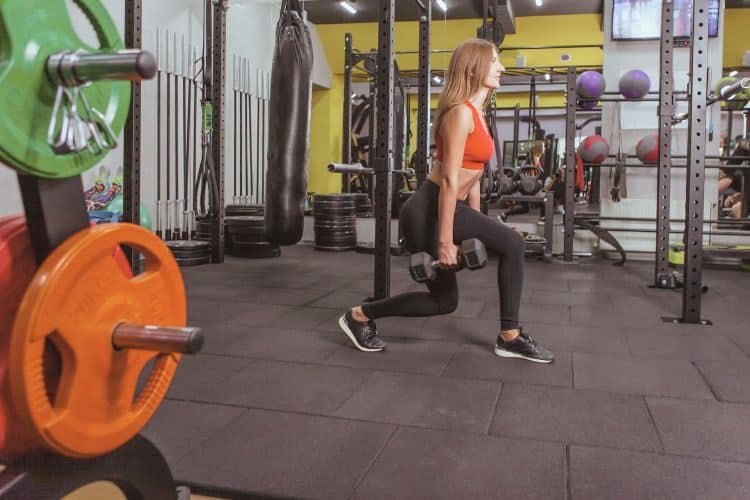
Strength training is one of the most effective ways to build lean muscle, boost metabolism, increase confidence, and improve overall health. Whether you are just starting your fitness journey or looking to reignite your workout motivation, a 28 day strength training challenge can help you create consistency, develop healthier habits, and transform your body from the inside out.
Unlike extreme workout programs that leave you exhausted or overwhelmed, this 28 day challenge is designed to progressively build your strength over four weeks. Each week introduces new training techniques, increased intensity, and balanced recovery so your body can adapt safely while still being challenged.
The best part about this challenge is that it can be customized to fit your fitness level. You can complete the workouts at home with dumbbells and resistance bands or at the gym with barbells and machines. By the end of the 28 days, you will likely notice improved muscle tone, better endurance, increased energy, and stronger mental discipline.
Strength training offers benefits that go far beyond aesthetics. While many people begin lifting weights to tone their bodies or lose weight, the long-term advantages include improved bone density, better posture, enhanced athletic performance, and reduced risk of injury.
For women especially, strength training helps maintain muscle mass as hormones change with age. It can also increase resting metabolic rate, meaning your body burns more calories even when you are not exercising.
Strength exercises stimulate muscle fibers, encouraging them to grow stronger and more defined over time.
Muscle tissue burns more calories than fat tissue. Building lean muscle can support sustainable weight management.
Resistance training strengthens bones and connective tissue, reducing the risk of osteoporosis.
Feeling physically stronger often translates into greater self-confidence and mental resilience.
Simple daily activities such as carrying groceries, climbing stairs, or lifting children become easier with improved strength.
This challenge is divided into four weeks. Each week builds upon the previous one by gradually increasing workload, volume, and intensity.
You will train 4 to 5 days per week with active recovery and mobility sessions included.
You do not need an elaborate gym setup to complete this challenge. Choose equipment based on your experience level and availability.
If you are a beginner, start with light weights and prioritize proper form over heavy lifting.
The first week focuses on learning movement patterns, activating muscles, and building consistency. The goal is not to lift heavy but to master form and establish a routine.
Take a brisk walk, do yoga, or complete a 20-minute mobility routine.
Focus on hydration, stretching, and quality sleep.
Week 2 increases workout volume and endurance. Your body will start adapting to resistance training, allowing you to push slightly harder.
Perform each exercise back-to-back with minimal rest.
Repeat for 4 rounds.
Complete 30 minutes of low-impact cardio and stretching.
Use a foam roller, stretch, and prioritize recovery nutrition.
This week focuses on gradually increasing resistance or repetitions to stimulate muscle growth and strength gains.
Progressive overload means slowly increasing the demands placed on your muscles over time.
F=ma
In strength training, this can mean adding more weight, increasing reps, reducing rest time, or improving exercise control.
Focus on walking, stretching, and mobility work.
Allow muscles time to repair and grow.
The final week combines strength, endurance, and conditioning for maximum results.
Repeat for 5 rounds.
Recovery is essential during the final week. Stretch hips, shoulders, and hamstrings thoroughly.
Repeat for 4 rounds.
Complete a final challenge workout combining your favorite exercises from the month.
Celebrate your progress and reflect on how far you have come.
Nutrition plays a huge role in recovery, muscle growth, and energy levels.
Protein helps repair muscle tissue after workouts. Aim to include protein with every meal.
Water supports muscle function, recovery, and overall performance.
Focus on lean proteins, healthy fats, complex carbohydrates, fruits, and vegetables.
A small snack with carbs and protein before training can improve energy and endurance.
Post-workout meals should include protein and carbohydrates to replenish glycogen stores.
Warming up prepares your muscles and joints for movement while reducing injury risk.
Start lighter than you think you need. Mastering technique is more important than lifting heavy immediately.
Muscles grow during recovery, not during the workout itself.
Improper form can lead to injuries and limit results.
Everyone progresses at a different pace. Focus on your own journey.
Write down weights, reps, and how you feel after workouts.
Photos can reveal changes that the scale does not show.
Celebrate completing each week rather than focusing only on the final result.
Accountability can increase consistency and motivation.
Keep your personal fitness goals at the center of your journey.
If you are new to strength training, modify exercises as needed.
Consistency matters more than perfection.
Experienced exercisers can increase the challenge by:
Aim for 7 to 9 hours of sleep per night.
Stretching improves flexibility and muscle recovery.
Foam rolling can reduce soreness and improve mobility.
Rest is essential for muscle repair and long-term progress.
Results vary based on your starting point, consistency, nutrition, and workout intensity.
Many people notice:
Even if physical changes are subtle, the habit-building aspect of the challenge can create long-lasting results.
A 28 day strength training challenge is more than just a workout plan. It is an opportunity to build discipline, improve your mindset, and develop a healthier lifestyle. Strength training empowers you physically and mentally while helping you create sustainable fitness habits that last beyond the challenge itself.
The key to success is consistency. You do not need perfect workouts every day to see progress. Showing up regularly, fueling your body properly, and allowing yourself time to recover are the foundations of lasting results.
At the end of these 28 days, you will likely feel stronger, more energized, and more confident in your abilities. Most importantly, you will prove to yourself that you are capable of staying committed to your goals and becoming the strongest version of yourself.
To help readers continue their fitness journey after completing this 28 day strength training challenge, here are some related workouts and training guides from Women’s Fit Club that pair perfectly with this program. Build total-body power with the 4 Week Strength Training Program Build Strength and Tone, improve movement quality using Functional Strength Training Exercises A Guide For Women, and increase muscle definition with the 10 Best Strength Workouts for Women to Build Muscle & Burn Fat. For readers who enjoy full-body workouts, the 10 Best Compound Exercises for Full-Body Strength Training is an excellent resource, while beginners or home exercisers can continue progressing with the 4 Week Strength Training Bodyweight Workout Plan.
Stay up to date on the latest women’s health, fitness and lifestyle trends and tips.
