


Sign up for workout ideas, training advice, reviews of the latest gear and more.

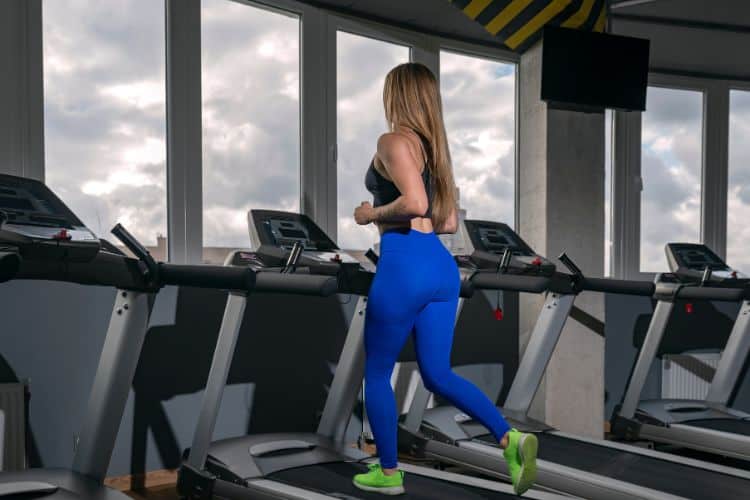


The 12-3-30 treadmill workout has become one of the most popular walking workouts for people looking to improve their cardiovascular fitness, lose weight, and build lower-body strength without the high impact of running. Originally made famous on social media, this simple treadmill routine has gained millions of followers because it is easy to remember, requires minimal equipment, and can be adapted for beginners and experienced exercisers alike.
The workout is straightforward: set your treadmill to a 12% incline, walk at 3 miles per hour, and continue for 30 minutes. Although it sounds simple, the steep incline significantly increases the intensity, making it a highly effective workout for burning calories, strengthening your legs, and improving endurance.
Whether your goal is weight loss, toning your glutes, improving heart health, or simply adding more movement to your daily routine, the 12-3-30 treadmill workout can be a valuable addition to your fitness program. This guide covers everything you need to know, including its benefits, proper technique, modifications, common mistakes, workout variations, and tips for achieving the best results.
The 12-3-30 workout consists of three simple settings:
Unlike jogging or sprinting, this workout relies on incline rather than speed to increase workout intensity. Walking uphill forces your muscles to work harder while keeping the movement relatively low impact on your joints.
Because walking remains one of the safest forms of cardiovascular exercise, this workout appeals to beginners, older adults, and individuals recovering from previous injuries while still providing an effective challenge.
Many people underestimate how difficult walking uphill can be. Increasing the incline dramatically changes the workload placed on your muscles and cardiovascular system.
Walking on a flat treadmill primarily targets the quadriceps and calves. However, increasing the incline shifts more work toward the glutes, hamstrings, calves, and core while increasing your heart rate significantly.
The result is a workout that burns more calories than walking on a flat surface without requiring running.
One of the biggest reasons people love this workout is its calorie-burning potential.
Depending on your:
You can burn approximately 250 to 500 calories during a single 30-minute session.
Since incline walking requires more energy than walking on level ground, calorie expenditure increases considerably.
Weight loss occurs when you consistently burn more calories than you consume.
The 12-3-30 workout helps create that calorie deficit while being sustainable enough to perform multiple times each week.
Combined with healthy eating and strength training, it can become an excellent fat-loss strategy.
Incline walking is one of the best cardio exercises for targeting the glute muscles.
Walking uphill requires powerful hip extension, activating:
Over time, consistent incline walking can contribute to stronger, firmer lower-body muscles.
The elevated heart rate during incline walking strengthens your cardiovascular system.
Benefits include:
Unlike running, incline walking places much less impact on:
This makes it ideal for people who cannot tolerate high-impact cardio.
Your lower body works continuously throughout the workout.
Major muscles involved include:
The constant uphill movement provides resistance similar to climbing hills outdoors.
Walking has long been associated with improved mental well-being.
Regular treadmill walking may help reduce:
Exercise also stimulates endorphin production, helping improve mood and energy levels.
The steep incline increases glute activation dramatically compared to flat walking.
Walking uphill emphasizes the muscles on the back of the thighs during each stride.
Your quads work continuously to extend the knee while climbing.
The incline forces the calves to work harder with every step.
Maintaining proper posture engages your abdominal muscles throughout the workout.
The hips lift your legs repeatedly against gravity.
Following proper form improves results while reducing injury risk.
Begin with:
This prepares your muscles and joints.
Gradually raise the treadmill to 12%.
Avoid jumping immediately to full incline if you’re new.
Adjust the treadmill to 3 MPH.
Maintain a comfortable but challenging pace.
Focus on maintaining steady breathing and good posture.
Avoid leaning excessively.
Reduce:
Walk another 5 minutes before stopping.
Stretch afterward.
Good posture improves efficiency.
Keep these points in mind:
Avoid holding onto the treadmill unless necessary for balance.
Leaning heavily reduces calorie burn and decreases muscle activation.
Use handrails only briefly if needed.
The workout is designed around 3 MPH.
Increasing speed too much may force you into poor running mechanics.
New exercisers should gradually build toward the full workout.
Supportive walking or running shoes reduce discomfort.
Cold muscles increase injury risk.
Always prepare your body before climbing.
The standard workout may be difficult initially.
Instead try:
Week 1
2
3
4
Gradual progression leads to better consistency.
Once the workout becomes easier:
Alternate:
5 minutes
2 minutes
Repeat.
Alternate between:
3 MPH
and
3.5 MPH
while maintaining the incline.
Increase incline gradually:
5%
7%
9%
12%
Then reverse.
12-3-30 Workout
Strength Training
Recovery Walk
12-3-30 Workout
Full Body Strength
Optional Incline Walk
Rest
While possible, daily incline walking may lead to overuse fatigue.
Most people benefit from:
3–5 sessions weekly.
Rest days allow muscles to recover and grow stronger.
Calorie burn varies based on body weight.
Approximate estimates:
120 pounds
250–300 calories
150 pounds
300–350 calories
180 pounds
350–420 calories
220 pounds
420–500 calories
These numbers increase if your walking efficiency is lower or your workout lasts longer.
Yes.
Combined with:
It can become an excellent fat-loss workout.
Remember that no workout specifically burns belly fat. Fat loss occurs throughout the body.
The workout develops muscular endurance more than muscle size.
For noticeable muscle growth, combine incline walking with:
Choose shoes with:
Proper footwear improves comfort during long incline sessions.
Support your workouts with quality nutrition.
Eat:
Drink water before, during, and after walking.
A protein-rich meal after exercise supports muscle recovery.
Recovery is essential for progress.
Prioritize:
These habits reduce soreness and improve future workouts.
Yes, but beginners should gradually build toward the full workout instead of starting at maximum incline immediately.
Weight loss depends on your overall calorie balance. The workout is an effective tool but works best alongside healthy eating and strength training.
It can replace running for individuals seeking a lower-impact cardio option, though runners may still benefit from dedicated running workouts depending on their goals.
Three miles per hour is the traditional pace, but slightly slower or faster speeds can be used based on fitness level and comfort.
Only briefly for balance if necessary. Avoid relying on them throughout the workout, as doing so reduces the workout’s effectiveness.
Many people notice improved endurance within two to four weeks. Visible changes in body composition generally require consistent training and appropriate nutrition over several weeks or months.
Consistency matters more than perfection. Schedule your workouts on the same days each week to establish a routine. Track your sessions in a fitness journal or app so you can monitor progress over time. Listen to your body and adjust intensity if you experience excessive fatigue or discomfort. Pair the workout with two to three strength-training sessions each week to build muscle and improve overall fitness. Stay hydrated, fuel your body with nutritious foods, and celebrate small milestones, such as completing your first full 30-minute session or increasing the number of weekly workouts.
The 12-3-30 treadmill workout has earned its popularity because it is simple, accessible, and highly effective. By combining a steep incline with a moderate walking pace, this workout challenges your cardiovascular system while strengthening your glutes, hamstrings, calves, and core—all without the pounding associated with running.
Whether you’re just beginning your fitness journey or looking for a new cardio routine, the 12-3-30 method offers a sustainable way to improve endurance, burn calories, and support long-term weight management. Pair it with resistance training, proper nutrition, adequate recovery, and consistent effort, and you’ll have a well-rounded fitness strategy that can help you reach your health goals. Remember that lasting results come from building habits you can maintain, and the simplicity of the 12-3-30 treadmill workout makes it one of the easiest routines to stick with for months and years to come.
If you enjoyed this 12-3-30 treadmill workout, explore more expert workout guides on WomensFitClub to build endurance, burn more calories, and stay motivated. Try our 45 Minute Treadmill Workout for Fat Loss, Endurance and Fitness for a longer cardio challenge. Looking for a tougher incline session? Check out our 30 Minute Treadmill Hill Workout. If speed training is your goal, don’t miss the 20 Minute Sprint Workout on Treadmill. To improve your pace and stamina, read our 40 Minute Treadmill Tempo Run Workout. Finally, strengthen your legs and glutes with our Treadmill Walking Lunges Workout. These related workouts will help you add variety to your cardio routine while progressing toward your weight loss and fitness goals.
Stay up to date on the latest women’s health, fitness and lifestyle trends and tips.
