



Sign up for workout ideas, training advice, reviews of the latest gear and more.



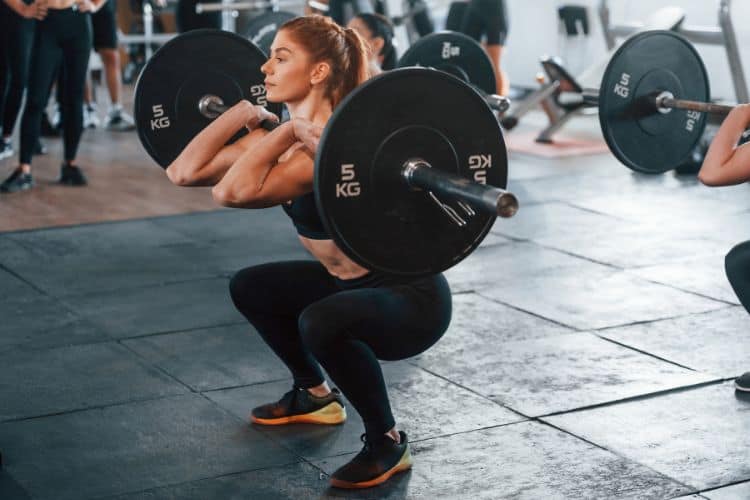
The barbell squat is one of the most effective exercises for building total lower body strength, improving athletic performance, increasing muscle mass, and boosting overall fitness. Whether your goal is stronger legs, toned glutes, improved endurance, or better functional movement, a structured 30 day barbell squat workout plan can help you achieve noticeable results in just one month.
This comprehensive 30-day squat challenge is designed for women who want to improve strength, develop better squat technique, increase confidence with barbell training, and create lean muscle throughout the lower body. The plan combines progressive overload, recovery, mobility work, and accessory exercises to maximize results safely and effectively.
Unlike random workout routines, this structured plan gradually increases intensity while allowing proper recovery so your body can adapt and grow stronger. By the end of the 30 days, you can expect improved squat form, stronger glutes and legs, better core stability, and enhanced overall fitness performance.
Barbell squats are considered one of the best compound exercises because they work multiple muscle groups simultaneously. Adding them consistently into your training routine offers both physical and performance benefits.
The squat primarily targets the quadriceps, hamstrings, glutes, calves, and hip muscles. Over time, regular barbell squats improve overall lower body power and strength.
Heavy compound movements stimulate muscle growth more effectively than isolation exercises. Squats help create toned legs and sculpted glutes while boosting metabolism.
Every squat repetition requires your abdominal muscles and lower back to stabilize the body. This strengthens the core and improves posture.
Squats improve jumping ability, sprinting speed, balance, and coordination. Strong legs translate into better performance during sports and daily activities.
Large compound movements burn more calories and increase energy expenditure, making squats effective for fat loss and body recomposition.
Resistance training improves bone density and supports healthy joints, especially when performed with proper technique.
Understanding the muscles activated during squats helps you appreciate why this movement is so effective.
The barbell squat is truly a full lower-body strength movement that also challenges upper body stability and posture.
Perfect squat technique is essential for maximizing results and preventing injury.
Position the barbell across your upper traps or rear delts depending on your preferred squat style.
Stand with feet shoulder-width apart and toes slightly pointed outward.
Take a deep breath and tighten your abdominal muscles before descending.
Push your hips back and bend your knees while keeping your chest upright.
Lower until your thighs are at least parallel to the floor.
Push through your heels and return to standing while maintaining core tension.
Avoiding these common errors will improve your progress and reduce injury risk.
Keep your knees tracking over your toes throughout the movement.
Maintain a neutral spine and brace your core properly.
Keep your feet planted firmly on the floor.
Master technique before increasing load.
Aim for proper squat depth while maintaining good form.
You do not need a fully equipped gym to complete this program.
Optional accessories include knee sleeves, lifting belt, and lifting straps.
This plan uses progressive overload and structured recovery to help improve strength safely.
Each week gradually increases intensity while strategically balancing recovery.
The first week focuses on learning proper squat mechanics and building a strength foundation.
Prioritize hydration, sleep, and nutrition.
The second week introduces heavier loads and more training volume.
Continue mobility work and recovery throughout the week.
Week three increases training intensity and incorporates explosive movements.
Explosive squat variations improve athletic performance and fast-twitch muscle development.
Focus on proper recovery because intensity increases significantly during this phase.
The final week challenges your strength while preparing you to test progress.
After a full warm-up, test either:
Track all progress from Day 1 to Day 30.
A proper warm-up improves performance and reduces injury risk.
Spend at least 10 minutes warming up before heavy lifting.
Recovery is essential for muscle repair and flexibility.
Cooling down properly helps reduce soreness and improves recovery.
Nutrition plays a major role in strength gains and recovery.
Aim for lean protein sources such as:
Carbohydrates fuel intense squat sessions and replenish glycogen stores.
Drink enough water throughout the day to support performance and recovery.
Healthy fats support hormones and recovery.
Examples include:
Muscles grow stronger during recovery, not just during workouts.
Aim for 7–9 hours of quality sleep each night.
Light movement improves blood flow and reduces soreness.
High stress levels can interfere with recovery and muscle growth.
Progressive overload is the key to strength improvement.
Add small weight increases each week rather than making large jumps.
Perfect technique should always come before heavier weight.
Keep a workout journal to monitor progress and identify improvements.
Accessory movements strengthen weak areas and improve squat performance.
Improve hamstring and posterior chain strength.
Enhance single-leg stability and glute activation.
Target glute development for stronger lockout power.
A stronger core improves squat stability and posture.
This plan works well for:
If you are new to barbell training, start conservatively.
Experienced lifters can increase difficulty by adding:
You may notice:
Progress is not always measured only by heavier weight.
Yes. Beginners should simply start with lighter weights and focus on proper form.
Choose a weight that challenges you while allowing proper technique.
Yes. Combining resistance training with proper nutrition can support fat loss.
No. Recovery is essential for strength and muscle development.
Continue with the next scheduled session rather than doubling workouts.
A structured 30 day barbell squat workout plan is one of the best ways to improve lower body strength, build muscle, boost confidence, and enhance overall fitness. Consistency, proper recovery, progressive overload, and good nutrition are the keys to success during this program.
By following this plan, you can develop stronger legs, sculpted glutes, improved athletic performance, and better overall conditioning in just one month. Remember to focus on proper form, listen to your body, and stay consistent throughout the entire challenge.
The barbell squat is more than just a leg exercise—it is a total-body strength movement that can transform your fitness level when practiced consistently and correctly.
For more lower body strength and barbell training inspiration, check out these related workouts from Women’s Fit Club. Build stronger legs and glutes with the 15-Minute Full-Body Barbell Workout, improve your lower body power with the 40-Minute Barbell Blitz Lower Body Workout, and take your leg day to the next level with the 45 Minute Barbell Leg Day Workout. You can also learn more about proper squat technique in The Best Barbell Exercises for Women and strengthen your full body with The Best Full Body Strength Workout for Women. These workouts pair perfectly with your 30 Day Barbell Squat Workout Plan for building strength, muscle, and endurance.
Stay up to date on the latest women’s health, fitness and lifestyle trends and tips.
