


Sign up for workout ideas, training advice, reviews of the latest gear and more.

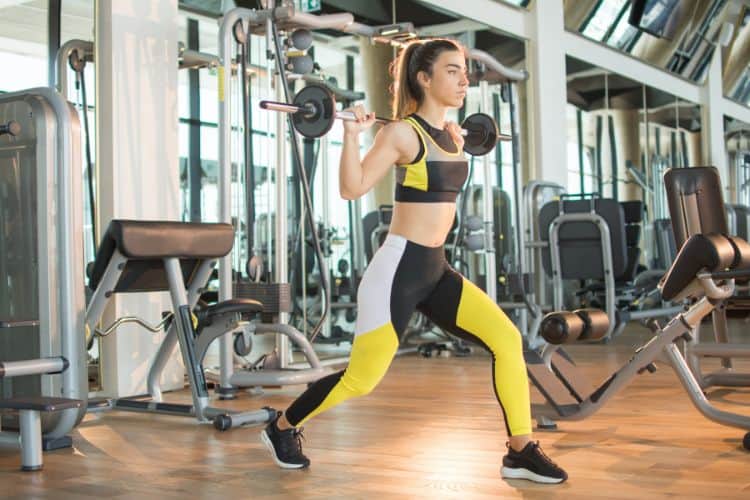
Building strong glutes is about more than aesthetics. Your glute muscles play a major role in lower body strength, posture, athletic performance, and everyday movement. Whether you want to improve your squat, protect your lower back, boost athletic power, or sculpt a stronger lower body, a focused barbell glute workout can help you achieve your goals efficiently.
This 30 minute barbell glute workout is designed specifically for women who want maximum glute activation using compound strength movements and targeted accessory exercises. The workout combines strength training, hypertrophy-focused sets, and glute isolation work to help develop stronger, firmer, and more defined glutes.
One of the biggest advantages of barbell training is progressive overload. By gradually increasing resistance over time, you can continuously challenge your muscles and stimulate growth. Barbell exercises also recruit multiple muscle groups simultaneously, helping you burn calories while building lower body strength.
In this guide, you will learn:
Barbell workouts are one of the most effective ways to build strong glutes because they allow you to use heavier resistance safely and efficiently. Unlike bodyweight workouts alone, barbells create progressive tension that encourages muscle growth and strength development.
Heavy barbell movements like hip thrusts, squats, and deadlifts target the gluteus maximus, medius, and minimus. Strong glutes improve overall lower body performance and help support hip stability.
Strong glutes improve sprinting, jumping, lifting, and overall power output. Athletes often prioritize glute development because the glutes are a major force-producing muscle group.
Weak glutes can contribute to poor posture, lower back discomfort, and hip instability. Strengthening the glutes helps support the pelvis and spine during daily movement.
Barbell workouts elevate heart rate while engaging large muscle groups, which increases calorie burn during and after training.
Targeted glute training helps create a rounder, firmer, and more sculpted lower body appearance.
Before beginning your workout, it helps to understand the muscles you are targeting.
The largest glute muscle responsible for hip extension, power, and overall glute shape.
Located on the outer hips, this muscle helps stabilize the pelvis and supports balance.
A smaller stabilizing muscle that assists with hip movement and alignment.
A complete glute workout should target all three muscles through a combination of hip thrusts, hinges, squats, and unilateral movements.
This workout combines strength-based compound lifts with glute isolation exercises for maximum activation.
Never skip your warm-up. Activating the glutes before lifting helps improve muscle engagement and reduce injury risk.
Complete 3 rounds.
The barbell hip thrust is one of the best exercises for glute activation and muscle growth. Position your upper back on a bench with the barbell across your hips. Drive through your heels and squeeze your glutes hard at the top.
Focus on:
Romanian deadlifts strengthen the glutes and hamstrings while improving posterior chain development.
Key tips:
Squats engage the glutes, quads, and core simultaneously. To increase glute activation, focus on pushing through your heels and sitting back into the movement.
Complete 2 rounds.
Reverse lunges challenge balance while targeting the glutes and hamstrings. Stepping backward places more emphasis on the posterior chain compared to forward lunges.
Glute bridges isolate the glutes and improve hip extension strength. Use controlled reps and pause briefly at the top.
The wide stance in sumo deadlifts increases inner thigh and glute activation. Keep your chest lifted and engage your core throughout the movement.
Complete continuously with minimal rest.
Repeat for 3 rounds.
This finisher creates metabolic stress, which can help stimulate muscle growth and improve muscular endurance.
Using proper technique is essential for both results and injury prevention.
Bracing your core stabilizes your spine during heavy lifts and protects your lower back.
Instead of simply moving weight, actively squeeze your glutes during every repetition.
Avoid rushing through movements. Slow eccentric phases improve muscle tension and activation.
Partial reps limit muscle engagement. Lower fully and extend completely during each exercise.
Overarching the back during hip thrusts or deadlifts can shift tension away from the glutes.
Poor form often develops when the weight is too heavy. Start lighter and master technique first.
Skipping glute activation can reduce workout effectiveness and increase injury risk.
Muscles grow during recovery, not during the workout itself. Rest and proper nutrition are essential.
To continue building stronger glutes, gradually increase:
Consistency is key for glute development. Aim to train glutes 2–3 times per week.
If you struggle to feel your glutes working, these strategies can help.
Slower reps increase muscle tension and improve mind-muscle connection.
Driving through your heels activates the posterior chain more effectively.
Pausing at the top of hip thrusts and glute bridges increases muscle engagement.
Sometimes lighter weights with better form activate the glutes more effectively than lifting too heavy.
Training alone is not enough to build stronger glutes. Proper nutrition supports muscle recovery and development.
Protein helps repair and build muscle tissue. Include protein-rich foods such as:
Hydration supports muscle function, performance, and recovery.
Focus on nutrient-dense meals containing:
Eating balanced meals before and after training helps maintain energy and improve recovery.
Recovery is just as important as training intensity.
Aim for 7–9 hours of quality sleep per night to support muscle repair.
Post-workout stretching can improve mobility and reduce tightness.
Foam rolling may help improve blood flow and reduce soreness.
Allow at least one recovery day between intense lower body workouts.
If you are new to barbell training, start with these adjustments.
Practice movement patterns before adding heavy weight.
Complete fewer sets until your strength improves.
Take 60–90 seconds between exercises if needed.
Technique should always come before heavier lifting.
Once the workout becomes easier, increase intensity with these methods.
Progressively overload your muscles by gradually increasing resistance.
Use slower lowering phases and longer pauses.
Increase total training volume for greater challenge.
Pair exercises together with minimal rest for increased intensity.
Here is an example weekly schedule for balanced lower body training.
30 Minute Barbell Glute Workout
Upper Body Strength Training
Glute and Hamstring Workout
Low Impact Cardio or Mobility Work
This schedule allows enough recovery time while maintaining consistent glute training.
You do not need hours in the gym to build strong glutes. Short, focused workouts can be highly effective when programmed correctly.
Perfect for busy schedules and consistent training habits.
Moderate workout duration reduces excessive fatigue.
Shorter workouts are often easier to maintain long-term.
Focused sessions allow you to maintain better form and intensity.
A well-designed barbell glute workout can help you build lower body strength, improve athletic performance, and sculpt stronger glutes in just 30 minutes. By combining compound lifts with targeted glute exercises, you can maximize muscle activation while improving overall fitness.
Remember that consistency, proper form, progressive overload, and recovery all play important roles in achieving results. Start with manageable weights, prioritize technique, and gradually increase intensity over time.
Whether your goal is strength, muscle growth, fat loss, or improved confidence in the gym, this 30 minute barbell glute workout provides an effective and efficient way to train your lower body and challenge your glutes.
If you’re looking to build stronger glutes and improve lower body strength, be sure to explore more expert workout guides from Women’s Fit Club. Learn proper lifting techniques with this guide on The Best Barbell Exercises for Women, discover powerful posterior-chain movements in The Best Exercise for Glutes and Hamstrings, and improve activation before training with Best Glute Activation Exercises for Women. You can also add more lower-body strength sessions with the Best 5 Day Workout Split for Women or build total-body power through these Barbell Workouts for Strength and Empowerment.
Stay up to date on the latest women’s health, fitness and lifestyle trends and tips.
