


Sign up for workout ideas, training advice, reviews of the latest gear and more.

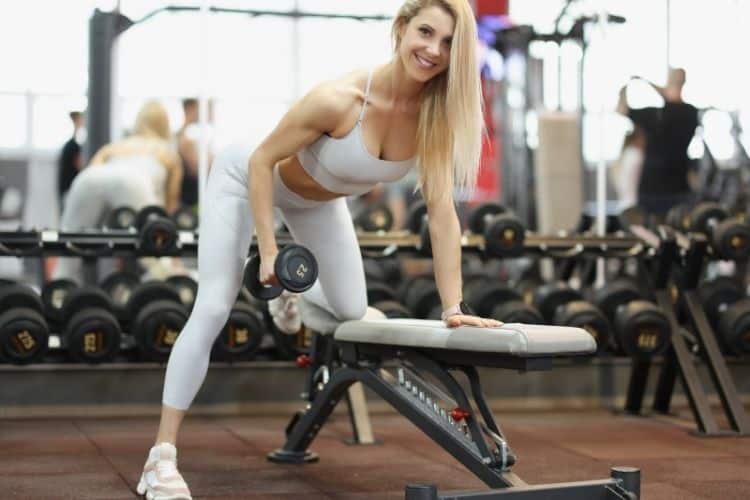
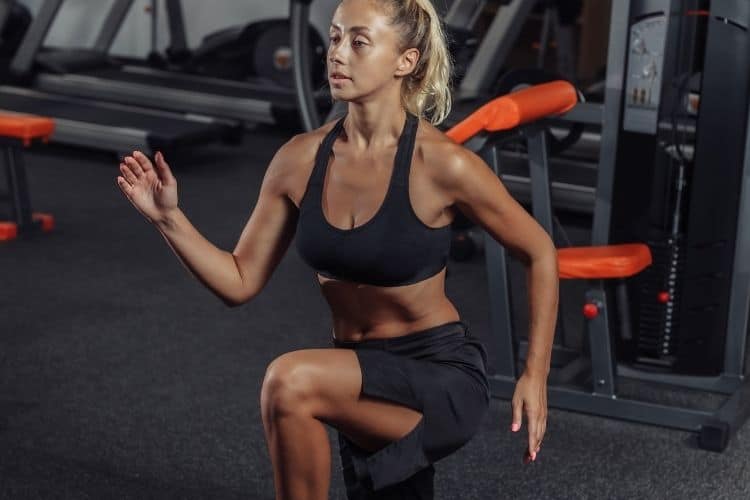
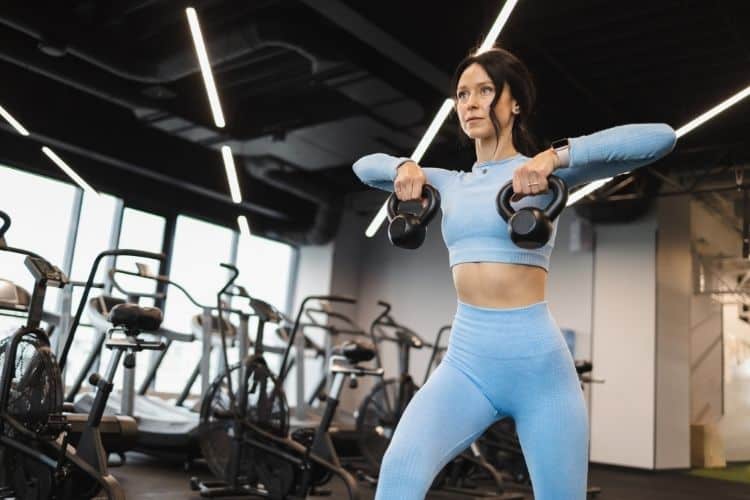
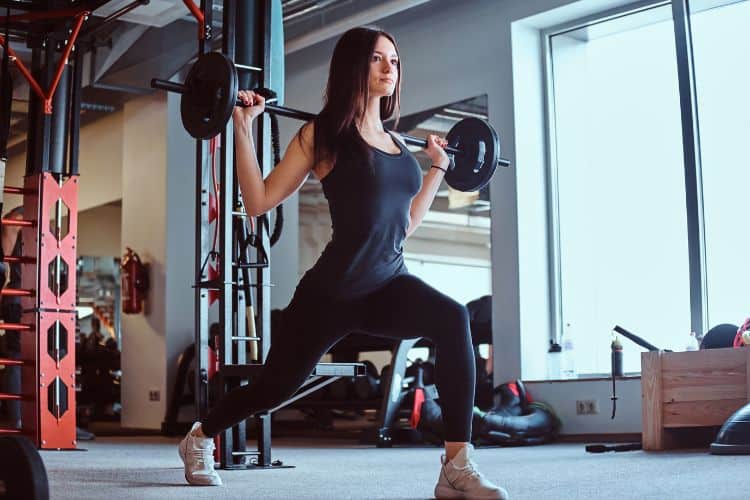
A well-structured barbell leg day workout is one of the most effective ways to build lower body strength, improve athletic performance, increase calorie burn, and develop lean muscle. Whether your goal is stronger glutes, more defined quads, improved endurance, or overall lower body power, a focused 35 minute barbell leg day workout can deliver impressive results without spending hours in the gym.
Barbell training allows you to progressively overload your muscles using compound movements that recruit multiple muscle groups at once. This creates a highly efficient workout that targets the glutes, hamstrings, quads, calves, and core while also improving coordination, balance, and posture. For women especially, barbell leg workouts can help sculpt strong, toned legs while supporting bone density and metabolic health.
In this guide, you will learn everything you need to know about performing a 35 minute barbell leg day workout, including warm-up strategies, exercise breakdowns, workout structure, training tips, benefits, recovery methods, and how to progress safely over time.
Barbell workouts are ideal for lower body training because they allow you to train with heavier resistance than most dumbbell or bodyweight exercises. The added load stimulates muscle growth, increases strength, and enhances muscular endurance.
A barbell leg workout typically combines compound lifts with accessory movements to maximize lower body activation. Exercises such as squats, deadlifts, lunges, and hip thrusts challenge multiple muscle groups simultaneously, making them highly time-efficient.
Benefits of barbell leg day workouts include:
A 35 minute workout format also keeps intensity high while fitting into a busy schedule.
A properly designed barbell leg workout targets nearly every major muscle in the lower body.
The quadriceps are heavily activated during squats, lunges, and front-loaded movements. These muscles help extend the knees and support lower body strength.
The glute muscles are responsible for hip extension and power production. Barbell hip thrusts, squats, and Romanian deadlifts are excellent for glute activation.
The hamstrings work during hinging exercises such as Romanian deadlifts and deadlifts. They also stabilize the knees during squats and lunges.
Calves help stabilize your body during standing movements and support explosive lower body power.
Heavy barbell exercises require core engagement to stabilize the spine and maintain proper posture throughout each lift.
Many people assume longer workouts are automatically better, but shorter high-quality sessions can be extremely effective.
A 35 minute workout is manageable even on busy days, helping you stay consistent.
Shorter sessions encourage better focus and less downtime between exercises.
Barbell leg workouts burn a significant number of calories because they involve large muscle groups.
Heavy resistance training stimulates muscle growth and improves body composition.
Strength training increases post-workout calorie burn and metabolic rate.
Warming up properly helps prepare the joints, muscles, and nervous system for heavy lifting.
Spend 5 minutes performing dynamic movements before starting the workout.
The goal is to increase blood flow and activate the lower body muscles without causing fatigue.
This workout combines compound movements with targeted accessory exercises for a complete lower body training session.
The barbell back squat is one of the best exercises for total lower body development.
Romanian deadlifts target the hamstrings and glutes while improving posterior chain strength.
Walking lunges improve unilateral leg strength and balance while targeting the glutes and quads.
Hip thrusts are highly effective for glute activation and strength.
Calf raises help improve lower leg strength and ankle stability.
This burnout exercise increases muscle endurance and creates a powerful lower body pump.
Consistency is key for building strength and seeing results.
Choosing the proper resistance helps maximize results while reducing injury risk.
If you cannot maintain proper posture, reduce the load.
Progressive overload is essential for building strength and muscle.
Tracking workouts helps ensure consistent improvement.
Even experienced lifters can make errors that reduce workout effectiveness.
Cold muscles are more prone to injury.
Heavy lifting with poor form increases injury risk.
Controlled movements improve muscle activation.
Muscles grow during recovery, not just during workouts.
Partial reps reduce lower body engagement.
Fueling your body properly improves workout quality and recovery.
Consume carbohydrates and protein 1–2 hours before training.
Examples include:
Prioritize protein and complex carbohydrates.
Examples include:
Hydration is also essential for performance and muscle recovery.
Recovery helps reduce soreness and improve performance.
Focus on:
Foam rolling may reduce muscle tightness and improve circulation.
Aim for 7–9 hours of sleep for optimal muscle repair.
Light walking or mobility work can reduce stiffness after intense leg sessions.
Barbell leg workouts are beneficial for many fitness levels.
Start with lighter weights and focus on technique.
Increase intensity and add volume progressively.
Strength training supports muscle mass, bone density, and metabolism.
Lower body power training improves speed and performance.
If you are new to barbell training, try these adjustments.
Practice movement patterns before adding heavy plates.
Start with 2 sets instead of 3–4.
Take 60–90 seconds between sets if needed.
Replace difficult movements with simpler variations until confidence improves.
Experienced lifters can increase difficulty using advanced strategies.
Slow eccentric lowering increases muscle tension.
Pausing at the bottom of squats improves control and strength.
Pair exercises back-to-back for increased intensity.
Reduce weight after failure to continue the set.
Many women worry that lifting heavy weights will make them bulky. In reality, barbell leg training helps create a lean, strong, athletic physique.
Benefits for women include:
Strength training is one of the best long-term fitness investments for women of all ages.
A 35 minute barbell leg day workout is an efficient and powerful way to build strength, sculpt lean muscle, and improve overall fitness. By combining compound movements like squats, Romanian deadlifts, lunges, and hip thrusts, you can challenge every major lower body muscle group in a short amount of time.
Consistency, proper form, progressive overload, and recovery are the keys to long-term success. Whether you are a beginner or experienced lifter, this workout structure can help you become stronger, more athletic, and more confident both inside and outside the gym.
Commit to your training, focus on movement quality, and remember that strong legs create a strong foundation for your entire body.
For more lower body strength and barbell training ideas, check out these related workouts from Women’s Fit Club. Build stronger glutes and quads with the 40-Minute Barbell Blitz: Build Your Ultimate Lower Body, improve your squat technique with The Ultimate Guide to Barbell Squats for Women, and explore more gym-based routines in The Best Leg Workouts For Women At The Gym. If you want additional lower body inspiration, try the Best 30 Minute Leg Workout to Build Strength and Tone or add unilateral movements from the Best 5 Day Workout Split for Women: Strength Fat Loss & Toning to maximize leg strength and muscle definition.
Stay up to date on the latest women’s health, fitness and lifestyle trends and tips.
