


Sign up for workout ideas, training advice, reviews of the latest gear and more.

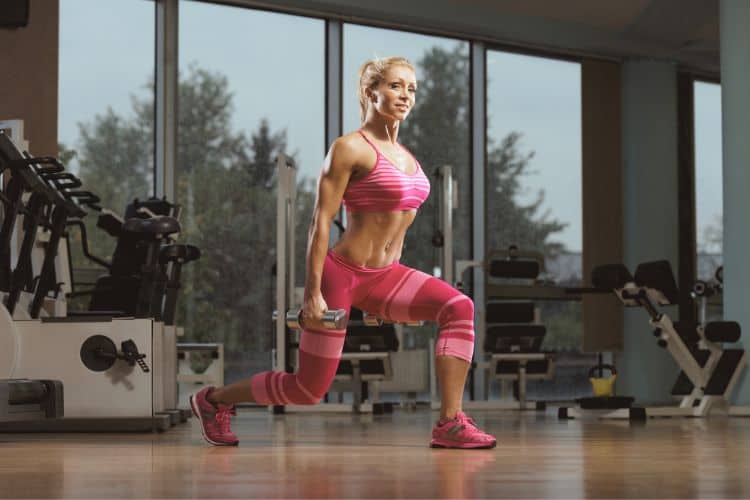
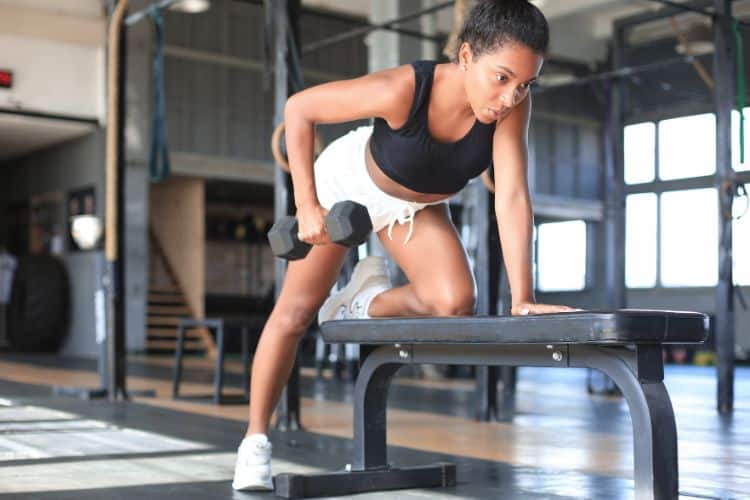
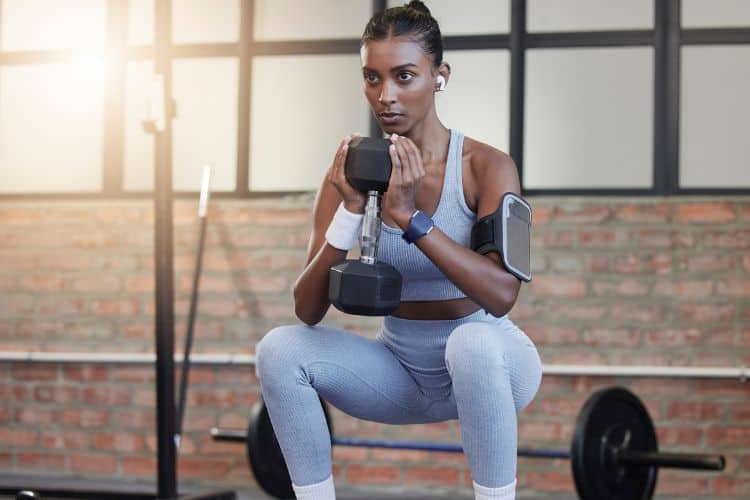
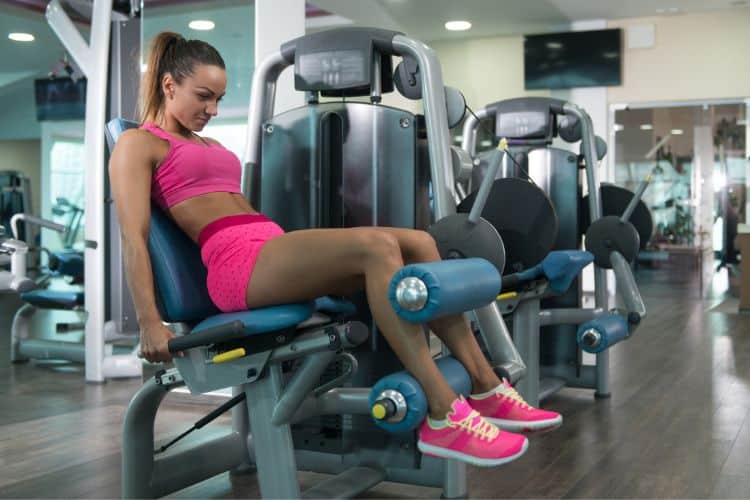
Developing strong legs is about much more than improving your appearance. Your lower body contains some of the largest and most powerful muscles in your body, including the quadriceps, hamstrings, glutes, calves, and hip muscles. A well-designed leg machine workout helps strengthen these muscles while improving athletic performance, increasing calorie burn, enhancing balance, supporting healthy joints, and making everyday activities easier.
Gym machines are excellent tools for beginners and experienced lifters alike because they provide stability, guide movement patterns, and allow you to safely increase resistance over time. Unlike free weights, machines reduce the need for balance, allowing you to focus entirely on muscle activation and proper technique. They are also ideal for individuals recovering from injuries or anyone wanting to isolate specific muscles without placing unnecessary stress on the lower back.
Whether your goal is building muscle, increasing strength, improving endurance, or toning your lower body, the best leg machine workout combines compound movements with isolation exercises to target every major muscle group. This guide covers everything you need to know about using leg machines effectively, choosing the right exercises, creating an efficient workout routine, and maximizing your results.
Many people immediately think of barbell squats and deadlifts when discussing leg training. While those exercises are excellent, leg machines provide several unique advantages that make them valuable additions to any workout program.
Machines create controlled movement patterns that reduce the learning curve. Beginners can safely learn proper movement mechanics before progressing to more advanced exercises. Experienced lifters often use machines to increase training volume without overloading stabilizing muscles that may already be fatigued.
Machine exercises also allow greater focus on the working muscles. Because balance is less of a concern, you can concentrate on squeezing your quadriceps, glutes, or hamstrings throughout every repetition.
Other benefits include:
A balanced workout that combines several leg machines can effectively stimulate every muscle in the lower body.
Understanding which muscles each machine targets helps you build a balanced routine.
Located on the front of your thighs, the quadriceps straighten the knee and generate power for walking, climbing stairs, running, and jumping.
Found on the back of your thighs, the hamstrings bend the knee while assisting hip extension during activities like sprinting and deadlifting.
The gluteus maximus, medius, and minimus provide hip stability, improve posture, generate explosive power, and contribute to athletic performance.
The gastrocnemius and soleus muscles help you walk, run, jump, and maintain balance.
These inner thigh muscles stabilize the pelvis and improve movement efficiency.
Located on the outer hips, these muscles support balance and help prevent knee collapse during lower-body exercises.
Every commercial gym includes several machines specifically designed for lower-body training.
The leg press is one of the best overall lower-body machines because it trains multiple muscle groups simultaneously.
Primary muscles worked:
Proper technique includes:
Perform 3–4 sets of 10–15 repetitions.
The leg extension isolates the quadriceps better than almost any other exercise.
Benefits include:
Keep movements slow and controlled while avoiding excessive momentum.
Recommended sets:
3–4 sets of 12–15 reps.
Strong hamstrings improve knee stability while balancing quad development.
Benefits include:
Lower the weight slowly to maximize muscle engagement.
Perform:
3–4 sets of 10–15 repetitions.
The lying version changes the angle slightly, often increasing hamstring activation.
Focus on:
The hack squat closely mimics traditional squats while supporting the back.
It effectively trains:
For greater quad emphasis, keep your feet lower on the platform.
For additional glute activation, place feet slightly higher.
Although technically not a dedicated leg machine, the Smith machine offers stability while allowing heavier loads.
Popular variations include:
The fixed bar path makes it easier to maintain proper posture.
Many lifters neglect calves despite their important role in lower-body strength.
Benefits include:
Pause briefly at the top before lowering under control.
Unlike standing raises, seated calf raises emphasize the soleus muscle, creating fuller calf development.
Include both standing and seated variations for complete calf training.
This machine strengthens the outer hips and glutes.
Benefits include:
Move slowly while maintaining constant tension.
The hip adductor machine targets the inner thighs.
Benefits include:
Avoid using excessive weight.
Focus on smooth, controlled repetitions.
The following routine effectively targets every major lower-body muscle.
Spend 5–10 minutes preparing your body.
Include:
Leg Press
4 sets × 10–12 reps
Rest 90 seconds.
Focus on driving through your heels.
Hack Squat Machine
3 sets × 10 reps
Control every repetition.
Leg Extension
3 sets × 12–15 reps
Pause for one second at the top.
Seated Leg Curl
3 sets × 12 reps
Lower slowly.
Hip Abductor
3 sets × 15 repetitions
Maintain constant tension.
Hip Adductor
3 sets × 15 repetitions
Avoid using momentum.
Standing Calf Raise
4 sets × 15–20 reps
Stretch fully at the bottom.
Seated Calf Raise
3 sets × 15–20 reps
Pause at peak contraction.
For most people, training legs two times per week provides the ideal balance between muscle growth and recovery. Beginners may start with one dedicated leg workout each week while learning proper technique and gradually increasing resistance. Intermediate and advanced lifters often benefit from two or even three lower-body sessions, provided they vary intensity and allow adequate recovery.
Aim to leave at least 48 hours between challenging leg workouts to give your muscles time to repair and grow. Recovery is just as important as the workout itself because muscles become stronger during the rebuilding process, not while you’re exercising.
A consistent weekly schedule combined with progressive overload, proper nutrition, and quality sleep will help you build stronger, more defined legs over time.
One of the biggest mistakes people make when using leg machines is performing the same workout with the same weight week after week. Your muscles quickly adapt to repeated stress, and once they do, progress slows. Progressive overload is the process of gradually increasing the demands placed on your muscles so they continue to grow stronger and larger.
There are several ways to apply progressive overload during a leg machine workout:
Small improvements each week add up over time. Keep a workout journal or use a fitness app to record your weights, repetitions, and sets. Tracking your progress makes it easier to identify improvements and stay motivated.
Using machines may seem straightforward, but poor technique can reduce results and increase the risk of injury. Avoid these common mistakes to get the most out of every workout.
Lifting heavier isn’t always better. Excessive weight often leads to poor form, limited range of motion, and unnecessary joint stress. Choose a resistance that challenges you while allowing complete control throughout every repetition.
Cold muscles are less flexible and more prone to injury. Spend at least five to ten minutes warming up with light cardio and dynamic stretches before beginning your workout.
Momentum shifts tension away from your muscles. Perform every repetition with a controlled tempo, especially during the lowering phase, to maximize muscle activation.
Partial repetitions limit muscle development. Lower the weight through a comfortable range of motion and complete each repetition without bouncing or jerking the machine.
Many gym-goers focus almost entirely on the quadriceps. A balanced lower-body workout should include exercises for the hamstrings, glutes, calves, and hips to improve strength, stability, and injury prevention.
On exercises such as the leg press or leg extension, avoid forcefully locking your knees at the top of each repetition. Keeping a slight bend maintains muscle tension and reduces stress on the joints.
If you’re new to strength training, focus on mastering movement patterns before increasing resistance. This beginner-friendly workout trains every major muscle group while building confidence.
Leg Press
3 sets × 12 repetitions
Leg Extension
3 sets × 12 repetitions
Seated Leg Curl
3 sets × 12 repetitions
Hip Abductor Machine
2 sets × 15 repetitions
Standing Calf Raise
3 sets × 15 repetitions
Finish with gentle stretching for your quadriceps, hamstrings, calves, glutes, and hip flexors.
Experienced lifters can increase intensity by combining heavier loads with advanced training techniques.
Leg Press
5 sets × 6–8 reps
Hack Squat
4 sets × 8–10 reps
Leg Extension
4 sets × 12–15 reps
Lying Leg Curl
4 sets × 10–12 reps
Hip Abductor
3 sets × 15 reps
Hip Adductor
3 sets × 15 reps
Standing Calf Raise
5 sets × 20 reps
Seated Calf Raise
4 sets × 20 reps
For an additional challenge, use drop sets or slow eccentric repetitions during your final set of each exercise.
Strength training is one of the most effective ways to support fat loss because it helps preserve lean muscle while increasing calorie expenditure. A leg machine workout also recruits some of the largest muscles in your body, meaning it burns more energy than many upper-body workouts.
For fat loss, choose moderate weights and shorter rest periods.
Sample circuit:
Complete the circuit three to four times with minimal rest between exercises and one to two minutes between rounds.
Combine this routine with regular cardio, a balanced diet, and a modest calorie deficit for the best results.
Exercise is only one part of muscle development. Proper nutrition provides the fuel your body needs to recover and grow.
Aim to include high-quality protein with every meal. Excellent sources include chicken, turkey, fish, eggs, Greek yogurt, cottage cheese, tofu, beans, and lean beef. Protein supports muscle repair after challenging workouts.
Carbohydrates replenish glycogen stores and provide energy for demanding lower-body sessions. Choose foods such as oats, brown rice, quinoa, sweet potatoes, whole-grain bread, fruits, and vegetables.
Healthy fats help support hormone production and overall health. Add foods like avocados, nuts, seeds, olive oil, and fatty fish to your diet.
Even mild dehydration can reduce strength and endurance. Drink water throughout the day and increase your intake before, during, and after intense workouts.
Recovery allows your muscles to rebuild and become stronger. Without proper recovery, your progress will eventually stall.
Support recovery by:
Listening to your body is essential. Temporary muscle soreness is normal, but persistent joint pain or sharp discomfort may indicate poor technique or overtraining.
Yes. Leg machines are highly effective for building strength and muscle, especially when combined with progressive overload. While free weights improve balance and coordination, machines excel at isolating muscles and providing a safer learning environment for beginners.
Absolutely. Machines are ideal for beginners because they guide movement patterns, reduce balance demands, and help develop confidence before progressing to more complex exercises.
Most workouts take between 45 and 75 minutes, depending on the number of exercises, sets, and rest periods.
Three to four sets per exercise are sufficient for most people. Advanced lifters may increase training volume based on their goals and recovery.
Calves recover relatively quickly and can be trained two or three times per week. Including both standing and seated calf raises helps develop the entire lower leg.
Yes. Exercises such as the leg press, hack squat, hip abductor machine, and Smith machine lunges effectively target the glute muscles when performed with proper technique and a full range of motion.
The best leg machine workout combines compound movements with targeted isolation exercises to strengthen every major muscle in your lower body. Machines provide stability, safety, and consistent resistance, making them valuable tools for beginners, intermediate lifters, and experienced athletes alike.
Focus on mastering proper technique before increasing the weight, train your legs consistently, and apply progressive overload over time. Pair your workouts with balanced nutrition, adequate recovery, and quality sleep to maximize muscle growth, improve athletic performance, and build long-term lower-body strength.
Whether your goal is stronger quads, more powerful glutes, defined hamstrings, or increased overall fitness, a structured leg machine workout can help you reach your goals safely and efficiently. Stay consistent, challenge yourself each week, and enjoy the long-term benefits of stronger, healthier legs.
To continue building stronger legs and maximize your results from this best leg machine workout, explore more lower-body training guides on Women’s Fit Club. If you’re looking for quick workouts, try our 10 Minute Leg Workout To Build Strength And Burn Fat for busy days, or step up your training with our 30 Minute Leg Workouts You Can Do At Home or The Gym for a complete lower-body routine. Improve your squat technique with The Best Squats for Women Sculpt Your Legs And Glutes Safely, build total-body strength using our 5 Day Barbell Workout Plan For Strength Muscle And Fat Loss, and round out your fitness routine with these Strength Training Exercises for Women To Build Muscle Burn Fat. These related articles provide additional workouts, expert tips, and progressive training strategies to help you build stronger legs and achieve your fitness goals.
Stay up to date on the latest women’s health, fitness and lifestyle trends and tips.
