


Sign up for workout ideas, training advice, reviews of the latest gear and more.
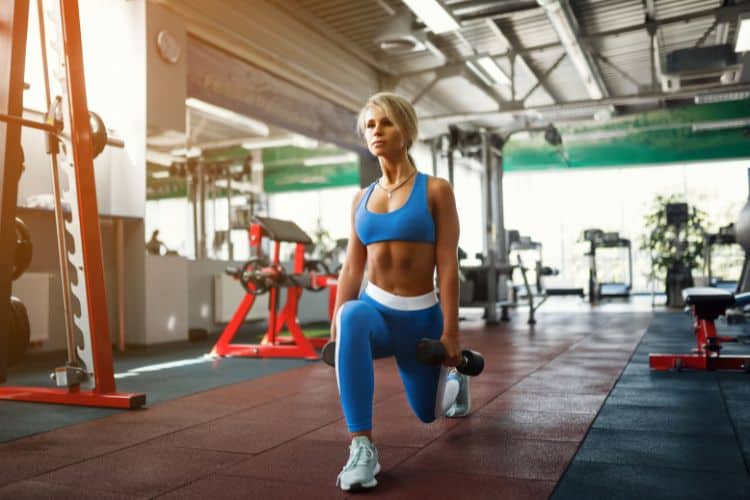
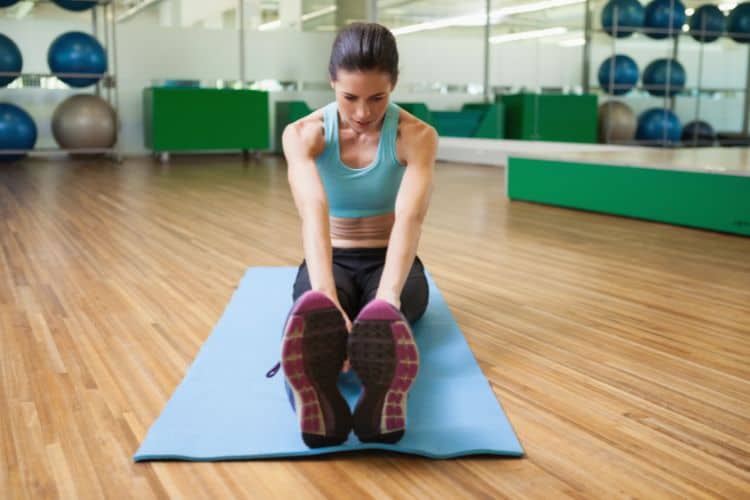
A 30 minute full body Pilates workout is one of the most effective ways to build strength, improve flexibility, enhance posture, and increase overall body awareness without putting excessive stress on the joints. Pilates focuses on controlled movements, proper breathing, core engagement, and full-body coordination, making it a popular fitness method for people of all ages and fitness levels. Whether your goal is weight loss, muscle toning, better mobility, or simply feeling stronger throughout your daily activities, dedicating just 30 minutes to a Pilates session can deliver impressive results.
Unlike high-impact workouts that rely on jumping or heavy lifting, Pilates emphasizes quality movement patterns that strengthen the body from the inside out. A well-designed 30 minute full body Pilates workout targets the core, glutes, legs, arms, back, and shoulders while improving balance, stability, and flexibility. This makes it an ideal workout for beginners, intermediate exercisers, and even advanced fitness enthusiasts looking to complement their strength training routine.
In this guide, you’ll learn the benefits of Pilates, how a 30-minute session can transform your fitness, and a complete full-body Pilates workout you can perform at home with little to no equipment.
Pilates is a low-impact exercise system developed by Joseph Pilates in the early 20th century. The method focuses on controlled movements designed to improve strength, flexibility, posture, and body alignment. Pilates exercises are centered around the core muscles, often referred to as the body’s “powerhouse,” which includes the abdominals, lower back, hips, and pelvic floor.
The principles of Pilates include:
These principles work together to create efficient movement patterns that strengthen muscles while reducing the risk of injury.
One of the primary benefits of Pilates is core development. Nearly every exercise requires engagement of the abdominal muscles, obliques, lower back, and deep stabilizing muscles. A stronger core improves posture, reduces back pain, and enhances athletic performance.
Pilates incorporates dynamic stretching throughout the workout. Regular practice can increase range of motion in the hips, shoulders, spine, and hamstrings while reducing muscular tightness.
Modern lifestyles often involve prolonged sitting, which can contribute to poor posture and muscle imbalances. Pilates strengthens the muscles responsible for maintaining proper alignment, helping you stand taller and move more efficiently.
While Pilates may not burn as many calories as intense cardio workouts, it contributes to weight loss by building lean muscle, improving metabolism, and encouraging consistent physical activity.
The movements used in Pilates mimic everyday activities, making daily tasks easier and reducing the risk of injury during normal movement patterns.
Because Pilates involves controlled, low-impact exercises, it is gentle on the knees, hips, and ankles. This makes it suitable for individuals recovering from injuries or looking for a joint-friendly workout.
Pilates requires concentration and awareness of movement. This mind-body connection can reduce stress, improve focus, and create a greater sense of physical control.
Many people believe they need to spend hours exercising to see results. However, a focused 30 minute Pilates workout can effectively challenge every major muscle group while improving mobility and flexibility.
Thirty minutes provides enough time to:
Consistency matters more than workout length. Performing Pilates three to five times per week can lead to significant improvements in strength, posture, and overall fitness.
Before starting your workout, create a comfortable exercise space.
Proper breathing is essential in Pilates. Inhale deeply through your nose and exhale fully through your mouth. Exhaling during the effort phase helps engage the core muscles more effectively.
Throughout the workout, gently pull your navel toward your spine while maintaining normal breathing. This helps activate the deep abdominal muscles that support the spine.
This routine is divided into five sections:
Perform for 60 seconds.
Move between arching and rounding the spine while coordinating your breathing.
Benefits:
Perform for 60 seconds.
Slowly roll down toward the floor one vertebra at a time and return to standing.
Benefits:
Perform for 60 seconds.
Make small circles forward and backward.
Benefits:
Perform for 2 minutes.
Lift knees alternately while engaging the abdominals.
Benefits:
Perform for 60 seconds.
Lie on your back with legs elevated and arms pumping.
Benefits:
Perform for 45 seconds per side.
Alternate pulling one knee toward the chest while extending the opposite leg.
Benefits:
Perform for 60 seconds.
Extend arms and legs simultaneously before returning to the starting position.
Benefits:
Perform for 60 seconds.
Rotate the torso as you alternate elbows toward opposite knees.
Benefits:
Perform for 60 seconds.
Maintain a straight line from head to heels.
Benefits:
Repeat the circuit twice.
Perform 15 repetitions.
Lift hips toward the ceiling while squeezing glutes.
Benefits:
Perform 10 repetitions per leg.
Extend one leg while lifting the hips.
Benefits:
Perform 15 repetitions per side.
Raise the top leg while maintaining alignment.
Benefits:
Perform 15 repetitions per side.
Keep feet together while opening the knees.
Benefits:
Perform 15 repetitions.
Maintain an upright posture and engage the core.
Benefits:
Perform 10 repetitions.
Use modified push-ups if necessary.
Benefits:
Perform for 60 seconds.
Lie face down and alternate lifting opposite arm and leg.
Benefits:
Perform for 60 seconds.
Extend arms out to the sides and pulse gently.
Benefits:
Perform 12 repetitions.
Use a stable chair or bench.
Benefits:
Perform 10 repetitions per side.
Extend opposite arm and leg while maintaining stability.
Benefits:
Perform for 60 seconds.
Reach overhead and rotate gently.
Benefits:
Perform for 30 seconds per side.
Benefits:
Hold for 60 seconds.
Focus on deep breathing and relaxation.
Hold for 30 seconds.
Stretch the hamstrings and lower back.
Hold for 30 seconds.
Stretch the chest and shoulders.
Quality movement is more important than speed. Move slowly and with control throughout each exercise.
Aim for three to five Pilates sessions each week to maximize strength and flexibility gains.
As exercises become easier, increase repetitions or add resistance bands to create more challenge.
Walking and Pilates complement each other well. Walking boosts cardiovascular fitness while Pilates builds strength and mobility.
Adequate sleep, hydration, and balanced nutrition support muscle recovery and overall performance.
Always coordinate breathing with movement to improve muscle activation.
Pilates is about precision. Slow, controlled movements provide better results.
The core should remain active during nearly every exercise.
Pay attention to posture and body positioning to prevent unnecessary strain.
A 30 minute full body Pilates workout is suitable for:
Because Pilates is highly adaptable, exercises can be modified for almost any fitness level.
A 30 minute full body Pilates workout is an efficient and highly effective way to improve strength, flexibility, posture, and overall fitness. By combining controlled movements, core engagement, and mindful breathing, Pilates delivers benefits that extend far beyond the workout itself. Whether your goal is building lean muscle, reducing stress, improving mobility, or enhancing athletic performance, dedicating just 30 minutes to Pilates can help you achieve lasting results.
Consistency is the key to success. Practice this full-body Pilates routine several times each week, focus on proper technique, and gradually challenge yourself as your strength and confidence improve. Over time, you’ll notice better posture, increased flexibility, stronger muscles, and a healthier, more balanced body.
If you enjoyed this 30 minute full body Pilates workout, explore more fitness routines designed to improve strength, flexibility, and overall wellness. Our guide to Pilates Exercises For Beginners can help you master the fundamentals and build a stronger core, while our collection of 30 Minute Workouts For Women offers additional quick and effective routines for busy schedules. For women looking to improve mobility and flexibility, our Flexibility Programs For Women provide excellent complementary training. You can also discover effective Best Low Impact Workouts For Weight Loss and Best Full Body Workout For Fat Loss strategies that support fat loss and overall fitness goals. Together, these resources can help you create a balanced fitness routine that delivers long-term results.
Stay up to date on the latest women’s health, fitness and lifestyle trends and tips.
