


Sign up for workout ideas, training advice, reviews of the latest gear and more.

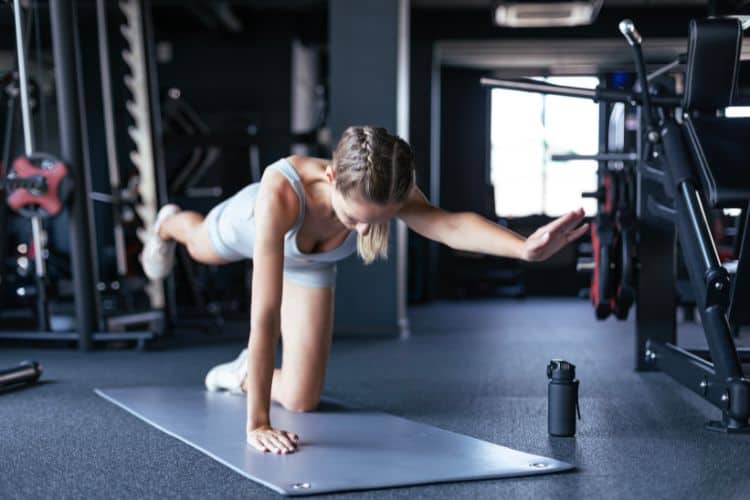
Pilates has become one of the most effective and accessible forms of exercise for people looking to build strength, improve flexibility, and develop a lean, toned physique without high-impact movements. A 40 minute full body Pilates workout provides the perfect balance between challenging your muscles and improving mobility while enhancing posture, balance, and core stability. Whether you’re a beginner or an experienced fitness enthusiast, dedicating just 40 minutes to Pilates can help you achieve impressive results.
Unlike traditional strength training that often isolates muscle groups, Pilates focuses on integrated movement patterns that engage the entire body simultaneously. Every exercise emphasizes core activation while strengthening the arms, legs, glutes, back, and shoulders. This holistic approach makes Pilates an excellent workout option for improving overall fitness, reducing injury risk, and enhancing everyday movement.
In this guide, you’ll learn the benefits of a 40 minute full body Pilates workout, the muscles worked, how to structure an effective session, and a complete workout routine that you can perform at home with little or no equipment.
A full body Pilates workout is a training session designed to engage every major muscle group through controlled, deliberate movements. Developed by Joseph Pilates, this exercise method focuses on core strength, breathing techniques, alignment, and muscular endurance.
Unlike workouts that rely on heavy weights or explosive movements, Pilates uses body weight resistance, precise movement patterns, and time under tension to create strength and stability throughout the body.
A 40 minute workout provides enough time to:
This combination creates a comprehensive fitness routine suitable for almost any fitness level.
The core is the foundation of every Pilates movement. Throughout the workout, the abdominal muscles, obliques, lower back, and deep stabilizing muscles remain engaged.
A stronger core helps:
Pilates combines strength and stretching into every movement. Regular practice improves flexibility without compromising stability.
Increased flexibility can:
Pilates emphasizes muscular endurance and controlled contractions. This helps create long, lean muscle definition throughout the body.
Many people notice improved tone in:
Modern lifestyles often involve prolonged sitting, leading to poor posture and muscular imbalances. Pilates strengthens the muscles responsible for maintaining proper alignment.
Benefits include:
Unlike running or plyometric exercises, Pilates places minimal stress on the joints.
This makes it ideal for:
A 40 minute full body Pilates workout burns calories while building muscle. Increased muscle mass supports a healthier metabolism and contributes to long-term weight management.
One of the greatest advantages of Pilates is its ability to recruit multiple muscle groups simultaneously.
The core remains active throughout the entire session.
Key muscles include:
Many Pilates exercises strengthen:
Pilates effectively targets:
Calorie expenditure varies depending on body weight, fitness level, and workout intensity.
Estimated calorie burn:
Adding continuous movement and minimal rest periods can significantly increase calorie expenditure.
Before beginning your workout:
You only need enough room to lie down and extend your arms and legs comfortably.
A supportive exercise mat improves comfort during floor exercises.
Choose clothing that allows unrestricted movement while maintaining comfort.
Drink water before and after your workout to support performance and recovery.
This workout is divided into four sections:
1 minute
Focus on diaphragmatic breathing while engaging your core.
1 minute
Mobilize the spine and prepare the body for movement.
1 minute
Increase spinal flexibility and warm up the hamstrings.
1 minute
Loosen the shoulders and upper back.
1 minute
Elevate heart rate and increase circulation.
2 minutes
Lie on your back with legs elevated and arms pumping beside the body.
Benefits:
2 minutes
Alternate pulling one knee toward the chest while extending the opposite leg.
Targets:
2 minutes
Extend arms and legs away from the body before returning to the starting position.
Benefits:
2 minutes
Rotate through the torso while alternating knee-to-elbow contact.
Targets:
2 minutes
Maintain a straight body position while engaging the entire core.
2 minutes
Lift hips while squeezing the glutes at the top.
Benefits:
2 minutes per side
Lift and lower the top leg with control.
Targets:
2 minutes
Perform slow bodyweight squats while maintaining core engagement.
Benefits:
2 minutes
Perform controlled circles while maintaining pelvic stability.
2 minutes
Perform controlled push-ups with proper alignment.
Targets:
2 minutes
Lie face down and alternate lifting opposite arm and leg.
Benefits:
2 minutes
Use body weight to strengthen the backs of the arms.
2 minutes
Perform small controlled arm movements while maintaining posture.
2 minutes
Challenge the shoulders, arms, and core simultaneously.
1 minute
Relax the spine and stretch the lower back.
1 minute
Lengthen the hamstrings and calves.
1 minute
Improve mobility through the torso.
1 minute
Release tension in the hips and glutes.
1 minute
Allow heart rate and breathing to return to normal.
Quality movement is more important than speed. Concentrate on precise execution during every exercise.
Keep your abdominal muscles activated throughout the session for maximum effectiveness.
Avoid using momentum. Slow, deliberate movement improves muscle activation and results.
Perform Pilates workouts three to five times per week to see noticeable improvements in strength, flexibility, and posture.
As fitness improves:
Breathing is a critical component of Pilates. Coordinate breath with movement for optimal performance.
Fast movements reduce effectiveness and increase injury risk.
Maintain proper spinal alignment throughout each exercise.
The core should remain active during every movement, not just abdominal exercises.
Pilates is suitable for nearly everyone, including:
The low-impact nature makes Pilates accessible to newcomers.
A 40 minute session delivers comprehensive fitness benefits without requiring hours in the gym.
Pilates is highly effective for creating lean muscle definition while improving flexibility.
The emphasis on balance, posture, and joint-friendly movement supports healthy aging.
Pilates enhances stability, mobility, and body control that complement other sports and training programs.
For best results:
Combining Pilates with walking, strength training, or cardio can create a balanced fitness routine.
A 40 minute full body Pilates workout is one of the most efficient ways to improve strength, flexibility, posture, and overall fitness. By engaging every major muscle group through controlled, purposeful movements, Pilates develops a strong core, toned muscles, and greater body awareness while remaining gentle on the joints.
Whether your goal is weight management, increased flexibility, improved posture, or total-body conditioning, committing to regular Pilates sessions can deliver lasting physical and mental benefits. With consistency and proper technique, this simple yet powerful workout can help transform the way your body moves, feels, and performs every day.
If you enjoyed this 40 minute full body Pilates workout, explore more workouts and training guides on Women’s Fit Club to help you build strength, flexibility, and overall fitness. Pilates works exceptionally well alongside low-impact training, core-focused workouts, and beginner-friendly exercise programs. Check out these related resources to create a balanced fitness routine: Pilates Workout At Home: Best Low Impact Workout: Functional Core Workout Guide: Best Workout Programs For Women: These workouts complement Pilates by improving core strength, flexibility, posture, balance, and total-body conditioning, helping you stay consistent and continue progressing toward your fitness goals.
Stay up to date on the latest women’s health, fitness and lifestyle trends and tips.
