


Sign up for workout ideas, training advice, reviews of the latest gear and more.


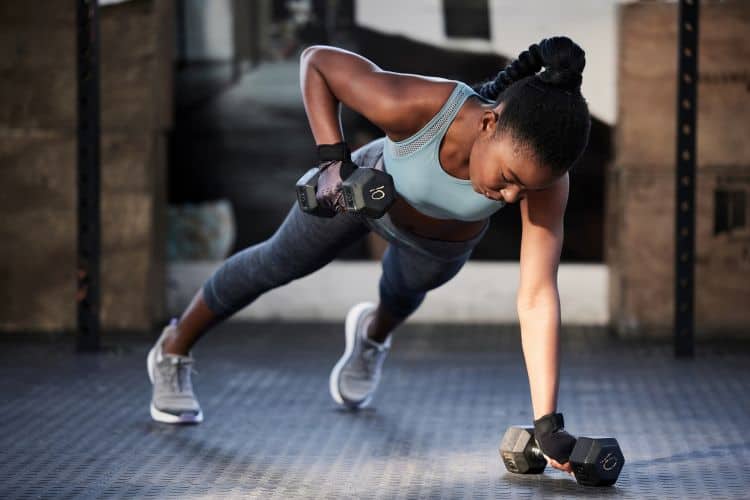
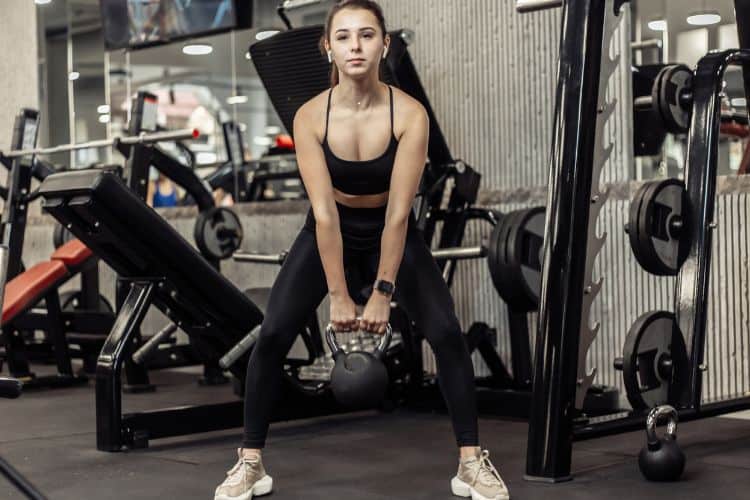
A busy schedule can make exercise feel like another appointment you cannot fit into the day. Between work, family responsibilities, errands, and the unexpected tasks that appear every afternoon, an hour at the gym may sound unrealistic. A 12-minute dumbbell HIIT workout for busy women offers a practical way to keep moving when time is limited. With two dumbbells, a small amount of floor space, and a simple timer, you can complete a focused session that combines resistance exercises with short bursts of cardiovascular effort.
The goal is to use those minutes well. This workout alternates purposeful movement with recovery, challenges several major muscle groups, and avoids complicated combinations that take longer to learn than to perform. You do not need jumping exercises, expensive equipment, or a perfect schedule. You need an appropriate starting level and a repeatable routine that fits your life.
Below, you will find a complete 12-minute session, including a warm-up and cooldown, clear exercise instructions, beginner adjustments, and practical progression ideas. Use it as a short training option on crowded days or as one part of a broader weekly fitness plan.
Short workouts reduce the time commitment required to get started. That matters when the alternative is repeatedly postponing exercise until a quieter week arrives. A manageable routine can help you build consistency, practice useful movement patterns, and stay connected to your training during demanding seasons.
Dumbbells make a brief workout versatile. Squats challenge your lower body, rows train your back, presses involve your shoulders and arms, and loaded marching asks your trunk to stabilize your position. Combining these movements gives the session a clear purpose without requiring multiple machines or frequent equipment changes.
A short session still has limits. Twelve minutes will not provide the same training volume as a well-designed longer workout, and it does not automatically meet your weekly activity needs. The CDC recommends at least 150 minutes of moderate aerobic activity or 75 minutes of vigorous activity weekly, plus muscle-strengthening activity on two or more days that works all major muscle groups. It also emphasizes that some activity is better than none. Think of this routine as a useful contribution to that larger picture.
High-intensity interval training alternates harder efforts with easier recovery periods. Here, the working intervals last 40 seconds, followed by 20 seconds to recover and change position. The structure creates an accessible starting point for women who already know the basic exercises.
Intensity is individual. During the more demanding intervals, an experienced exerciser may reach roughly seven or eight out of ten effort. A beginner should start closer to five or six while learning. Because resistance exercises can tire a muscle before they create high cardiovascular intensity, this session may function as interval resistance training rather than true HIIT for some people. Both can be useful; accurate movement matters more than the label.
Choose a clear area where you can squat, hinge, and march without hitting furniture. Wear secure footwear and place your dumbbells where you can reach them easily. Set an interval timer before starting so you can focus on your posture instead of watching a clock.
Use weights that allow smooth repetitions throughout the working interval. You should finish with the sense that you could perform a few more good repetitions. If you have to swing the weights, hold your breath, or shorten your range dramatically, reduce the load.
Your legs may tolerate more resistance than your shoulders. If you have only one pair, select the weight around your most demanding upper-body exercise and make the lower-body movements challenging through control. There is no universal starting weight that suits every woman. Your training history, technique, and the exercise itself determine the appropriate resistance.
The session includes two minutes of warming up, eight minutes of interval training, and two minutes of cooling down. During the middle eight minutes, perform four exercises in order, using 40 seconds of work and 20 seconds of recovery for each. Repeat that four-minute sequence once.
The order is goblet squat, bent-over dumbbell row, standing dumbbell shoulder press, and farmer march. The second round follows the same order. Eight one-minute intervals equal eight minutes, so the full session adds up to exactly twelve. Keep a controlled lifting pace rather than trying to achieve the highest possible repetition count.
Start with 30 seconds of comfortable marching while gently swinging your arms. Follow with 30 seconds of shallow bodyweight squats, gradually increasing depth if comfortable. Spend the next 30 seconds practicing hip hinges with your hands resting on your hips. Finish with 30 seconds of easy arm circles and unweighted overhead reaches.
This brief warm-up helps you rehearse the positions used in the workout. If you have been sitting for hours, feel stiff, or need additional preparation, warm up longer before starting the timer. The twelve-minute format is a convenience, not a reason to rush your body into movements it is not ready to perform.
Hold one dumbbell securely at chest height with both hands. Stand with your feet around shoulder-width apart, adjusting the stance to your comfort. Bend your hips and knees together, lowering only as far as you can maintain control. Keep your feet grounded and let your knees follow the direction of your toes.
Press through your feet to stand, finishing upright without leaning backward. Continue for 40 seconds, then put the dumbbell down carefully and recover for 20 seconds. Your breathing should increase, but every repetition should remain deliberate. Exhale as you stand and avoid turning the upward movement into a jump.
For an easier option, perform bodyweight squats or squat toward a stable chair. A chair provides a consistent depth target and can help you feel more secure. Touch it lightly before standing, keeping the movement controlled rather than dropping into the seat.
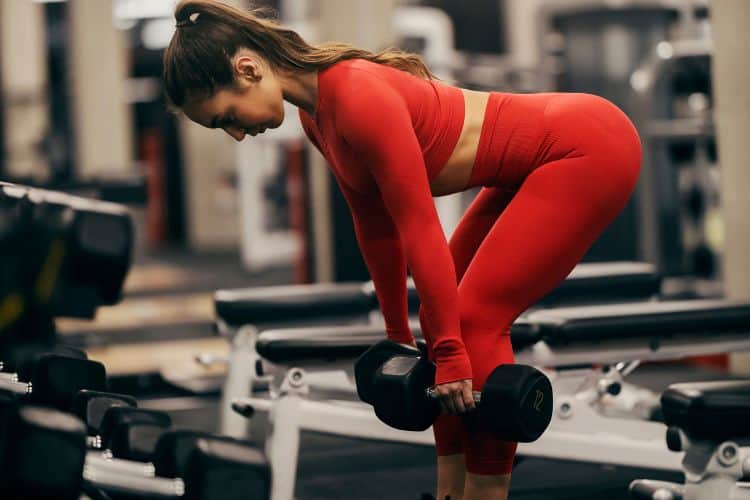
Hold a dumbbell in each hand with your palms facing inward. Soften your knees and hinge at your hips, moving them backward while maintaining a comfortable, neutral spine. Let your arms hang beneath your shoulders. Keep your neck aligned with your torso rather than lifting your chin.
Pull the weights toward your lower ribs, keeping your elbows relatively close to your body. Lower them smoothly until your arms straighten. Avoid jerking your torso upward to move the weights. Your back and arms should do the pulling while your trunk holds a steady position.
Work for 40 seconds and recover for 20. If the hinged position becomes difficult to maintain, stand up to reset or use a supported single-arm row. With that modification, support your free hand on a sturdy surface and row for 20 seconds per side. Change sides carefully, allowing transition time within the interval.
Stand with your feet comfortably apart and bring the dumbbells to shoulder height. Keep your wrists aligned above your forearms and your palms facing inward or slightly forward. Brace your abdomen gently, keeping your ribs stacked over your pelvis.
Press the weights overhead through a comfortable range, then lower them under control. Avoid arching your back to finish a repetition. Use lighter weights than you would for squats or rows if needed. This interval should challenge your shoulders without forcing you to compensate through your lower back.
Continue for 40 seconds, followed by 20 seconds of recovery. If overhead pressing is uncomfortable, replace it with a wall push-up. Place your hands on a wall at chest height, step back, bend your elbows, and press away. Choose a distance that allows smooth repetitions without shoulder discomfort.
Hold a dumbbell at each side and stand tall with your shoulders relaxed. Begin marching in place, lifting one foot and then the other while keeping your torso steady. Use small, controlled steps rather than trying to bring your knees as high as possible.
Keep the weights beside your body without swinging them. Continue breathing naturally and resist leaning from side to side. This movement combines a simple conditioning pattern with grip work and trunk stabilization. Adjust the marching pace to your fitness level while maintaining balance.
March for 40 seconds, then set the weights down and recover for 20. Beginners can use lighter dumbbells or march without weights. If balance is uncertain, choose unweighted marching near a stable support. Holding weights should never take priority over secure footing.
Put the dumbbells away from your feet and walk or march slowly for the first minute. Gradually reduce your pace as your breathing settles. During the second minute, use comfortable shoulder movements and gentle calf or chest stretches if they feel helpful.
Let your breathing return toward normal without forcing deep stretches. If you still feel breathless after two minutes, continue easy movement longer. Stop exercise if you experience sharp pain, dizziness, chest discomfort, or unusual breathlessness; symptoms that are severe or persistent need appropriate medical attention.
The best beginner version preserves the movement patterns while reducing the demand. Use bodyweight squats, supported rows, wall push-ups, and unweighted marching. These options make it easier to learn positions before adding resistance and speed.
You can also change each minute to 30 seconds of work and 30 seconds of recovery. The workout still lasts twelve minutes because each interval remains one minute. If that feels too demanding, use 20 seconds of work and 40 seconds of recovery. More rest gives you time to breathe, reset your posture, and begin the next exercise confidently.
This routine requires no jumping and can be adjusted to suit different levels of experience. Low impact does not mean effortless, and age alone does not determine which version you should perform. Your current strength, balance, movement comfort, and recovery are more useful guides.
Use a chair squat when it improves control, support the row when holding a hinge is difficult, and choose wall push-ups when overhead movement is uncomfortable. If you are returning after a long break or managing a condition that affects exercise, get individualized guidance about suitable intensity. Build confidence with repeatable movements before increasing the challenge.
Rushing is one of the easiest mistakes to make when a workout is short. A timer can create pressure to keep moving even after technique begins to deteriorate. Pause briefly when needed. A few smooth repetitions offer a better training experience than a long interval of swinging, bouncing, or unstable lifting.
The 20-second recovery periods belong to the workout. Use them to put weights down safely, breathe, and prepare for the next movement. Removing rest may make the session feel harder while reducing the quality of your lifting.
Likewise, heavier dumbbells are not always the next step. Improve posture, consistency, and control first. If your shoulders tire much sooner than your legs, use different weights or an exercise modification. Training should accommodate those differences instead of forcing every movement to match one load.
Start with one session per week if interval training is new to you. If you recover comfortably, you can build toward two sessions on nonconsecutive days. Women who already train regularly can use it selectively when their schedule prevents a longer session. Consider the total workload from all your workouts before adding more.
For example, you might complete this routine on Tuesday and Friday, take walks on several other days, and include a longer strength session when time allows. That longer session can add movements missing here, such as a dedicated hip hinge and chest exercise. This brief circuit is not a complete long-term strength program by itself.
Choose a reliable cue: after finishing work, before your shower, or during a protected break. Place the weights somewhere convenient but safely out of walkways. Saving your timer settings also reduces preparation time.
During week one, focus on learning. Use the beginner timing if needed and record which weights and modifications feel comfortable. Keep your effort moderate enough that you can concentrate on breathing and posture.
During week two, repeat the same version and aim for smoother movement. During week three, move toward 40 seconds of work and 20 seconds of recovery if you started with shorter work intervals. If you already use that timing, maintain it and improve control rather than automatically increasing pace.
During week four, consider a small weight increase for one exercise that feels consistently manageable. Keep the other exercises unchanged so you can assess the effect. If technique or recovery worsens, return to the previous load. Progress can also mean completing the same workout with better balance and less unnecessary tension.
Record the session date, weights, interval timing, and overall effort. Note whether you completed the second round with similar technique to the first. Those details help you make useful decisions when the routine begins to feel easier.
Twelve minutes can contribute to an active routine and help you practice strength exercises consistently. Results depend on your starting point, effort, overall training, nutrition, and recovery. Use short sessions to build momentum while working toward a balanced weekly plan.
It adds physical activity and resistance exercise to your day, but it cannot guarantee weight loss or target belly fat. Long-term weight changes depend on several factors, including food intake and total activity. Avoid judging the session by an estimated calorie number.
Daily hard intervals are unnecessary. Leave recovery between demanding sessions, especially while learning or increasing resistance. On other days, choose easier movement such as walking or mobility work, adjusted to how you feel.
Use it for goblet squats, supported single-arm rows, and single-arm presses. Split row and press intervals between sides, including the transition within the working time. Perform the march without weight, or hold the dumbbell centrally at chest height if comfortable.
A 12-minute dumbbell HIIT workout for busy women makes exercise easier to schedule and repeat. Start with suitable weights, follow the recovery periods, and choose modifications that let you move confidently. Over time, those manageable sessions can help you build a more consistent relationship with training, even when your calendar stays full.
Make your 12-minute dumbbell HIIT workout part of a flexible fitness routine with our Beginner Dumbbell Workout Plan For Women. For another quick option, try the 15-Minute Low-Impact Dumbbell Workout, or explore our 20-Minute Low-Impact HIIT Workout With Dumbbells for training without jumping. When your schedule allows more time, choose our 20-Minute Dumbbell HIIT Workout or 30-Minute Dumbbell HIIT Workout for a longer strength and conditioning session.
Stay up to date on the latest women’s health, fitness and lifestyle trends and tips.
