


Sign up for workout ideas, training advice, reviews of the latest gear and more.

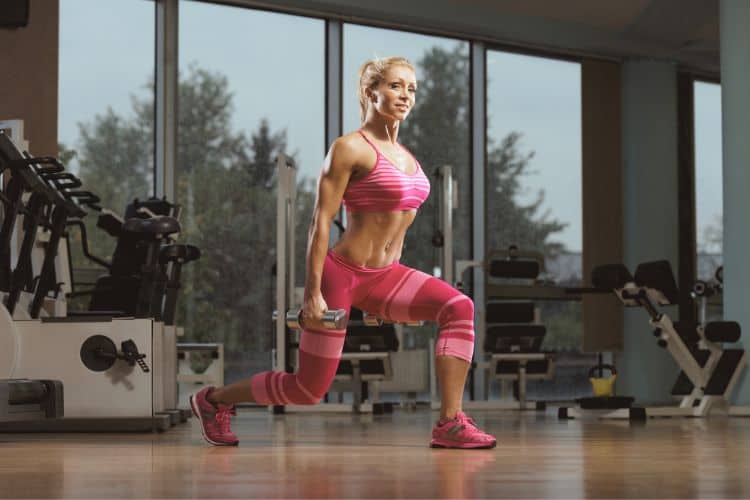
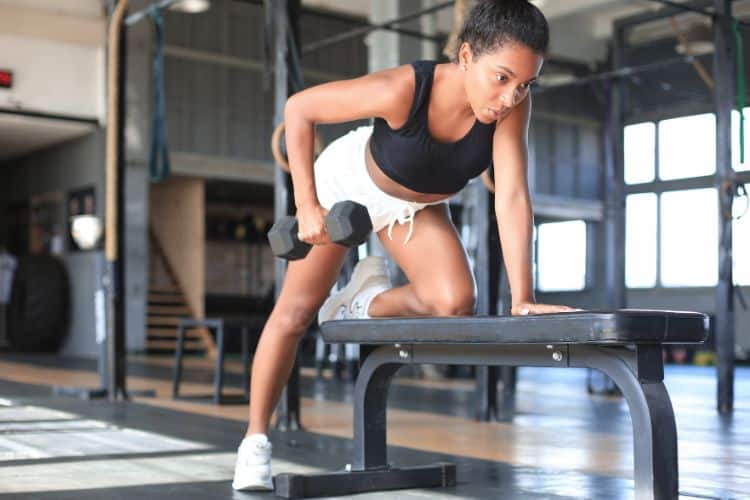
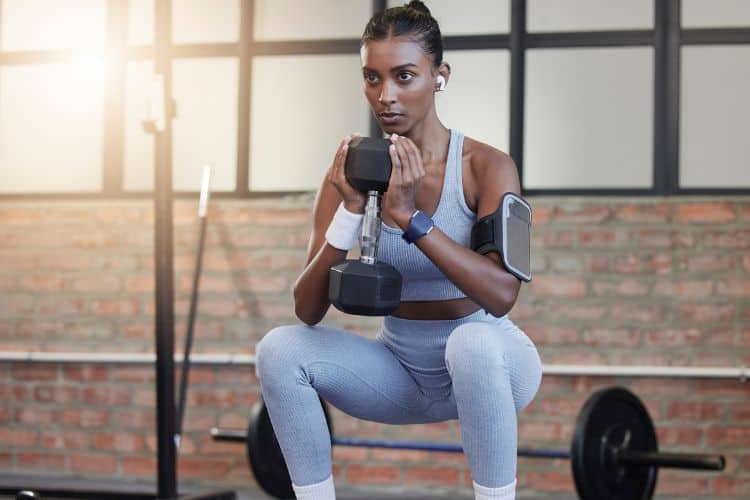
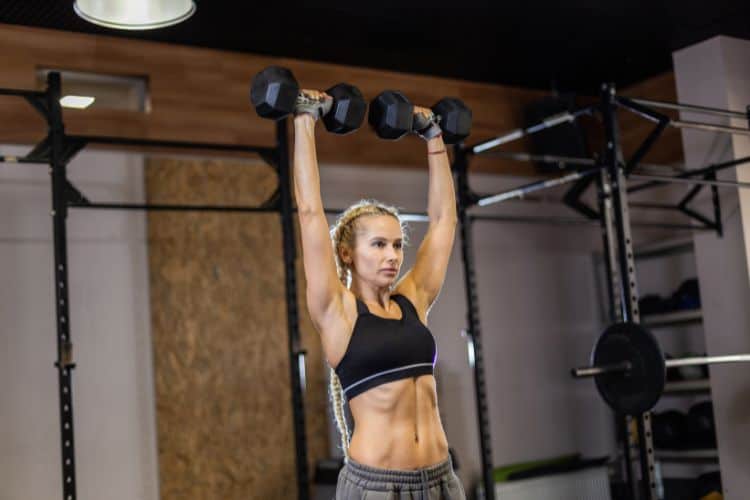
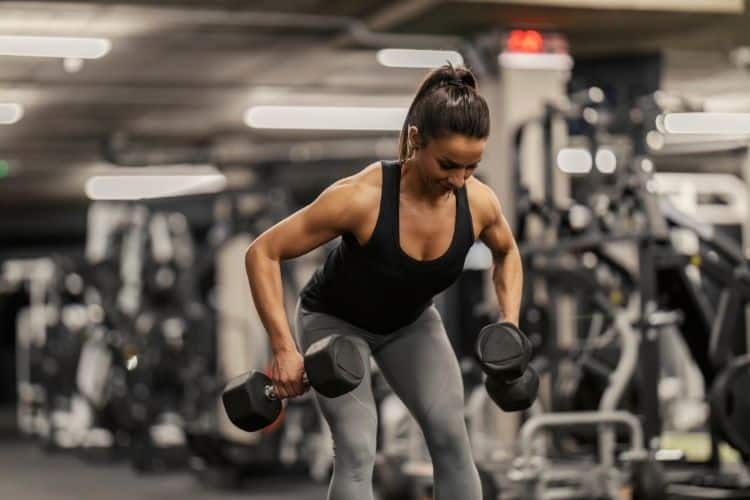
A 14 day upper body superset dumbbell workout is an efficient way to strengthen your arms, shoulders, chest, and back without spending hours in the gym. By pairing dumbbell exercises into supersets, you can perform more productive training in less time while challenging multiple upper-body muscle groups during every session.
Superset training involves performing two exercises back-to-back with little or no rest between them. After completing both exercises, you take a short recovery period before beginning the next round. This training method can increase workout density, keep your muscles working consistently, and make a pair of dumbbells surprisingly effective for building upper-body strength.
This 14 day dumbbell workout plan combines pushing, pulling, shoulder, arm, and compound exercises to create balanced upper-body training. You can perform the routine at home or in the gym, and it can be adjusted for different fitness levels simply by changing the dumbbell weight, repetitions, sets, or rest periods.
Whether your goal is to become stronger, improve muscular endurance, or add more structure to your workouts, this two-week upper-body program gives you a straightforward schedule to follow.
An upper body dumbbell superset workout pairs two exercises together and requires you to complete them consecutively. For example, you might perform dumbbell chest presses followed immediately by dumbbell rows. Once both movements are finished, you rest before repeating the superset.
Supersets can be organized in several ways. You can combine exercises targeting opposing muscles, such as the chest and back, or pair two exercises targeting the same muscle group. You can also combine larger compound exercises with smaller isolation movements.
For this 14-day plan, the workouts use a mixture of these approaches. The result is a balanced routine that trains the chest, shoulders, back, biceps, and triceps while keeping each workout focused and efficient.
A typical session can be completed in approximately 30 to 45 minutes depending on your fitness level, number of sets, and length of your rest periods.
One of the biggest advantages of dumbbell supersets is efficiency. Instead of completing one exercise, resting for several minutes, and repeating it, you alternate between movements. This allows you to accomplish a substantial amount of training in a relatively short workout.
Dumbbells also allow each side of your body to work independently. If one arm is stronger than the other, dumbbell exercises can make that imbalance easier to recognize. Over time, consistent unilateral and bilateral training may help create more balanced strength.
Supersets can also make workouts feel more engaging. Moving from one exercise directly into another reduces downtime and provides a structured training rhythm.
Another benefit is convenience. You do not need an elaborate home gym. Adjustable dumbbells are particularly useful because you can quickly change resistance for different movements. A bench is helpful for exercises such as chest presses, although many exercises can be modified and performed on the floor.
Choosing an appropriate weight is essential for getting the most from this upper body dumbbell workout. Your dumbbells should feel challenging while still allowing you to maintain controlled technique throughout every repetition.
For most exercises, select a resistance that allows you to complete approximately 8 to 15 repetitions. The final few repetitions should require effort, but your form should remain consistent.
You may need several dumbbell weights because larger muscle groups can generally handle more resistance than smaller muscles. For example, you may be able to use heavier dumbbells for rows and chest presses than for lateral raises.
Avoid choosing weight based solely on what you think you should lift. The appropriate resistance is the one that challenges the targeted muscles while allowing you to control the movement.
This two-week workout schedule alternates between training and recovery so your upper-body muscles are not being pushed hard every single day. Some days include complete rest, while others emphasize lighter activity or mobility.
During each working superset, complete the first exercise and immediately perform the second exercise. Rest approximately 45 to 90 seconds after completing both movements. Repeat for the recommended number of rounds before moving to the next superset.
Most beginners can start with two or three rounds. Intermediate lifters can perform three rounds, while more experienced lifters may choose three or four rounds depending on workout intensity.
The goal is not to complete every session as quickly as possible. Controlled repetitions, proper technique, and appropriate resistance are more important than speed.
Begin the challenge with opposing upper-body muscle groups. Training your chest and back together creates a balanced push-and-pull workout.
Perform 10 to 12 dumbbell chest presses followed immediately by 10 to 12 bent-over dumbbell rows. Rest for approximately 60 seconds and repeat for three rounds.
During the chest press, keep your wrists stacked over your elbows and lower the dumbbells under control. During rows, hinge at your hips, maintain a stable torso, and pull your elbows toward your sides.
Perform 10 to 12 dumbbell fly repetitions followed by 10 to 15 reverse fly repetitions.
Use lighter weights for both exercises than you would for presses and rows. Focus on smooth movement instead of momentum.
Complete 10 to 12 dumbbell pullovers followed by 8 to 15 push-ups. Perform three rounds.
Modify push-ups by placing your hands on an elevated surface when necessary.
Day two focuses on the shoulders, biceps, and triceps.
Complete 8 to 12 dumbbell shoulder presses followed immediately by 10 to 12 alternating dumbbell curls. Rest for 60 seconds and repeat three times.
Keep your core engaged during shoulder presses so you do not excessively arch your lower back.
Perform 12 to 15 lateral raises followed by 10 to 12 overhead triceps extensions.
Lateral raises generally require lighter dumbbells. Raise your arms with control and avoid swinging the weights upward.
Perform 10 to 15 hammer curls followed by 10 to 15 triceps kickbacks. Complete three rounds.
This pairing finishes the workout by directly targeting your arms.
Recovery is an important part of the 14-day workout. Your muscles need time to recover from resistance training, especially when beginning a new program.
Use Day 3 for gentle movement such as walking and comfortable shoulder, chest, and upper-back mobility exercises. Avoid turning your recovery session into another intense workout.
Hydration, balanced nutrition, and adequate sleep can also support recovery between training sessions.
Day four emphasizes larger compound movements with slightly heavier dumbbells.
Perform 8 to 10 floor presses followed by 8 to 10 one-arm rows per side. Complete three or four rounds.
If you have a bench, you can substitute a bench press for the floor press.
Complete 8 to 12 Arnold presses followed by 10 to 12 chest-supported dumbbell rows.
If you do not have an adjustable bench, substitute regular bent-over rows.
Perform 10 to 12 close-grip dumbbell presses followed by 10 to 12 hammer curls. Complete three rounds.
This session places additional emphasis on smaller upper-body muscle groups.
Begin with alternating curls paired with dumbbell skull crushers for 10 to 12 repetitions each. Next, perform lateral raises paired with rear delt raises for 12 to 15 repetitions. Finish with concentration curls paired with overhead triceps extensions for approximately 10 to 12 repetitions.
Complete three rounds of each superset and use controlled repetitions. Arm exercises do not require extremely heavy dumbbells to be challenging.
Day six combines strength training with a faster training pace.
Pair dumbbell push presses with renegade rows for approximately 8 to 10 repetitions each. Follow with alternating dumbbell chest presses paired with bent-over rows for 10 to 12 repetitions. Finish with hammer curls paired with standing dumbbell presses.
Keep rest periods around 45 to 60 seconds if your technique remains solid. If your form begins deteriorating, extend your recovery period.
Use Day 7 as a complete rest day. After nearly a week of structured training, this break allows your muscles and joints to recover before beginning week two.
Rest days are part of the program rather than missed workouts. Light everyday activity is fine, but you do not need another strenuous upper-body session.
Week two begins by returning to the chest and back exercises from Day 1.
Perform dumbbell chest presses paired with bent-over rows, dumbbell flyes paired with reverse flyes, and pullovers paired with push-ups.
The difference this week is progression.
If Day 1 felt manageable, add a small amount of weight, perform one or two additional repetitions, or add another set. You could also slightly reduce your rest period while maintaining good form.
Only change one or two variables at a time. Progress does not require dramatically increasing everything at once.
Return to shoulder presses paired with biceps curls, lateral raises paired with overhead triceps extensions, and hammer curls paired with triceps kickbacks.
Try to improve one measurable part of the workout. You might perform 12 repetitions instead of 10 or use slightly heavier dumbbells during shoulder presses.
Record your weight and repetitions so you can compare your performance with Day 2.
Day 10 gives your upper body another opportunity to recover.
Walking, light mobility exercises, and gentle stretching are good choices. Pay particular attention to the shoulders and upper back if they feel tight after several dumbbell sessions.
If you are unusually fatigued or sore, prioritize rest rather than adding additional exercise.
Day 11 combines several of the challenge’s most productive push-and-pull movements.
Perform 8 to 12 repetitions of each movement for three rounds. If you do not have an incline bench, use floor presses or regular dumbbell presses.
Complete 10 shoulder presses followed by 12 to 15 reverse flyes.
This combination challenges both the front and back of the shoulders.
Perform 10 to 12 close-grip presses followed immediately by 10 to 12 dumbbell curls.
Rest approximately 60 seconds and repeat for three rounds.
Day 12 focuses primarily on the biceps and triceps.
Pair hammer curls with overhead triceps extensions for 10 to 15 repetitions. Next, perform alternating curls paired with triceps kickbacks. Finish with concentration curls paired with dumbbell skull crushers.
Perform approximately three rounds of each pairing.
Focus on keeping your upper arms stable during curls and triceps exercises. Avoid using your entire body to move the dumbbells simply to complete additional repetitions.
The final demanding workout combines movements from throughout the two-week challenge.
Begin with dumbbell chest presses paired with rows for 10 to 12 repetitions. Follow with shoulder presses paired with reverse flyes for approximately 10 to 12 repetitions. Next, complete hammer curls paired with overhead triceps extensions.
Finish with push-ups paired with dumbbell pullovers.
Complete three rounds of each superset. Experienced lifters may complete four rounds if recovery and technique remain strong.
Rather than racing through the workout, treat Day 13 as an opportunity to demonstrate better control and strength than you had at the beginning of the program.
Congratulations on reaching Day 14. Your final day is dedicated to recovery and reviewing your progress.
Compare the weights and repetitions you used during the first few workouts with those used during week two. Even if the difference appears small, improvements in control, technique, repetitions, or resistance can indicate progress.
You can also evaluate how efficiently you completed the workouts and whether particular exercises became easier.
Two weeks is a relatively short training period, so dramatic physical changes should not be expected. The greater benefit of a 14-day challenge is establishing consistency and creating a foundation that can be continued for several more weeks.
Progressive overload means gradually increasing the training demands placed on your muscles. This principle is important when your long-term goal is increasing strength or muscle.
Adding heavier dumbbells is one option, but it is not the only method.
You can perform additional repetitions, add a set, improve range of motion, slow down the lowering portion of an exercise, or shorten rest periods when appropriate.
For example, if you perform three sets of 10 dumbbell rows during week one, you might perform three sets of 12 during week two. Once 12 controlled repetitions become relatively comfortable, increasing the dumbbell weight can provide another progression.
Avoid increasing resistance so aggressively that your technique suffers.
Good exercise technique should remain a priority throughout every workout. Supersets can become tiring quickly, making it tempting to rush through repetitions.
Control both the lifting and lowering phases of each exercise. Maintain a stable core during standing movements and avoid excessive swinging during curls, lateral raises, and rows.
For pressing exercises, keep your wrists aligned and control the dumbbells through a comfortable range of motion.
During bent-over movements, maintain a stable torso rather than repeatedly jerking your upper body upward to move the weight.
If your technique consistently breaks down before completing the recommended repetitions, reduce the dumbbell weight.
Most people can begin with approximately 60 to 90 seconds of rest between supersets. Beginners may benefit from slightly longer recovery periods, while experienced lifters using moderate weights may prefer 45 to 60 seconds.
Rest periods should also depend on the exercise. Heavy compound movements such as rows and presses may require more recovery than smaller exercises such as curls and lateral raises.
Remember that the purpose of supersets is efficiency, not eliminating recovery completely.
Beginners can modify this routine by performing fewer sets, using lighter dumbbells, and taking longer rest periods.
Start with two rounds of each superset instead of three or four. Learn the movement patterns before attempting to increase resistance.
Beginners may also choose to insert additional recovery days when needed. Training consistency is more valuable than trying to complete a schedule that exceeds your current fitness level.
Anyone with an injury, medical concern, or uncertainty about whether resistance exercise is appropriate for them should seek individualized guidance from a qualified healthcare or fitness professional.
Your workouts are only one part of the strength-building process. Recovery habits also influence how prepared you feel for each training session.
Eat balanced meals that provide adequate protein, carbohydrates, fats, vitamins, minerals, and overall energy. Protein supports muscle repair, while carbohydrates can help fuel resistance training and replenish energy stores.
Hydration is equally important, particularly when training in warm conditions or completing higher-volume workouts.
Sleep should not be overlooked. Consistently getting adequate sleep supports recovery and can make it easier to maintain training quality from one workout to the next.
One common mistake is selecting dumbbells that are too heavy. More weight does not automatically create a better workout. If the resistance prevents you from controlling the exercise, a lighter dumbbell may produce a more productive set.
Another mistake is rushing. Although supersets are designed to minimize unnecessary downtime, each repetition should still be controlled.
Avoid training every set to complete exhaustion. You do not need to reach muscular failure during every exercise to make progress.
Finally, do not ignore pulling movements. It can be easy to create an upper-body routine dominated by presses, curls, and triceps exercises. Rows and rear-delt exercises help create a more balanced program by training the muscles on the back of your upper body.
Once you complete the challenge, you can repeat the program with progressive overload or transition into a longer dumbbell training plan.
If repeating it, use your first two weeks as a baseline. Increase resistance gradually where appropriate and continue recording your repetitions and sets.
You can also combine upper-body training with dedicated lower-body workouts to create a complete weekly strength program. For example, you could alternate upper-body and lower-body sessions throughout the week while maintaining sufficient recovery between workouts.
The most important next step is consistency. Four, eight, or twelve weeks of structured resistance training provides far more opportunity for measurable progress than constantly switching routines after only a few sessions.
Daily intense upper-body training is generally unnecessary. Muscles benefit from recovery between demanding resistance-training sessions. This plan includes recovery days and varies workout emphasis to help manage fatigue.
Choose dumbbells that make the final repetitions challenging without causing your form to break down. You may need heavier weights for rows and presses and lighter dumbbells for lateral raises, reverse flyes, and some arm exercises.
Supersets can be incorporated effectively into muscle-building programs when resistance, training volume, progression, nutrition, and recovery are appropriate. They are particularly useful when you want to perform substantial training volume within a limited amount of time.
Yes. The majority of the program requires only dumbbells and enough space to exercise. A bench provides additional exercise options but is not essential because floor-based alternatives can be used.
Most sessions should take approximately 30 to 45 minutes. Beginners performing fewer sets may finish sooner, while advanced lifters completing additional rounds and longer recovery periods may require more time.
A 14 day upper body superset dumbbell workout provides a practical way to train your chest, back, shoulders, biceps, and triceps using minimal equipment. By pairing exercises strategically, you can create challenging workouts without needing a large selection of machines or an extended gym session.
During the first week, concentrate on learning the exercises, selecting appropriate dumbbell weights, and completing each repetition with control. During the second week, look for small opportunities to progress through additional repetitions, slightly heavier resistance, better technique, or increased training volume.
Most importantly, think of these 14 days as the beginning rather than the finish line. Continue applying progressive overload, schedule adequate recovery, and stay consistent with your training. Over time, those habits can help you build a stronger and more capable upper body with nothing more complicated than a pair of dumbbells and a structured workout plan.
To complement this 14 Day Upper Body Superset Dumbbell Workout, explore more training guides from Women’s Fit Club. Start with this 30 Minute Upper Body Dumbbell Strength Workout for a focused chest, back, shoulders, and arms routine, or try the 10 Minute Upper Body Dumbbell Workout when you need a quicker session. You can also add variety with this Full Body Dumbbell Superset Workout or learn more about structuring your training with this Superset Workout for Women. For a longer-term routine after completing the 14-day challenge, follow the 5-Day Dumbbell-Only Workout Plan for Women to continue building strength with dumbbells.
Stay up to date on the latest women’s health, fitness and lifestyle trends and tips.
