


Sign up for workout ideas, training advice, reviews of the latest gear and more.

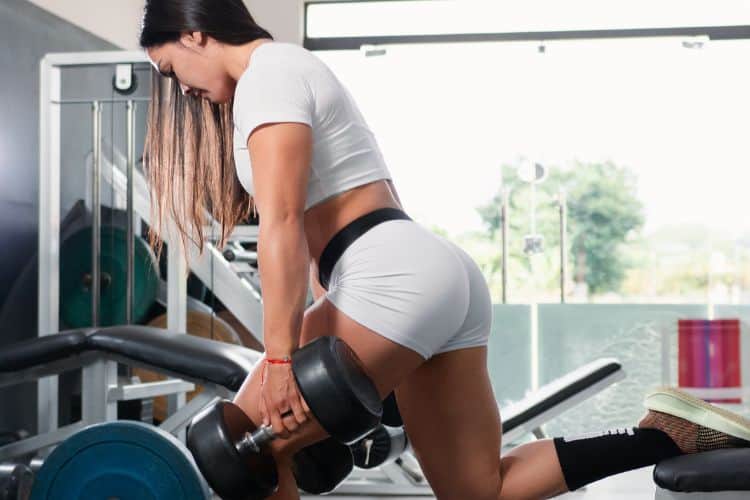
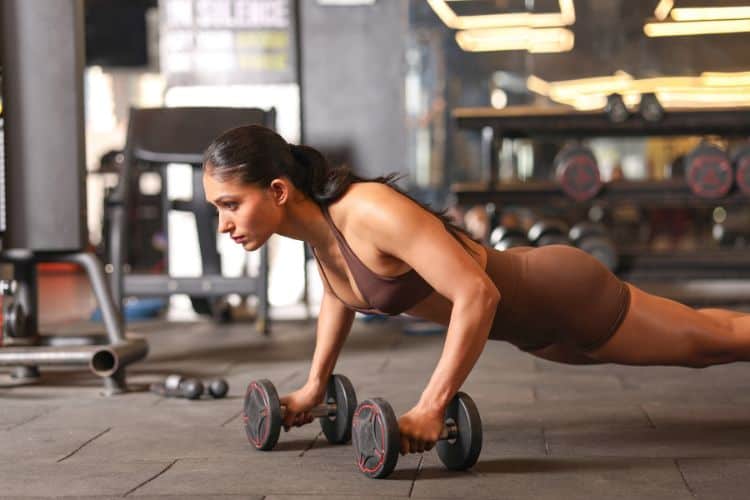
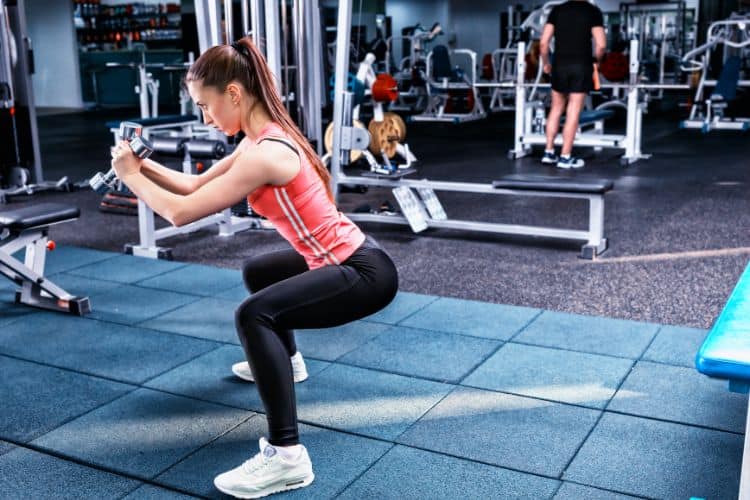
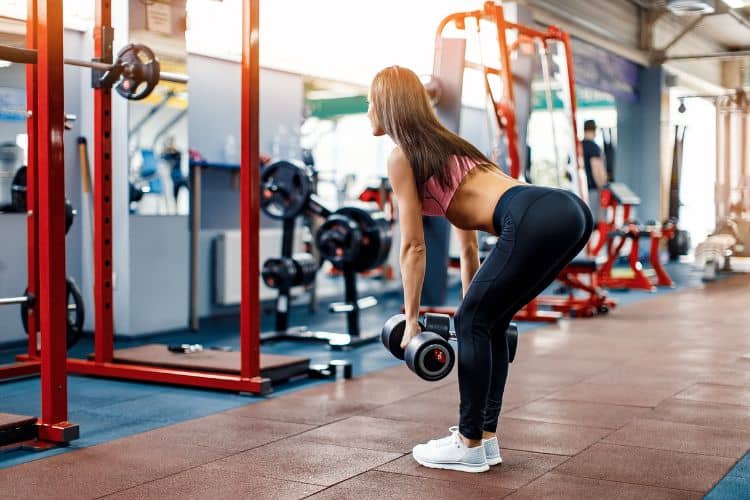
A 30-day calisthenics strength challenge for women is an effective way to build functional strength, improve muscle tone, increase mobility, and develop better control over your body without relying on gym machines or heavy weights. Calisthenics uses your body weight as resistance, making it a practical option for women who want to exercise at home, while traveling, or anywhere with enough room to move safely.
This progressive challenge combines full-body strength exercises, core training, lower-body movements, upper-body exercises, and active recovery sessions. Over 30 days, you will gradually increase your training volume and exercise difficulty. The goal is not to complete the hardest variation immediately. The goal is to establish proper form, become stronger, and finish the month capable of performing more controlled repetitions than when you began.
Most workouts take approximately 20 to 35 minutes. Beginners can use modified exercises and longer recovery periods, while experienced women can choose more advanced variations, slower tempos, and additional rounds. No special equipment is required, although a sturdy chair, exercise mat, and access to a wall can make several movements more comfortable.
Calisthenics can help women develop strength that transfers naturally to everyday activities. Squats can make sitting, standing, and climbing stairs easier. Push-ups strengthen the muscles used when pushing objects or getting up from the floor. Planks teach the core to stabilize the spine, while lunges improve single-leg strength and balance.
A structured 30-day program also provides enough consistency to begin improving exercise technique and work capacity. Although dramatic physical transformations rarely happen in one month, you can make meaningful progress. You may notice that you can perform more repetitions, hold a plank longer, recover faster between exercises, and use more challenging movement variations.
Calisthenics training can also improve coordination because many exercises require several muscle groups to work together. Instead of isolating one muscle at a time, movements such as push-ups, reverse lunges, and mountain climbers train the body as a connected system. This makes bodyweight training valuable for functional fitness as well as muscle development.
This is primarily a no-equipment workout challenge. You need a clear training area, comfortable workout clothing, supportive shoes, and water. An exercise mat is optional but helpful for planks, glute bridges, and other floor exercises.
A stable chair or bench can be used for incline push-ups, step-ups, and assisted squats. Always place the chair against a wall so it cannot slide. Never use a lightweight folding chair or unstable piece of furniture for exercise.
If you have access to a resistance band or pull-up bar, you can include pulling exercises for additional back training. However, neither item is necessary to complete the basic version of the challenge.
The program is divided into four progressive weeks followed by two final challenge days. You will alternate between full-body strength workouts, lower-body sessions, upper-body and core sessions, conditioning workouts, and recovery days.
During the first week, your priority is learning each movement. The second week adds repetitions and training volume. The third week introduces slower tempos and more demanding variations. The fourth week helps you combine everything you have learned into stronger, more challenging sessions.
Perform each exercise in sequence to complete one circuit. Rest for 20 to 40 seconds between exercises and approximately 60 to 90 seconds between circuits. Beginners can complete two circuits, intermediate exercisers can perform three circuits, and advanced participants can attempt four circuits when appropriate.
Quality is more important than speed. Stop a set when your form begins to deteriorate, even if you have not reached the suggested number of repetitions.
Begin every workout with five to eight minutes of dynamic movement. A proper warm-up gradually raises your heart rate, moves the joints through comfortable ranges of motion, and prepares your muscles for the exercises ahead.
Start with one minute of marching in place. Continue with arm circles, shoulder rolls, hip circles, bodyweight good mornings, alternating knee lifts, and controlled squats. Finish with several slow reverse lunges and wall push-ups.
Avoid using long static stretches as your primary warm-up. Save deeper stretches for your cool-down, when your muscles are already warm. Before training, focus on movements that resemble the exercises you will perform during the workout.
Stand with your feet approximately shoulder-width apart. Brace your core, send your hips back, bend your knees, and lower yourself as far as you can while keeping your heels grounded. Drive through your feet to return to standing.
Beginners can squat toward a chair and lightly touch the seat before standing. To increase the difficulty, use a slower lowering phase, add a pause at the bottom, or perform squat pulses.
Place your hands slightly wider than shoulder-width apart and create a straight line from your head to your heels. Bend your elbows and lower your chest toward the floor while keeping your core tight. Press through your hands to return to the starting position.
If a standard floor push-up is too difficult, perform the movement against a wall, countertop, or sturdy chair. An elevated push-up often helps beginners maintain better alignment than dropping the knees to the floor. As you become stronger, use a progressively lower surface.
Stand tall and step one foot backward. Bend both knees, lowering your back knee toward the floor while keeping your front foot planted. Push through the front foot to return to standing, and then repeat on the opposite side.
Hold a wall or chair for balance if necessary. You can also reduce the range of motion until your stability and leg strength improve.
Lie on your back with your knees bent and feet flat on the floor. Brace your core and squeeze your glutes as you lift your hips. Pause briefly at the top without excessively arching your lower back, and then lower with control.
To make the exercise harder, use a longer pause, perform bridge marches, or progress to a single-leg glute bridge.
Place your forearms or hands on the floor and extend your legs behind you. Tighten your abdominal muscles and glutes while maintaining a straight, stable position. Avoid allowing your hips to sag or rise too high.
Beginners can perform an incline plank with their hands on a stable surface. Another option is to keep the knees on the floor while maintaining a straight line from the head to the knees.
Begin on your hands and knees. Extend one arm forward and the opposite leg backward without rotating your hips. Pause, return to the starting position, and switch sides. Move slowly and focus on core stability rather than how high you can lift your limbs.
Lie facedown with your arms extended in front of you. Lift your arms and upper chest slightly, then pull your elbows toward your ribs. Extend your arms again and lower with control. Keep the movement small and avoid forcing your lower back into an uncomfortable position.
The first week introduces the basic movements and establishes a consistent workout routine. Use controlled repetitions and choose modifications that allow you to complete each set with good form.
Complete two or three circuits of 12 bodyweight squats, 8 incline push-ups, 8 reverse lunges per leg, 12 glute bridges, 8 bird dogs per side, and a 20-second plank. Rest when needed and avoid rushing between movements.
Perform three circuits of 15 squats, 10 alternating reverse lunges per leg, 15 glute bridges, 12 calf raises, and a 20-second wall sit. Keep your knees aligned with your toes during squats and lunges.
Take a 20- to 30-minute walk and complete gentle mobility exercises for your shoulders, hips, and ankles. Active recovery should leave you feeling refreshed rather than exhausted.
Complete three circuits of 8 to 10 incline push-ups, 10 superman pulls, 8 shoulder taps per side, a 20-second forearm plank, and 10 dead bugs per side. Widen your foot position during shoulder taps if you need more stability.
Perform three circuits of 12 squats, 10 incline push-ups, 10 reverse lunges per leg, 15 glute bridges, 10 bird dogs per side, and 20 mountain climbers. Use slow mountain climbers if you prefer a low-impact workout.
Complete two or three rounds of a 20-second plank, 10 dead bugs per side, 10 bird dogs per side, 12 glute bridges, and a 15-second side plank on each side. Finish with five minutes of comfortable stretching.
Take a full rest day. Light walking is fine, but avoid turning your recovery day into another intense workout. Sleep, hydration, and adequate nutrition support your progress.
During week two, you will add repetitions or complete another circuit. Continue using the same exercise modifications if they remain challenging.
Complete three circuits of 15 squats, 10 push-ups, 12 reverse lunges per leg, 18 glute bridges, 10 superman pulls, and a 30-second plank.
Perform three circuits of 15 sumo squats, 12 reverse lunges per leg, 12 lateral lunges per side, 20 glute bridges, 15 calf raises, and a 30-second wall sit.
Walk, cycle gently, or perform a beginner mobility routine for 20 to 30 minutes. Pay special attention to tight hips, calves, and shoulders.
Complete three circuits of 10 push-ups, 12 superman pulls, 10 shoulder taps per side, 8 pike push-ups or incline pike push-ups, and a 30-second plank. Pike push-ups place more emphasis on the shoulders, so use a small range of motion when learning the movement.
Perform 30 seconds of work followed by 20 seconds of rest for squats, step jacks, incline push-ups, alternating reverse lunges, slow mountain climbers, and plank shoulder taps. Complete three rounds.
Perform three rounds of 12 dead bugs per side, 10 bird dogs per side, a 25-second side plank per side, 15 glute bridges, and a 30-second front plank.
Rest completely or take a gentle walk. Review your progress and note whether you can perform more repetitions or use a more challenging push-up variation.
Week three increases time under tension. Slowing down the lowering portion of an exercise can make a bodyweight movement more challenging without requiring equipment.
Complete three circuits of 12 tempo squats, 8 to 12 slow push-ups, 10 reverse lunges per leg, 15 glute bridges with a two-second pause, 10 superman pulls, and a 35-second plank. Take approximately three seconds to lower yourself during squats and push-ups.
Perform three circuits of 12 split squats per side, 10 single-leg glute bridges per side, 12 lateral lunges per side, 15 calf raises per leg, and a 30-second wall sit. Use a chair for balance when necessary.
Complete 20 to 30 minutes of easy walking and mobility. If you feel unusually sore or fatigued, take a full rest day instead.
Complete three circuits of 10 push-ups, 12 superman pulls, 10 pike push-ups, 12 shoulder taps per side, 10 reverse snow angels, and a 40-second plank.
Perform 40 seconds of work and 20 seconds of rest for squats, push-ups, alternating lunges, glute bridge marches, mountain climbers, and bird dogs. Complete three or four rounds according to your fitness level.
Complete three rounds of 12 dead bugs per side, 12 bird dogs per side, 10 single-leg glute bridges per side, a 30-second side plank per side, and a 40-second front plank.
Use this rest day to prepare for the final full week. Hydrate, eat balanced meals, and aim for sufficient sleep.
The fourth week combines higher repetitions, longer holds, and more advanced exercise options. You can still use beginner variations. Progress means choosing the version that challenges you while allowing safe, controlled movement.
Complete four circuits of 15 squats, 12 push-ups, 12 reverse lunges per leg, 20 glute bridges, 12 superman pulls, and a 45-second plank.
Perform three or four circuits of 15 tempo squats, 12 split squats per leg, 15 lateral lunges per side, 12 single-leg glute bridges per side, 20 calf raises, and a 45-second wall sit.
Take a relaxed walk and perform gentle full-body mobility work. Avoid hard intervals or additional leg training.
Complete four circuits of 10 to 15 push-ups, 10 pike push-ups, 15 superman pulls, 12 shoulder taps per side, a 30-second side plank per side, and a 45-second front plank.
Perform 45 seconds of work and 15 seconds of rest for squats, step jacks or jumping jacks, push-ups, alternating lunges, mountain climbers, and plank shoulder taps. Complete four rounds.
Complete 2 repetitions of each exercise, followed by 4, 6, 8, and 10 repetitions. Use squats, push-ups, reverse lunges per leg, glute bridges, and superman pulls. Rest briefly between levels and maintain proper form.
Take a full rest day before the final two challenges. Gentle stretching is acceptable, but your priority is recovery.
Repeat the Day 1 workout and compare your performance. Complete 12 squats, 8 push-ups, 8 reverse lunges per leg, 12 glute bridges, 8 bird dogs per side, and a 20-second plank. Notice whether the exercises feel smoother or whether you can use more advanced variations. You may complete additional rounds, but avoid sacrificing form simply to create a higher score.
Complete as many quality rounds as possible in 20 minutes. One round includes 15 squats, 10 push-ups, 10 reverse lunges per leg, 15 glute bridges, 10 superman pulls, 20 mountain climbers, and a 30-second plank.
Move at a sustainable pace and rest whenever necessary. The goal is to demonstrate better strength and endurance, not to finish the workout without stopping.
Beginners should start with two circuits and take up to 60 seconds between exercises. Use wall or incline push-ups, chair-assisted squats, shallow lunges, and incline planks. You can also reduce each suggested repetition target by approximately one-third.
Do not worry if you cannot complete every scheduled workout exactly as written. Repeat a week if necessary or insert an extra recovery day. Consistency over time matters more than finishing the challenge within a strict calendar window.
Experienced participants can perform four circuits, shorten rest periods, or choose harder exercise variations. Options include decline push-ups, jump squats, walking lunges, single-leg glute bridges, plank up-downs, and longer isometric holds.
Slower repetitions can be just as effective as adding faster or more explosive exercises. Try taking three to five seconds to lower into a squat or push-up. This increases muscular tension without adding equipment.
Avoid changing every exercise at once. Progress one variable at a time by adding repetitions, using a harder variation, reducing rest, or increasing the number of circuits.
Your body needs sufficient nutrition to recover from regular strength training. Build meals around protein-rich foods, fiber-rich carbohydrates, fruits, vegetables, and healthy fats. Protein supports muscle repair, while carbohydrates help fuel workouts and replenish energy.
Hydration also affects exercise performance. Drink water consistently throughout the day rather than waiting until you begin your workout. Your needs will increase when you exercise in warm conditions or sweat heavily.
Aim for consistent, high-quality sleep. Muscles adapt during recovery, not only during exercise. If soreness, declining performance, or persistent fatigue begins to accumulate, reduce the workout volume or take an additional rest day.
One common mistake is progressing to an advanced variation before mastering the basic movement. Performing uncontrolled floor push-ups is not more productive than completing technically sound incline push-ups. Choose the variation that allows you to use a full, pain-free range of motion.
Another mistake is moving too quickly. Momentum can reduce muscular control and make it harder to maintain proper joint alignment. Slow down, brace your core, and concentrate on the muscles doing the work.
Women also sometimes overlook back training when exercising without equipment. Superman pulls, reverse snow angels, and controlled prone movements can provide introductory posterior-chain work. For more complete long-term development, consider eventually adding resistance-band rows, inverted rows, or assisted pull-ups.
After completing the challenge, take one or two easier recovery days. You can then repeat the program with harder variations, add resistance bands, or transition to a more advanced calisthenics plan.
Record the push-up variation you used, your longest plank, and the number of rounds completed on Day 30. These results provide a baseline for your next month of training. Continue applying progressive overload by increasing repetitions, improving range of motion, slowing the tempo, adding sets, or selecting more challenging exercises.
This 30-day calisthenics strength challenge for women provides a practical way to build full-body strength without a gym membership or expensive equipment. It includes enough variety to train your legs, glutes, upper body, and core while maintaining a clear progression from beginner-friendly movements to more demanding workouts.
Success does not depend on completing every repetition perfectly from the first day. It comes from selecting appropriate modifications, practicing consistently, and allowing your body to recover. By the end of the month, you can have stronger movement patterns, improved muscular endurance, greater confidence, and a solid foundation for your next fitness goal.
If you have an injury, health condition, are pregnant or recently postpartum, or are returning to exercise after a long break, consult a qualified healthcare professional before beginning a new workout program. Stop exercising if you experience sharp pain, chest pain, dizziness, or unusual shortness of breath.
Build a stronger foundation for this challenge with our 30 Minute Full Body Bodyweight Workout or begin with the gentler 20 Minute Beginner Bodyweight Workout. You can discover more exercise variations in our guide to the Best Bodyweight Exercises For a Full Body Workout At Home, strengthen your lower body with these 10 Effective Bodyweight Leg Exercises, and continue progressing after the challenge with this Four Week Bodyweight Strength Training Plan.
Stay up to date on the latest women’s health, fitness and lifestyle trends and tips.
