


Sign up for workout ideas, training advice, reviews of the latest gear and more.

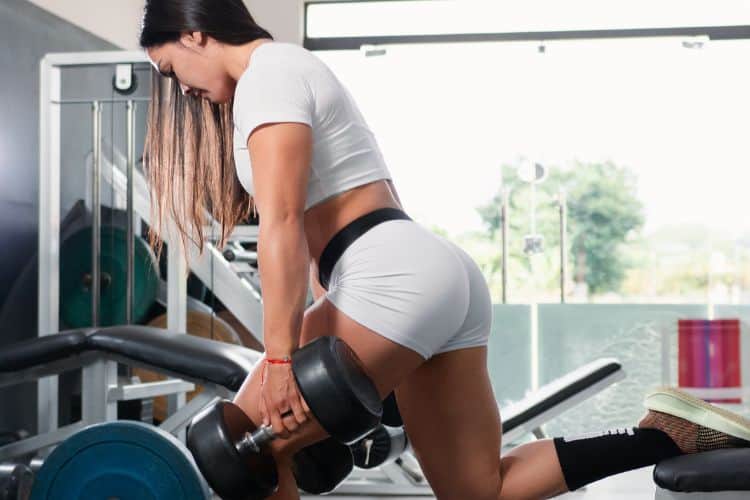
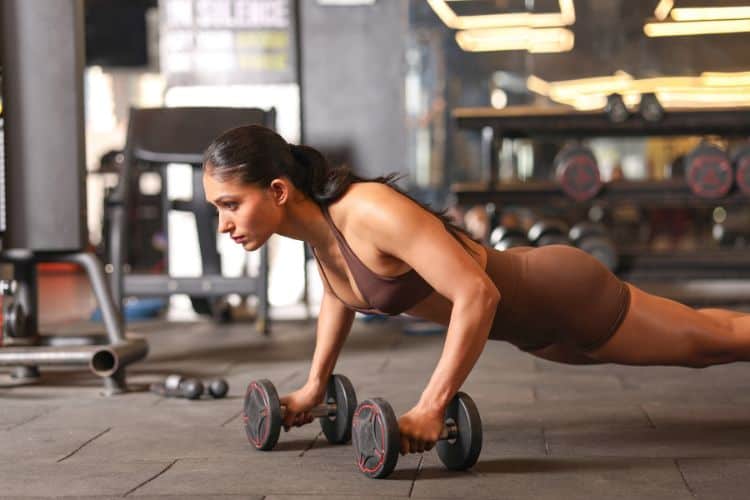
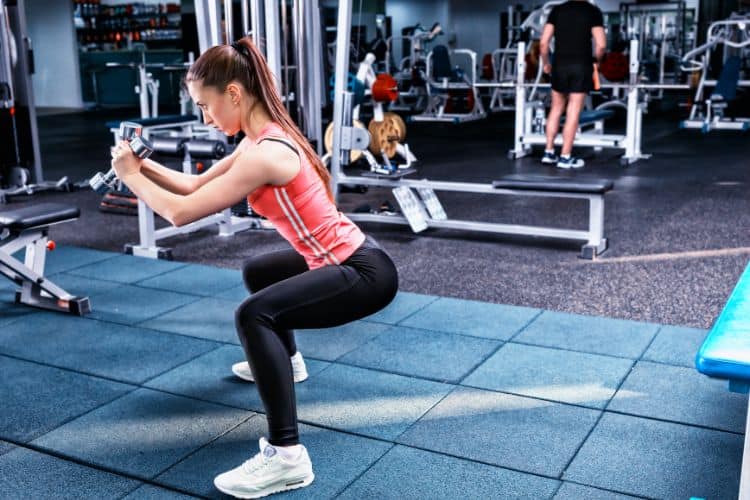
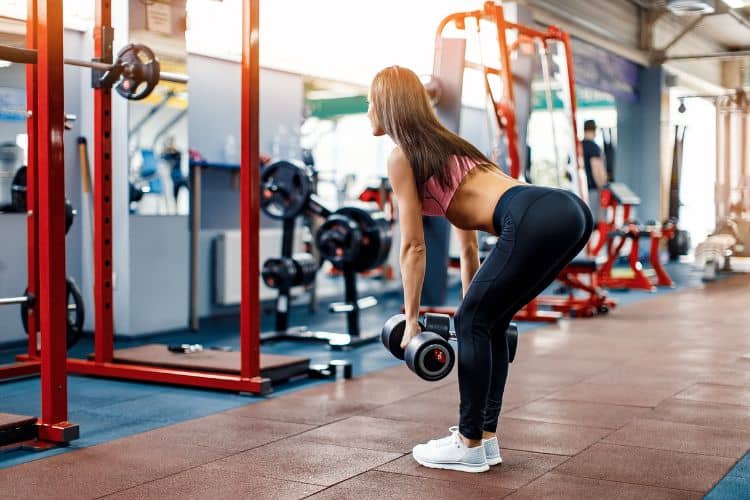
Building stronger, fuller glutes requires more than performing random lower-body exercises or repeating the same workout every week. Your muscles need a reason to adapt, and progressive overload provides that reason. By gradually increasing the challenge placed on your glutes, you can continue building strength, improving muscle definition, and developing better lower-body function. A 4 week progressive overload glute workout with dumbbells is an effective option for training at home or in the gym. Dumbbells are versatile, easy to use, and suitable for beginners as well as experienced lifters. You can use them for hip thrusts, Romanian deadlifts, squats, lunges, step-ups, and other movements that train the gluteus maximus, gluteus medius, and surrounding muscles.
The workout below combines heavy compound exercises, single-leg movements, and targeted glute exercises. It also includes a structured progression plan so that you know how to make the routine more challenging without sacrificing form or recovery.
Progressive overload is the gradual process of asking your muscles to perform more work over time. When you consistently expose your glutes to a slightly greater training demand, your body adapts by becoming stronger and potentially building more muscle.
Many people assume progressive overload simply means using heavier dumbbells. Increasing weight is one effective strategy, but it is not the only option. You can also perform additional repetitions, add another set, improve your range of motion, slow down the lowering phase, reduce unnecessary rest, or execute each repetition with better control.
The key is gradual progression. Trying to increase every variable at once can lead to poor exercise form, excessive soreness, and inadequate recovery. Instead, focus on improving one part of your training while keeping the rest of the workout consistent.
For example, you might begin dumbbell hip thrusts with 25 pounds for three sets of 10 repetitions. Over several workouts, you could progress to three sets of 12 repetitions. Once you can complete all the prescribed repetitions with good form, you might increase the weight and return to 10 repetitions.
Your glutes adapt to the demands placed on them. A workout that initially feels difficult will eventually become easier if the exercises, weight, repetitions, and sets never change. Although the workout may still burn calories and support general fitness, it may no longer provide a strong enough stimulus for continued strength or muscle growth.
Progressive overload helps prevent this plateau. It allows you to challenge the glutes at an appropriate level while giving your joints, connective tissues, and nervous system time to adjust.
Stronger glutes also provide benefits beyond appearance. The glute muscles contribute to hip extension, pelvic stability, posture, walking, climbing stairs, running, jumping, and lifting. Training them can improve the way your entire lower body functions.
A well-designed glute routine should include exercises that challenge the muscles in different positions. Hip thrusts emphasize the shortened position of the glutes, while Romanian deadlifts load them in a lengthened position. Lunges, squats, and step-ups train the glutes while also developing coordination, balance, and leg strength.
The glutes consist of three primary muscles. The gluteus maximus is the largest and most powerful. It is responsible for extending the hip, rotating the thigh, and helping you stand from a squat or drive through a hip thrust.
The gluteus medius is located along the upper and outer portion of the hip. It assists with moving the leg away from the body and stabilizing the pelvis during single-leg activities. The smaller gluteus minimus works with the gluteus medius to support hip movement and stability.
This workout also involves the hamstrings, quadriceps, adductors, calves, and core. Compound exercises naturally recruit several muscle groups, but proper technique and intentional movement can help keep the glutes heavily involved.
You need one or two pairs of dumbbells and enough space to perform lunges, deadlifts, and floor exercises. A sturdy bench, couch, or exercise platform is helpful for hip thrusts and step-ups.
Ideally, you should have access to more than one dumbbell weight. A heavier pair can be used for Romanian deadlifts, squats, and hip thrusts, while a lighter pair may be more appropriate for lunges and single-leg exercises.
If you only have one pair of dumbbells, you can still apply progressive overload by increasing repetitions, performing slower repetitions, adding pauses, or using unilateral variations. Adjustable dumbbells are particularly convenient because they allow for smaller and more consistent weight increases.
Most people can perform this progressive overload glute workout two times per week. Allow at least 48 hours between sessions so your muscles have time to recover.
You could perform the workout on Monday and Thursday or Tuesday and Friday. If you already follow a full-body or lower-body training program, use this routine as one of your primary lower-body sessions rather than adding it on top of several demanding leg workouts.
More training is not automatically better. Your glutes grow and become stronger when effective training is combined with adequate recovery, sufficient protein, balanced nutrition, and consistent sleep.
Beginners may start with one or two weekly sessions and two sets of each exercise. More experienced lifters can complete three or four sets, depending on their recovery and overall training schedule.
Spend five to eight minutes preparing your hips, knees, and lower back before using challenging weights. Begin with light movement such as brisk walking, marching in place, or easy bodyweight squats.
Continue with 10 glute bridges, eight bodyweight reverse lunges per leg, 10 hip hinges, and eight lateral lunges per side. Perform each movement slowly and focus on your range of motion.
You can also complete one light practice set of the first two exercises. A warm-up set helps reinforce your technique and allows you to determine whether your planned working weight is appropriate that day.
The warm-up should make you feel prepared rather than fatigued. Save your greatest effort for the working sets.
Complete the exercises in the order presented. Rest for 60 to 90 seconds after moderate sets and up to two minutes after demanding sets of hip thrusts, squats, or Romanian deadlifts.
Choose weights that allow you to maintain good form while leaving approximately one to three controlled repetitions in reserve. The final repetitions should feel challenging, but they should not become rushed or unstable.
Perform four sets of eight to 12 repetitions.
Sit on the floor with your upper back against a stable bench or couch. Bend your knees, place your feet flat on the floor, and position a dumbbell across your hips. Hold the dumbbell securely with both hands.
Brace your core and drive through your feet as you lift your hips. At the top, your torso should be approximately parallel to the floor. Squeeze your glutes without excessively arching your lower back. Lower your hips under control and repeat.
The dumbbell hip thrust is one of the best exercises for directly loading the glutes. To progress, increase repetitions until you can complete four sets of 12. You can then use a heavier dumbbell and begin again at eight to 10 repetitions.
Perform three sets of eight to 12 repetitions.
Stand with your feet approximately hip-width apart and hold the dumbbells in front of your thighs. Keep your knees slightly bent. Push your hips backward while lowering the weights close to your legs.
Continue until you feel a strong stretch through your hamstrings and glutes without rounding your back. Drive your hips forward to return to standing, finishing tall without leaning backward.
The Romanian deadlift trains the glutes in a lengthened position. Concentrate on moving from the hips rather than turning the exercise into a squat. Increase the load when you can complete all three sets at the top of the repetition range with consistent technique.
Perform three sets of eight to 10 repetitions per leg.
Stand a few feet in front of a bench and place the top of one foot behind you. Hold a dumbbell in each hand, brace your core, and lower your body by bending your front knee.
A slightly longer stance and modest forward torso lean can help emphasize the glutes. Push through the entire front foot to return to the starting position. Complete all repetitions on one side before switching legs.
Begin without weights if you are still developing your balance. Once you can perform controlled bodyweight repetitions, add light dumbbells. Progress slowly because this exercise becomes challenging quickly.
Perform three sets of 10 to 15 repetitions.
Stand with your feet wider than shoulder-width apart and turn your toes slightly outward. Hold one dumbbell vertically in front of your body. Keep your chest lifted as you lower into a squat.
Allow your knees to track in the same direction as your toes. Descend as far as you can while maintaining a neutral spine and keeping your feet firmly planted. Drive through the floor and squeeze your glutes as you stand.
Avoid forcing an extremely wide stance. Use a position that allows your hips and knees to move comfortably. Progress by increasing the weight, adding repetitions, or pausing briefly at the bottom of each squat.
Perform three sets of eight to 12 repetitions per leg.
Stand in front of a sturdy bench or platform while holding dumbbells at your sides. Place one entire foot on the platform. Push through that foot and lift your body onto the bench without relying heavily on the trailing leg.
Stand tall at the top and lower yourself slowly. Complete the repetitions on one side or alternate legs, depending on your preference.
Choose a platform height that lets you maintain control. A surface that is too high may cause you to push excessively from the back foot or round your lower back. Increase the dumbbell weight only after you can complete smooth repetitions without losing your balance.
Perform three sets of 10 repetitions per leg.
Stand tall with a dumbbell in each hand. Step one foot backward and lower your back knee toward the floor. Keep the front foot planted and maintain control through the entire movement.
Push through the front foot to return to standing. Avoid launching yourself forward with the back leg. A longer backward step and slight forward torso angle can increase glute involvement, while a shorter step may place more emphasis on the quadriceps.
Reverse lunges are often more knee-friendly and easier to control than forward lunges. Progress by adding weight or increasing the repetitions to 12 per side.
Perform two or three sets of 15 to 20 repetitions.
Lie on your back with your knees bent and feet flat on the floor. Place a dumbbell across your hips and hold it securely. Brace your core and lift your hips by squeezing your glutes.
Pause for one or two seconds at the top before lowering slowly. Keep your ribs controlled and avoid using excessive lower-back extension.
The glute bridge makes an effective finisher because it allows you to accumulate additional glute-focused repetitions with relatively little balance required. For a greater challenge, perform the movement one leg at a time or use a longer pause at the top.
A simple four-week structure can help you progress without changing the entire workout.
Choose manageable weights and concentrate on learning each movement. Stay near the lower end of the prescribed repetition ranges and stop each set with two or three good repetitions remaining.
Record the weight, sets, and repetitions you complete. This information becomes your baseline for the following weeks.
Keep the same dumbbells and try to add one repetition to each set. You do not need to increase every exercise during the same workout. Even one or two total additional repetitions represent progress.
Maintain the same range of motion and movement control. Extra repetitions only count as progressive overload when they are performed with acceptable technique.
Continue adding repetitions until you approach the top of each prescribed range. You might perform four sets of 12 hip thrusts, three sets of 12 Romanian deadlifts, and three sets of 10 Bulgarian split squats.
If you cannot increase repetitions on a particular exercise, maintain your previous performance and try again during the next session.
Increase the weight on exercises where you have reached the top of the repetition range. After adding weight, return to the lower end of the range.
If the next available dumbbell is too heavy, keep your current weight and use a slower lowering phase or an additional pause. You can then repeat the four-week process with your new starting weights.
The correct weight should make the final few repetitions demanding without causing your technique to break down. If you finish a set and feel capable of performing six or more additional repetitions, the weight is probably too light for your current goal.
If you cannot reach the minimum number of prescribed repetitions, or if you need to shorten the range of motion, choose a lighter weight.
Different exercises require different loads. You will probably use more weight for hip thrusts and Romanian deadlifts than for Bulgarian split squats or reverse lunges. Avoid choosing one dumbbell size for every movement simply for convenience.
Increasing weight too quickly is one of the most common mistakes. Heavier dumbbells are useful only when you can control them. If additional weight causes your knees to collapse inward, your back to round, or your range of motion to shrink, the progression is premature.
Another mistake is changing the workout too frequently. Constantly replacing exercises makes it difficult to measure progress. Keep the primary movements consistent for at least four to eight weeks so you can improve your skill and accurately compare your performance.
Training every set to complete failure can also interfere with recovery. Most sets should end with one to three quality repetitions remaining. Occasional high-effort sets can be useful, but every workout does not need to leave you exhausted.
Finally, do not overlook recovery. If your performance continually declines, your soreness lasts for several days, or your joints become uncomfortable, reduce your training volume or take additional rest.
Resistance training provides the stimulus for improvement, but your body still needs the resources to recover. Include a quality source of protein in your meals and consume enough total food to support your activity level.
Carbohydrates can help fuel challenging workouts, while dietary fats support general health. Hydration also matters, particularly if you exercise in a warm environment or sweat heavily.
Aim for a consistent sleep schedule whenever possible. Muscle repair, hormonal regulation, and nervous-system recovery all benefit from adequate rest.
Gentle walking or mobility work on non-training days can reduce stiffness without adding substantial fatigue. You do not need intense cardio after every glute workout, although moderate cardio can be included according to your fitness goals.
A progressive overload glute workout with dumbbells gives you a clear and practical way to build lower-body strength. Rather than searching for a completely new workout every week, you can focus on improving a proven group of exercises.
Begin with weights you can control, record your results, and increase the challenge gradually. Add repetitions before weight when appropriate, protect your exercise form, and give your body enough time to recover between sessions.
Consistency is what makes progressive overload effective. Small improvements may not seem dramatic during a single workout, but additional repetitions, stronger dumbbells, better control, and improved range of motion can produce meaningful results over several months.
If you are new to exercise, returning after an injury, pregnant, postpartum, or managing a medical condition, consult a qualified healthcare professional before starting a new training routine. Once you are ready, perform this workout twice per week and let steady, measurable progression guide your glute training.
To get even more from this progressive overload glute workout, pair it with our 30 Minute Dumbbell Glute Workout for another focused training option. You can improve your exercise selection with these Effective Exercises for Quads Glutes and Thighs or add more lower-body training volume with this 45 Minute Lower Body Dumbbell Workout. For additional exercise ideas, explore these 15 Dumbbell Leg Exercises For Strength And Power. You can also strengthen your hip-extension technique and build a better mind-muscle connection with these Glute Bridge Workouts For Women.
Stay up to date on the latest women’s health, fitness and lifestyle trends and tips.
