


Sign up for workout ideas, training advice, reviews of the latest gear and more.

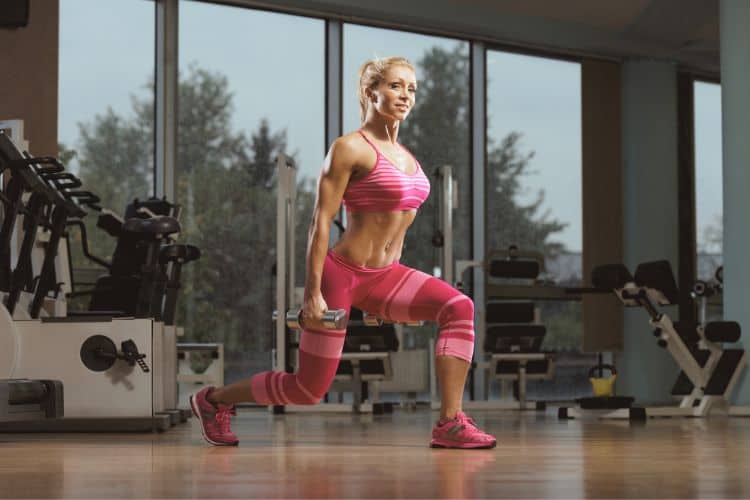
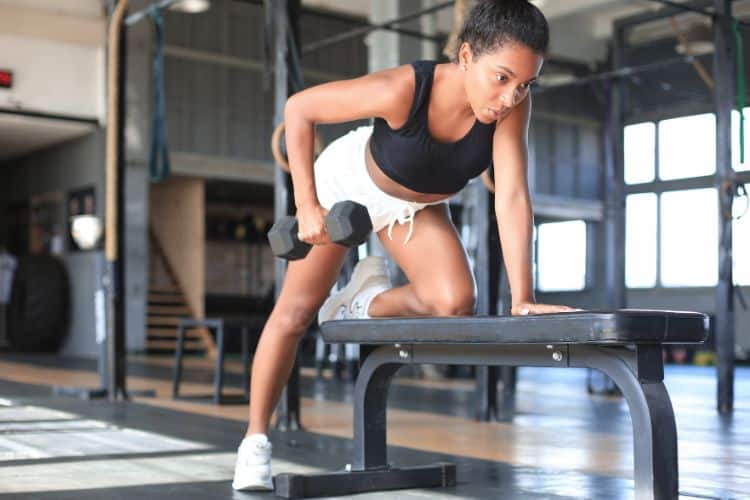
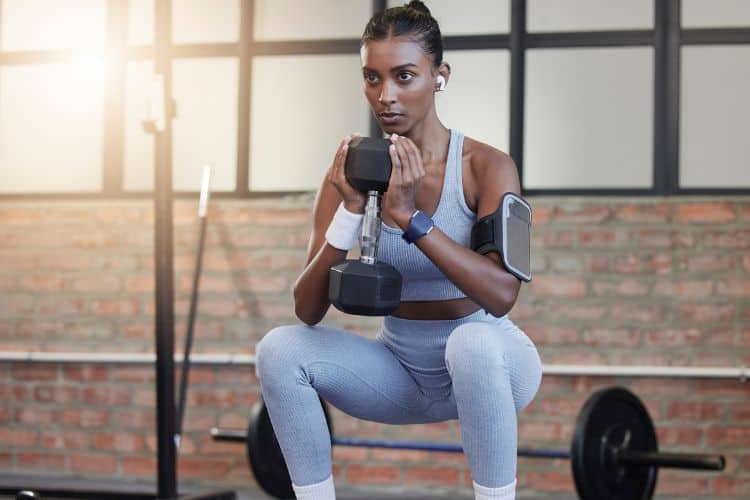
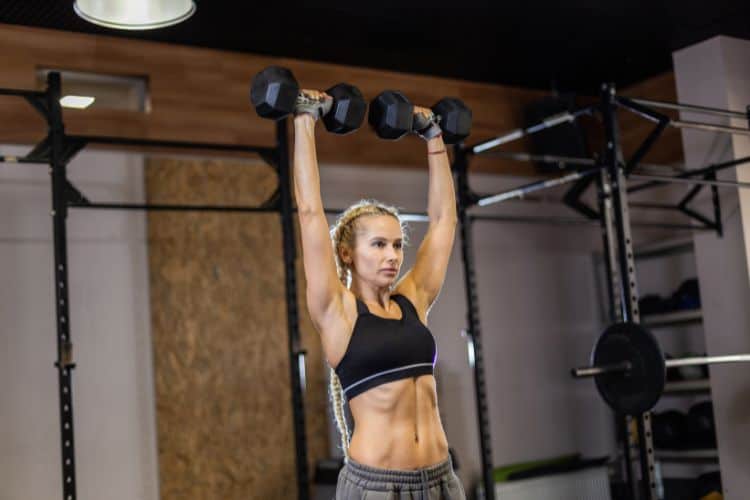
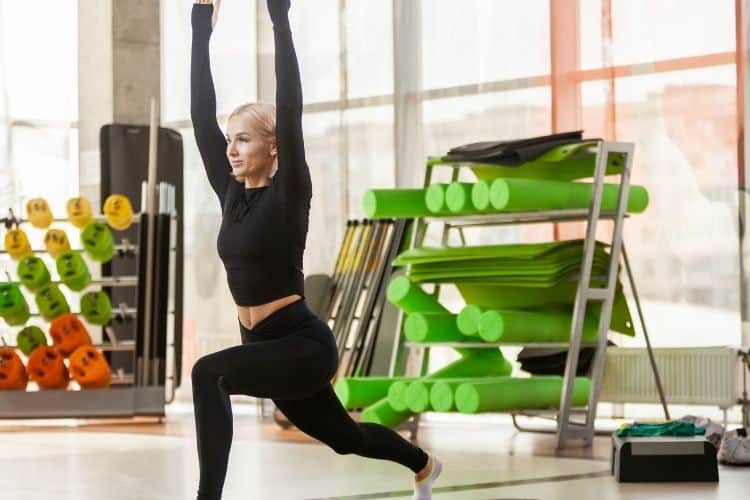
Returning to exercise after having a baby can feel very different from any fitness routine you followed before pregnancy. Your body has been through pregnancy, delivery, hormonal changes, disrupted sleep, and the demands of caring for a newborn. A 30 day postpartum HIIT workout plan should therefore look different from a traditional high-intensity challenge. Instead of immediately jumping into burpees, sprinting, and high-impact intervals, the goal is to gradually rebuild strength, cardiovascular fitness, core control, and confidence.
This 30-day plan uses progressive interval-style training that can eventually develop into true HIIT as your recovery allows. It begins with low-impact movements and controlled strength exercises before gradually increasing intensity. The workouts are designed to be practical for busy new moms and can be completed at home with minimal or no equipment.
Postpartum recovery timelines vary considerably. Before beginning HIIT or returning to strenuous exercise, get clearance from your healthcare professional, particularly after a C-section, complicated delivery, significant tearing, pelvic-floor symptoms, or other pregnancy or birth complications. Being cleared for general exercise also does not necessarily mean your body is ready for maximum-intensity jumping or running.
High-intensity interval training normally alternates short periods of challenging exercise with periods of recovery. Traditional HIIT might include exercises such as jump squats, burpees, mountain climbers, sprinting, and jumping lunges.
A postpartum HIIT workout takes a more progressive approach.
During the early stages of returning to exercise, the “high-intensity” portion can simply mean working harder than you do during the recovery interval. For example, you might alternate 30 seconds of bodyweight squats with 30 seconds of gentle marching.
As your strength and conditioning improve, the working intervals can become more demanding.
This approach allows you to benefit from efficient interval training without assuming that every postpartum woman should immediately return to high-impact exercise.
Pregnancy affects the abdominal wall, pelvic floor, posture, joints, and overall movement mechanics. Delivery creates additional recovery demands, whether you have a vaginal birth or C-section.
Sleep deprivation can also significantly affect exercise performance and recovery.
For these reasons, the best postpartum workout program is not necessarily the hardest one. It is the program that allows you to progressively increase your workload while paying attention to how your body responds.
Thirty days provides a useful framework for building consistency, but it should not be viewed as a deadline for returning to your pre-pregnancy fitness level.
One of the biggest advantages of postpartum interval workouts is efficiency. Finding an uninterrupted hour for exercise can be difficult with a newborn, while a focused 15- to 30-minute workout may be much easier to fit into your day.
Interval training can also help gradually rebuild cardiovascular endurance. Pregnancy and the postpartum recovery period may reduce your usual activity level, making exercises that once felt easy surprisingly challenging.
Progressive workouts can help rebuild that fitness.
Strength-focused HIIT exercises also train several muscle groups simultaneously. Squats, bridges, rows, presses, lunges, and modified push-ups can strengthen the legs, glutes, back, shoulders, arms, and core while keeping the workout relatively short.
Another important benefit is establishing a consistent exercise habit. Instead of focusing entirely on calories burned or weight loss, the first month can be used to create a realistic routine that works with your new schedule.
Postpartum exercise should always be individualized. Some women may be ready for structured exercise relatively soon after receiving medical clearance, while others may need additional recovery time or specialized support.
Pay attention to symptoms during and after workouts.
Pelvic pressure or heaviness, urinary or bowel leakage, pain, increased bleeding, unusual abdominal bulging or doming, dizziness, incision discomfort, or worsening pelvic-floor symptoms are reasons to stop or modify the workout and discuss your symptoms with an appropriate healthcare professional.
Women experiencing pelvic-floor concerns may also benefit from working with a pelvic-floor physical therapist.
Use perceived exertion instead of assuming that every workout needs to be performed at maximum intensity.
During the first week, aim for approximately 4 to 5 out of 10 effort. You should feel like you are exercising while remaining comfortably in control.
During weeks two and three, some intervals can progress toward approximately 5 to 7 out of 10 if you are recovering well.
By week four, appropriately recovered women may perform some intervals around 7 to 8 out of 10. Maximum-effort training is unnecessary for this program.
Remember that intensity is relative. A brisk march might currently challenge you as much as running did before pregnancy.
Most of this program can be performed using your body weight.
A supportive exercise mat is useful for floor exercises. You can also use a sturdy chair or countertop for balance and modified push-ups.
Later in the program, light dumbbells or resistance bands can be added if you already have them and feel comfortable using resistance.
Do not worry if you have no equipment. Bodyweight exercises can provide plenty of resistance when you are rebuilding fitness.
The first seven days are about reconnecting with movement rather than chasing intensity.
Keep your movements controlled and focus on breathing, posture, coordination, and comfortable range of motion.
Warm up for approximately five minutes with easy walking, shoulder rolls, arm circles, and gentle side steps.
Complete 30 seconds of controlled bodyweight squats followed by 30 seconds of easy marching. Continue with 30 seconds of wall push-ups and 30 seconds of recovery.
Perform 30 seconds of standing alternating knee raises, followed by 30 seconds of rest.
Finish with 30 seconds of glute bridges and another 30-second recovery period.
Repeat the circuit two or three times depending on your energy level.
Take a comfortable 15- to 30-minute walk.
Your pace should allow you to carry on a conversation. If one continuous walk feels like too much, divide it into shorter sessions throughout the day.
Perform controlled squats, glute bridges, standing hip abductions, supported reverse lunges or split-stance movements, and heel raises.
Work for approximately 30 seconds and recover for 30 to 45 seconds between exercises.
Complete two rounds.
Core work during this stage should emphasize breathing and control rather than aggressive crunching.
Use today for recovery.
Gentle walking and comfortable mobility can be included, but there is no need to perform structured HIIT.
Alternate 30 seconds of brisk marching with 30 seconds of easy walking.
Add side steps, controlled step jacks without jumping, alternating knee drives, and gentle squat-to-reach movements.
Complete approximately 15 to 20 minutes.
Perform squats, incline push-ups, glute bridges, supported split squats, bird dogs, and light resistance rows if you have a resistance band or dumbbells.
Complete eight to twelve controlled repetitions of each movement for two rounds.
Finish your first week with rest, stretching, or an easy walk.
During the second week, slightly increase your working intervals while keeping exercises low impact.
A useful format is 40 seconds of exercise followed by 20 seconds of recovery.
Perform squats for 40 seconds, then rest for 20 seconds.
Continue with incline push-ups, alternating reverse lunges, brisk marching, glute bridges, and standing knee drives.
Complete three rounds if you feel comfortable.
Walk for 20 to 30 minutes at a comfortable pace.
Add gentle mobility afterward if desired.
Your circuit includes squats, supported reverse lunges, alternating side steps, glute bridges, calf raises, and controlled squat-to-knee-drive combinations.
Work for 40 seconds and rest for 20 seconds.
Complete two to three rounds.
Allow your body to recover.
Remember that postpartum progress does not depend on training every day.
Perform incline push-ups, resistance-band or dumbbell rows, light shoulder presses if comfortable, bird dogs, heel slides, and standing marches.
Move slowly during core exercises and watch for pressure, pain, or abdominal doming.
Alternate brisk marching, low-impact step jacks, side-to-side steps, alternating knee drives, and squat-to-reach movements.
Use 40-second working intervals followed by 20 seconds of recovery.
Complete 15 to 25 minutes.
Finish week two with comfortable walking and mobility.
Week three gradually increases the challenge.
If you have experienced no concerning symptoms and feel well recovered, you can move slightly faster or introduce light resistance.
High-impact exercise is still optional.
Perform squats, incline push-ups, reverse lunges, rows, brisk marches, and glute bridges.
Work for 45 seconds followed by 15 to 30 seconds of recovery.
Complete three rounds.
Walk for approximately 25 to 35 minutes or complete a gentle mobility routine.
Perform sumo squats, glute bridges, supported split squats, standing lateral leg raises, calf raises, and controlled alternating knee drives.
Add light dumbbells only if bodyweight movements feel comfortable.
Take a complete rest day or perform gentle mobility.
Perform low-impact fast feet, step jacks, knee drives, lateral steps, squat-to-reach movements, and brisk marching.
Work for 40 to 45 seconds and recover for 15 to 20 seconds.
Complete three rounds.
Alternate strength movements with gentle cardio.
For example, perform squats followed by marching, incline push-ups followed by side steps, reverse lunges followed by knee drives, and rows followed by brisk marching.
This combination keeps your heart rate elevated without requiring jumping.
Take an easy walk, stretch, or completely rest.
The final portion of the 30 day postpartum HIIT workout plan introduces more challenging intervals for women who have progressed comfortably.
High-impact movements remain optional.
You do not need jumping exercises to make HIIT effective.
Perform 45 seconds of squats, reverse lunges, incline or modified push-ups, fast marching, rows, glute bridges, and step jacks.
Recover for approximately 15 seconds between movements.
Complete three rounds.
Take an easy 20- to 30-minute walk.
Perform squats, split squats, glute bridges, lateral lunges within a comfortable range, calf raises, and alternating knee drives.
Use resistance if appropriate.
Prioritize sleep and recovery as much as your schedule allows.
Alternate 30 to 45 seconds of brisk cardio with 15 to 30 seconds of recovery.
Choose movements such as fast marching, step jacks, lateral steps, knee drives, and squat-to-reach combinations.
If you have already returned to impact exercise under appropriate guidance and have no pelvic-floor or recovery symptoms, you may optionally substitute higher-impact variations. Otherwise, stay low impact.
Perform incline push-ups, rows, shoulder presses, bird dogs, controlled heel slides, and carries with light dumbbells if available.
Complete three controlled rounds.
Walk, stretch, or perform gentle mobility.
Day 29 combines the movements you have practiced throughout the month.
Perform squats, reverse lunges, incline push-ups, rows, step jacks, knee drives, glute bridges, and brisk marching.
Work for 45 seconds and recover for 15 seconds.
Complete three rounds.
Your objective is not to finish exhausted. You should complete the workout feeling challenged but still able to maintain good technique.
Congratulations on reaching day 30.
Instead of finishing with an extreme workout, use the final day to evaluate your progress.
Take a comfortable walk and consider how your strength, stamina, movement quality, and confidence have changed during the month.
Ask yourself whether exercises feel easier, whether your recovery between intervals has improved, and whether you can comfortably handle longer workouts.
These improvements can be more useful measures of postpartum fitness progress than the number on the scale.
One of the most important skills during postpartum training is knowing how to modify exercises.
If jumping jacks feel uncomfortable, perform step jacks.
Instead of burpees, perform elevated walk-outs using a sturdy surface or use a squat-to-reach.
Instead of running in place, march quickly.
Instead of standard floor push-ups, use a wall, countertop, or sturdy elevated surface.
If lunges cause discomfort or instability, use supported split squats or replace them with sit-to-stand exercises.
These modifications still allow you to train major muscle groups while controlling impact.
Core recovery deserves special attention after pregnancy.
The abdominal muscles and connective tissues undergo considerable changes during pregnancy, and some women experience diastasis recti or pelvic-floor dysfunction.
Rather than immediately performing large numbers of crunches or sit-ups, begin with movements that emphasize breathing, stability, and controlled tension.
Heel slides, bird dogs, controlled marches, glute bridges, and appropriately progressed anti-rotation exercises can be useful options.
If you notice significant abdominal doming, discomfort, pelvic pressure, or other concerning symptoms, reduce the difficulty and consider consulting a qualified healthcare or pelvic-floor professional.
HIIT can contribute to overall physical activity and energy expenditure, but postpartum weight loss should not be approached as a race.
Nutrition, sleep, daily movement, genetics, breastfeeding status, stress, hormones, and overall activity all influence changes in body weight.
Rather than trying to compensate for food with intense workouts, focus on gradually rebuilding fitness while supporting your body’s nutritional and recovery needs.
Consistency usually matters more than performing occasional extreme workouts.
Postpartum recovery and exercise both require adequate nutrition.
Build meals around nutrient-dense foods such as vegetables, fruits, whole grains, lean proteins, healthy fats, and other foods that fit your dietary needs and preferences.
Protein can support muscle repair and recovery, while carbohydrates provide energy for daily activity and workouts.
Hydration is also important, particularly for women who are breastfeeding.
Individual calorie and nutrient requirements vary, so women with specific postpartum or breastfeeding nutrition questions should consult an appropriate healthcare professional or registered dietitian.
Your schedule may be unpredictable, and that is completely compatible with making fitness progress.
A planned 30-minute workout can become a 15-minute workout when necessary.
You can also divide a workout into two shorter sessions.
Avoid thinking that a shortened workout does not count. Ten or fifteen minutes of intentional movement can still contribute to your weekly activity and help maintain your exercise habit.
It may also help to choose a general workout window rather than a rigid schedule. Some days you may exercise during a nap. Other days you may exercise while your baby is safely occupied nearby.
Flexibility can make your routine much easier to maintain.
After completing this 30 day postpartum HIIT workout plan, you do not need to immediately move into an advanced training program.
You can repeat weeks three and four while gradually increasing resistance, duration, or intensity.
For example, you might begin using heavier dumbbells for squats and rows, progress from wall push-ups to countertop push-ups, or increase a 20-minute workout to 25 minutes.
If you are ready to return to running, jumping, or more demanding HIIT, introduce impact progressively rather than adding several high-impact exercises at once.
Your next program could include two or three strength workouts each week, one or two interval workouts, regular walking, and sufficient recovery.
There is no single postpartum week that is appropriate for everyone. Your delivery, recovery, symptoms, previous fitness level, and medical history all matter. Obtain medical guidance before beginning strenuous postpartum training and progress based on your individual recovery.
Eventually, many women can return to interval and strength training after a C-section, but abdominal surgery requires adequate healing and an individualized progression. Follow your healthcare professional’s recommendations and do not rush into high-impact or strenuous exercise.
A postpartum interval workout may initially last only 10 to 20 minutes. As your fitness improves, sessions can gradually progress toward approximately 20 to 30 minutes.
Longer is not automatically better.
When you are ready for structured interval exercise, two or three sessions per week may be plenty, particularly when combined with walking and strength training. Recovery days between harder workouts can help manage fatigue.
No.
Squats, lunges, step jacks, brisk marching, rows, presses, knee drives, and other low-impact exercises can create challenging interval workouts without jumping.
A successful 30 day postpartum HIIT workout plan should help you rebuild fitness rather than pressure you into returning to your previous performance immediately.
Start with controlled low-impact movements, gradually increase your work intervals, introduce resistance when appropriate, and treat recovery as part of the program.
Most importantly, pay attention to your body’s response. Postpartum fitness is highly individual, and completing an exercise without pain, pressure, leakage, or other concerning symptoms matters more than performing the most advanced variation.
Use these 30 days as a foundation rather than a deadline. With gradual progression, appropriate medical guidance, consistent strength training, walking, interval workouts, nutritious food, hydration, and recovery, you can build a sustainable fitness routine that continues well beyond the first month.
To support your 30 Day Postpartum HIIT Workout Plan, explore more helpful workouts from Women’s Fit Club as you gradually rebuild strength and endurance. Start with our Postpartum Full Body HIIT Workout Plan for postpartum-friendly strength, core, and low-impact conditioning exercises. When you are ready to learn more about interval training, read our HIIT Workout Plan for Women for progressive workout ideas. Beginners can also try this 30-Minute HIIT Workout for Beginners featuring bodyweight exercises and low-impact modifications. For an equipment-free option, add our 20-Minute Bodyweight Workout for Beginners to your routine. Finally, once you have rebuilt your fitness foundation and are ready for more challenging training, explore this 30-Minute HIIT Power Workout for Women for your next progression.
Stay up to date on the latest women’s health, fitness and lifestyle trends and tips.
