


Sign up for workout ideas, training advice, reviews of the latest gear and more.

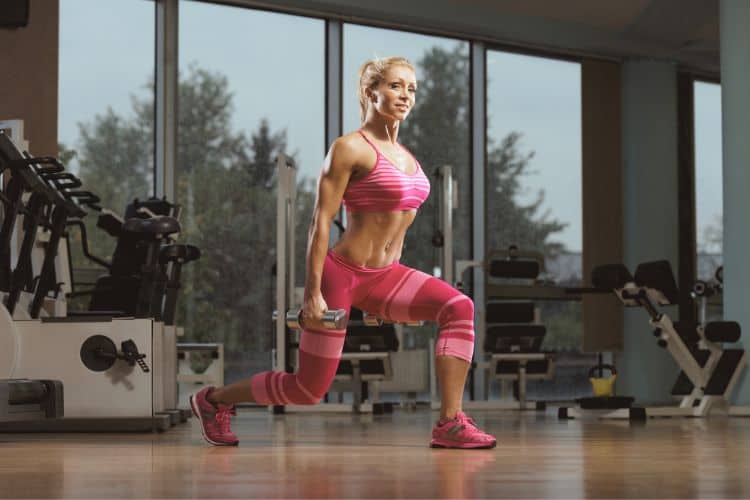
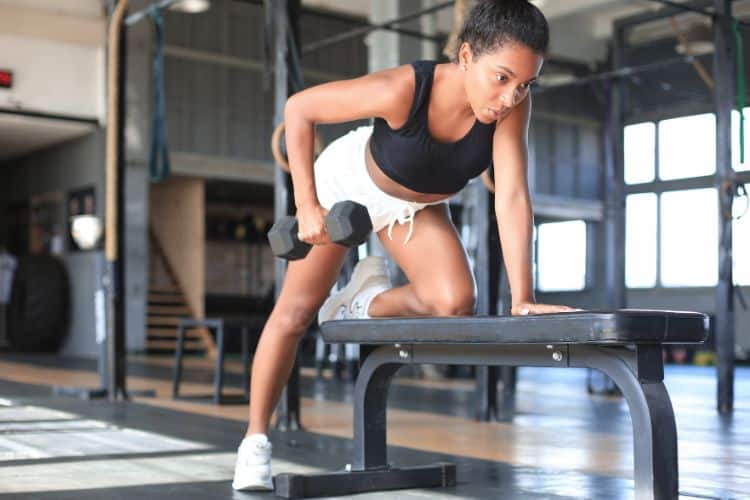
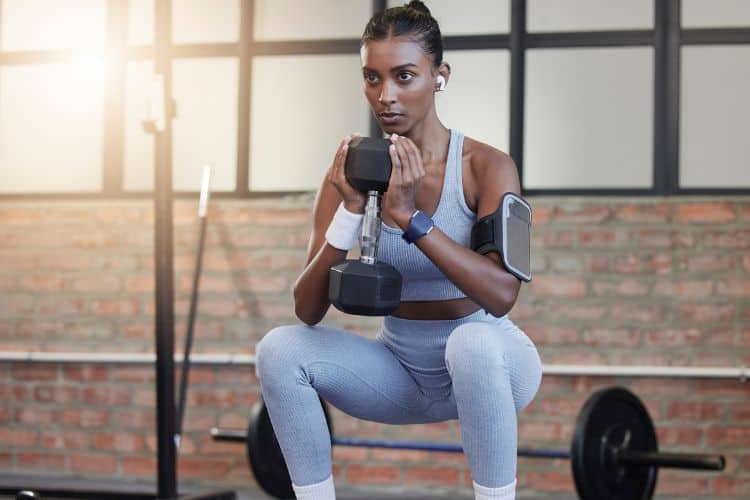
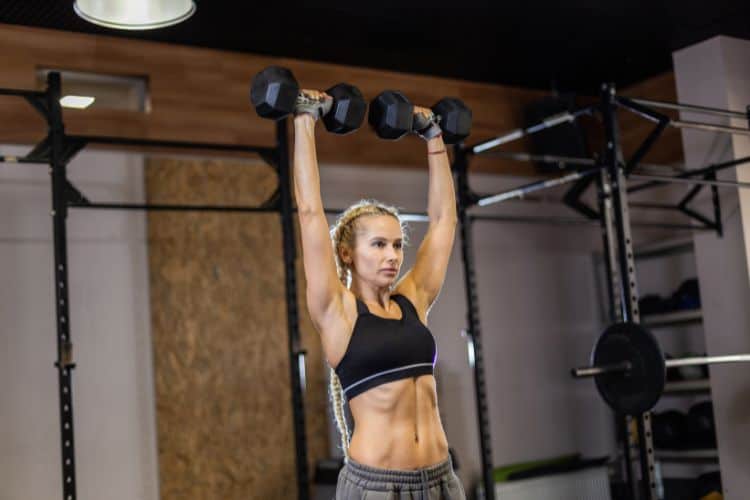
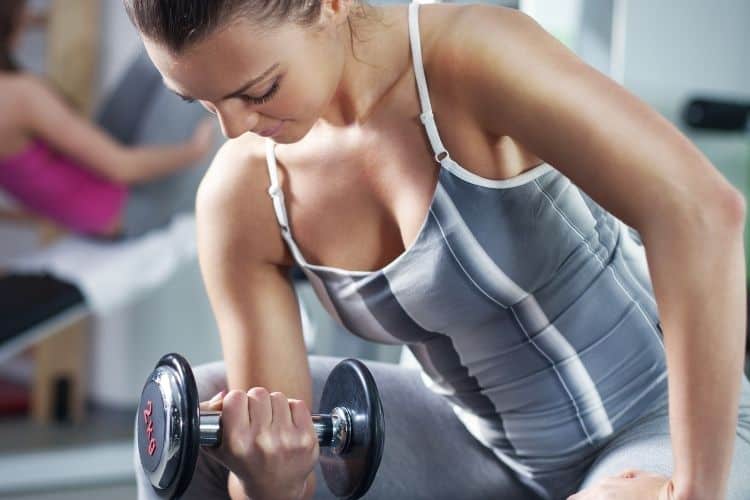
A 30 minute dumbbell workout for toned arms is an efficient way to strengthen your upper body, improve muscle definition, and build functional strength without spending hours in the gym. With a pair of dumbbells and a small amount of space, you can train your biceps, triceps, shoulders, and supporting upper-body muscles through a combination of presses, curls, extensions, and controlled isolation exercises.
When people talk about getting “toned arms,” they are generally describing arms that look strong and defined. Resistance training can build the underlying muscle, while overall nutrition, daily activity, cardiovascular exercise, sleep, and consistency can influence body composition. You cannot selectively burn fat only from your arms, but you can strengthen the muscles of your arms and shoulders so they become more developed as your overall fitness improves.
This 30 minute dumbbell arm workout combines effective exercises into a simple routine that can be performed at home or in the gym. Whether you are beginning strength training or looking for a convenient upper-body session to add to your weekly routine, the workout can be adjusted to your current fitness level.
Dumbbells are particularly useful for arm workouts because each side of your body has to control its own weight. This can help you identify strength differences between your right and left sides while developing coordination and stability.
Thirty minutes is also long enough to complete a productive resistance-training session without creating an unnecessarily complicated workout. By limiting long rest periods and choosing exercises that target different muscle groups, you can accumulate plenty of quality training volume in a relatively short period.
A balanced arm workout should not focus exclusively on biceps. Your triceps make up a significant portion of the upper arm, while your shoulders help create shape and support many pressing and pulling movements. Training all three areas creates a more complete upper-body routine.
Dumbbell exercises also require stabilization. Even a basic overhead press involves your shoulders, arms, upper back, and core working together to control the weights. This makes dumbbell training useful for both appearance-related goals and everyday functional strength.
You only need one or two pairs of dumbbells and enough space to comfortably extend your arms.
Ideally, use a weight that allows you to complete each exercise with controlled technique while making the final few repetitions challenging. Beginners may want lighter dumbbells while learning the movements. More experienced lifters can use heavier weights for curls and presses and lighter dumbbells for exercises such as lateral raises.
If you have several dumbbell sizes available, keep them nearby so you can quickly adjust the resistance between exercises.
You may also want an exercise mat if you prefer performing floor-based movements on a softer surface, although a mat is not required.
The correct dumbbell weight depends on the exercise, your experience, and your current strength.
Rather than choosing one weight for every movement, select resistance based on your ability to maintain proper form. Compound exercises such as overhead presses generally allow you to use more resistance than smaller isolation movements such as lateral raises.
For most exercises in this workout, aim for approximately 8 to 15 controlled repetitions. The last several repetitions should feel noticeably more difficult without forcing you to swing the dumbbells or shorten your range of motion.
If you can easily perform significantly more repetitions than the workout requires, consider increasing the weight. If you cannot complete the target repetitions without losing proper form, decrease the weight.
The workout is divided into a short warm-up, three strength circuits, and a brief finishing section.
Perform each movement slowly enough to maintain control. Rest approximately 20 to 30 seconds between exercises when necessary and 45 to 60 seconds between rounds.
Spend the first three minutes preparing your shoulders, elbows, and upper body for resistance training.
Start with arm circles for approximately 30 seconds in each direction. Gradually increase the size of the circles rather than immediately making large, aggressive movements.
Continue with alternating arm swings across your chest for 30 seconds, followed by shoulder rolls for another 30 seconds.
Next, perform slow bodyweight overhead reaches for 30 seconds. Finish with approximately 30 seconds of very light curls and presses using either no weight or your lightest dumbbells.
The objective is simply to increase movement and prepare the muscles you are about to train.
Complete the following three exercises for approximately seven minutes. Perform 10 to 15 repetitions of each exercise and repeat the circuit as time allows.
Stand tall with a dumbbell in each hand and your palms facing forward. Keep your elbows close to your sides.
Bend your elbows and curl the dumbbells toward your shoulders without allowing your elbows to travel significantly forward. Pause briefly near the top before slowly lowering the weights.
The lowering phase is important. Rather than letting gravity drop the dumbbells, control them until your arms are almost completely extended.
Avoid rocking your torso backward to generate momentum. If you have to swing the weights, use lighter dumbbells.
Hold the dumbbells near shoulder height with your palms facing generally forward. Keep your core engaged and avoid excessively arching your lower back.
Press both dumbbells overhead until your arms are extended comfortably. Slowly lower them to the starting position.
The shoulder press primarily trains the deltoids while your triceps assist with extending your elbows.
If pressing both dumbbells simultaneously is difficult, perform alternating presses.
Hold the dumbbells at your sides with your palms facing inward. Keeping this neutral grip, curl the weights toward your shoulders.
Slowly lower them and repeat.
Hammer curls train the elbow flexors with greater involvement from muscles such as the brachialis and brachioradialis, making them a useful complement to traditional palms-up curls.
Perform 10 to 15 repetitions of each movement. Continue cycling through the exercises for approximately seven minutes.
Hold one dumbbell securely with both hands and position it overhead.
Keeping your upper arms relatively stable, bend your elbows and slowly lower the dumbbell behind your head. Extend your elbows to raise the weight back overhead.
Keep the movement controlled and avoid aggressively flaring your elbows outward.
You can also perform the exercise with one dumbbell in each hand if that variation feels more comfortable.
Stand with a light dumbbell in each hand and your arms at your sides.
With a slight bend in your elbows, raise the dumbbells outward until your arms approach shoulder height. Slowly lower them.
You usually do not need heavy dumbbells for lateral raises. Controlled repetitions with moderate or light resistance can create plenty of challenge.
Avoid shrugging your shoulders toward your ears or using momentum to swing the weights upward.
Hold a dumbbell in each hand and hinge forward slightly from your hips while maintaining a neutral spine.
Bring your upper arms alongside your torso and bend your elbows. Extend your forearms backward until your arms are straight, contracting your triceps at the end of the movement.
Slowly return to the starting position.
Your upper arms should remain relatively stationary while your forearms move.
Spend approximately seven minutes alternating through these three movements.
Stand with the dumbbells at your sides.
Curl one dumbbell toward your shoulder while keeping the opposite arm controlled. Lower the dumbbell and repeat on the other side.
Alternating repetitions allow you to concentrate on one arm at a time and can help you avoid relying on your stronger side.
Keep your shoulders relaxed and resist the temptation to twist your torso as the dumbbell rises.
Begin with the dumbbells in front of your shoulders and your palms facing toward you.
As you press the weights overhead, rotate your hands so your palms face forward. Reverse the movement as you lower the dumbbells.
The Arnold press combines shoulder pressing with rotation, challenging multiple portions of the deltoids.
Use lighter dumbbells than you would for a standard shoulder press until you become comfortable with the movement.
Lie on your back with a dumbbell in each hand. Extend your arms above your chest.
Keeping your upper arms relatively stable, bend your elbows and carefully lower the dumbbells toward either side of your head. Extend your elbows to return to the starting position.
Move slowly and choose a manageable weight because the dumbbells are positioned close to your face.
If this exercise is uncomfortable, substitute another set of overhead triceps extensions.
Finish the workout with a short sequence designed to challenge your arms and shoulders without requiring heavy weights.
Perform 30 seconds of dumbbell curls, followed immediately by 30 seconds of shoulder presses. Continue with 30 seconds of hammer curls, 30 seconds of lateral raises, and 30 seconds of overhead triceps extensions.
Use the remaining time for controlled alternating curls or another exercise from the workout that you want to emphasize.
The goal is not to perform repetitions as quickly as possible. Maintain good technique even when your muscles begin to fatigue.
Performing the exercises is only one part of developing stronger, more defined arms. Your training habits determine whether the routine continues producing results.
Your muscles adapt when they repeatedly encounter an appropriate training challenge. Once the same dumbbell weight and repetition range becomes easy, gradually make the exercise more difficult.
You could increase your dumbbell weight, perform additional repetitions, add another set, improve your range of motion, or slow down the lowering portion of each repetition.
Progress does not have to be dramatic. Moving from 10 controlled repetitions to 12 repetitions with the same weight is still progress.
Keep a simple training log so you know which dumbbells you used and how many repetitions you completed.
Fast repetitions can sometimes allow momentum to perform part of the work.
Try lifting the dumbbell under control and spending approximately two to three seconds lowering it. This slower eccentric phase can make a relatively light dumbbell significantly more challenging.
Controlled repetitions also make it easier to focus on the muscle you are trying to train.
Performing half repetitions simply to lift heavier dumbbells is not necessarily the best strategy for a general arm-toning workout.
Use the fullest comfortable range of motion you can control while maintaining good positioning.
During curls, for example, allow your elbows to approach extension at the bottom before beginning the next repetition instead of repeatedly performing small movements near the top.
You do not need to perform this 30 minute dumbbell workout for toned arms every day.
For many people, completing dedicated upper-body or arm resistance training approximately two or three times per week can provide plenty of training stimulus, depending on the rest of their program.
Remember that your arms are also trained during many chest, back, and shoulder exercises. Rows involve the biceps, while push-ups and pressing movements recruit the triceps.
Recovery is part of training. Allow your muscles sufficient time to recover before repeatedly training the same area intensely.
A simple weekly routine could include this arm workout twice per week with lower-body, full-body, cardiovascular, mobility, or rest days between sessions.
Light dumbbells can absolutely be useful, particularly for beginners and exercises where smaller muscles are doing much of the work.
The important factor is whether the resistance provides enough challenge.
If you can perform 40 or 50 repetitions without meaningful fatigue, the weight may eventually become too light to efficiently support your strength and muscle-building goals.
Instead of assuming that lighter or heavier dumbbells are automatically better, focus on progressive resistance and quality repetitions.
Start with a manageable weight and gradually increase the challenge as you become stronger.
If you are new to dumbbell training, prioritize technique before increasing resistance.
Complete one or two rounds of each circuit initially rather than forcing yourself to match the full workload. You can gradually increase your training volume as your fitness improves.
Choose conservative dumbbell weights during your first several sessions. Learning how each exercise should feel is more important than lifting the heaviest dumbbells available.
You can also take longer rest periods. Resting for 45 or 60 seconds instead of 20 seconds will not ruin the workout. Adequate recovery can actually help you perform stronger, cleaner repetitions.
If an exercise causes sharp or unusual pain rather than normal muscular effort, stop performing it and choose a comfortable alternative.
Exercise builds and strengthens muscle, but nutrition also influences how your physique changes.
Eating sufficient protein supports muscle repair after resistance training. Protein-rich foods can include eggs, fish, poultry, lean meat, Greek yogurt, cottage cheese, beans, lentils, tofu, tempeh, and other foods that fit your dietary preferences.
Carbohydrates provide useful energy for training, particularly when workouts become more demanding. Whole grains, fruit, vegetables, potatoes, rice, and similar foods can contribute to a balanced diet.
Dietary fats are also an important component of overall nutrition.
Rather than searching for foods that supposedly burn arm fat, focus on sustainable eating habits that support your overall health, activity level, and fitness goals.
One common mistake is choosing dumbbells that are too heavy. Heavy weights can be productive when you can control them, but excessive resistance often causes swinging, shortened repetitions, and poor positioning.
Another mistake is rushing through exercises. Performing more repetitions does not necessarily produce a better workout when technique deteriorates.
Ignoring the triceps is also common. Endless curls may strengthen your biceps, but a balanced arm program should include direct triceps and shoulder exercises.
Finally, avoid changing your workout constantly. Repeating effective exercises for several weeks gives you an opportunity to become stronger at them and track your progress.
Once the original workout becomes comfortable, you have several ways to progress.
Increase your dumbbell weight slightly while maintaining the same repetition target. You could also increase your repetitions from 10 to 12, then eventually to 15 before increasing resistance.
Another option is reducing your rest periods moderately.
You can also use supersets. For example, complete biceps curls immediately followed by overhead triceps extensions before resting. Pairing exercises that target different muscles allows you to increase training density without necessarily extending the workout.
Tempo training provides another progression strategy. Lower each dumbbell for three or four seconds before beginning the next repetition.
This routine is already relatively low impact because it does not require jumping, running, or explosive movements.
If standing exercises become uncomfortable, many movements can be performed seated. Seated curls, shoulder presses, lateral raises, and overhead triceps extensions can all provide effective upper-body resistance training.
You can also decrease the dumbbell weight, reduce the number of repetitions, and increase rest periods.
The best workout is not necessarily the hardest possible workout. It is one you can perform consistently while maintaining appropriate technique.
For balanced fitness, combine your arm training with exercises for your back, chest, core, and lower body.
For example, you could perform a full-body dumbbell workout early in the week, this dedicated arm workout several days later, and another total-body session toward the end of the week.
You could also use this routine as part of an upper-body/lower-body split.
Avoid focusing exclusively on muscles you can easily see in the mirror. Training your back, rear shoulders, legs, glutes, and core contributes to overall strength and creates a more complete fitness program.
Yes. A well-structured 30-minute session can provide enough time to train your biceps, triceps, and shoulders effectively. Training quality, appropriate resistance, progression, and consistency are more important than simply making the workout longer.
Yes. The routine requires minimal space and dumbbells, making it suitable for home workouts. You do not need cable machines, barbells, or other large gym equipment.
There is no universal timeline. Changes depend on factors including your starting point, training experience, consistency, nutrition, recovery, genetics, and overall body composition.
Rather than focusing exclusively on appearance, track measurable improvements such as performing more repetitions, using heavier dumbbells, or completing exercises with better control.
Women can benefit from gradually increasing resistance just like anyone else performing strength training. “Heavy” is relative to the individual and the exercise.
The objective is to use enough resistance to challenge your muscles while maintaining proper form.
Resistance training cannot determine where your body loses fat. Dumbbell exercises can strengthen and build your arm muscles, while overall changes in body fat depend on broader factors such as nutrition, activity, and energy balance.
A 30 minute dumbbell workout for toned arms does not need complicated equipment or dozens of exercises. A balanced combination of curls, presses, raises, and triceps movements can effectively train your arms and shoulders in a relatively short session.
Start with dumbbell weights you can control, concentrate on full and comfortable repetitions, and gradually increase the challenge as your strength improves. Traditional curls and hammer curls train the front of your arms, while overhead extensions, kickbacks, and skull crushers emphasize the triceps. Shoulder presses and lateral raises complete the routine by strengthening the muscles surrounding the upper arms.
Most importantly, give the program time to work. Consistent strength training, progressive overload, adequate recovery, and supportive nutrition will generally be more productive than searching for a new arm workout every few days.
Repeat this routine regularly, record your dumbbell weights and repetitions, and aim for small improvements over time. Those gradual improvements are what turn a simple 30 minute dumbbell arm workout into a sustainable strategy for building stronger, more defined arms.
For even more ways to build strong, defined arms with dumbbells, explore these workouts from Women’s Fit Club. Start with this 15-Minute Dumbbell Arm Workout when you need a fast arm session, or progress to the 20-Minute Dumbbell Arm Workout for Lean Toned Arms for additional training volume. For a complete arm-focused session, try the 30-Minute Dumbbell Arm Workout Plan, then add more balanced upper-body training with the 30-Minute Upper Body Dumbbell Strength Workout. You can also incorporate your arm training into a longer weekly routine with the 5-Day Dumbbell-Only Workout Plan for Women, which combines arm, shoulder, upper-body, and lower-body strength exercises for a more complete dumbbell training program.
Stay up to date on the latest women’s health, fitness and lifestyle trends and tips.
