


Sign up for workout ideas, training advice, reviews of the latest gear and more.

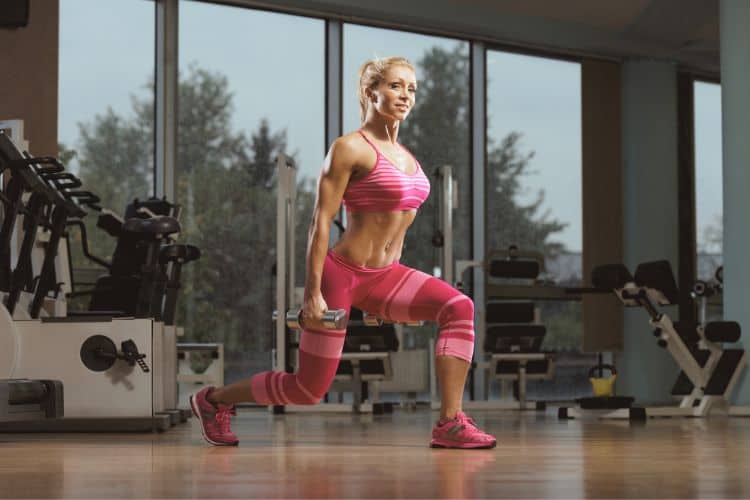
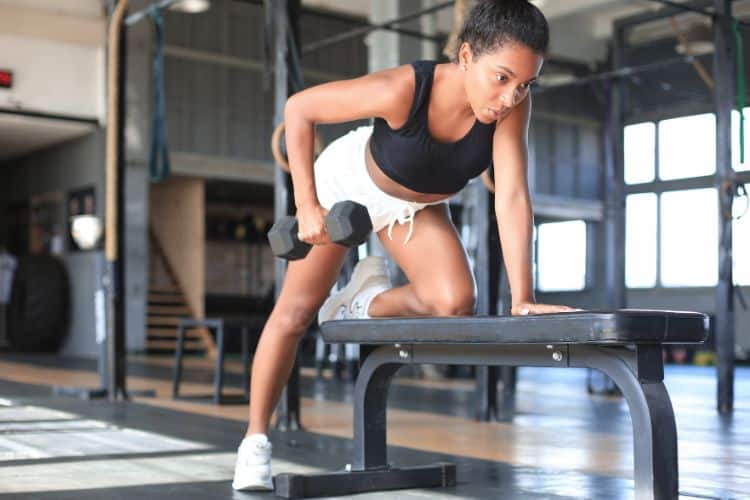
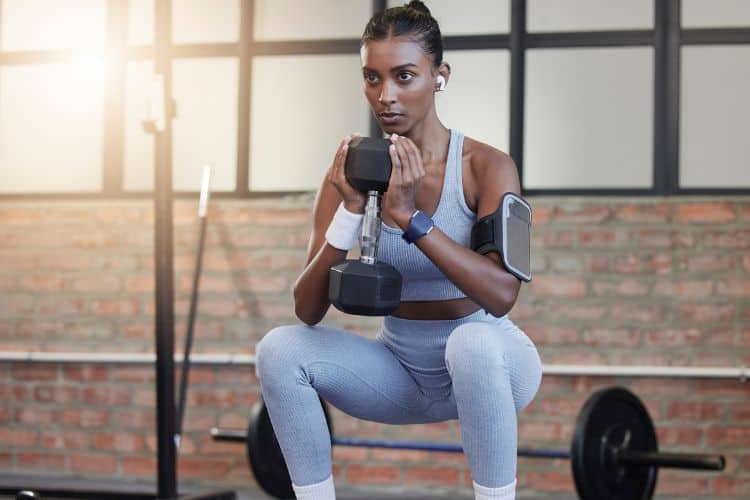
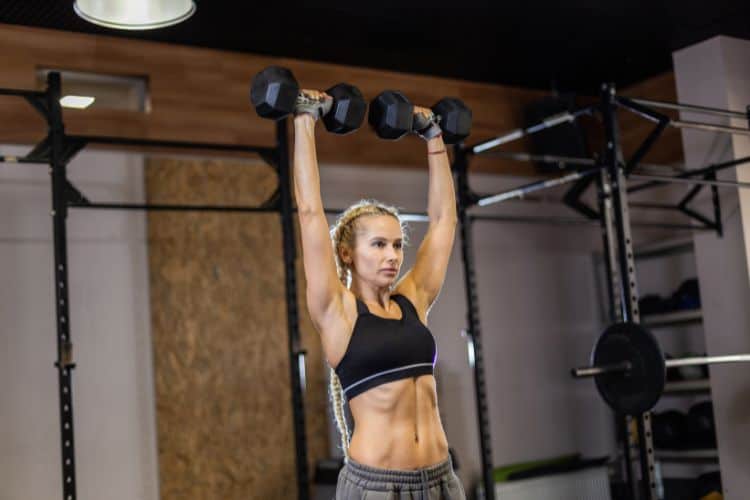
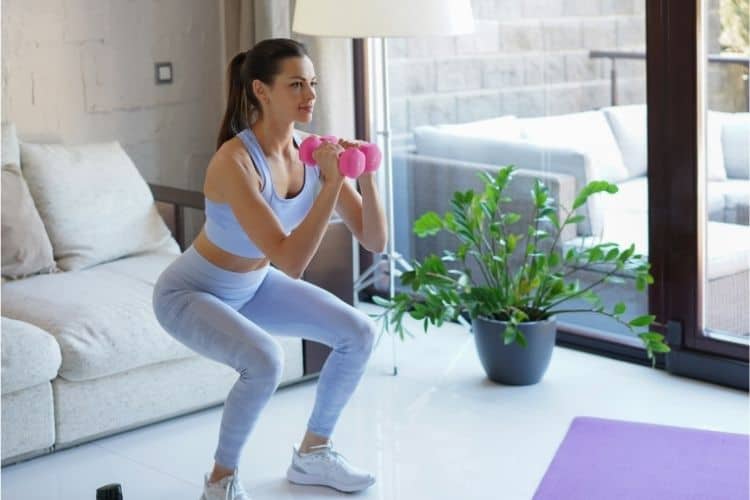
A 40 minute full body dumbbell circuit training routine at home is an efficient way to combine strength training, muscular endurance, and conditioning without needing a crowded gym or complicated equipment. With a pair of dumbbells and enough room to move comfortably, you can train your legs, glutes, back, chest, shoulders, arms, and core in one structured workout.
Full body circuit training is especially useful when you want to get more training done in less time. Instead of completing every set of one exercise before moving to the next, a circuit moves you through several exercises with relatively short rest periods. This approach keeps the workout moving while allowing different muscle groups to alternate between working and recovering.
The routine below is designed to take approximately 40 minutes, including a warm-up, four strength-focused circuits, and a short cool-down. Adjust the dumbbell weight, repetitions, pace, and rest periods according to your current fitness level. Good technique should always take priority over speed.
A dumbbell circuit workout combines several strength exercises performed consecutively. Once you complete every exercise in a circuit, you rest briefly before repeating the sequence.
For example, a circuit might include dumbbell squats, chest presses, rows, Romanian deadlifts, and shoulder presses. Rather than performing three sets of squats before moving on, you complete one set of each movement and then repeat the entire circuit.
This structure creates a workout that challenges multiple muscle groups while keeping downtime relatively low.
A full body dumbbell circuit at home can also be extremely flexible. You can increase the challenge by using heavier dumbbells, performing more repetitions, adding another round, slowing the lowering phase of each exercise, or reducing rest periods.
One of the biggest advantages of circuit training is efficiency. Forty minutes provides enough time to perform meaningful strength work without requiring an excessively long training session.
Dumbbells also allow you to perform a wide variety of movement patterns. Squats and lunges train the lower body, rows target the back, presses work the chest and shoulders, and loaded hinge movements strengthen the glutes and hamstrings.
A properly designed full body workout incorporates the major movement patterns instead of focusing on only one muscle group.
This 40 minute routine includes squatting, hinging, pushing, pulling, lunging, carrying or stabilizing, and core training. Together, these movements create a balanced session that works the major muscles throughout the body.
Full body training can be particularly practical for people who train two to four days per week because each workout provides repeated exposure to the major muscle groups.
You do not need an extensive home gym to perform effective resistance training. Dumbbells provide external resistance while allowing a large range of exercises.
The important factor is choosing resistance that makes the final few repetitions challenging while still allowing you to maintain proper form.
As you become stronger, you can gradually increase the weight, repetitions, sets, range of motion, or time under tension. This gradual increase in training difficulty is one form of progressive overload.
Circuit training requires your muscles to repeatedly produce force with relatively limited recovery between exercises.
Over time, consistently performing appropriately challenging circuits can improve your ability to sustain repeated muscular efforts.
This can be useful both for workouts and everyday activities that involve carrying, lifting, climbing stairs, or maintaining physical effort for longer periods.
The equipment requirements are intentionally simple. You primarily need one pair of dumbbells, although having a lighter and heavier pair provides more flexibility.
Ideally, use heavier dumbbells for lower-body exercises such as squats and Romanian deadlifts and lighter weights for movements such as lateral raises or overhead presses.
You will also need a clear workout area where you can safely perform lunges, planks, presses, and standing exercises. An exercise mat is optional but can make floor exercises more comfortable.
Keep water nearby and wear supportive footwear if that helps you feel stable during lower-body movements.
The appropriate dumbbell weight depends on the exercise and your experience.
Large lower-body muscles can generally handle more resistance than smaller shoulder and arm muscles. Therefore, using exactly the same weight for every exercise is not always ideal.
Choose a load that allows you to complete the target repetitions with controlled technique while still making the final repetitions feel demanding.
If you could easily perform another 10 repetitions, the dumbbells may be too light for your current strength level. If you cannot maintain good technique or complete the prescribed repetitions, reduce the weight.
Beginners should prioritize learning movement patterns before aggressively increasing resistance.
The workout consists of approximately five minutes of warming up, 30 to 32 minutes of circuit training, and several minutes of cooling down.
Complete each exercise with controlled repetitions. Rest approximately 15 to 30 seconds between exercises when needed and around 45 to 60 seconds between complete rounds.
You can lengthen the rest periods if maintaining proper form becomes difficult.
Before picking up your dumbbells, spend approximately five minutes gradually preparing your muscles and joints.
Begin with marching in place for about one minute. Gradually increase your pace while allowing your arms to swing naturally.
Continue with bodyweight squats for 45 seconds. Sit your hips back, keep your chest lifted, and press through your feet as you stand.
Perform alternating reverse lunges for another 45 seconds, followed by arm circles and shoulder rolls for approximately one minute.
Finish with bodyweight good mornings and gentle torso rotations.
The goal is not to exhaust yourself during the warm-up. You simply want to increase movement, practice the patterns used later in the workout, and prepare for resistance training.
Complete three rounds.
Hold one dumbbell vertically in front of your chest or hold two dumbbells at shoulder height.
Stand with your feet approximately shoulder-width apart. Brace your core and lower your hips by bending your knees and hips simultaneously.
Descend as far as you can comfortably while keeping your feet planted. Drive through your feet to return to standing.
Goblet squats primarily train the quadriceps and glutes while requiring your core to stabilize your torso.
Hold the dumbbells in front of your thighs with your palms facing your body.
Keep a slight bend in your knees and push your hips backward. Lower the dumbbells along your legs while maintaining a neutral spine.
When you feel tension through your hamstrings, drive your hips forward and return to standing.
Avoid turning the exercise into a squat. The movement should primarily come from hinging at your hips.
Hold the dumbbells near shoulder level with your core engaged.
Press both weights overhead until your arms are extended without aggressively locking your elbows. Lower the dumbbells under control.
Avoid excessively arching your lower back. If necessary, use lighter dumbbells.
Rest for approximately 45 to 60 seconds and repeat the circuit.
Complete three rounds.
Lie on your back with your knees bent and feet planted on the floor.
Hold one dumbbell in each hand with your upper arms resting lightly against the floor.
Press the dumbbells upward until your arms are extended. Slowly lower them until your upper arms gently contact the floor.
The floor press trains the chest, triceps, and front shoulders while limiting the bottom range of motion compared with a traditional bench press.
Stand holding the dumbbells and hinge forward at your hips.
Maintain a neutral spine and keep your core braced. Pull the dumbbells toward your sides while driving your elbows backward.
Pause briefly near the top before lowering the weights under control.
Avoid using excessive momentum or repeatedly raising and lowering your torso.
Lie on your back and hold a light dumbbell securely above your chest.
Bring your knees into a bent position and brace your abdominal muscles. Slowly extend one leg while maintaining control through your torso.
Return to the starting position and switch sides.
Beginners can perform a standard bodyweight dead bug without holding a dumbbell.
Rest for 45 to 60 seconds before beginning the next round.
Complete three rounds.
Hold a dumbbell in each hand and stand tall.
Step one foot backward and lower your body until both knees bend comfortably. Push through the front foot to return to standing.
Alternate legs or complete all repetitions on one side before switching.
Reverse lunges train the quadriceps, hamstrings, and glutes while challenging balance and coordination.
Hold the dumbbells at shoulder height.
Slightly bend your knees and hips, then extend your legs as you press the dumbbells overhead.
Unlike a strict shoulder press, the push press intentionally uses assistance from the lower body.
Keep the movement controlled rather than turning it into an uncontrolled bounce.
Take a wider-than-shoulder-width stance with your toes turned slightly outward.
Hold one heavy dumbbell vertically between your hands.
Lower your hips while keeping your knees aligned with your toes. Press through your feet and squeeze your glutes as you stand.
Rest approximately 45 to 60 seconds between rounds.
Complete two to three rounds depending on the time remaining.
Hold the dumbbells near your shoulders and perform a controlled squat.
As you return to standing, press the weights overhead.
This compound movement combines lower-body and upper-body training and can quickly increase the overall difficulty of the circuit.
Use lighter dumbbells than you would normally use for squats because your shoulders may limit the amount of weight you can safely press.
Hinge forward while holding both dumbbells.
Row one dumbbell toward your torso, lower it, and then row the opposite side.
Keep your torso as stable as possible throughout the exercise.
Lie on your back with your knees bent and place one dumbbell carefully across your hips.
Brace your core and drive through your feet as you lift your hips.
Pause briefly at the top while squeezing your glutes before lowering under control.
Avoid excessively arching your lower back.
After completing the final circuit, gradually reduce your activity rather than immediately stopping.
Walk slowly around your workout area while allowing your breathing to settle. Follow with comfortable stretches for your quadriceps, hamstrings, glutes, chest, shoulders, and back.
You do not need to force yourself into extreme stretching positions. Use gentle movements and focus on relaxing after the session.
Spend approximately three to five minutes cooling down.
Beginners can modify this 40 minute dumbbell circuit training routine without eliminating the benefits of the workout.
Start by performing two rounds instead of three. You can also increase rest periods to 60 to 90 seconds between circuits.
Use lighter dumbbells while learning each exercise. Bodyweight versions of squats, lunges, and glute bridges are also appropriate starting points.
For overhead exercises, reduce the dumbbell weight substantially if necessary.
Circuit training should feel challenging, but it should not require sacrificing proper movement technique just to keep up with the clock.
As your fitness improves, gradually make the routine harder.
One of the simplest strategies is increasing dumbbell weight. If you can complete every repetition easily while maintaining excellent form, slightly heavier resistance may provide a greater strength challenge.
You can also increase repetitions. For example, progress from 10 repetitions to 12 and eventually 15 before increasing weight.
Another option is slowing down the eccentric portion of the exercise. Taking approximately three seconds to lower into a squat or Romanian deadlift increases time under tension without requiring additional equipment.
Reducing rest periods can increase the conditioning challenge, but do not shorten recovery so much that your exercise technique deteriorates.
For many people, performing full body resistance training two or three times per week can provide a practical training schedule.
Avoid assuming that more training is automatically better. Your muscles also need adequate recovery between demanding sessions.
You might perform this workout on Monday, Wednesday, and Friday, leaving Tuesday, Thursday, and the weekend for recovery, walking, mobility work, or other activities.
Another option is performing the circuit twice per week alongside cardio, yoga, Pilates, or other forms of training.
Your ideal schedule depends on your fitness level, goals, recovery, and other physical activities.
A home workout should evolve as you become stronger.
If you repeatedly perform the same exercises with the same weights, repetitions, rounds, and rest periods, your body eventually becomes accustomed to the workload.
Progressive overload means gradually increasing the training challenge over time.
For example, you might begin goblet squats with a 15-pound dumbbell for 10 repetitions. After several weeks, you may be able to perform 12 or 15 repetitions comfortably. At that point, moving to a heavier dumbbell can create a new challenge.
You do not have to increase resistance every workout. Progress should be gradual and sustainable.
Keeping a simple workout log can make progression easier to track.
One common mistake is moving too quickly. Circuit training does not mean every exercise should be rushed.
Control the dumbbells through each repetition and maintain proper alignment.
Another mistake is choosing weights based on the strongest exercise in the circuit. You may be able to squat significantly more weight than you can shoulder press. Using multiple dumbbell weights, when available, allows you to better match resistance to each movement.
Skipping rest is another potential problem. Short rest periods are part of circuit training, but recovery is still important.
If your technique begins deteriorating, take additional rest before continuing.
Finally, avoid turning every workout into an all-out competition against the clock. The goal is productive training, not simply finishing as fast as possible.
Dumbbell circuit training can contribute to muscle development when exercises provide sufficient resistance and the program progressively becomes more challenging.
Muscles respond to resistance rather than whether the equipment is located in a commercial gym or your living room.
The challenge with home training often occurs when available dumbbells become too light. You can compensate to a degree by performing more repetitions, slowing your tempo, adding pauses, increasing range of motion, or selecting unilateral exercises.
Eventually, heavier resistance may be useful if building strength and muscle is a major goal.
Nutrition, sleep, consistency, and overall recovery also influence training progress.
Consistency is more important than occasionally performing an extremely difficult workout.
Choose a training schedule that realistically fits your week and aim to follow it regularly.
Record your dumbbell weights and repetitions so you know when you are improving. Even small increases can demonstrate meaningful progress over time.
Pay attention to technique, particularly during Romanian deadlifts, rows, lunges, and overhead presses.
Finally, allow yourself adequate recovery. Training creates the stimulus for adaptation, while recovery gives your body time to respond to that training.
Yes. A well-structured 40-minute session provides enough time to warm up and train the major muscle groups with multiple compound exercises.
Workout quality and consistency matter more than simply making a session longer.
Yes, but beginners should modify the workout according to their current ability.
Use lighter dumbbells, perform fewer rounds, extend rest periods, and practice each exercise before attempting to move quickly between exercises.
Yes. Many exercises can be adapted for a single dumbbell.
Goblet squats, sumo squats, Romanian deadlifts, lunges, floor presses, rows, and overhead presses can all be performed with one dumbbell by adjusting your grip or training one side at a time.
There is no reliable single number that applies to everyone. Energy expenditure varies according to body size, exercise selection, dumbbell weight, intensity, rest periods, fitness level, and other individual factors.
Instead of focusing only on calories burned during one workout, prioritize consistent strength training and overall daily activity.
Most people do not need to perform the same challenging full body resistance workout every day.
Recovery between sessions helps support performance and adaptation. Two or three full body sessions per week can be a practical starting point for many exercisers.
A 40 minute full body dumbbell circuit training routine at home provides a convenient way to train your major muscle groups with minimal equipment. By combining squats, hinges, lunges, presses, rows, glute exercises, and core movements, you can create a balanced strength workout without needing gym machines.
Start with approximately five minutes of warming up before moving through the four circuits. Choose dumbbell weights that challenge you without compromising technique, rest when necessary, and gradually increase the difficulty as your fitness improves.
Most importantly, focus on consistency and progression rather than trying to make every workout as exhausting as possible. Track your repetitions and dumbbell weights, improve your movement quality, and gradually challenge yourself over time. With a pair of dumbbells and 40 focused minutes, you can build a practical full body training routine that fits comfortably into your home workout schedule.
Ready to keep progressing with your at-home dumbbell training? After completing this 40-minute routine, try our 30-Minute Dumbbell Circuit Workout for a faster strength-and-conditioning session, or follow the 30-Minute Full Body Dumbbell Workout at Home when you need an efficient home workout. For a longer challenge, step up to the 45-Minute Dumbbell Full Body Circuit, add variety with our 30-Minute Dumbbell Functional Fitness Workout, or focus on building strength and lean muscle with the 30-Minute Muscle-Building Dumbbell Workout. These workouts make it easy to rotate your training, challenge your entire body, and keep progressing with just a pair of dumbbells.
Stay up to date on the latest women’s health, fitness and lifestyle trends and tips.
