


Sign up for workout ideas, training advice, reviews of the latest gear and more.

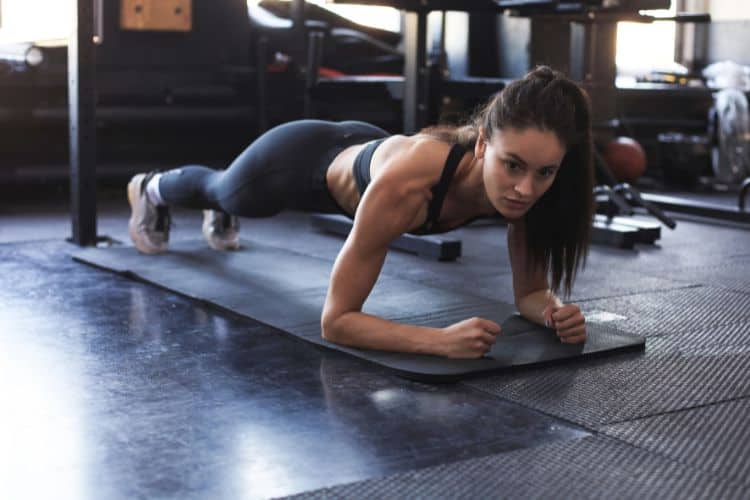
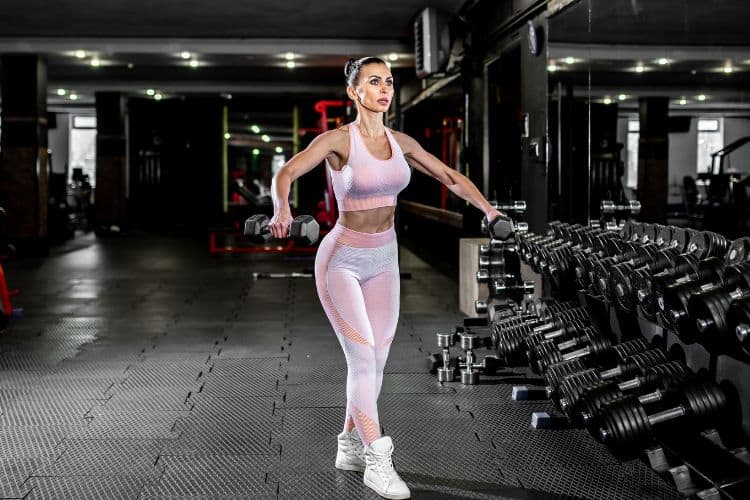
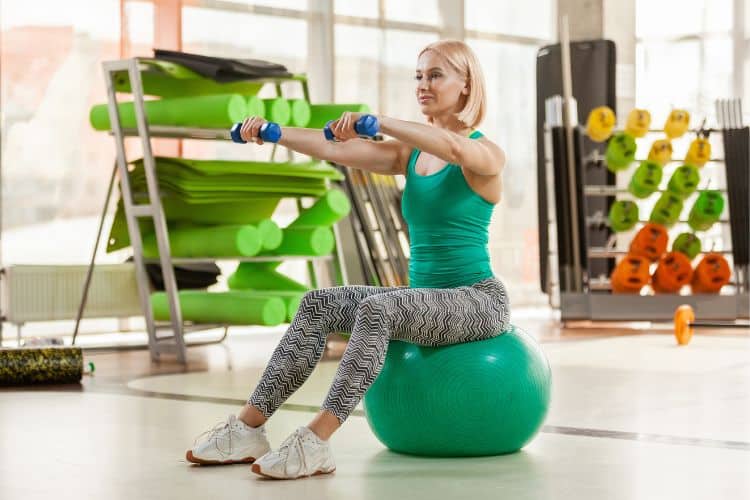
A 5-day upper and lower body dumbbell superset workout is an efficient way to build strength, increase lean muscle, improve conditioning, and train every major muscle group without spending hours in the gym. By pairing two exercises and performing them back-to-back, supersets create a challenging workout that keeps your muscles working and your heart rate elevated. This approach is especially useful when you want the muscle-building benefits of resistance training combined with the faster pace of a circuit-style workout.
This five-day dumbbell workout plan alternates between upper-body and lower-body training while finishing the week with a full-body session. The schedule gives each muscle group time to recover before it is trained again. All you need is a set of dumbbells, a bench or stable chair, and enough space to move safely. Adjustable dumbbells are helpful, but the program can also be completed with two or three fixed-weight pairs.
The plan works well for intermediate exercisers, but beginners can reduce the number of sets, use lighter weights, and take longer rest periods. More experienced lifters can increase the weight, add repetitions, or use slower tempos to make each superset more demanding.
A superset combines two exercises performed consecutively with little or no rest between them. After completing both exercises, you rest before repeating the pair. For example, you might perform a dumbbell chest press immediately followed by a one-arm dumbbell row. Once both movements are complete, you rest for 60 to 90 seconds and begin the next round.
Some supersets train opposing muscle groups, such as the chest and back or the biceps and triceps. These are known as antagonist supersets. One muscle group works while the opposing group gets a short period of relative recovery. Other supersets train the same muscle group twice, producing more fatigue and a stronger muscle-building stimulus. This program uses both methods to create balanced, productive workouts.
Because there is limited rest between exercises, choose weights that allow you to maintain proper form throughout the entire set. The final two repetitions should feel challenging, but you should still be able to complete them without swinging the weights, shortening your range of motion, or losing control.
An upper and lower body split allows you to distribute your weekly training volume across several focused sessions. Instead of trying to complete every exercise in one long workout, you can concentrate on a smaller number of muscle groups each day. This often improves exercise quality and allows you to use more challenging weights.
Training five days per week also provides frequent opportunities to practice important movement patterns. During this plan, you will squat, hinge, press, pull, lunge, carry, and stabilize your core several times. Repeating these fundamental patterns can improve strength, coordination, posture, and overall physical function.
Supersets make the schedule more time-efficient. Most workouts can be completed in approximately 40 to 55 minutes, including the warm-up. The faster pace may also increase the cardiovascular demand of resistance training, although the primary purpose of this plan is to build strength and muscle rather than replace dedicated cardio.
A practical weekly schedule is to train Monday through Friday and rest over the weekend. However, five consecutive workouts may be too demanding for some people. If you need more recovery, place a rest day after the second or third session.
You could perform Day 1 on Monday, Day 2 on Tuesday, rest on Wednesday, complete Day 3 on Thursday, Day 4 on Friday, and Day 5 on Saturday. Sunday can then become a complete rest day. The exact days are less important than completing the sessions consistently while giving sore or fatigued muscles enough time to recover.
Each workout contains four main supersets. Perform the first exercise followed immediately by the second exercise. Rest for 60 to 90 seconds and repeat the pair until all prescribed sets are complete. Beginners can complete two sets of each superset, while intermediate exercisers should aim for three or four sets.
Begin every session with five to eight minutes of dynamic movement. A proper warm-up increases blood flow, prepares your joints, and gives you time to practice the movements before using challenging weights.
Start with marching or jogging in place, arm circles, bodyweight good mornings, hip circles, alternating lunges, and bodyweight squats. On upper-body days, include scapular wall slides and light rows. On lower-body days, spend additional time practicing squats, glute bridges, and hip hinges.
Complete one light practice set of the first two exercises before beginning your working sets. The warm-up should help you feel prepared, not exhausted.
The first workout focuses on the chest, back, shoulders, and arms. Pairing pressing and pulling movements helps create a balanced upper-body routine while allowing one muscle group to recover as the opposing group works.
Perform 10 to 12 dumbbell chest presses. Lie on a bench or the floor with a dumbbell in each hand. Lower the weights toward the sides of your chest while keeping your wrists stacked over your elbows. Press the dumbbells upward until your arms are extended without forcefully locking your elbows.
Move directly into 10 to 12 one-arm dumbbell rows per side. Support one hand on a bench or chair, keep your back neutral, and pull the dumbbell toward your hip. Avoid twisting your torso or shrugging your shoulder. Complete three to four rounds.
Complete 10 to 12 incline dumbbell presses using an adjustable bench. If an incline bench is unavailable, repeat the floor press or use a glute bridge chest press. Follow with 10 to 12 dumbbell pullovers. Hold one dumbbell above your chest, lower it behind your head with slightly bent elbows, and pull it back over your chest using your lats. Complete three rounds.
Perform 10 to 15 dumbbell fly repetitions using light to moderate weights. Keep a slight bend in your elbows as you open your arms and stretch your chest. Follow immediately with 12 to 15 bent-over reverse fly repetitions. Hinge forward, maintain a flat back, and raise the weights out to the sides. Complete three rounds.
Finish with 10 to 15 hammer curls followed by 10 to 15 overhead triceps extensions. During the curls, keep your palms facing inward and your elbows close to your ribs. For the extension, hold one dumbbell securely with both hands and lower it behind your head before extending your arms. Complete three rounds.
Day 2 emphasizes the quadriceps, glutes, inner thighs, and calves. Choose dumbbells that challenge your legs without causing your knees to collapse inward or your lower back to round.
Perform 10 to 15 goblet squats while holding one dumbbell close to your chest. Sit your hips down between your legs, keep your chest lifted, and push through your whole foot to stand.
Immediately perform 10 to 12 Romanian deadlifts. Hold the dumbbells in front of your thighs, soften your knees, and push your hips backward. Lower the weights until you feel tension through your hamstrings, then squeeze your glutes as you stand. Complete four rounds.
Complete 8 to 12 reverse lunges per leg. Step backward, lower both knees with control, and push through the front foot to return to standing. Follow with 12 to 15 weighted glute bridges. Place a dumbbell across your hips and squeeze your glutes as you lift. Avoid overextending your lower back. Complete three rounds.
Perform 12 to 15 sumo squats with a wide stance and your toes turned slightly outward. Move directly into 8 to 10 lateral lunges per side. Sit your hips back over the working leg while keeping the opposite leg extended. Complete three rounds.
Perform 15 to 20 standing calf raises while holding dumbbells at your sides. Pause briefly at the top and lower your heels slowly. Follow with a 30- to 45-second wall sit. Keep your back against the wall and maintain steady pressure through your feet. Complete three rounds.
The third workout develops the shoulders while adding focused training for the biceps, triceps, and upper back. Use lighter weights for raises than you use for presses or rows.
Complete 8 to 12 dumbbell shoulder presses. Keep your ribs down and avoid leaning backward as you press overhead. Follow with 10 to 12 chest-supported dumbbell rows. Lie facedown on an incline bench and pull the dumbbells toward your lower ribs. If you do not have a bench, perform a standing bent-over row. Complete four rounds.
Perform 10 to 12 Arnold presses, rotating your palms from facing you to facing forward as you press. Follow with 10 to 12 dumbbell high pulls. Guide your elbows upward while keeping the weights close to your body. Stop if this movement causes shoulder discomfort and substitute a wide-elbow row. Complete three rounds.
Complete 12 to 15 lateral raises with controlled weights. Raise your arms approximately to shoulder height without swinging. Move immediately into 12 to 15 rear delt rows. Hinge forward and pull the dumbbells outward with your elbows flared. Complete three rounds.
Perform 10 to 12 alternating curls per arm. Keep your upper arms still and control the lowering phase. Follow with 12 to 15 triceps kickbacks. Hinge forward, bring your elbows beside your torso, and straighten your arms behind you. Complete three rounds.
The second lower-body session places greater emphasis on the glutes, hamstrings, and single-leg strength. Move deliberately and avoid rushing through the hip-hinge exercises.
Perform 8 to 12 dumbbell deadlifts. Keep the weights close to your legs and drive through your feet as you extend your hips. Follow with 8 to 10 front-foot-elevated split squats per leg. Elevating the front foot increases the potential range of motion, but a standard split squat is an effective alternative. Complete four rounds.
Complete 8 to 12 single-leg Romanian deadlifts per side. Keep your hips square and use a wall for balance if necessary. Follow with 12 to 15 dumbbell hip thrusts using a bench or sofa for upper-back support. Pause and squeeze your glutes at the top. Complete three rounds.
Perform 8 to 12 step-ups per leg using a stable platform. Drive through the working leg instead of pushing off forcefully with the trailing foot. Follow with 8 to 10 curtsy lunges per side. If curtsy lunges bother your knees or hips, use regular reverse lunges instead. Complete three rounds.
Perform 15 to 20 weighted frog pumps with the soles of your feet together and your knees open. Follow with 15 to 25 seated calf raises while resting dumbbells on your thighs. Complete three rounds.
The final session brings upper- and lower-body movements together. Use moderate weights and focus on consistent effort rather than trying to set personal records while fatigued.
Perform 8 to 12 dumbbell thrusters by combining a squat with an overhead press. Follow with 6 to 10 renegade rows per arm from a plank position. Keep your hips as steady as possible. Perform the rows from your knees or substitute bent-over rows when necessary. Complete three rounds.
Complete 10 to 12 walking or alternating lunges per leg while holding dumbbells. Follow with 8 to 15 push-ups. Elevate your hands on a bench if needed or perform a dumbbell floor press when push-ups are uncomfortable. Complete three rounds.
Perform 10 to 12 sumo deadlifts with your feet wider than shoulder width. Follow with 8 to 12 dumbbell push presses. Use a small bend of the knees to help drive the dumbbells overhead. Keep the movement controlled and avoid arching your lower back. Complete three rounds.
Finish with a 30- to 60-second farmer carry while holding heavy dumbbells at your sides. Keep your posture tall and take controlled steps. Follow with 8 to 12 dead bugs per side. Press your lower back gently into the floor as you extend the opposite arm and leg. Complete three rounds.
Select a load that allows you to complete the target repetition range with good technique. If the goal is 10 to 12 repetitions, the final two or three repetitions should feel difficult, but you should not reach complete failure. You may need different weights for different exercises. Your legs and back can usually handle more resistance than your shoulders or arms.
If you can easily perform several repetitions beyond the top of the range, increase the weight slightly. If you cannot complete the minimum number of repetitions without losing form, reduce the weight. When only one pair of dumbbells is available, make an exercise harder by slowing the lowering phase, adding a pause, increasing the repetitions, or shortening the rest period.
Progressive overload means gradually increasing the demands placed on your muscles. Without this progression, your body eventually adapts and results may slow down.
Start by recording the weights, repetitions, and sets used during each workout. Try to add one repetition to one or more sets the following week. Once you can complete the top of the repetition range for every set with solid form, increase the dumbbell weight and return to the lower end of the range.
You can also progress by adding a fourth set, slowing each repetition, improving your range of motion, or reducing rest periods slightly. Change only one variable at a time so you can track your progress without increasing fatigue too quickly.
Follow this plan for four to eight weeks. Consider scheduling a lighter recovery week afterward by reducing your weights or completing fewer sets.
Five resistance workouts create significant weekly training volume, so recovery must be treated as part of the program. Aim for consistent sleep, stay hydrated, and eat enough protein to support muscle repair. A balanced diet containing lean protein, vegetables, fruit, whole grains, and healthy fats will provide energy for training and recovery.
You can add two or three low-intensity cardio sessions, such as walking or easy cycling, but avoid adding so much intense cardio that it interferes with your strength sessions. Gentle walking on rest days may reduce stiffness and promote recovery.
Persistent joint pain, declining performance, disrupted sleep, or unusual fatigue may indicate that you need more rest. Reduce the number of sets, take an additional recovery day, or temporarily lower your weights. Normal muscle fatigue is expected, but sharp or worsening pain should not be ignored.
One common mistake is selecting weights that are too heavy. Because two exercises are performed consecutively, fatigue accumulates quickly. Starting too heavy can lead to rushed repetitions and poor form.
Another mistake is treating every superset like a race. The goal is to reduce unnecessary downtime, not to move carelessly. Use controlled repetitions, complete your full range of motion, and take enough rest between rounds to preserve exercise quality.
Avoid repeating the same weight for every movement simply for convenience. A dumbbell that challenges your legs may be unsafe for lateral raises, while weights suited to your arms may be too light for squats or deadlifts. Prepare several pairs when possible or adjust an interchangeable dumbbell between supersets.
Finally, do not overlook recovery. More exercise is not always better. Progress happens when effective training is supported by adequate rest and nutrition.
This 5-day upper and lower body dumbbell superset workout provides a balanced combination of strength training, muscle development, core stability, and conditioning. Alternating upper- and lower-body sessions distributes the workload across the week, while supersets keep each workout focused and efficient.
Begin with manageable weights, prioritize good form, and adjust the schedule to match your recovery ability. Track your repetitions and dumbbell loads so you can apply progressive overload over time. With four to eight weeks of consistent training, supportive nutrition, and proper recovery, this plan can help you become stronger, improve muscle definition, and build a more balanced body using only dumbbells.
For more ways to build strength with dumbbells, begin with this complete Dumbbell Workout Plan For Women before adding the focused 30 Minute Upper Body Dumbbell Workout and 45 Minute Lower Body Dumbbell Workout to your schedule. You can also improve total-body strength and conditioning with the One Hour Full Body Dumbbell Workout or challenge yourself with a faster-paced Full Body Dumbbell Complex Workout.
Stay up to date on the latest women’s health, fitness and lifestyle trends and tips.
