



Sign up for workout ideas, training advice, reviews of the latest gear and more.

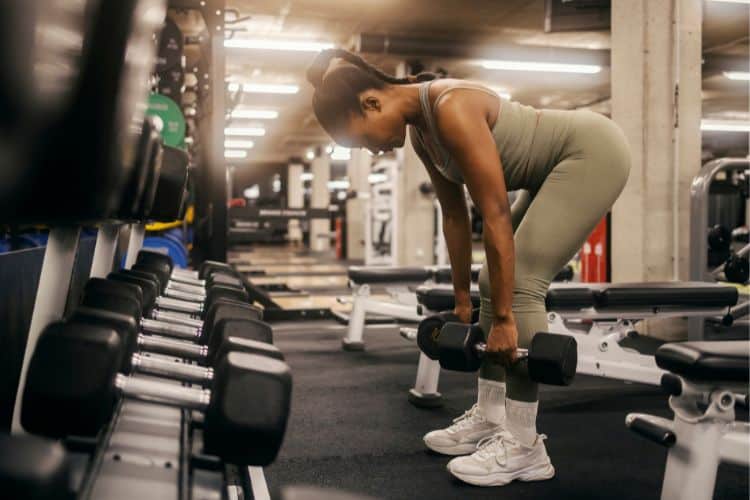


A six-day strength plan can give you room to practice the major lifts, train every muscle group twice, and build a consistent routine. The challenge is making those six sessions work together. If every day feels like a maximum-effort test, fatigue soon outruns progress. A useful split gives you a clear focus each day, enough work to improve, and enough recovery to return ready for the next session. This 6 day SplitLean workout uses a push, pull, and legs schedule repeated twice across six days. The first three sessions emphasize steady, controlled strength work; the second three change the exercises and rep ranges slightly to round out your training. Day seven is for rest. You can complete the plan in a gym or adapt most movements with dumbbells and a bench at home. Expect roughly 40 to 60 minutes per session, including a warm-up.
“Lean” describes the goal of developing muscle and fitness while managing overall body composition; it is not a promise that any exercise will spot-reduce fat. The training plan builds strength and muscle. Nutrition, sleep, activity, and consistency influence how your body changes over time. Whether you want to feel more capable, lift heavier, or add structure to your week, start with weights you can control and let progress accumulate.
The weekly order is push, pull, legs, push, pull, legs, then rest. Push days train chest, shoulders, and triceps. Pull days focus on the back, rear shoulders, and biceps. Leg days cover squat and hinge patterns, glutes, hamstrings, quads, calves, and core. This arrangement gives most muscle groups a second opportunity to train during the week while leaving a couple of days between similar sessions.
This is best suited to someone who already has basic lifting experience and can recover from frequent training. If you are new to strength work, begin with three sessions per week, perhaps the first push, pull, and leg workouts, and add days gradually. Six workouts are an option, not a requirement for results. A manageable four-day routine completed regularly is more useful than a six-day schedule that constantly leaves you exhausted.
A pair of adjustable dumbbells, a sturdy bench or chair, and a resistance band cover many of the movements. A gym provides barbells, machines, cables, and heavier weight options. Choose the variation that lets you move through a comfortable range with stable technique. In the workouts below, three sets of eight means eight repetitions per set, with rest between sets. For single-side exercises, complete the stated reps on each side.
Most working sets should end with about one to three good reps left in reserve. Rest around two to three minutes after demanding squats, presses, rows, and hinges, and about 60 to 90 seconds after smaller accessory movements. Longer rest is fine when you need it to perform the next set well. Keep a training log with exercises, weights, reps, and a brief note about how each set felt.
Spend five to eight minutes walking, cycling, or moving easily enough to raise your body temperature. Follow with several controlled reps of the movements you will train: bodyweight squats before a leg day, light rows before a pull day, or easy presses before a push day. For the first heavy lift, perform one or two lighter practice sets before your working sets. The warm-up should prepare you, not tire you out.
Begin with a dumbbell or barbell bench press for three sets of six to eight reps. Keep your feet planted, upper back supported, and wrists stacked over your forearms. Lower the weight under control and press without bouncing. If a bench is unavailable, perform a floor press. Next, complete a seated or standing overhead press for three sets of six to eight reps. Brace your midsection and avoid leaning back to move a weight that is too heavy.
Continue with an incline dumbbell press for two sets of eight to ten reps. A modest incline shifts emphasis toward the upper chest and front shoulders without requiring a steep bench angle. Add two sets of ten to fifteen lateral raises with light dumbbells, raising your arms only as high as you can without shrugging or swinging. Finish with two sets of ten to twelve cable, band, or dumbbell triceps extensions. If time is tight, keep the first two lifts and one accessory rather than rushing through everything.
The purpose of day one is to practice strong, repeatable pressing. Stop a set when you can no longer keep your shoulders and wrists in a comfortable position. Track your bench or floor press and overhead press; these will become useful markers of progress over the coming weeks.
Start with a supported one-arm dumbbell row for three sets of eight to ten reps per side. Plant one hand on a stable bench, keep your back long, and pull your elbow toward your hip. Follow with three sets of six to ten assisted pull-ups or lat pulldowns. Think about drawing your upper arms toward your ribs rather than swinging your torso to move the load.
Perform a chest-supported row for two sets of eight to twelve reps. Support helps you concentrate on the upper back while giving your lower back a break. If you only have one pair of dumbbells, substitute a band row and slow down the lowering phase. Add two sets of twelve to fifteen band pull-aparts or rear-delt flyes. Finish with two sets of eight to twelve dumbbell curls, keeping your elbows relatively still and your palms and wrists comfortable.
Pull day balances the pressing work and supports posture, grip, and upper-body strength. You do not need to pull every weight to your chest to earn a rep. Use a range of motion that lets your shoulder blades move naturally while your trunk stays steady. If your grip limits your rows before your back works hard, rest a little longer between sets.
Open with a goblet squat or barbell squat for three sets of six to eight reps. Keep your feet in a stance that allows your hips and knees to bend comfortably, maintain pressure through the whole foot, and stand up without folding at the waist. Follow with a Romanian deadlift for three sets of eight to ten reps. Soften your knees, move your hips back, keep the weight close to your legs, and stop the descent when you can no longer maintain a controlled back position.
Add a reverse lunge for two sets of eight reps per leg. Step back far enough to lower under control, then drive through the front foot to stand. Choose a supported split squat if balance is the limiting factor. Complete two sets of twelve to fifteen standing calf raises, pausing briefly at the top and bottom. End with two sets of a dead bug for six to ten slow reps per side, keeping your ribs down and avoiding excessive arching through the lower back.
You should leave this session feeling that your legs have worked, but still be able to move normally over the next day or two. Begin conservatively if lunges are unfamiliar. A little muscle soreness may occur when you add a new movement; severe soreness is a sign to reduce your initial volume next time.
Your second push session uses slightly higher reps. Perform an incline dumbbell press for three sets of eight to twelve reps. Follow with a neutral-grip dumbbell shoulder press for two sets of eight to ten reps. The neutral grip may feel more comfortable for some shoulders, though you should still use a range of motion that suits you. Complete two sets of push-ups, stopping when another two technically sound reps would be difficult. Raise your hands onto a bench or counter if floor push-ups are too demanding.
Add two sets of twelve to fifteen lateral raises and two sets of ten to fifteen triceps pressdowns or band extensions. Keep this workout smooth rather than turning it into a race. Where day one asks you to concentrate on slightly heavier pressing, day four offers more practice and additional work at a manageable load. If your shoulders feel overworked, reduce one accessory set and pay attention to your pressing volume across the week.
Start with a lat pulldown, band-assisted pull-up, or challenging band pulldown for three sets of eight to twelve reps. Then complete a seated cable row or sturdy band row for three sets of ten to twelve reps. Let your shoulder blades move at the start and finish of each rep without throwing your torso backward. Add a single-arm dumbbell row for two sets of ten to twelve reps per side, choosing a lighter load than you used on day two if needed.
Perform rear-delt flyes for two sets of twelve to fifteen reps, then hammer curls for two sets of ten to twelve reps. Hammer curls train the elbow flexors with a neutral hand position and provide some variety from the earlier curls. If your forearms or elbows are irritated, shorten the range to one that feels comfortable or skip curls temporarily. The goal is a durable pulling routine, not forcing an exercise that consistently hurts.
Begin with a dumbbell Romanian deadlift or trap-bar deadlift for three sets of eight to ten reps at a controlled effort. If you used Romanian deadlifts on day three, choose a somewhat lighter weight here or substitute a glute bridge for three sets of ten to twelve reps. Follow with a front-foot-elevated split squat or step-up for three sets of eight to ten reps per leg. Keep the elevation modest and use a hand for balance if necessary.
Complete two sets of ten to twelve goblet squats or leg presses, then two sets of ten to fifteen hamstring curls using a machine, sliders, or a stability ball. Finish with a side plank for two holds of roughly twenty to forty seconds per side. Breathe throughout the hold; choose a shorter duration if you cannot keep your hips steady. This day covers the lower body from a different angle than day three without requiring every exercise to be heavy.
Six consecutive workouts can be demanding. If the second leg session consistently suffers, place a rest day after day three and continue the six sessions across eight days. The training sequence matters more than fitting the entire plan neatly into a calendar week.
Take a full rest day or enjoy easy movement such as walking, gentle mobility, or a relaxed bike ride. There is no need to “make up” for a rest day with intense cardio. Recovery supports your next set of workouts by giving your muscles and joints a break from repeated loading. Prepare for the next cycle by reviewing your log, checking which exercises felt productive, and planning your training times.
If you wake up unusually fatigued, your performance has dropped for several sessions, or aches keep returning, take an extra rest day and cut back a few sets. The point of a plan is to guide decisions, not to pressure you into training through pain. Sharp pain, dizziness, or symptoms that feel unusual are reasons to stop a session and seek appropriate professional advice.
Use a simple double-progression method. Each lift has a rep range. Stay with the same weight until you can reach the top of that range on every planned set with sound form and about one or two reps left in reserve. Then increase the load by the smallest practical amount and work back up through the range. For example, if your bench press target is three sets of six to eight, progress from sixes toward three sets of eight before choosing a heavier pair of dumbbells.
During the first week, learn the movements and record a baseline rather than testing your maximum. In weeks two and three, try to add a rep to a few sets while maintaining control. In weeks four and five, add small amounts of load when the rep targets are consistently met. In week six, review your log and notice which lifts improved. If fatigue has built up, reduce your sets or loads for several sessions before starting another cycle.
Progress does not need to happen on every lift every week. Sleep, stress, menstrual-cycle symptoms, and daily energy can change how a weight feels. Keep your technique consistent so that your log means something. Adding reps while cutting the range of motion in half does not represent the same improvement as adding reps with the same good form. Celebrate steady trends over several weeks, not just a single personal best.
More training is only useful when you can recover from it. If you finish workouts feeling capable, maintain performance, and have time to eat and sleep well, follow the sets as written. If you are tired most days, trim one accessory exercise from each workout or take an additional day off after day three. If you are coming back after a break, begin with two working sets per exercise and build up gradually.
A training log can help you separate a hard week from a poor-fitting program. Look for repeated declines in reps at the same load, difficulty recovering between similar sessions, and loss of enthusiasm that persists beyond an occasional busy day. Adjust before the routine becomes something you dread. Consistency grows from a schedule that fits your life.
Eat enough to support training, include a source of protein across your meals, and build the rest of your plate around foods you enjoy and can prepare regularly. Carbohydrate-rich foods can help fuel challenging sessions, while fruits, vegetables, and varied meals support overall nutrition. Hydration matters, especially if you train in the heat or sweat heavily. You do not need a restrictive “lean” diet to participate in this plan.
For body composition goals, strength training helps you preserve or build muscle, while your longer-term eating pattern affects weight change. Rapid dieting can make six days of lifting harder to sustain. Avoid judging the plan by scale changes after a single week; water, food, and normal body fluctuations can temporarily obscure a trend. Focus also on what you can lift, how your clothes fit, and how you feel.
Walking and moderate cardio can sit alongside the strength sessions when they do not compromise recovery. If you want a demanding interval workout, place it carefully and start with less rather than stacking it onto every leg day. Sleep and realistic scheduling may do more for your next workout than adding another finisher. The plan is already full of purposeful work.
The first mistake is making every session a test. Reaching total exhaustion on each exercise can degrade form and make the second half of the week less productive. Leave some reps in reserve, especially on compound lifts, and save occasional hard sets for exercises you can perform safely. The second mistake is changing the movements every week. Repeating key lifts lets you notice real progress and improve your technique.
The third mistake is skipping lower-body training or treating every lower-body session as identical. Squats, hinges, and single-leg movements each contribute something different. The fourth is overlooking rest because the plan says six days. If an extra recovery day helps you complete six quality sessions across eight days, use it. A calendar cannot tell you how recovered your body feels.
Finally, avoid treating soreness as the main measure of success. Soreness may show that an exercise was new, but it does not prove you had a better workout. Strong, controlled reps and gradual improvement offer more useful feedback. A program should help you return to the next session, not leave you unable to complete it.
Most beginners do well starting with fewer training days while learning basic movement patterns and building a routine. Use the first three workouts as a three-day push, pull, and legs schedule, or choose full-body sessions several times per week. Once your technique, time, and recovery are steady, add another day or two. There is no advantage in rushing toward six days if three days are working well.
Yes. Use dumbbell presses for push days; one-arm and chest-supported dumbbell rows for pull days; and goblet squats, Romanian deadlifts, lunges, split squats, and step-ups for legs. A resistance band makes vertical pulling and triceps work easier to replicate at home. If you have no band, prioritize strong rows until you can add another pulling option.
Most sessions take about 40 to 60 minutes, depending on your warm-up, equipment access, and rest between sets. If you only have 30 minutes, complete the first two or three exercises with appropriate rest. Keeping the main movement patterns and showing up regularly is more valuable than speeding through every accessory.
Yes. Place rest where it helps you recover and fit the program into your schedule. One practical option is three days of training, one rest day, three days of training, then another rest day. Continue the sequence rather than squeezing missed workouts into a crowded weekend. Your muscles respond to the work and recovery you actually complete, not to the weekday names.
The SplitLean 6-day strength workout gives each day a job and each major movement pattern regular practice. Begin with manageable weights, record your sets, and aim for small improvements in reps or load. Give recovery equal importance, and shorten the schedule whenever your time or energy calls for it. Six days can be a satisfying structure when the sessions are purposeful and the plan remains flexible enough to sustain.
For more ideas to support this 6 day SplitLean workout, compare The Best Workout Splits For Women and explore a related 6 Day Strength Training Split. If you train with limited equipment, the 4 Week Dumbbell Strength Training Plan offers another way to structure your sessions. Learn how to advance your lifts with this Progressive Overload Dumbbell Guide, or start with the Beginner Workout Split Guide if six training days feel too demanding right now.
Stay up to date on the latest women’s health, fitness and lifestyle trends and tips.
