


Sign up for workout ideas, training advice, reviews of the latest gear and more.

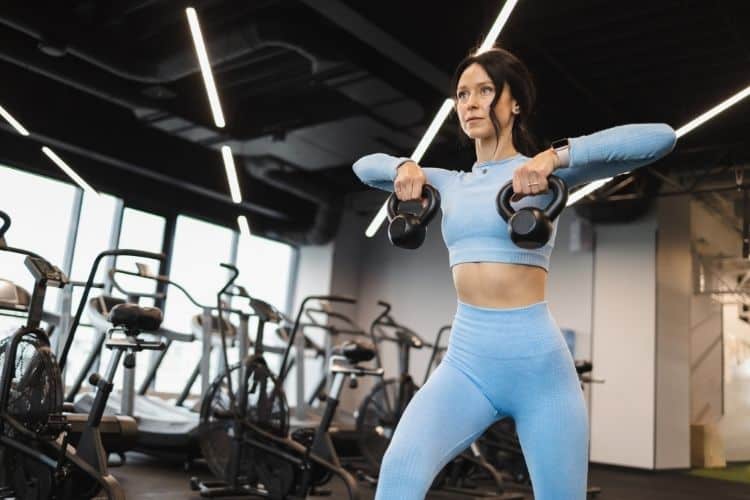
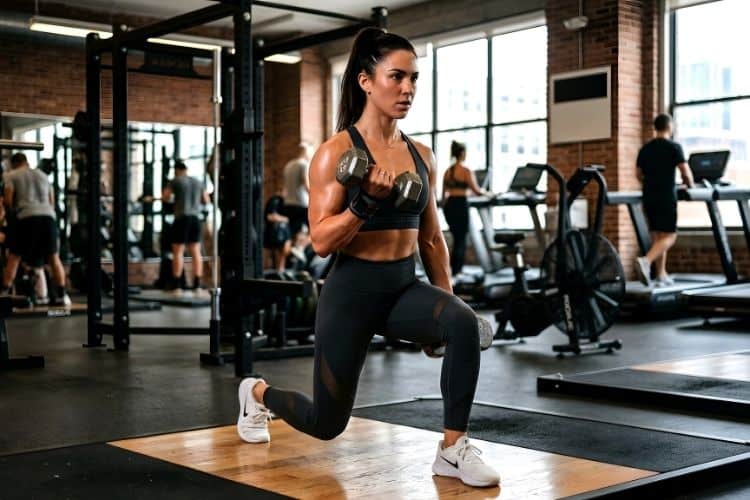
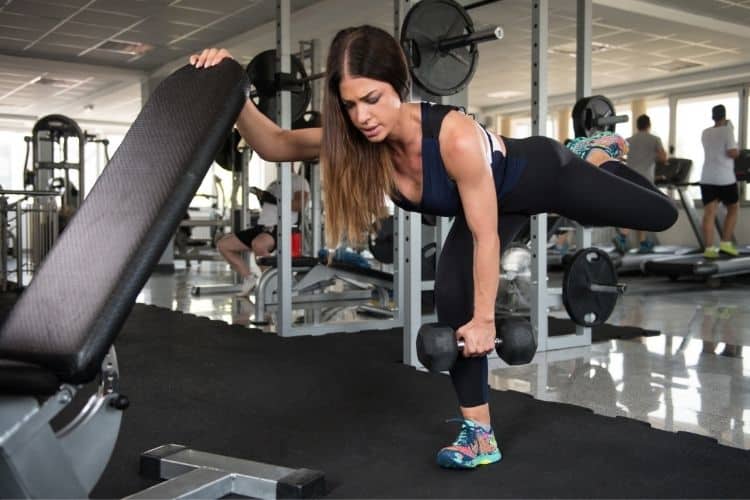
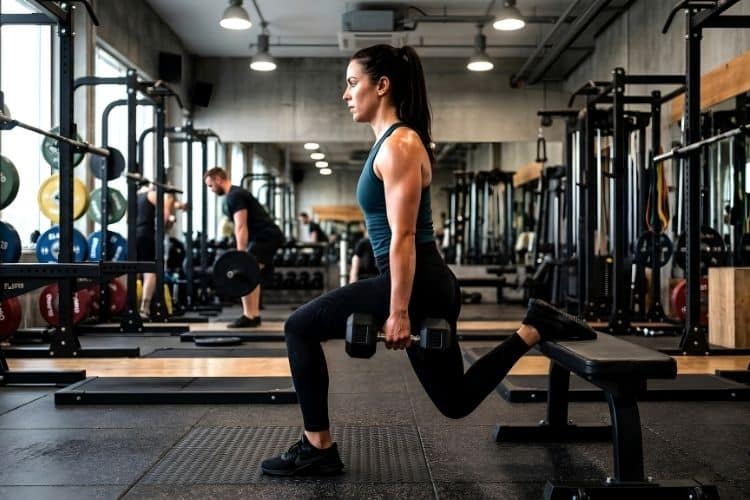
A 60 minute advanced HIIT routine with dumbbells is a powerful way to combine cardiovascular conditioning, muscular strength, endurance, and full-body training into one challenging workout. Instead of separating strength training and cardio into different sessions, dumbbell HIIT uses resistance exercises performed at a faster, controlled pace with carefully planned recovery periods. The result is a demanding workout that challenges your legs, glutes, back, chest, shoulders, arms, and core while keeping your heart rate elevated.
This workout is designed for experienced exercisers who already understand fundamental dumbbell movements such as squats, lunges, rows, presses, deadlifts, and plank variations. Because the routine lasts a full hour, pacing matters. The goal is not to perform every interval at maximum speed. Instead, use challenging weights, maintain excellent form, and adjust your intensity so you can continue producing quality repetitions throughout the entire workout.
All you need is a pair of dumbbells, enough floor space to move safely, and approximately 60 minutes. If possible, having two or three different dumbbell weights available can make the workout even more effective. Heavier dumbbells can be used for lower-body exercises and rows, while lighter weights may be more appropriate for shoulder exercises and faster combination movements.
Dumbbell HIIT provides a unique training stimulus because resistance and cardiovascular demands occur simultaneously. Traditional cardio primarily challenges the cardiovascular system, while conventional strength workouts typically include longer rest periods. Combining the two creates a workout in which your muscles must repeatedly produce force while your cardiovascular system works to support the effort.
A 60-minute session also provides enough time to train every major muscle group without rushing through the exercises. Squats, lunges, deadlifts, and thrusters target the lower body. Rows and renegade rows train the back. Floor presses and push-up variations challenge the chest. Overhead presses and raises work the shoulders, while curls and triceps movements provide additional arm training.
Another advantage is exercise efficiency. Compound dumbbell movements require several muscle groups to work together. A squat-to-press, for example, involves the quadriceps, hamstrings, glutes, core, shoulders, and arms. This makes compound movements especially useful when building an advanced full-body HIIT workout.
You do not need a large collection of equipment. A basic pair of dumbbells is enough to complete the entire routine, although adjustable dumbbells or multiple weight options are useful.
Ideally, choose a moderate pair for combination exercises and a heavier pair for movements such as Romanian deadlifts, goblet squats, and bent-over rows. Advanced exercisers should select weights that make the final repetitions challenging without causing technique to deteriorate.
You will also want a comfortable exercise surface, water, supportive training shoes, and a timer. Because HIIT involves repeated transitions, organize your workout area before beginning so you do not have to move equipment during the session.
This workout is divided into several sections so intensity can remain high without forcing you to perform the same exercises for an entire hour. You will begin with a dynamic warm-up, progress through multiple dumbbell HIIT circuits, finish with a challenging conditioning section, and then cool down.
Most working intervals can be performed for approximately 40 seconds followed by 20 seconds of recovery. Complete each exercise in the circuit before repeating the circuit for the recommended number of rounds.
For heavier exercises, do not worry about moving continuously for the entire 40 seconds. Controlled repetitions with a challenging weight are more valuable than racing through the movement. If your form begins to deteriorate, stop early and use the remaining interval as additional recovery.
An advanced workout still requires a proper warm-up. In fact, the harder the training session, the more important preparation becomes. Spend approximately five minutes gradually increasing your heart rate while moving your hips, shoulders, knees, and ankles through comfortable ranges of motion.
Begin with controlled bodyweight squats. Keep your chest lifted, push your hips backward, bend your knees, and lower into a comfortable squat. Drive through your feet to return to standing. Use this movement to prepare your hips, knees, quadriceps, hamstrings, and glutes.
Step one foot backward and lower into a reverse lunge. Push through the front foot and return to standing before switching sides. Keep the movement controlled rather than trying to perform the repetitions quickly.
From standing, hinge forward and walk your hands into a high plank. Pause briefly, then walk your hands back toward your feet and stand. Inchworms prepare the shoulders, core, hamstrings, and upper body for the more demanding movements ahead.
Perform small and large arm circles followed by gentle shoulder rotations. Dumbbell presses, rows, thrusters, and plank exercises place significant demands on the shoulders, so preparing this area is important.
Finish the warm-up with approximately one minute of high knees, jogging in place, or fast marching. Gradually increase your pace until you feel warm and ready to begin the first circuit.
The first circuit focuses on the legs and glutes while introducing enough movement to elevate your heart rate. Perform each exercise for approximately 40 seconds and recover for 20 seconds. Complete three rounds.
Hold the dumbbells at shoulder height with your feet approximately shoulder-width apart. Brace your core and lower into a squat while keeping your torso controlled. Drive through your feet and squeeze your glutes as you stand.
Choose a challenging weight because the front squat is one of the primary strength exercises in this workout. Avoid allowing your knees to collapse inward as fatigue develops.
Hold a dumbbell in each hand and step backward into a reverse lunge. Lower until both knees are comfortably bent before pushing through the front foot and returning to standing. Alternate legs throughout the interval.
Reverse lunges challenge unilateral strength and stability while training the quadriceps and glutes. Keep your front foot firmly planted and maintain control during every repetition.
Stand tall with the dumbbells in front of your thighs. Maintain a slight bend in your knees and push your hips backward while lowering the weights along your legs. Stop when you feel tension through your hamstrings, then drive your hips forward to stand.
The movement should come primarily from the hips rather than from squatting downward. Keep your spine neutral and the dumbbells close to your body.
Hold the weights near your shoulders and perform a squat. As you stand, use the upward momentum to press the dumbbells overhead. Lower them back to your shoulders before beginning the next repetition.
This compound movement significantly increases cardiovascular demand, so use a slightly lighter weight than you would for traditional squats.
After the lower-body circuit, shift attention toward the chest, back, shoulders, and arms. Continue using the 40-second work and 20-second recovery structure for three rounds.
Hold the dumbbells with your palms facing inward and hinge forward from your hips. Brace your core and pull the weights toward your torso while drawing your elbows backward. Lower the dumbbells under control.
Avoid using momentum to swing the weights. Keep your torso stable and concentrate on squeezing your upper-back muscles at the top.
Lie on your back with a dumbbell in each hand. Bend your knees and plant your feet on the floor. Press the dumbbells upward until your arms are extended, then slowly lower until your upper arms lightly contact the floor.
The floor press provides an effective chest and triceps exercise without requiring a bench.
Begin in a high plank with your hands positioned on the dumbbells. Keep your feet wider than normal for additional stability. Row one dumbbell toward your ribs, return it to the floor, and repeat with the opposite arm.
Your primary goal is preventing your hips from rotating. Brace your abdominal muscles and move slowly enough to maintain control.
Hold both dumbbells near your shoulders. Slightly bend your knees, drive through your legs, and use the resulting momentum to press the weights overhead. Lower them carefully and repeat.
Because the push press combines lower- and upper-body power, it is an excellent movement for increasing the intensity of an advanced HIIT routine.
The third circuit combines upper- and lower-body exercises to create a significant conditioning challenge. At this point in the workout, fatigue will be increasing, so continue prioritizing technique over speed.
Hold the dumbbells at your shoulders and lower into a squat. Drive powerfully through your legs and transition directly into an overhead press. Bring the weights back to shoulder level before beginning your next squat.
Thrusters are demanding, so select weights you can control throughout the entire interval.
Begin with the dumbbells in front of your thighs. Hinge at your hips and lower the weights while keeping your back neutral. Drive through your hips to stand and guide the dumbbells upward toward chest level with your elbows moving outward.
Keep the weights close to your body and avoid pulling aggressively with your shoulders.
Place one dumbbell between your feet. Hinge through your hips and grasp the weight with one hand. Drive through your legs and hips while guiding the dumbbell upward until your arm reaches overhead. Lower it carefully and switch hands.
This advanced movement requires coordination and good technique. If you are unfamiliar with dumbbell snatches, substitute a dumbbell clean and press.
Hold the dumbbells at your sides or near your chest. Step laterally and push your hips backward while bending the working knee. Keep the opposite leg relatively straight before pushing back to the starting position.
Alternate sides and focus on maintaining control rather than trying to move as quickly as possible.
A strong core helps transfer force between the upper and lower body and stabilizes your spine during compound movements. This section challenges the abdominal muscles while keeping the workout moving.
Begin in a high plank with your hands on the dumbbells. Perform one row on each side and then complete a push-up. Repeat the sequence while keeping your hips as stable as possible.
If necessary, separate the exercises by performing alternating rows without the push-up.
Place one dumbbell on the floor beside your body and begin in a high plank. Reach underneath your torso with the opposite hand and pull the dumbbell across the floor. Switch sides and repeat.
Keep your hips square to the floor. The challenge comes from resisting rotation rather than moving the dumbbell quickly.
Sit with your knees bent and hold one dumbbell with both hands. Lean backward slightly while maintaining a long spine. Rotate your torso from side to side, moving the weight with your upper body.
Keep the movement controlled and avoid aggressively twisting your lower back.
Lie on your back holding one dumbbell near your chest. Perform a controlled sit-up and press the weight overhead at the top. Lower the dumbbell and return slowly to the floor.
This movement combines abdominal strength with shoulder stability and coordination.
The final conditioning section is designed to finish the workout at a challenging intensity. Rather than using extremely heavy dumbbells, choose a moderate weight that allows continuous controlled movement.
Perform 40 seconds of work followed by 20 seconds of rest for eight total intervals.
Rotate through dumbbell thrusters, alternating reverse lunge curls, dumbbell deadlift high pulls, and dumbbell squat cleans. Complete each movement once and then repeat the sequence for a second round.
During the final few intervals, resist the temptation to sacrifice technique for speed. The goal is to finish strongly while maintaining the same movement quality you demonstrated earlier in the workout.
After 60 minutes of demanding training, gradually reduce your intensity instead of stopping suddenly. Walk slowly around the room for approximately one minute while allowing your breathing and heart rate to settle.
Follow with gentle stretches for the quadriceps, hamstrings, glutes, chest, shoulders, and back. Hold each stretch comfortably without bouncing or forcing your body into an uncomfortable position.
Use slow breathing during the cooldown. Inhale deeply, exhale gradually, and allow your muscles to relax after the workout.
Weight selection can determine whether this advanced dumbbell HIIT workout becomes effective strength and conditioning training or simply a fast cardio session while holding weights.
For exercises such as Romanian deadlifts, squats, rows, and lunges, choose heavier dumbbells that make the final several repetitions challenging. For thrusters, snatches, push presses, and other fast combination movements, use lighter or moderate weights.
Your weight is appropriate when you can maintain good technique throughout the interval but feel that completing several additional repetitions at the same pace would be difficult.
If you can perform every interval effortlessly, gradually increase the resistance. If you consistently lose posture, shorten your range of motion unintentionally, or cannot control the dumbbells, reduce the weight.
Because this is a long, advanced full-body session, more is not necessarily better. For many experienced exercisers, performing a demanding dumbbell HIIT workout one or two times per week is sufficient when combined with regular strength training and lower-intensity activity.
Avoid performing intense full-body HIIT every day. Muscles and connective tissues need recovery time, particularly when resistance training is involved.
Your weekly schedule could include dedicated strength workouts, one or two HIIT sessions, walking or other moderate cardio, mobility training, and rest days. Adjust training volume according to your goals and recovery.
Progress does not always require adding more exercises. One of the easiest ways to advance the workout is to gradually increase your dumbbell weight while keeping the same interval structure.
You can also improve performance by completing more high-quality repetitions during each working interval, reducing unnecessary pauses, improving exercise technique, or using more challenging movement variations.
Another strategy is changing the work-to-rest ratio. An experienced exerciser might eventually progress from 40 seconds of work and 20 seconds of rest to 45 seconds of work and 15 seconds of recovery. However, increasing intensity should never come at the expense of safe technique.
Track the dumbbell weights you use and your approximate repetitions for major movements. Over several weeks, these numbers can help you determine whether your strength and conditioning are improving.
One of the biggest mistakes is treating every interval like a sprint. Sixty minutes is a substantial training session, and starting too aggressively can cause performance to collapse halfway through the workout. Begin at a challenging but sustainable pace.
Another common problem is selecting weights that are too light. While lighter weights allow faster repetitions, HIIT with dumbbells should still provide meaningful resistance. Your muscles should be challenged alongside your cardiovascular system.
Using weights that are too heavy creates the opposite problem. If your back rounds during deadlifts, your knees collapse during squats, or you cannot control an overhead press, decrease the load.
Finally, avoid skipping recovery periods. The short rest intervals are part of the program. They allow you to recover enough to perform the next exercise with better strength, power, and technique.
HIIT can be a useful component of a fat-loss program because it provides vigorous physical activity while also incorporating resistance training. However, no single workout guarantees fat loss. Changes in body weight and body composition depend on your overall nutrition, activity level, training consistency, recovery, and energy balance over time.
Resistance exercises are particularly valuable because they help maintain and develop muscle while you work toward body-composition goals. Combining strength training with cardiovascular exercise can create a balanced fitness program rather than relying exclusively on cardio.
For sustainable results, pair your workouts with adequate protein, nutrient-dense foods, sufficient sleep, regular daily movement, and a training schedule you can consistently maintain.
This routine is best suited to people who already have experience with dumbbell strength training and high-intensity workouts. You should be comfortable performing squats, lunges, deadlifts, presses, rows, and plank exercises before attempting the complete session.
Beginners can still use the basic structure, but should reduce the workout duration, select simpler exercises, use lighter weights, and take longer recovery periods.
If an exercise causes sharp or unusual pain, stop performing it. Anyone returning to training after a long break or dealing with an injury should choose an appropriate level of exercise and seek qualified professional guidance when needed.
A 60 minute advanced HIIT routine with dumbbells delivers a challenging combination of full-body resistance training and cardiovascular conditioning without requiring complicated gym equipment. By combining squats, deadlifts, lunges, rows, presses, thrusters, snatches, and core exercises, you can challenge nearly every major muscle group while developing muscular endurance and overall conditioning.
The most important factor is not completing the workout as quickly as possible. Advanced training requires intelligent pacing, appropriate resistance, consistent technique, and sufficient recovery. Use dumbbells that challenge you, move with purpose, and treat every repetition as strength training rather than simply trying to accumulate as many repetitions as possible.
As your fitness improves, gradually increase your dumbbell resistance, improve your repetitions, or adjust your work-to-rest intervals. With consistent training and proper recovery, this advanced 60-minute dumbbell HIIT workout can become a demanding and versatile addition to your weekly fitness routine.
To complement this 60 minute advanced HIIT routine with dumbbells, explore more challenging workouts from Women’s Fit Club. Start with the Ultimate Dumbbell HIIT Strength Training Guide for more ideas on combining resistance training with high-intensity intervals, or try this 40 Minute Full Body Dumbbell HIIT Workout when you need a slightly shorter session. You can also add variety with the 35 Minute Full Body Dumbbell HIIT Workout, follow the 30 Minute Dumbbell HIIT Full Body Workout on busy training days, or use this 15 Minute Full Body Dumbbell HIIT Workout when you want a quick, high-intensity dumbbell session.
Stay up to date on the latest women’s health, fitness and lifestyle trends and tips.
