


Sign up for workout ideas, training advice, reviews of the latest gear and more.

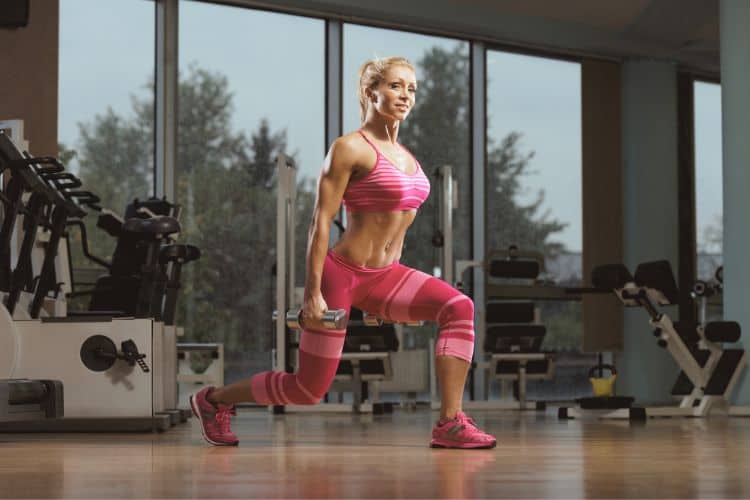
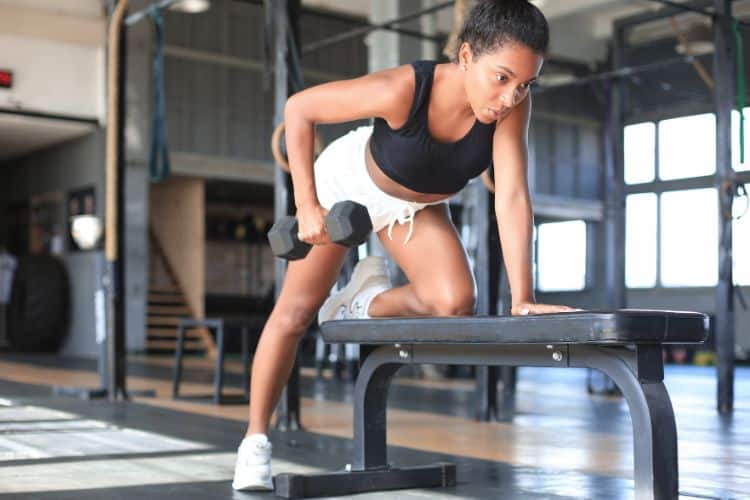

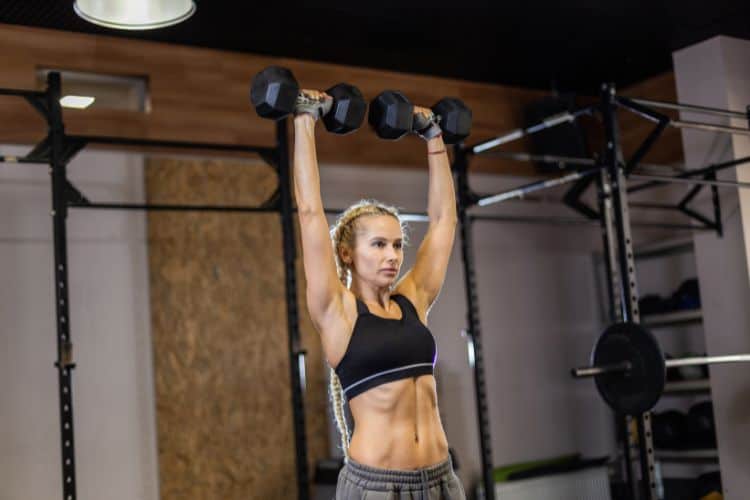

A 7 day HIIT workout to build muscle can be an effective way to combine strength training, cardiovascular conditioning, and calorie-burning exercise into one structured weekly routine. While high-intensity interval training is often associated with fat loss, HIIT can also support muscle development when the workouts emphasize resistance exercises, progressive overload, controlled repetitions, and adequate recovery.
The key is understanding that building muscle with HIIT is different from simply performing endless rounds of burpees and jumping jacks. Muscle-focused HIIT should include challenging movements such as squats, lunges, presses, rows, deadlifts, and other compound exercises. Instead of making every workout purely cardiovascular, the goal is to alternate intense resistance-based intervals with carefully planned recovery periods.
This 7 day HIIT workout plan for muscle building provides a full week of training that targets the entire body while varying intensity throughout the week. You can perform many of these workouts at home with dumbbells or resistance bands, or adapt them to equipment available at your gym.
Yes, HIIT can contribute to muscle development when resistance training is incorporated into the workout. Traditional HIIT typically alternates short periods of intense exercise with recovery periods. Muscle-building HIIT uses the same basic structure but emphasizes exercises that place meaningful resistance on your muscles.
For example, performing dumbbell goblet squats for 40 seconds followed by 20 seconds of recovery creates a different training stimulus than sprinting for the same amount of time. Your quadriceps, glutes, hamstrings, and core must repeatedly produce force against resistance.
Compound exercises are especially useful because they train multiple muscle groups simultaneously. Squats, Romanian deadlifts, rows, overhead presses, push-ups, lunges, and thrusters can form the foundation of an effective HIIT strength workout.
However, muscle growth also depends on your total training volume, resistance level, nutrition, sleep, and recovery. HIIT should therefore be viewed as one component of a complete muscle-building strategy rather than a shortcut that replaces all traditional strength training principles.
This weekly HIIT workout routine alternates muscle groups and training styles so that the same muscles are not being pushed at maximum intensity every day. Some sessions focus heavily on resistance training, while others use lighter conditioning or active recovery.
For most strength intervals, work for approximately 40 seconds and recover for 20 seconds before beginning the next exercise. Beginners can change the ratio to 30 seconds of work followed by 30 seconds of rest.
Complete three to four rounds of each circuit depending on your fitness level and available time. Rest for approximately 60 to 90 seconds between complete rounds.
Choose resistance that makes the final portion of each interval challenging while still allowing you to maintain proper exercise technique. When you can easily complete every interval, gradually increase your resistance, repetitions, or training difficulty.
Start the week with a full-body workout emphasizing large compound movements. Because these exercises involve several muscle groups simultaneously, they can create a strong strength and conditioning stimulus without requiring dozens of individual exercises.
Begin with dumbbell goblet squats. Hold one dumbbell close to your chest, keep your torso tall, and lower your hips until you reach a comfortable squat depth. Drive through your feet to return to standing.
Move into dumbbell Romanian deadlifts, focusing on pushing your hips backward while maintaining a neutral spine. You should feel tension through your hamstrings and glutes.
Next, perform dumbbell bent-over rows. Hinge forward, brace your core, and pull the weights toward your torso while squeezing your shoulder blades together.
Follow the rows with dumbbell floor presses or bench presses. Finish the circuit with alternating reverse lunges and a controlled overhead press.
Perform each exercise for 40 seconds followed by 20 seconds of recovery. Complete three to four rounds.
This workout trains your legs, glutes, hamstrings, chest, shoulders, back, arms, and core, making it an efficient introduction to the week’s training.
Day two shifts the emphasis toward your lower body. Strong legs and glutes benefit from exercises that challenge the muscles through different movement patterns rather than simply performing hundreds of fast repetitions.
Start with dumbbell front squats or goblet squats. Use a controlled lowering phase rather than dropping quickly into each repetition.
Your second movement is the Romanian deadlift, which emphasizes the hamstrings and glutes. Follow it with alternating reverse lunges.
Next, perform weighted glute bridges. Pause briefly at the top of each repetition while actively contracting your glutes.
Finish with lateral lunges, moving from side to side while keeping the working foot firmly planted.
Complete each movement for 40 seconds and recover for 20 seconds. Perform three or four rounds.
For additional conditioning, you can finish with several short rounds of squat jumps. However, jumping exercises are optional. If you prefer low-impact HIIT, use fast bodyweight squats or step-ups instead.
Your legs receive a break from heavy training on day three while your upper body takes priority. The goal is to train the chest, shoulders, back, biceps, and triceps through pushing and pulling exercises.
Begin with dumbbell chest presses. Perform your repetitions deliberately rather than racing through the interval.
Move into one-arm dumbbell rows, alternating sides as needed. Follow the rows with standing or seated dumbbell shoulder presses.
Next, perform push-ups. Modify them by elevating your hands on a bench or stable surface when necessary.
Finish with alternating dumbbell curls and overhead triceps extensions.
Because smaller arm muscles may fatigue quickly, you can use slightly lighter resistance for curls and triceps exercises than you use for rows and presses.
Complete approximately three to four rounds.
Training seven days does not mean every day should be extremely intense. Recovery is essential for muscle growth because training provides the stimulus while recovery gives your body an opportunity to adapt.
Day four should therefore be a low-impact HIIT workout or active recovery session.
Perform bodyweight squats, alternating step-back lunges, incline push-ups, bird dogs, glute bridges, and slow mountain climbers.
Work for approximately 30 seconds and recover for 30 seconds. Keep the intensity moderate and complete two to three rounds.
You should finish feeling energized rather than exhausted.
A brisk walk can also be added before or after the circuit. Mobility exercises for your hips, shoulders, hamstrings, and upper back can further support recovery.
If you’re unusually sore or fatigued, make day four a complete rest day instead. More training is not automatically better if your performance and recovery are declining.
After the lighter fourth day, return to resistance-focused training with a challenging full-body dumbbell session.
Start with dumbbell reverse lunges. Keep your front foot planted firmly while stepping backward and lowering under control.
Next, perform dumbbell deadlifts followed by renegade rows. If renegade rows are too difficult, substitute regular bent-over dumbbell rows.
Move into dumbbell push presses, using a small amount of leg drive to help press the weights overhead.
Finish with dumbbell squat-to-press repetitions, sometimes called thrusters.
Complete each exercise for approximately 40 seconds and rest for 20 seconds. Perform three or four rounds.
Because several exercises involve your grip and shoulders, select weights that allow you to maintain good technique throughout the workout.
Day six combines lower-body resistance training with targeted core exercises. Developing your core can improve stability during squats, deadlifts, lunges, rows, and overhead movements.
Begin with sumo squats using a dumbbell or kettlebell. Position your feet wider than shoulder width and keep your knees tracking in the same general direction as your toes.
Follow the squats with single-leg or standard Romanian deadlifts.
Next, perform alternating walking or reverse lunges before moving into weighted glute bridges.
For your core, perform dead bugs, plank shoulder taps, and controlled mountain climbers.
Rather than trying to complete core exercises as quickly as possible, focus on maintaining abdominal tension and controlling your body position.
Complete three rounds of the circuit.
The final workout combines resistance exercises with cardiovascular movements for a faster-paced metabolic conditioning session.
Because you have already completed several strength sessions during the week, use moderate resistance and prioritize smooth movement.
Begin with dumbbell squats followed by push-ups. Move into alternating reverse lunges, bent-over rows, and dumbbell push presses.
Add a conditioning exercise such as high knees, low-impact fast marches, step jacks, or mountain climbers.
Finish with a plank or farmer’s carry if you have sufficient space.
Perform each movement for 30 to 40 seconds with approximately 20 seconds of recovery.
Complete three rounds.
Day seven should be challenging without becoming an all-out test of exhaustion. You should still be able to maintain safe exercise technique during the final round.
Resistance selection can significantly affect whether your HIIT routine becomes primarily cardiovascular or provides a meaningful muscle-building stimulus.
Weights that are extremely light may allow you to perform many repetitions but may not sufficiently challenge your muscles. Conversely, weights that are too heavy can make it difficult to maintain proper technique during timed intervals.
Choose resistance that allows you to perform controlled repetitions while making the final several repetitions of an interval noticeably challenging.
For exercises such as squats, deadlifts, and rows, you may be able to use heavier weights. Shoulder raises, curls, and triceps exercises typically require lighter resistance.
Keep in mind that you do not need to use identical dumbbells for every movement. Having access to multiple weight options can make the workout considerably more effective.
Repeating the same HIIT workout indefinitely without increasing the challenge can eventually cause progress to slow. Your body adapts to training, which means the stimulus should gradually become more demanding.
Progressive overload can be introduced in several ways.
You can gradually increase your dumbbell weight, perform additional controlled repetitions, add another circuit, improve your exercise range of motion, or reduce unnecessary rest periods.
However, avoid increasing everything simultaneously.
A simple strategy is to keep the workout structure consistent while trying to improve one variable. For example, you might use slightly heavier dumbbells for squats during the following week while leaving the other exercises unchanged.
Recording the weights and repetitions you complete can make progress easier to measure.
One of the biggest mistakes people make with HIIT strength training is believing that every interval must involve maximum speed.
When your goal includes building muscle, controlled movement is often more valuable than simply completing the highest possible number of repetitions.
During squats, control the lowering phase and drive upward powerfully. During rows, avoid using excessive momentum. During presses, maintain control of the dumbbells rather than allowing them to drop quickly.
Your muscles should be doing the work rather than momentum.
If your technique begins deteriorating during an interval, reduce your speed, lower the resistance, or stop briefly and reset your position.
Exercise provides the training stimulus, but nutrition helps support recovery and muscle development.
Protein is especially important because it provides amino acids used in muscle protein synthesis. Protein-rich foods can include eggs, Greek yogurt, cottage cheese, fish, poultry, lean meats, beans, lentils, tofu, tempeh, and other foods that fit your dietary preferences.
Carbohydrates are also useful for people performing frequent high-intensity workouts because they help supply energy for demanding training sessions. Whole grains, potatoes, rice, oats, fruit, beans, and other carbohydrate sources can be incorporated into a balanced diet.
Dietary fats also play an important role in an overall healthy eating pattern. Sources can include nuts, seeds, olive oil, avocado, and fatty fish.
Adequate hydration is equally important, particularly when workouts cause significant sweating.
Individual calorie and nutrient requirements vary considerably based on factors including body size, activity level, training goals, and overall health, so nutrition should be personalized rather than based on a universal meal plan.
A seven-day workout schedule should not mean seven consecutive maximum-effort sessions.
Your muscles need recovery time after demanding resistance training. That is why this plan alternates full-body, lower-body, upper-body, and lighter recovery-focused sessions.
Sleep is one of the most important parts of recovery. Consistently getting sufficient high-quality sleep can support training performance and general recovery.
Pay attention to how you feel from workout to workout. Persistent soreness, declining performance, unusually low motivation, poor sleep, or excessive fatigue can indicate that your training load needs adjustment.
Taking an additional recovery day does not ruin your workout plan. In many cases, adequate rest allows you to return to training with greater strength and better technique.
Beginners do not need to perform every workout at maximum intensity.
Start with 30 seconds of exercise followed by approximately 30 seconds of recovery. Complete two rounds instead of three or four and use manageable resistance.
You can also remove jumping exercises completely.
Replace jump squats with regular squats, high knees with marching, burpees with elevated step-back burpees, and jumping jacks with step jacks.
As your fitness improves, gradually increase the work intervals, resistance, or number of rounds.
Progress should come from consistent training rather than trying to make your first week as difficult as possible.
Experienced exercisers can increase the difficulty without turning every session into an excessively long workout.
Use heavier dumbbells for compound movements, add an additional round, increase selected intervals from 30 to 40 seconds, or introduce more challenging exercise variations.
You can also emphasize tempo. For example, lower into a squat for approximately three seconds before standing. This increases muscular tension without requiring you to perform faster repetitions.
Unilateral exercises such as Bulgarian split squats, single-leg Romanian deadlifts, one-arm rows, and alternating presses can provide another progression.
The goal is to make the muscles work harder, not simply to make yourself more exhausted.
One common mistake is choosing weights that are too light. If you can perform every resistance interval effortlessly, the workout may become primarily cardiovascular.
Another mistake is sacrificing technique for speed. Poorly controlled repetitions can reduce the quality of the strength stimulus and increase unnecessary strain.
Performing too much high-impact exercise is another issue. Jumping movements can be useful, but they are not required for an effective HIIT workout.
Finally, ignoring recovery can undermine an otherwise well-designed program. Your weekly routine should include variations in intensity instead of seven maximum-effort workouts.
Your week can follow a simple structure: Day 1 full-body strength HIIT, Day 2 lower-body HIIT, Day 3 upper-body HIIT, Day 4 active recovery, Day 5 full-body dumbbell HIIT, Day 6 legs, glutes and core, and Day 7 metabolic full-body HIIT.
After completing the week, evaluate your recovery before repeating the program.
If you feel strong and recovered, repeat the schedule while introducing small progressive overload adjustments. If you are still significantly fatigued, take a complete recovery day before starting another training week.
A 7 day HIIT workout to build muscle can provide an efficient combination of resistance training and cardiovascular conditioning when it is structured intelligently. The most important difference between muscle-focused HIIT and ordinary cardio HIIT is the emphasis on resistance, controlled repetitions, compound exercises, progressive overload, and recovery.
Rather than trying to perform every workout as quickly as possible, focus on making each repetition productive. Challenge your muscles with appropriate resistance, maintain proper exercise technique, and gradually increase the training stimulus as you become stronger.
Remember that muscle growth does not happen during the workout alone. Consistent nutrition, sufficient protein, hydration, quality sleep, and recovery all contribute to your results.
Use this seven-day plan as a flexible framework rather than an inflexible rule. Modify exercises according to your experience level, available equipment, and recovery needs. With consistent training and gradual progression, a well-designed HIIT strength routine can help you become stronger, improve conditioning, and build a more capable full-body fitness foundation.
To support your 7 day HIIT workout to build muscle, explore more strength-focused routines from Women’s Fit Club. Start with the Ultimate Dumbbell HIIT Strength Training Guide for a resistance-based approach to combining HIIT and strength, then try this 30 Minute Full Body HIIT Dumbbell Workout for Strength when you want a shorter total-body session. You can also add the 30 Minute Muscle-Building Dumbbell Workout to focus on progressive overload and muscle growth, use the 20 Minute Full Body Dumbbell HIIT Workout for Women on busy training days, or challenge yourself with the 35 Minute Full Body Dumbbell HIIT Workout for a longer combination of strength and conditioning. These workouts complement a weekly HIIT muscle-building plan by giving you additional options for training your full body, increasing resistance, and keeping your routine varied.
Stay up to date on the latest women’s health, fitness and lifestyle trends and tips.
