


Sign up for workout ideas, training advice, reviews of the latest gear and more.

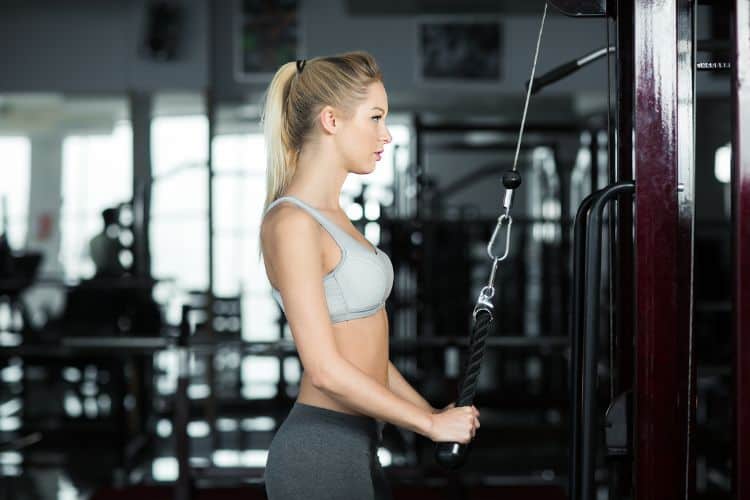
If you want bigger, stronger, and more defined arms, dedicating one workout each week to an arm day machine workout can help you reach your goals faster. While free weights often get most of the attention, resistance machines offer unique benefits that make them ideal for beginners, intermediate lifters, older adults, and experienced gym-goers looking to maximize muscle growth while minimizing injury risk.
Machine workouts provide controlled movement patterns that help you focus entirely on the target muscles instead of worrying about balance and stabilization. This allows you to perform each repetition with better form, maintain consistent muscle tension, and safely train closer to muscular failure. Whether your goal is increasing arm size, improving strength, toning your upper body, or supporting better performance during chest and back workouts, machine exercises deserve a place in your training program.
In this comprehensive guide, you’ll learn why machine-based arm workouts are effective, the muscles involved, proper training techniques, the best arm machines to use, complete workout routines for every fitness level, common mistakes to avoid, and expert tips for maximizing muscle growth.
Many people assume free weights are the only way to build impressive arms. While barbells and dumbbells are excellent tools, machines provide several advantages.
Machine exercises isolate muscles more effectively because they guide the movement through a fixed path. This allows you to focus solely on contracting your biceps and triceps without worrying about stabilizing the weight.
Benefits include:
Machines are also perfect for performing high-volume training, which plays a major role in muscle hypertrophy.
Before designing your workout, it’s important to understand which muscles you’re training.
The biceps sit on the front of the upper arm and perform elbow flexion and forearm supination.
The biceps consist of:
The long head creates the famous “peak” when flexing your arm.
The short head contributes to arm width and overall fullness.
Located underneath the biceps, the brachialis helps push the biceps upward, making your arms appear larger.
This forearm muscle assists during curling movements and contributes to grip strength.
The triceps make up roughly two-thirds of your upper arm size.
The three heads include:
Adds overall arm thickness.
Creates the horseshoe appearance.
Supports elbow extension and stabilizes pressing movements.
A complete machine workout trains every portion of these muscles.
Machines minimize momentum, forcing your muscles to perform more of the work.
Many machines maintain resistance throughout the entire range of motion, maximizing muscle activation.
Machines greatly reduce the chance of losing control of heavy weights.
New lifters quickly learn proper movement patterns using machines.
Machine exercises often place less stress on wrists, elbows, and shoulders than free weights.
Increasing weight is as simple as moving the selector pin.
The preacher curl machine isolates the biceps while preventing shoulder involvement.
Benefits include:
Recommended:
3–4 sets of 10–15 reps
Cable machines provide constant resistance from start to finish.
Variations include:
This machine locks your elbows into position for maximum isolation.
Benefits:
The triceps pushdown remains one of the best exercises for building all three triceps heads.
Use:
This machine develops:
Adjust the assistance level as your strength improves.
Excellent for emphasizing the long head of the triceps.
Maintain:
Designed specifically for elbow extension.
Ideal for:
This workout introduces proper technique while building a foundation.
5–10 minutes of light cardio
Dynamic shoulder circles
Arm swings
Light cable curls
Band pushdowns
Machine Preacher Curl
3 sets × 12 reps
Cable Curl
3 sets × 12 reps
Machine Triceps Extension
3 sets × 12 reps
Cable Rope Pushdown
3 sets × 15 reps
Assisted Dips
2 sets × 10 reps
Stretch your:
After several months of consistent training, increase training volume.
Machine Preacher Curl
4 × 10
Cable Curl
4 × 12
Single Arm Cable Curl
3 × 12 each arm
Triceps Pushdown
4 × 12
Overhead Cable Extension
4 × 10
Assisted Dips
3 × 12
Advanced lifters should maximize muscle fatigue using higher volume.
Machine Curl
12 reps
Cable Curl
12 reps
Hammer Rope Curl
12 reps
Repeat 4 rounds
Pushdown
15 reps
Overhead Extension
12 reps
Machine Extension
12 reps
Assisted Dip
10 reps
Repeat 4 rounds
Finish with:
Cable Curl Burnout
50 total reps
Cable Pushdown Burnout
50 total reps
Chest
Back
Rest
Dedicated Arm Day Machine Workout
Legs
Shoulders
Recovery
This schedule provides adequate recovery while maximizing arm growth.
Different rep ranges produce different results.
4–6 reps
8–12 reps
15–20 reps
Most arm workouts should focus primarily on the 8–15 rep range.
Heavy sets:
90–120 seconds
Moderate hypertrophy:
60–90 seconds
High-repetition finishers:
30–45 seconds
Keeping rest periods controlled helps maintain workout intensity and increases metabolic stress, both of which contribute to muscle development.
Your muscles only grow when they are challenged beyond their current capacity. Progressive overload ensures continuous improvement by gradually increasing the demands placed on your biceps and triceps.
You can progressively overload your machine arm workouts by increasing the weight in small increments, adding one or two extra repetitions while maintaining proper form, performing an additional set, slowing the lowering phase of each repetition, or reducing rest periods between sets. Aim to improve at least one training variable every one to two weeks while maintaining excellent technique.
Track your workouts in a notebook or fitness app so you know exactly how much weight, how many repetitions, and how many sets you completed during each session.
Proper technique is more important than lifting the heaviest weight available. Performing exercises with strict form ensures the target muscles do the work while reducing stress on your joints.
During every curl, keep your elbows close to your sides and avoid swinging your torso. Lift the weight with control, squeeze your biceps at the top of each repetition, and lower the weight slowly for two to three seconds. For triceps movements, avoid flaring your elbows and fully extend your arms without locking your joints aggressively.
Maintain a neutral wrist position throughout every exercise, breathe out during the lifting phase, and inhale as you return to the starting position.
Even with machines, poor habits can limit your results.
Heavy weights often lead to shortened range of motion and poor muscle activation. Choose a resistance that allows you to complete every repetition with good form.
Fast, uncontrolled movements reduce time under tension and increase injury risk. Focus on slow, deliberate repetitions.
Lowering the weight is just as important as lifting it. Controlling the eccentric phase increases muscle damage, which stimulates growth.
Cold muscles are more susceptible to strains. Spend at least five minutes warming up before lifting.
Your muscles need time to recover and rebuild. Most people see the best results training arms one to two times per week with at least 48 hours of recovery between sessions.
A productive arm workout begins in the kitchen. Your muscles require adequate calories and nutrients to repair and grow after training.
Consume high-quality protein sources such as chicken, turkey, lean beef, fish, eggs, Greek yogurt, cottage cheese, tofu, beans, and protein shakes. Most active individuals benefit from approximately 0.7 to 1 gram of protein per pound of body weight each day.
Carbohydrates provide energy for intense workouts, while healthy fats support hormone production and overall health. Drink plenty of water throughout the day to maintain performance and support recovery.
Eating a balanced meal containing protein and carbohydrates within two hours after your workout can further enhance muscle recovery.
Recovery is where muscle growth actually occurs. Prioritize seven to nine hours of quality sleep each night, stay hydrated, and avoid excessive training volume if you notice persistent soreness or declining performance.
Light stretching, foam rolling, walking, and active recovery sessions can improve circulation and reduce muscle stiffness between workouts.
Deload every six to eight weeks by reducing your training volume or weight for one week to allow your body to recover fully before progressing again.
Yes. Machines provide excellent muscle isolation, controlled resistance, and progressive overload, making them highly effective for building stronger and more defined arms.
One to two dedicated arm workouts per week is sufficient for most people. Your biceps also receive work during back exercises, while your triceps assist during chest and shoulder workouts.
Absolutely. Machines are one of the safest and easiest ways for beginners to learn proper movement patterns and build confidence in the gym.
Either order works well. Some people alternate between biceps and triceps exercises to maximize recovery between sets and keep workouts efficient.
Most effective machine arm workouts last between 45 and 60 minutes, including your warm-up and cool-down.
An effective arm day machine workout is one of the safest and most efficient ways to build stronger, larger, and more defined arms. Machines allow you to isolate the biceps and triceps with precision, making them an excellent choice for beginners learning proper form as well as experienced lifters seeking greater muscle hypertrophy. By combining preacher curls, cable curls, triceps pushdowns, overhead extensions, assisted dips, and triceps extension machines into a structured program, you can stimulate every major muscle of the upper arm while reducing unnecessary joint stress.
Consistency remains the most important factor in long-term success. Train with proper technique, progressively increase the challenge over time, prioritize quality nutrition and recovery, and stay patient as your strength improves. Whether your goal is bigger arms, increased upper-body strength, or improved athletic performance, incorporating dedicated machine-based arm workouts into your weekly routine can help you achieve noticeable, lasting results.
To get the most out of your arm day machine workouts, combine them with a balanced weekly strength program that develops your entire body. Start with this Full Body Machine Workout for Beginners to build a solid foundation. On days when you want a quick total-body session, try the 30 Minute Full Body Workout on Machines Only. If you’re looking to improve your upper-body strength beyond your arms, follow the 45 Minute Machine Only Upper Body Workout. To increase training frequency, add the 4 Day Machine Only Workout plan available. Finally, improve your recovery and cardiovascular fitness with the Best Light Cardio Workout to Do at the Gym, helping you stay consistent and maximize muscle growth between arm training sessions.
Stay up to date on the latest women’s health, fitness and lifestyle trends and tips.
