


Sign up for workout ideas, training advice, reviews of the latest gear and more.

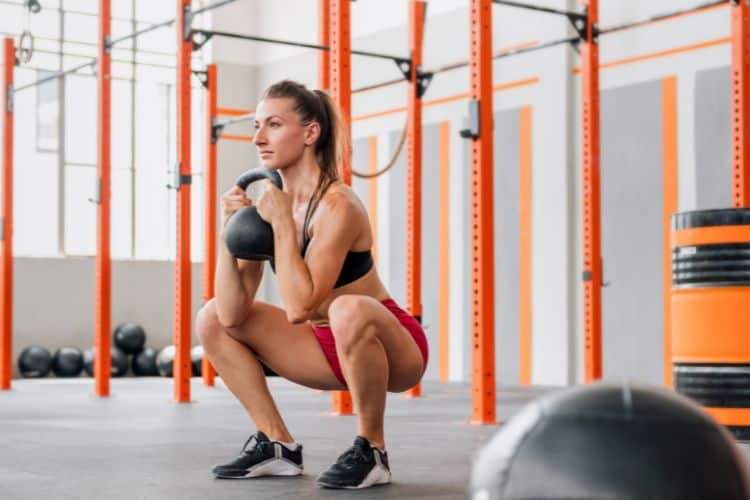
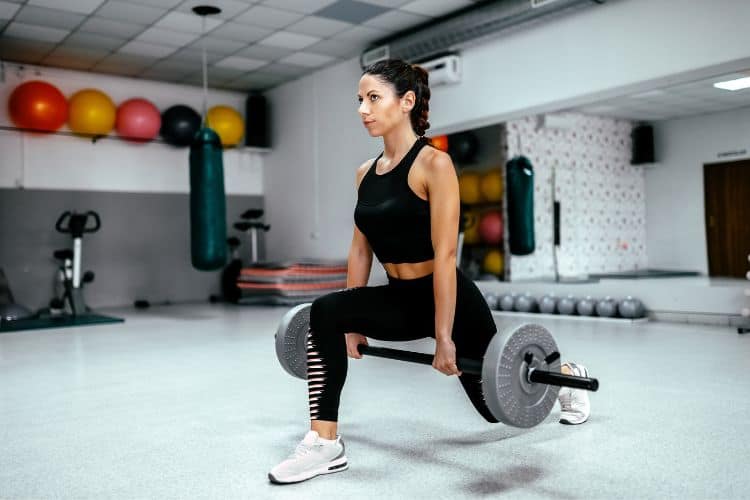
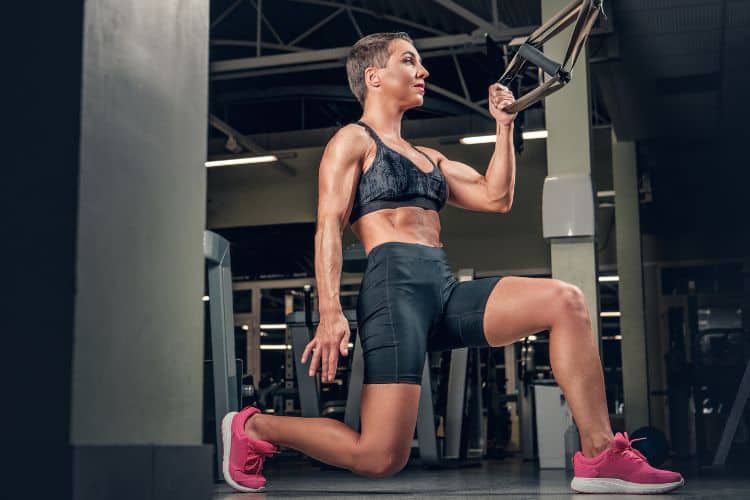
A beginner kettlebell workout for women can provide an efficient way to build strength, improve cardiovascular fitness, and support healthy weight loss without spending hours in the gym. Unlike many traditional workouts that separate strength training and cardio, kettlebell exercises can combine both benefits in one practical routine. With a single kettlebell and a small amount of space, you can train your legs, glutes, arms, shoulders, back, and core while increasing your heart rate.
Kettlebells are especially useful for beginners because many exercises follow natural movement patterns, including squatting, lifting, carrying, pressing, and hinging at the hips. The weight’s unique shape also challenges your balance and core stability differently from a traditional dumbbell. However, good technique is essential. Beginners should focus on controlled repetitions and proper form before trying heavier weights or fast-paced kettlebell circuits.
This beginner kettlebell workout for women is designed to support weight loss and full-body strength. It includes simple exercises, manageable work periods, and modifications that allow you to progress at your own pace. You do not need previous kettlebell experience, but you should always consult a qualified healthcare professional before beginning a new exercise program if you have an injury, medical condition, are pregnant, or have been inactive for an extended period.
Kettlebell training can help women develop practical strength that carries over into everyday activities. Movements such as kettlebell deadlifts, goblet squats, rows, and carries strengthen the muscles used when lifting groceries, climbing stairs, picking objects up from the floor, and maintaining good posture.
A well-designed kettlebell workout also recruits several muscle groups at once. A goblet squat works the thighs, glutes, core, and upper body because you must hold and stabilize the kettlebell throughout the movement. This makes compound exercises an efficient choice for women who want to get stronger while increasing the amount of energy used during a workout.
Kettlebell training can also support bone health, joint stability, and muscle retention when it is performed consistently and combined with appropriate nutrition. These benefits become increasingly important as women age. The goal is not simply to burn as many calories as possible during one session. It is to build a stronger body that can remain active, capable, and resilient over time.
Kettlebell workouts can contribute to weight loss by increasing physical activity, building metabolically active muscle, and improving overall fitness. However, no single workout can guarantee fat loss. Sustainable weight loss generally depends on a consistent calorie deficit, balanced eating habits, adequate sleep, stress management, and regular activity.
Strength training is valuable during weight loss because it helps preserve lean muscle. Losing weight without resistance training may result in the loss of both fat and muscle. A structured kettlebell program gives your body a reason to maintain and gradually develop muscle while you work toward your weight-loss goals.
Kettlebell circuits may also elevate your heart rate because you move between exercises with relatively short rest periods. This creates a combination of resistance training and cardiovascular conditioning. Beginners should not interpret this as a reason to rush. Controlled movements and good form are more important than speed, especially during the first several weeks.
The right starting weight should feel challenging without preventing you from maintaining proper form. Many women begin with a kettlebell between 8 and 15 pounds, although the best weight depends on current strength, exercise experience, and the movement being performed.
Lower-body exercises such as deadlifts and squats usually allow you to use more weight than overhead presses or arm exercises. If possible, having access to two kettlebell sizes can be helpful. You might use a heavier kettlebell for deadlifts and goblet squats while choosing a lighter option for presses and more technical movements.
Your kettlebell may be too heavy if you cannot control the lowering phase, your back rounds, your knees collapse inward, or you must use momentum to complete every repetition. It may be too light if you can perform the entire set without any noticeable effort. During your final few repetitions, your muscles should feel challenged, but your technique should remain steady.
This workout can be performed two or three nonconsecutive days per week. Allow at least one recovery day between sessions when you are starting. The complete routine should take approximately 25 to 35 minutes, including the warm-up and cooldown.
Perform each exercise for 10 to 12 repetitions unless a different amount is listed. Complete all seven exercises as a circuit, resting for approximately 20 to 40 seconds between movements. Rest for 60 to 90 seconds after completing the full circuit. Beginners can start with two rounds and gradually progress to three rounds.
Your workout should feel challenging, but it should not cause sharp pain, dizziness, or unusual shortness of breath. Stop exercising and seek appropriate guidance if you experience concerning symptoms.
Spend five to seven minutes preparing your muscles and joints before picking up the kettlebell. Begin with one minute of easy marching in place. Allow your arms to swing naturally and gradually lift your knees slightly higher.
Continue with 10 bodyweight good mornings. Place your hands on your hips, soften your knees, push your hips backward, and keep your back neutral. Add 10 bodyweight squats, eight reverse lunges per side, 10 arm circles in each direction, and 10 glute bridges.
Finish the warm-up with several practice hip hinges. The hip hinge is an essential kettlebell movement pattern. Stand with your feet approximately hip-width apart, push your hips backward, and maintain a long spine. You should feel tension in your hamstrings rather than pressure in your lower back.
Place the kettlebell on the floor between your feet. Stand with your feet about hip- to shoulder-width apart and point your toes slightly outward. Push your hips backward, bend your knees slightly, and grip the kettlebell handle with both hands.
Brace your core and keep your back neutral as you push through your feet and extend your hips to stand. Squeeze your glutes at the top without leaning backward. Reverse the movement by sending your hips behind you and returning the kettlebell to the floor with control.
Complete 10 to 12 repetitions. The kettlebell deadlift strengthens the glutes, hamstrings, back, and core while teaching the hip-hinge pattern needed for more advanced exercises. If the floor feels too far away, elevate the kettlebell on a stable platform.
Hold the kettlebell close to your chest by the horns or sides of the handle. Position your feet slightly wider than hip-width and keep your chest lifted. Bend your knees and hips to lower into a squat while keeping the kettlebell close to your body.
Lower only as far as you can while keeping your heels grounded and your spine neutral. Press through your whole foot to stand and tighten your glutes at the top. Complete 10 to 12 repetitions.
Goblet squats target the thighs, glutes, and core. Beginners can squat down to a sturdy chair or bench to learn the movement and control the depth.
Place your left hand on a sturdy chair or bench and hold the kettlebell in your right hand. Step your right foot slightly backward and hinge forward while maintaining a neutral spine. Allow your right arm to extend toward the floor.
Pull the kettlebell toward your ribs by driving your elbow backward. Pause briefly before lowering the weight with control. Complete 10 repetitions and then change sides.
Rows strengthen the upper back, arms, and rear shoulders. Avoid rotating your torso or shrugging your shoulder toward your ear. Imagine pulling your shoulder blade gently toward your spine.
Lie on your back with your knees bent and feet flat on the floor. Carefully place the kettlebell across the front of your hips and hold it securely with both hands. Brace your core and press through your heels to lift your hips.
Squeeze your glutes at the top while keeping your ribs controlled. Lower your hips slowly and repeat for 12 to 15 repetitions. If the kettlebell is uncomfortable, place a folded towel under it or perform the exercise without weight.
Glute bridges strengthen the hips, hamstrings, and core without requiring you to stand. They are a useful addition for beginners learning how to engage their glute muscles.
Begin in a half-kneeling position with your right knee on a padded surface and your left foot planted in front. Hold a light kettlebell at your right shoulder. Tighten your abdominal muscles and glutes before pressing the kettlebell overhead.
Lower the weight slowly to your shoulder. Complete eight to 10 repetitions and then switch sides. Keep your ribs from flaring and avoid leaning away from the kettlebell.
This exercise strengthens the shoulders, arms, and core. If overhead pressing causes discomfort, replace it with a kettlebell floor press. Lie on your back, hold the kettlebell beside your chest, and press it upward while keeping your wrist straight.
Hold the kettlebell at your chest in a goblet position. Step your right foot backward and lower your right knee toward the floor. Keep most of your weight over your front leg and maintain an upright torso.
Push through your front foot to return to standing. Alternate sides until you have completed eight repetitions per leg. If balance is difficult, hold the kettlebell in one hand and use the other hand to lightly touch a wall or stable chair.
Reverse lunges strengthen the glutes, thighs, and core while improving balance. You can also replace them with stationary split squats if stepping backward feels unstable.
Hold the kettlebell in your right hand with your arm straight beside your body. Stand tall, brace your core, and keep your shoulders level. Walk slowly for 20 to 30 seconds without leaning toward or away from the weight.
Change hands and repeat on the opposite side. If you do not have enough space to walk safely, march in place while holding the kettlebell.
The suitcase carry may look simple, but it develops grip strength, core stability, posture, and total-body control. It is also an excellent way to finish the circuit without using complicated movements.
The kettlebell swing is a popular exercise for conditioning and power, but it is not always the best first movement for an absolute beginner. A swing is powered by a forceful hip hinge rather than a squat or an arm raise. Performing it incorrectly may place unnecessary stress on the lower back or shoulders.
Spend time mastering deadlifts before introducing swings. Once you can perform controlled kettlebell deadlifts with a neutral spine, consider learning swings from a qualified trainer. Start with small sets and stop when your form begins to deteriorate.
You do not need kettlebell swings to obtain an effective weight-loss and strength workout. Squats, deadlifts, rows, presses, lunges, and carries can create a complete beginner routine.
Progress gradually to give your muscles, joints, and cardiovascular system time to adapt. During your first week, complete two rounds of the circuit with generous rest periods. Focus on learning each movement rather than trying to become exhausted.
During the second week, continue with two rounds but aim for smoother transitions and more consistent repetitions. In the third week, add a third round if you can maintain good form. During the fourth week, increase the kettlebell weight for one or two lower-body exercises or add two repetitions to each set.
Only change one variable at a time. You can increase the weight, repetitions, rounds, or time under tension, but increasing everything at once may interfere with recovery. A simple way to create more challenge without using a heavier kettlebell is to lower the weight for three seconds during squats, rows, and presses.
Most beginners can start with two full-body kettlebell sessions per week. After several weeks, you may increase to three sessions if you are recovering well. Avoid training the same muscles intensely every day, since recovery is when your body adapts to exercise.
On non-kettlebell days, include walking, easy cycling, mobility work, or another enjoyable form of moderate activity. Combining strength training with regular walking can be a realistic and sustainable approach for women pursuing weight loss.
Pay attention to persistent soreness, reduced performance, sleep problems, or a lack of motivation. These signs may indicate that you need additional recovery, improved nutrition, or a temporary reduction in workout intensity.
Exercise works best when it is supported by consistent eating habits. Build meals around protein, vegetables or fruit, high-fiber carbohydrates, and appropriate portions of healthy fats. Protein is particularly important because it supports muscle repair and may help meals feel more satisfying.
Useful protein options include eggs, Greek yogurt, poultry, fish, lean meat, tofu, beans, cottage cheese, and lentils. Carbohydrates such as oats, potatoes, rice, fruit, and whole grains can provide energy for your workouts. There is no need to eliminate an entire food group to make progress.
Stay hydrated throughout the day and drink additional water when exercising in hot conditions. Avoid using workouts to compensate for restrictive eating. A moderate, sustainable approach is more likely to support long-term weight management, energy, and strength.
One common mistake is selecting a weight based on what someone else uses. Your starting weight should match your current ability and may vary between exercises. Another mistake is completing repetitions too quickly. Slowing down allows you to feel the correct muscles working and makes it easier to identify technique problems.
Beginners may also hold their breath throughout an exercise. Exhale during the hardest part of the movement and inhale as you return to the starting position. Maintain abdominal tension without preventing yourself from breathing.
Finally, do not measure every workout by how many calories your watch reports. Calorie estimates from fitness devices can be inaccurate, and strength training offers benefits that are not captured by a single number. Improved technique, heavier controlled lifts, greater energy, and better movement quality are meaningful signs of progress.
After completing the workout, walk slowly for two or three minutes to let your breathing settle. Follow with gentle stretches for your hips, thighs, glutes, chest, and shoulders. Hold each stretch for approximately 20 to 30 seconds without bouncing or forcing the position.
Recovery also includes eating nutritious meals, drinking enough water, and getting adequate sleep. Mild muscle soreness may occur after a new workout, but severe pain is not a normal goal. Give your body additional rest if soreness affects your everyday movement.
A beginner kettlebell workout for women can help build full-body strength, improve conditioning, and support a sustainable weight-loss plan. The most effective routine is not necessarily the hardest one. It is the workout you can perform safely, consistently, and with gradual progression.
Start with two rounds of deadlifts, goblet squats, rows, glute bridges, presses, reverse lunges, and suitcase carries. Choose a manageable kettlebell, rest whenever needed, and prioritize technique over speed. As your strength and confidence improve, you can add another circuit, use a slightly heavier kettlebell, or introduce more advanced movements under proper guidance.
Combined with balanced nutrition, regular walking, sufficient recovery, and realistic expectations, kettlebell training can become a powerful part of a healthier and stronger lifestyle.
Continue building your fitness routine with these helpful WomensFitClub.com resources. Start your day with one of the Best Early Morning Kettlebell Workouts for an energizing combination of strength and conditioning. Once you feel comfortable with the basic movements, follow this progressive 4-Week Kettlebell Workout Challenge to improve your strength and endurance. You can strengthen your midsection with these Kettlebell Core Exercises For Women or develop stronger glutes and thighs with the Best Kettlebell Leg Exercises. For additional guidance on one of the most important beginner movements, explore these 7 Best Kettlebell Deadlift Variations For Strength And Fat Loss.
Stay up to date on the latest women’s health, fitness and lifestyle trends and tips.
