


Sign up for workout ideas, training advice, reviews of the latest gear and more.
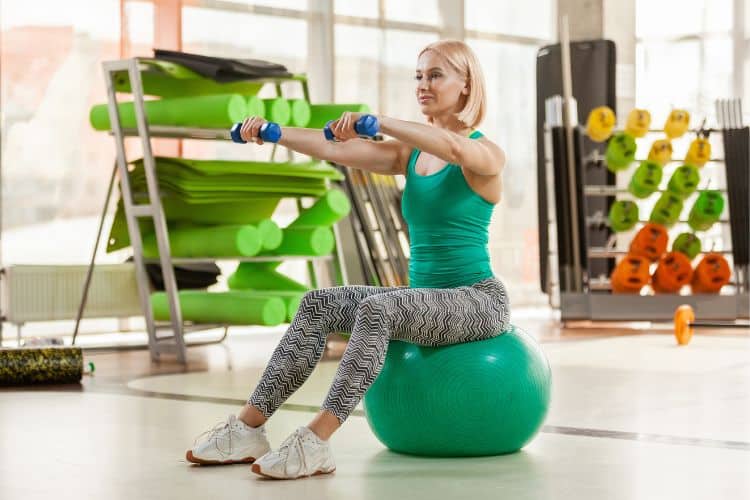

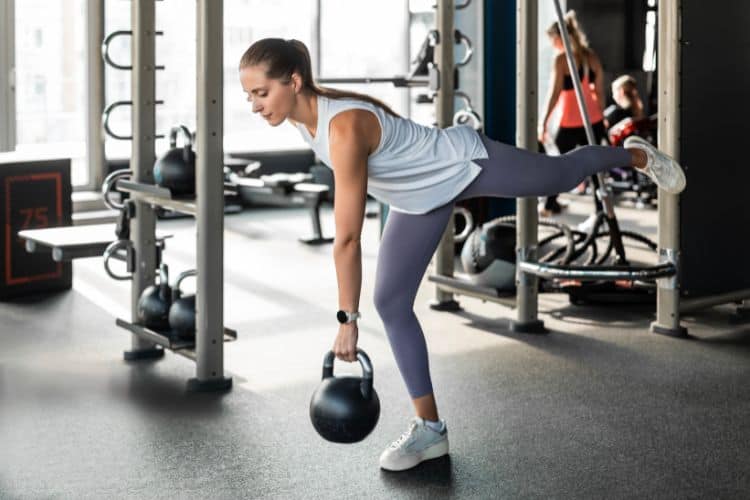
Strong bones are essential for staying active, independent, and confident after age 50. Although bone density naturally tends to decline with age, especially following menopause, the right exercise routine can help support bone health, preserve muscle mass, improve balance, and make everyday movements easier. You do not need box jumps, burpees, running, or other high-impact exercises to build an effective bone-strengthening workout for women over 50.
A well-designed, no-jumping workout uses resistance training, controlled weight-bearing movements, balance exercises, and good posture to challenge the muscles and bones safely. These exercises can be performed at home or in a gym using dumbbells, resistance bands, or your body weight. The key is to choose a level of resistance that feels challenging while maintaining proper form.
This bone-strengthening workout for women over 50 focuses on the hips, legs, spine, arms, shoulders, and core. These areas support posture, mobility, balance, and daily activities such as climbing stairs, carrying groceries, getting out of a chair, and lifting household objects.
Bone is living tissue that continually breaks down and rebuilds itself. During childhood and early adulthood, the body generally creates bone faster than it loses it. Later in life, bone loss can begin to outpace bone formation. The reduction in estrogen associated with menopause may accelerate that process in women.
Loss of bone density does not always produce obvious symptoms. Many people do not realize their bones have become weaker until they experience a fracture or receive a bone-density test. That is why consistent strength and weight-bearing exercise can be such an important part of healthy aging.
Exercise cannot control every factor associated with bone health, but it can create useful mechanical stress that encourages bones and muscles to adapt. It also strengthens the muscles surrounding vulnerable joints and improves coordination, which may help reduce the likelihood of a fall.
Jumping is one way to place impact on the skeleton, but it is not the only way to challenge bones. Strength training creates tension through the muscles and their attachments to the bones. Weight-bearing exercises performed while standing also require the legs, hips, and spine to support the body against gravity.
Squats, step-ups, lunges, loaded carries, rows, chest presses, and overhead presses can all contribute to a comprehensive routine without requiring a single jump. The workout needs enough resistance to be challenging, however. Moving a very light weight that never tires the muscles is less likely to produce the same strength improvements as gradual, appropriately managed resistance.
Women who have osteoporosis, osteopenia, joint replacements, chronic pain, balance limitations, or a history of fractures should ask a healthcare professional or physical therapist which exercises and ranges of motion are appropriate for them. Exercise recommendations may need to be individualized, particularly when spinal bone loss is present.
A low-impact strength workout offers benefits beyond bone health. It can help preserve lean muscle, which becomes increasingly important with age. Stronger muscles support the joints and make it easier to remain active throughout the day.
Training the hips and legs can improve walking, stair climbing, and the ability to stand from a seated position. Strengthening the back and shoulders can support upright posture, while core exercises help the body remain stable when lifting, carrying, and changing direction.
Balance training is another important component. Strong bones matter, but preventing falls is equally valuable. Exercises that challenge stability in a controlled environment can improve body awareness, ankle strength, and confidence.
Unlike a high-impact program, this workout is also quieter and more apartment-friendly. It can be completed in a relatively small space without rapid floor transitions.
You can complete this workout with a pair of dumbbells and a sturdy chair, bench, or step. Beginners may start with body weight and add resistance as their technique improves. A resistance band can replace dumbbells for some exercises, although free weights may be more convenient for squats, carries, and presses.
Wear supportive athletic shoes and exercise on a firm, uncluttered surface. Avoid using a rolling chair or unstable furniture for support. Keep water nearby, and make sure you have enough space to move without hitting surrounding objects.
Choose dumbbells that allow you to complete every repetition with controlled form. The final two or three repetitions of a set should feel challenging, but you should not need to hold your breath, rush, or twist your body to lift the weight.
Begin with approximately five to eight minutes of gentle movement. March in place at a comfortable pace while allowing the arms to swing naturally. Gradually increase the height of the knees without bouncing or jumping.
Continue with shoulder rolls, controlled arm circles, and several slow sit-to-stand repetitions from a chair. Add gentle heel raises to prepare the ankles and calves, followed by hip hinges without weight. During the hip hinge, push the hips backward while keeping the spine long and the knees slightly bent.
Finish the warm-up with alternating step-outs to the side and a few supported balance holds. The purpose is to increase circulation, rehearse the movement patterns, and prepare the joints—not to create fatigue.
Complete the following exercises as a controlled circuit. Perform approximately 8 to 12 repetitions of each strength exercise, or work for 30 to 45 seconds. Rest for 20 to 45 seconds between exercises and one to two minutes between rounds.
Beginners can complete two rounds. Women with more strength-training experience can complete three rounds or use heavier resistance. Prioritize deliberate movement and good alignment rather than moving as quickly as possible.
Stand in front of a sturdy chair with your feet approximately hip-width to shoulder-width apart. Hold one dumbbell close to your chest if you are ready to use resistance. Push your hips backward, bend your knees, and slowly lower toward the chair. Lightly touch the seat before pressing through both feet to stand.
Keep your chest lifted and allow the knees to track in the same direction as the toes. Avoid collapsing quickly onto the chair. The chair provides a depth target and added confidence, but your muscles should control the entire movement.
Squats strengthen the thighs, glutes, hips, and core. They also closely resemble the everyday task of sitting down and standing up. If a full squat causes discomfort, use a higher chair or reduce the depth.
Stand tall beside a chair or counter and hold it lightly for balance. Step one foot backward and bend both knees within a comfortable range. Press through the front foot to return to the starting position. Complete all repetitions on one side before changing legs, or alternate sides.
Keep most of your body weight over the front leg and maintain an upright torso. The back knee does not need to touch the floor. Even a shallow reverse lunge can effectively strengthen the hips and legs.
If lunges do not feel comfortable, replace them with split-stance mini squats. Place one foot in front of the other, keep both feet on the floor, and lower your body a few inches before standing.
Place one foot on a low, sturdy step. Press through the entire foot and straighten the working leg as you bring your body onto the step. Step down slowly and repeat before changing sides. Hold a railing or solid surface if additional support is needed.
Avoid pushing forcefully from the lower foot. The leg positioned on the step should perform most of the work. Begin with a low step and increase the height only when you can maintain control.
Step-ups strengthen the hips, thighs, and glutes while practicing a movement used on stairs and curbs. They are weight-bearing without requiring impact.
Hold a dumbbell in each hand in front of your thighs. Stand with the feet approximately hip-width apart and soften the knees. Push the hips backward while lowering the dumbbells along the front of your legs. Stop when you feel tension in the hamstrings, then squeeze the glutes and return to standing.
Keep your spine long and your shoulders pulled gently away from your ears. The movement should come primarily from the hips rather than from rounding the back or bending deeply at the knees.
The Romanian deadlift strengthens the glutes, hamstrings, back, and grip. If you have osteoporosis or a history of spinal fractures, seek professional guidance before performing loaded bending movements. A physical therapist can help determine the safest technique and range for your needs.
Hold a dumbbell in each hand at shoulder height with your palms facing forward or slightly inward. Brace your core and press the weights overhead without leaning backward. Lower them slowly to shoulder height.
Use light weights until you feel confident with the movement. If pressing overhead is uncomfortable, perform a dumbbell chest press while lying on a bench, or use a resistance-band chest press from a standing position.
Overhead pressing strengthens the shoulders, arms, and upper body. Standing also requires the legs and core to stabilize the body. Women with shoulder conditions may benefit from using a neutral grip, keeping the palms facing each other.
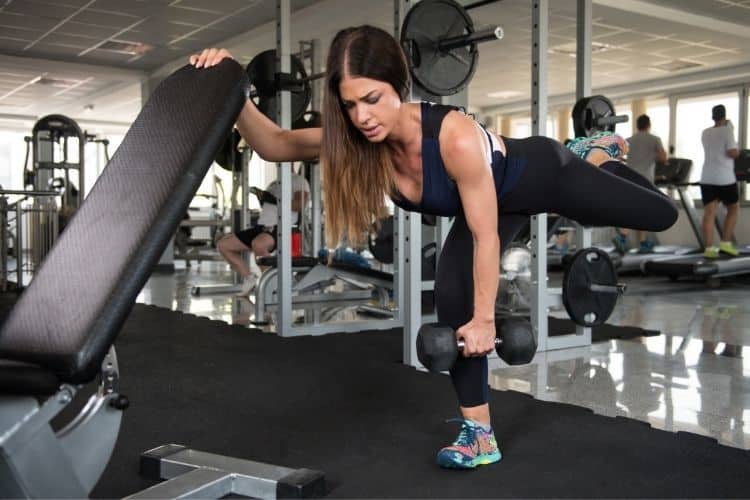
Place one hand on the back of a sturdy chair, bench, or counter. Step one foot slightly forward and hold a dumbbell in the opposite hand. Keep your spine long and pull the weight toward your hip. Pause briefly, then lower it with control.
Avoid rotating your torso or shrugging the shoulder toward your ear. Think about drawing the shoulder blade gently toward the spine.
Rows strengthen the upper back, shoulders, and arms. These muscles contribute to posture and make pulling, carrying, and lifting activities easier. Perform the same number of repetitions on each side.
Hold one dumbbell at your side as if you were carrying a suitcase. Stand tall and walk slowly across the room. Keep your shoulders level and resist leaning toward or away from the weight. Turn carefully and continue walking before switching hands.
If space is limited, march in place while holding the dumbbell. Keep the weight close to your side and take slow, controlled steps.
The suitcase carry strengthens the grip, hips, core, shoulders, and postural muscles. It also adds a balance challenge because the load is held on only one side. Start with 20 to 30 seconds per side and gradually increase the duration or weight.
Stand behind a chair and place your fingertips on it for balance. Slowly lift your heels, rise onto the balls of your feet, and pause at the top. Lower the heels with control instead of dropping them.
To increase the challenge, hold dumbbells, reduce the amount of hand support, or complete the movement one leg at a time. Avoid rocking forward and backward.
Calf raises strengthen the lower legs and ankles, which support walking and balance. They also provide a simple weight-bearing exercise that can be performed nearly anywhere.
Stand next to a stable surface and shift your weight onto one leg. Lift the opposite foot slightly off the floor and hold the position for 15 to 30 seconds. Keep a fingertip close to the support so you can regain balance immediately if necessary.
Maintain a tall posture and focus your eyes on a stationary object. If lifting the foot is too difficult, keep the toes touching the floor like a kickstand.
Progress by using less hand support, increasing the hold time, or gently turning your head from side to side. Do not close your eyes unless a qualified professional has determined that it is appropriate and you are in a protected environment.
Complete this bone-strengthening workout two or three nonconsecutive days per week. Your muscles need time to recover and adapt between sessions. On other days, include weight-bearing aerobic activities such as brisk walking, low-impact dancing, hiking, or stair walking when appropriate.
Federal physical activity guidance recommends that adults include muscle-strengthening activity on at least two days each week. Older adults are also encouraged to include balance work as part of a varied activity routine. Your total program should reflect your health, experience, and healthcare provider’s recommendations. Physical Activity Guidelines for Americans
Consistency matters more than completing a perfect workout. Two well-planned sessions every week can be more useful than an overly difficult routine that leaves you too sore or discouraged to continue.
Your body needs a gradually increasing challenge to continue becoming stronger. When you can complete 12 repetitions with excellent form and feel as though you could easily perform several more, consider increasing the resistance slightly.
You can also progress by adding one or two repetitions, completing another set, slowing the lowering phase, or reducing unnecessary hand support during balance exercises. Change only one factor at a time so you can evaluate how your body responds.
Do not increase resistance at the expense of posture or control. If you begin holding your breath, shortening the movement dramatically, or using momentum, the weight may be too heavy.
Keep a simple training record that includes the exercise, weight, repetitions, and number of sets. This makes progressive overload easier to manage and helps you recognize improvements that may otherwise be overlooked.
Women with osteoporosis may require additional precautions, especially when the spine is affected. Repeated or forceful forward bending, loaded spinal rounding, and twisting under resistance may not be appropriate for everyone. Movements should generally emphasize a long, supported spine and controlled hip motion.
This does not mean that women with osteoporosis must avoid exercise. Resistance, posture, balance, and weight-bearing activities may be especially valuable, but the program should match the individual’s medical history and fracture risk. The Bone Health and Osteoporosis Foundation recommends discussing an exercise plan with a qualified professional when osteoporosis or previous fractures are present. Bone Health and Osteoporosis Foundation
Stop exercising and seek medical advice if you experience sudden back pain, chest pain, severe shortness of breath, dizziness, or sharp joint pain. Ordinary muscle fatigue is expected, but acute or worsening pain should not be ignored.
One common mistake is using weights that are too light forever. Starting conservatively is sensible, but the muscles eventually need more resistance to continue adapting. Progress gradually once the current workload becomes easy.
Another mistake is moving too quickly. Fast, uncontrolled repetitions may shift tension away from the target muscles and make balance more difficult. Use a smooth tempo and control both the lifting and lowering portions of every repetition.
Holding the breath can also raise unnecessary pressure and tension. Exhale during the hardest part of the movement and inhale during the easier phase. Keep the jaw, neck, and shoulders relaxed whenever possible.
Finally, do not rely exclusively on walking. Walking is a beneficial weight-bearing activity, but it does not fully replace resistance training. A balanced routine combines walking or another aerobic activity with exercises that directly challenge the muscles of the legs, hips, back, chest, shoulders, and arms.
Exercise works best as part of a broader bone-health strategy. Adequate protein supports muscle repair and maintenance, while calcium and vitamin D are important for bone health. Nutrient needs vary, and supplements are not automatically necessary for everyone. A healthcare professional can help assess your diet, medications, health history, and laboratory results.
Sleep and recovery also matter. Muscles adapt between workouts, so allow adequate rest before training the same muscle groups again. Avoid smoking, and discuss alcohol intake with your healthcare provider if you have concerns about bone health.
If you have not had a bone-density screening, ask your healthcare provider whether testing is recommended based on your age and risk factors. Family history, previous fractures, certain medications, low body weight, and some medical conditions can affect risk.
A balanced week might include the complete strength workout on Monday and Thursday. Tuesday could feature a comfortable 20- to 30-minute walk, while Wednesday could include mobility and balance practice. Another walk or low-impact dance session could be performed on Friday or Saturday, followed by an easier recovery day.
This schedule is only an example. Some women may need more recovery, while experienced exercisers may be comfortable with three weekly strength sessions. The most effective schedule is one that provides an appropriate challenge and can be maintained consistently.
A bone-strengthening workout for women over 50 does not need to include jumping, running, or punishing high-impact intervals. Controlled squats, step-ups, hinges, presses, rows, carries, calf raises, and balance exercises can create an effective full-body routine while remaining joint-friendly and adaptable.
Begin at your current ability level, focus on proper form, and increase the challenge gradually. The goal is not to exhaust yourself during every session. It is to build the strength, balance, and confidence that support an active life for years to come.
With two or three consistent sessions each week, suitable resistance, and appropriate medical guidance, a no-jumping workout can become a practical and sustainable part of protecting your muscles, mobility, and bones after 50.
For more ways to stay strong and active, explore these Strength Training Routines For Women Over 50 and try this Full Body Dumbbell Workout For Women Over 50. You can also improve stability with these Balance And Mobility Exercises For Women, discover more Low Impact Exercises For Women, or follow this complete Over 50 Workout Plan For Strength Energy And Health to build a balanced weekly fitness routine without high-impact jumping.
Stay up to date on the latest women’s health, fitness and lifestyle trends and tips.
