


Sign up for workout ideas, training advice, reviews of the latest gear and more.

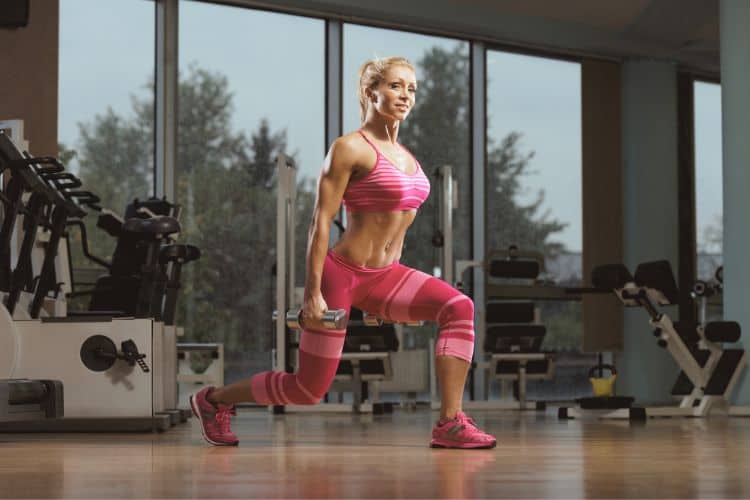
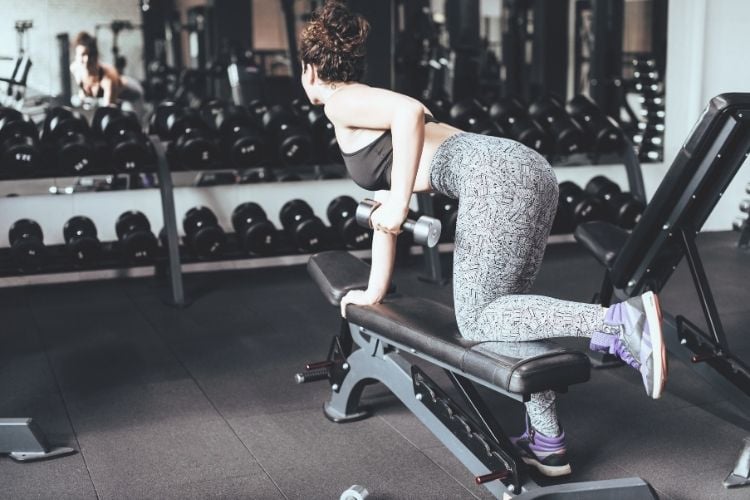
A well-designed dumbbell back workout can help you build a stronger, more defined upper body without relying on complicated gym machines. Dumbbells provide an impressive combination of freedom of movement, unilateral training, progressive overload, and exercise variety, making them useful for beginners and experienced lifters alike. However, getting results from dumbbell back exercises requires more than simply picking up a pair of weights and performing rows. Proper dumbbell back workout form is essential for targeting the back muscles effectively while maintaining controlled, comfortable movement.
Your back contains several major muscle groups that contribute to posture, pulling strength, shoulder stability, and overall upper-body performance. A balanced dumbbell routine can train the latissimus dorsi, trapezius, rhomboids, rear deltoids, spinal erectors, and other supporting muscles. The key is learning how to position your torso, control your shoulder blades, choose an appropriate weight, and perform every repetition with purpose.
This guide covers dumbbell back workout form and tips, including the best exercises, common technique mistakes, recommended sets and repetitions, and practical strategies for getting more from every workout.
Proper form should be one of your highest priorities when performing a dumbbell back workout. Using heavier weights may feel productive, but additional resistance provides limited benefit when your technique deteriorates. Swinging the dumbbells, excessively rotating your torso, shrugging your shoulders, or rushing repetitions can shift tension away from the muscles you are attempting to train.
Good technique begins with creating a stable position. Depending on the exercise, this could involve keeping your feet firmly planted, bracing your core, maintaining a controlled hip hinge, or supporting yourself with a bench. Once your body is stable, you can concentrate on moving the dumbbells through a comfortable range of motion.
Controlled form also makes it easier to establish a stronger mind-muscle connection. Rather than thinking exclusively about moving a dumbbell from one position to another, concentrate on your back muscles shortening as you pull and lengthening as you lower the weight. This simple change in focus can dramatically improve the quality of your repetitions.
Before building your workout, it helps to understand which muscles are responsible for the movements you are performing.
The latissimus dorsi, commonly called the lats, are large muscles extending across much of the middle and lower back. They play an important role in pulling your upper arms toward your body. Dumbbell rows and dumbbell pullovers are two effective movements for emphasizing the lats.
The trapezius extends across the upper and middle portion of your back. Different sections of the trapezius help control the shoulder blades. Dumbbell shrugs strongly emphasize the upper traps, while rowing and rear-delt movements can involve the middle and lower portions.
Located between your shoulder blades, the rhomboids assist with scapular retraction—the movement of drawing your shoulder blades toward each other. Properly performed dumbbell rows can provide excellent stimulation for these muscles.
Although technically part of the shoulder, the rear deltoids contribute to many pulling movements and are commonly trained alongside the back. Dumbbell reverse fly exercises can strengthen this area while complementing your rowing movements.
The spinal erectors run along your spine and contribute to maintaining torso position. Hip-hinge exercises such as dumbbell Romanian deadlifts can strengthen the posterior chain while requiring the spinal erectors to work isometrically to stabilize the torso.
A complete dumbbell back workout should include different movement patterns rather than relying exclusively on one type of row. The following exercises can be combined to target your back from multiple angles.
The bent-over dumbbell row is one of the most versatile exercises for developing the back.
Stand with your feet approximately hip- to shoulder-width apart while holding a dumbbell in each hand. Slightly bend your knees and push your hips backward until your torso is angled forward. Keep your spine in a comfortable neutral position and brace your abdominal muscles.
Allow the dumbbells to hang below your shoulders. Pull the dumbbells toward the sides of your torso by driving your elbows backward. Pause briefly near the top before slowly lowering the weights.
Avoid standing up during every repetition. Your torso should remain relatively stable throughout the set. If you have to generate momentum through your hips or lower back to move the weights, consider using lighter dumbbells.
A useful form cue is to think about pulling your elbows toward your back pockets rather than simply lifting the dumbbells upward. This can help keep your attention on the lats.
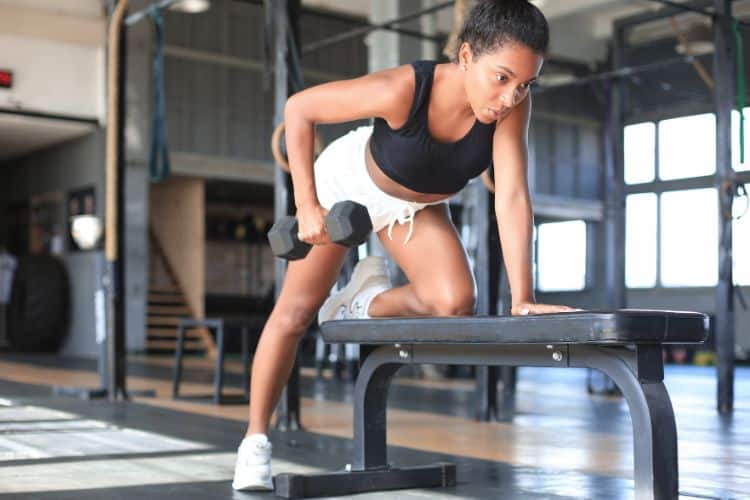
The single-arm dumbbell row allows you to train each side of your back independently, making it valuable for addressing strength differences.
Place one hand on a sturdy bench while positioning your feet so that you feel stable. Hold the dumbbell with your free hand and allow your arm to extend toward the floor.
Brace your core and pull the dumbbell toward your hip. Keep your elbow reasonably close to your torso if you want greater lat emphasis. Lower the dumbbell slowly until your arm is extended again.
One common mistake is excessively twisting the torso as the dumbbell rises. A small amount of natural movement can occur, but aggressive rotation often turns the exercise into a momentum-driven movement. Keep your torso controlled and allow the back muscles to perform the majority of the work.
The chest-supported dumbbell row is an excellent option when you want to train your back while reducing the amount of torso stabilization required.
Set an adjustable bench to an incline and lie face down with your chest supported. Hold a dumbbell in each hand with your arms hanging toward the floor. Pull your elbows backward while drawing your shoulder blades together. Pause before lowering the dumbbells under control.
Because the bench limits body movement, it becomes much harder to swing the weights. This makes the exercise particularly useful for practicing strict rowing form.
Avoid lifting your chest away from the bench as you pull. Keep your body supported and concentrate on moving through your shoulders and elbows.
The dumbbell reverse fly targets the rear shoulders and upper-back muscles.
Begin in a hip-hinge position with a dumbbell in each hand. Maintain a slight bend in your elbows and raise your arms outward until they approach shoulder level. Slowly return to the starting position.
Reverse flies generally require much lighter dumbbells than rows. Using too much weight often causes lifters to shrug their shoulders or turn the exercise into an uncontrolled swinging motion.
Keep the movement smooth and think about spreading your arms outward rather than throwing the dumbbells upward.
The dumbbell pullover can complement rowing exercises by training the upper body through a different movement pattern.
Lie on a bench while holding one dumbbell securely with both hands above your chest. Keeping a slight bend in your elbows, slowly lower the dumbbell behind your head within a comfortable range of motion.
Use your lats and upper-body muscles to bring the dumbbell back toward the starting position. Keep your rib cage controlled rather than excessively arching your lower back.
Shoulder mobility varies considerably between individuals, so avoid forcing the dumbbell deeper than your comfortable range allows.
Although frequently categorized as a hamstring and glute exercise, the dumbbell Romanian deadlift can be useful in a complete posterior-chain workout and challenges the back muscles to stabilize the torso.
Stand upright while holding the dumbbells in front of your thighs. Keep your knees slightly bent and push your hips backward. Allow the dumbbells to travel close to your legs while maintaining a stable spine.
Once you feel tension through your hamstrings and reach your natural range of motion, drive your hips forward to return to standing.
The movement should come primarily from your hips rather than from rounding and straightening your back.
Once you understand the exercises, you can combine them into an efficient 30-minute dumbbell back workout.
Start with approximately five minutes of light movement and preparation. Perform controlled shoulder circles, arm swings, bodyweight hip hinges, and a few light practice rows before beginning your working sets.
For the main workout, perform bent-over dumbbell rows for 3 sets of 8–12 repetitions, followed by single-arm dumbbell rows for 3 sets of 8–12 repetitions per side. Continue with chest-supported dumbbell rows for 3 sets of 10–12 repetitions and dumbbell reverse flies for 3 sets of 12–15 repetitions. Finish with dumbbell pullovers for 2–3 sets of 10–15 repetitions.
Rest approximately 60–90 seconds between sets, adjusting the recovery period according to the weight and your training experience.
You do not need to rush through the workout. If proper form requires slightly longer rest periods, take them. Maintaining high-quality repetitions is generally more productive than sacrificing technique simply to finish within an exact time.
Choosing the right dumbbell weight is one of the most important aspects of proper back training.
Your weights should be challenging enough that the final repetitions of a set require significant effort while still allowing you to maintain consistent technique. If you can easily perform several repetitions beyond your intended range, you may need heavier dumbbells. If you cannot reach your target repetitions without swinging, twisting, or shortening your range of motion, reduce the resistance.
Different exercises will require different dumbbell weights. You will probably be able to row significantly more weight than you can use for reverse flies. Do not assume one pair of dumbbells should be used for your entire routine.
Your shoulder blades play a major role in effective back training.
During many rowing movements, the shoulder blades should move naturally around the rib cage rather than remaining completely frozen. As you lower the dumbbell, controlled protraction can lengthen portions of the back musculature. As you pull, the shoulder blade moves toward retraction.
The goal is controlled movement rather than exaggerated squeezing.
Avoid constantly shrugging your shoulders toward your ears. Keeping unnecessary upper-trap tension under control can make it easier to feel the intended back muscles working.
One of the most frequent mistakes is choosing dumbbells that are too heavy. Excessive resistance encourages swinging and shortens the range of motion.
Another common problem is moving too quickly. Dropping the dumbbells immediately after reaching the top eliminates much of the control during the eccentric, or lowering, phase. Try lowering the weight deliberately rather than allowing gravity to take over.
Poor hip-hinge positioning is another issue during bent-over exercises. Instead of rounding forward through the spine, practice pushing your hips backward while keeping your torso controlled.
Lifters may also pull the dumbbell too high. The objective is not necessarily to bring the dumbbell as close to your shoulder as possible. Your pulling path should match the muscles you are trying to emphasize and remain comfortable for your shoulders.
Finally, avoid turning every set into a competition for more repetitions. Stop the set when you can no longer perform productive repetitions with acceptable technique.
If you primarily feel dumbbell rows in your biceps, experiment with changing how you think about the movement.
Instead of focusing on your hands, imagine that your hands are hooks connecting you to the dumbbells. Concentrate on driving your elbows backward.
You can also temporarily reduce the weight and slow the exercise down. Pause briefly at the top of each repetition and consciously contract your back before lowering the weight.
Your grip matters as well. You need to hold the dumbbells securely, but excessively squeezing them can sometimes cause you to focus more on your forearms than your back. Use a secure but controlled grip.
Progressive overload is essential if your goal is to continue developing strength and muscle.
Adding weight is one option, but it is not the only form of progression. You can increase repetitions, improve your range of motion, add another set, slow the eccentric portion, improve technique, or reduce unnecessary momentum.
For example, suppose you begin performing dumbbell rows with 20-pound dumbbells for 3 sets of 8 repetitions. Over several workouts, you might gradually progress toward 3 sets of 12 repetitions. Once you can perform all repetitions with good form, you could move to the next available dumbbell weight and return to the lower end of your repetition range.
This approach creates measurable progression without requiring you to increase weight every workout.
Beginners should prioritize learning the movements before worrying about lifting heavy dumbbells.
Start with a manageable weight and practice your hip hinge, rowing path, and torso positioning. Chest-supported and single-arm supported rows can be particularly useful because they provide additional stability.
Two back-focused training sessions per week may be sufficient for many beginners when incorporated into a balanced resistance-training program. Allow enough recovery between challenging sessions and increase training volume gradually.
Keep a simple workout log containing the exercises, weights, sets, and repetitions you complete. Tracking your performance makes it easier to recognize progress and determine when to increase the challenge.
If muscle development is your primary goal, focus on consistent resistance training, sufficient training volume, progressive overload, recovery, and nutrition.
Most dumbbell back exercises work effectively across moderate repetition ranges. Sets of approximately 6–15 repetitions can be useful for rows, while lighter isolation movements such as reverse flies are often comfortable in slightly higher ranges.
You do not need to reach absolute muscular failure on every set. Instead, perform challenging sets where the final few repetitions require substantial effort while your form remains controlled.
Exercise consistency matters more than constantly changing your routine. Keeping several core movements in your program for multiple weeks allows you to track whether you are actually getting stronger.
Breathing correctly can help you maintain stability throughout your dumbbell back workout.
Before beginning a demanding repetition, create tension through your midsection. Think about gently bracing your abdominal muscles as though preparing for someone to press against your stomach.
Avoid holding your breath unnecessarily for long periods. For moderate dumbbell exercises, many people find it comfortable to exhale during the pulling phase and inhale during the lowering phase.
Maintaining core tension becomes particularly important during unsupported bent-over rows because your torso must remain stable while your arms move the dumbbells.
Training frequency depends on your overall workout schedule, experience level, recovery, and goals.
Many people can train their back approximately two times per week as part of a balanced strength program. For example, you might perform one dedicated back workout and include additional rowing movements during a full-body or upper-body workout later in the week.
More training is not automatically better. Your muscles need sufficient time to recover and adapt. If your performance consistently declines or your muscles remain unusually fatigued, review your training volume, intensity, sleep, and recovery.
Before each exercise, check your starting position. Make sure your feet or supporting hand are secure, your core is braced, and your torso is positioned correctly.
During each repetition, keep the dumbbell under control. Avoid sudden jerking movements and concentrate on moving through a comfortable range of motion. Let your elbow guide the pulling motion and keep unnecessary shoulder shrugging to a minimum.
At the end of each set, evaluate your technique. If your final repetitions looked dramatically different from your first repetitions, the weight may be too heavy or the set may have continued too long.
An effective dumbbell back workout does not require dozens of exercises or extremely heavy weights. The foundation is good technique, consistent training, appropriate resistance, and gradual progression.
Bent-over rows, single-arm rows, chest-supported rows, reverse flies, pullovers, and posterior-chain movements can provide a comprehensive approach to developing the back. Focus on maintaining a stable torso, controlling your shoulder blades, driving your elbows through each pulling movement, and lowering the dumbbells deliberately.
Most importantly, treat proper form as part of your progression rather than something separate from it. Performing an exercise with greater control, a better range of motion, and less momentum is progress even when the number printed on the dumbbell stays the same.
Whether you are training at home or in the gym, mastering these dumbbell back workout form and tips can help you create more productive workouts and build the foundation for a stronger, more capable upper body.
Ready to put these dumbbell back workout form tips into practice? Build your next training session with our 10 Best Dumbbell Back Workouts for Women, challenge your pulling muscles with this 35-Minute Back and Bicep Dumbbell Workout, or follow our 30-Minute Back Workout Routine for Muscle Growth for a longer strength-focused session. For more variety, try this 20-Minute Back Workout for Strength and Shape or incorporate your back training into a complete 5-Day Dumbbell-Only Workout Plan for Women to develop balanced full-body strength.
Stay up to date on the latest women’s health, fitness and lifestyle trends and tips.
