


Sign up for workout ideas, training advice, reviews of the latest gear and more.

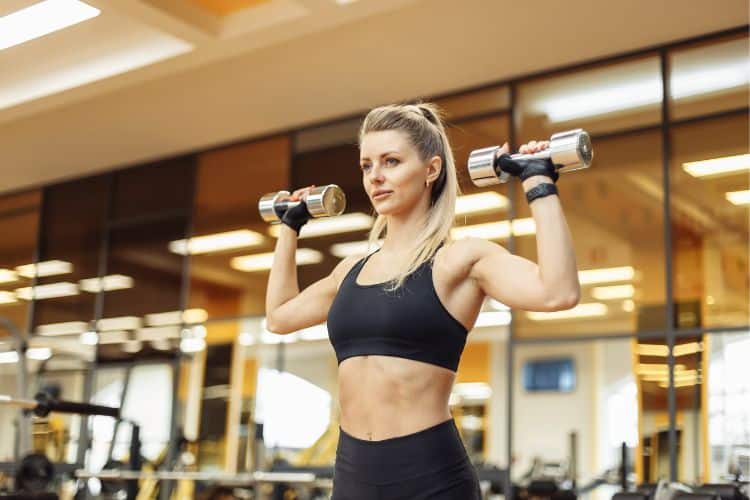
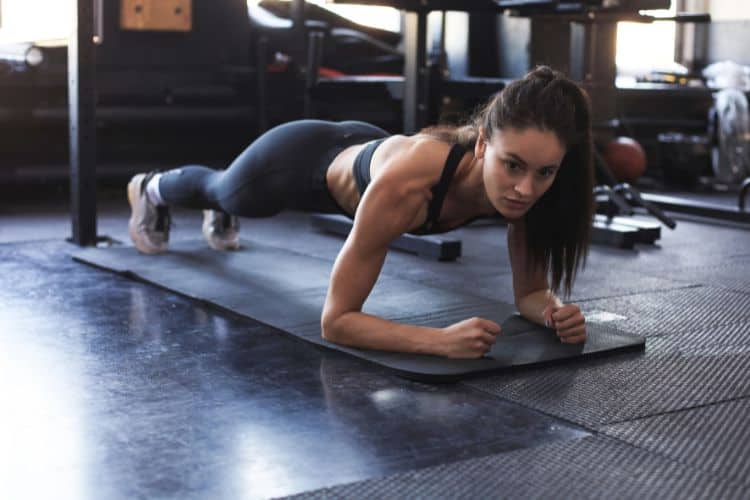
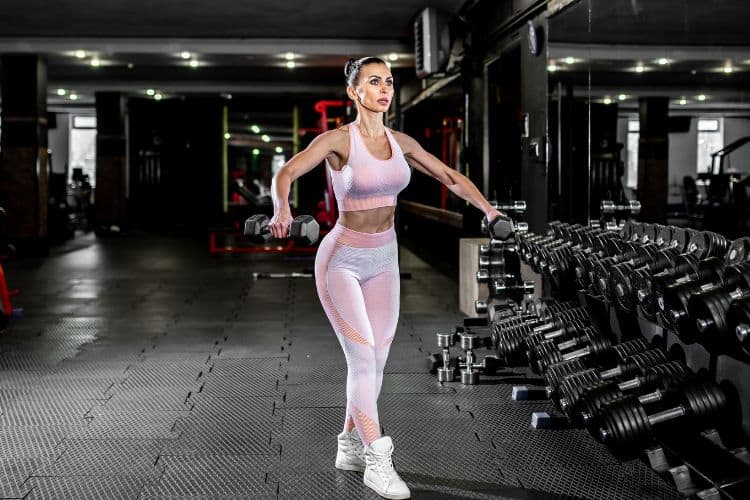
Dumbbell power strength training for women over 40 combines resistance exercises with controlled, faster movements to develop strength, muscle, balance, coordination, and everyday athletic ability. Traditional strength training helps you produce force, while power training teaches you to produce that force more quickly. Both qualities become increasingly valuable as women move through their 40s and beyond.
Power training does not mean performing reckless jumps or rushing through exercises. A well-designed dumbbell power workout uses manageable weights, strong technique, intentional acceleration, and controlled lowering. The goal is to move with confidence while keeping every repetition safe and effective.
This workout is designed for women who want to preserve lean muscle, support bone strength, improve functional fitness, and feel more capable during daily activities. It can be adjusted for beginners, experienced lifters, home workouts, or gym sessions. All you need is a pair of dumbbells, enough space to move comfortably, and a commitment to performing each exercise with good form.
Dumbbell power strength training blends traditional resistance exercises with movements performed more explosively. During a normal strength exercise, you may lift and lower the weight at a steady tempo. During a power-focused exercise, you accelerate through the lifting phase while keeping the lowering phase controlled.
For example, a standard dumbbell squat builds lower-body strength. A dumbbell squat-to-calf-raise adds a quicker upward drive, helping train the legs to generate force more rapidly. A controlled shoulder press strengthens the upper body, while a dumbbell push press uses assistance from the legs to move the weights overhead with greater speed.
The weights should never feel so heavy that you lose control. Power depends on speed and coordination, not simply on lifting the heaviest dumbbells available. If the weight moves slowly despite your best effort, it may be too heavy for the power portion of the workout.
Muscle mass, bone density, balance, and movement speed can gradually decline with age, especially when strength training is not part of a regular routine. Hormonal changes associated with perimenopause and menopause may also affect muscle recovery, body composition, and bone health. A thoughtfully planned resistance program can help women remain strong and active throughout these changes.
Power is particularly important because many everyday movements require you to react quickly. Catching your balance, climbing stairs, lifting a bag, standing up from a low chair, or moving out of the way of an obstacle all involve producing force within a short amount of time.
Dumbbell power training also creates an athletic challenge without requiring complicated equipment. Because each arm holds its own weight, dumbbells can help expose and improve strength imbalances. They also allow a natural range of motion and make it easier to modify exercises around your experience and mobility.
Regular resistance training provides the muscles with a reason to adapt. Over time, this can help preserve existing muscle and build additional lean tissue. Maintaining muscle supports strength, posture, joint stability, metabolism, and the ability to complete daily tasks independently.
Power exercises complement traditional strength movements by training the nervous system to recruit muscle fibers efficiently. The result is not only stronger muscles but also a greater ability to use that strength when it is needed.
Weight-bearing and resistance exercises place productive stress on the bones. When training is performed consistently and progressed gradually, it may help support bone health. Dumbbell squats, lunges, deadlifts, carries, and overhead presses are especially useful because they load multiple areas of the body.
Women with osteoporosis, osteopenia, joint problems, or a history of fractures should consult a qualified healthcare professional before starting a new power program. Exercise selection may need to be modified according to individual needs.
Many dumbbell exercises require the core, hips, and smaller stabilizing muscles to work together. Unilateral movements, such as reverse lunges and single-arm presses, can be particularly useful for improving balance and coordination.
Better coordination allows the body to move as one connected unit. This can make workouts feel smoother while improving confidence during walking, stair climbing, recreational activities, and household tasks.
Strength determines how much force you can produce. Power determines how quickly you can produce it. Training both qualities prepares the body for a wider range of real-world situations.
A woman may have enough strength to stand from a chair slowly, but greater lower-body power can make that movement faster and easier. The same principle applies to lifting objects, carrying groceries, hiking uphill, or participating in sports.
Power training can add variety to a conventional dumbbell routine. Instead of completing every repetition at the same speed, you learn to alternate between controlled strength exercises and more dynamic movements.
This change in pace can make training mentally stimulating while challenging the heart, muscles, and nervous system. The workout may feel athletic without relying on excessive jumping or high-impact cardio.
Select a weight that allows you to complete every repetition with stable posture and complete control. For traditional strength exercises, the final two repetitions should feel challenging, but you should still be able to maintain proper form. For power movements, choose a slightly lighter weight that you can accelerate safely.
Many women need different weights for different exercises. You may use heavier dumbbells for deadlifts and squats, moderate weights for rows, and lighter weights for push presses or rotational movements. An adjustable dumbbell set can make these transitions convenient.
Beginners should practice each movement slowly before adding speed. Once the exercise feels coordinated, gradually increase the speed of the lifting phase. Never sacrifice joint position, balance, or control merely to move faster.
Begin with five to ten minutes of progressive movement. The warm-up should raise your body temperature, mobilize the major joints, and prepare the movement patterns used in the workout.
Start with relaxed marching, step touches, or easy walking. Continue with bodyweight squats, hip hinges, alternating reverse lunges, arm circles, and standing torso rotations. Complete several wall push-ups or elevated push-ups to prepare the shoulders, chest, and arms.
Finish with practice repetitions of the main power exercises using no weight or very light dumbbells. A proper warm-up should leave you feeling mobile and energized, not exhausted.
Complete this workout two or three times per week on nonconsecutive days. Perform eight to twelve repetitions of each exercise unless otherwise noted. Complete two rounds as a beginner or three to four rounds if you have more training experience. Rest for approximately 30 to 60 seconds between exercises and 60 to 90 seconds between rounds.
Hold the dumbbells at your sides or at shoulder height. Stand with your feet approximately hip- to shoulder-width apart. Push your hips back, bend your knees, and lower into a comfortable squat while keeping your chest lifted.
Drive through your feet to stand with intention. As you reach the top, rise onto the balls of your feet and squeeze your calves. Lower your heels before beginning the next squat. The upward portion can be powerful, but the descent should remain smooth and controlled.
This exercise strengthens the quadriceps, glutes, hamstrings, calves, and core while introducing lower-body power without jumping. If balance is challenging, eliminate the calf raise or perform the movement beside a stable support.
Hold a dumbbell in each hand at shoulder level with your palms facing forward or slightly inward. Soften your knees and lower into a shallow dip while keeping your torso upright. Drive through your legs and use that momentum to press the dumbbells overhead.
Finish with your arms extended without aggressively locking the elbows. Lower the weights slowly to your shoulders and reset before the next repetition. The legs begin the movement, but the shoulders and arms finish it.
Choose a moderate or light weight for this exercise. If overhead pressing causes discomfort, use a neutral grip, reduce the range of motion, or substitute an incline dumbbell press.
Stand with the dumbbells in front of your thighs. Push your hips back and lower the weights along your legs while keeping your spine neutral. You should feel tension through the hamstrings rather than pressure in the lower back.
Drive the hips forward to stand. As the dumbbells rise, bend your elbows and guide the weights toward the lower chest. Keep the weights close to your body and avoid pulling the elbows much higher than the shoulders.
This combination develops the glutes, hamstrings, back, shoulders, and upper-body coordination. Beginners can separate the movements by completing a deadlift, pausing, and then performing an upright row with a comfortable range of motion.
Hold the dumbbells at your sides and step one foot backward. Bend both knees, lowering only as far as you can maintain balance and alignment. Push through the front foot to stand and bring the back knee forward into a controlled knee drive.
Pause briefly at the top before stepping into the next repetition. Complete all repetitions on one side or alternate legs. This exercise trains unilateral leg strength, hip stability, core control, and balance.
For a lower-impact modification, remove the knee drive and perform alternating reverse lunges. You can also hold one dumbbell at your chest or use a chair for light support.
Stand in a staggered stance and hold one dumbbell in the hand opposite the front leg. Hinge forward from the hips and place your free hand on your thigh or a bench for support. Keep your back neutral and your shoulders level.
Pull the dumbbell toward your hip with deliberate speed, squeezing the shoulder blade toward the spine. Lower the weight slowly until the arm is extended. Avoid rotating the torso or shrugging the shoulder.
The powerful upward pull and controlled lowering phase strengthen the back, arms, grip, and core. Complete the same number of repetitions on both sides.
Hold the dumbbells at shoulder height and lower into a squat. Drive powerfully through your feet to stand, using the upward momentum to press the dumbbells overhead. Lower the weights to your shoulders before beginning the next squat.
Thrusters train the legs, glutes, shoulders, arms, and core while elevating the heart rate. They can become demanding quickly, so begin with a light pair of dumbbells and focus on coordinated movement.
If combining the squat and press feels too complex, perform a squat, pause in the standing position, and then complete a shoulder press. This removes some momentum while preserving the full-body training effect.
Hold the dumbbells against the front of your thighs. Keep a slight bend in your knees and push your hips backward, lowering the weights until you feel a stretch through the hamstrings. Maintain a long spine and keep the dumbbells close to your legs.
Drive the hips forward with controlled speed and squeeze your glutes at the top. Do not lean backward or overextend the lower back. The movement should come from the hips rather than from pulling with the arms.
This exercise builds posterior-chain strength and teaches powerful hip extension. That movement pattern supports walking, running, stair climbing, lifting, and many recreational activities.
Lie on your back with your knees bent and your feet planted firmly. Hold the dumbbells above your chest with your palms facing forward or inward. Lower your upper arms until they lightly contact the floor.
Press the dumbbells upward with intention, then lower them slowly. Keep your wrists stacked above your elbows and maintain control as the arms approach the floor.
The floor press strengthens the chest, triceps, and shoulders while limiting excessive shoulder extension. If lying on the floor is uncomfortable, perform the exercise on a bench or substitute standing resistance-band presses.
Stand in front of a stable step or low platform with the dumbbells at your sides. Place one foot completely on the platform and drive through that foot to stand. Bring the opposite knee forward at the top before stepping down carefully.
Keep your hips level and avoid pushing excessively from the foot on the floor. Choose a step height that allows you to remain stable and keep the working knee aligned with the toes.
This movement builds leg strength, balance, and practical power for stairs and hills. Beginners can remove the knee drive and use a railing for support.
Stand tall while holding a dumbbell in each hand. Keep your shoulders down, ribs stacked over your hips, and abdominal muscles gently braced. Walk with controlled, purposeful steps for 30 to 45 seconds.
Farmer carries strengthen the grip, upper back, core, hips, and legs. They also improve posture and prepare you for carrying groceries, luggage, and other everyday objects.
Use weights that feel challenging without pulling your shoulders forward. If space is limited, march in place or walk several short laps across the room.
Progressive overload is essential for continued improvement, but you do not need to increase the dumbbell weight every week. You can progress by adding repetitions, completing another round, improving movement quality, slowing the lowering phase, reducing rest slightly, or using a modestly heavier weight.
Change only one variable at a time. For example, complete two rounds during the first week and progress to three rounds when your recovery and technique are consistent. After you can perform the higher end of the repetition range comfortably, consider increasing the dumbbell weight.
Power repetitions should remain crisp. End the set when movement speed decreases significantly or technique begins to deteriorate. Quality matters more than chasing fatigue.
A balanced weekly plan might include two dumbbell power strength workouts, one moderate traditional strength session, and two or three days of walking or low-impact cardiovascular activity. Mobility work, Pilates, or gentle yoga can be included according to your preferences and recovery.
Allow at least one day between demanding full-body strength sessions. Muscle adaptation occurs during recovery, so sleep and nutrition are part of the training plan. Eat balanced meals containing sufficient protein, carbohydrates, healthy fats, and nutrient-rich foods. Hydration is also important before, during, and after exercise.
Muscle fatigue is expected, but sharp pain, dizziness, chest discomfort, or unusual shortness of breath is not. Stop exercising and seek appropriate medical guidance if concerning symptoms occur.
Using weights that are too heavy is one of the most common mistakes. Heavy dumbbells can slow the movement and encourage compensation through the lower back, shoulders, or knees. Use a load that lets you move intentionally while remaining in control.
Another mistake is confusing power with speed alone. Moving rapidly without tension or proper positioning reduces the effectiveness of the exercise. The lifting phase should be quick, but the weight should never feel uncontrolled.
Skipping the strength foundation can also create problems. Beginners should first learn squats, hinges, rows, presses, and lunges at a slower pace. Power is added after the basic movement pattern becomes comfortable.
Finally, avoid turning every workout into an exhausting test. Women over 40 can train hard, but more fatigue does not automatically produce better results. Consistent, progressive sessions are more valuable than occasional workouts that leave you depleted for several days.
Dumbbell power strength training gives women over 40 a practical way to develop muscle, bone-supporting strength, balance, coordination, and faster force production. It combines the benefits of resistance training with dynamic movement while remaining adaptable to different fitness levels.
Begin with manageable weights, learn each exercise carefully, and add speed only when you feel stable. Train two or three times per week, allow enough time for recovery, and progress gradually. With consistency, this workout can help you feel stronger, quicker, and more confident both inside and outside the gym.
The purpose is not to compete with your younger self or anyone else. It is to build a body that supports the life you want to lead now and in the years ahead. Every controlled squat, press, row, carry, and lunge is an investment in long-term strength and independence.
Continue building strength with this Full Body Strength Training Plan For Women Over 40, or add variety with a 35 Minute Full Body Dumbbell Workout. If you need a shorter routine, try these Full Body Dumbbell Exercises In 15 Minutes. You can also explore the Best Workouts For Women Over 40 for more ways to improve muscle, mobility, and bone strength. For additional exercise ideas and training guidance, review this collection of the Best Full Body Dumbbell Exercises For Women.
Stay up to date on the latest women’s health, fitness and lifestyle trends and tips.
