


Sign up for workout ideas, training advice, reviews of the latest gear and more.


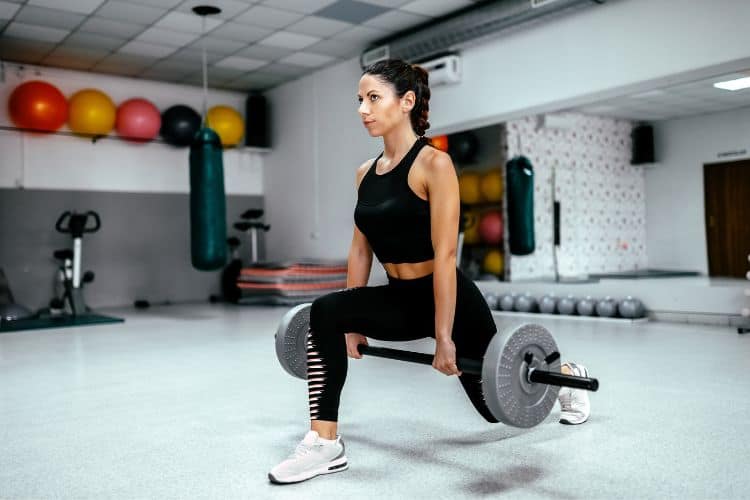
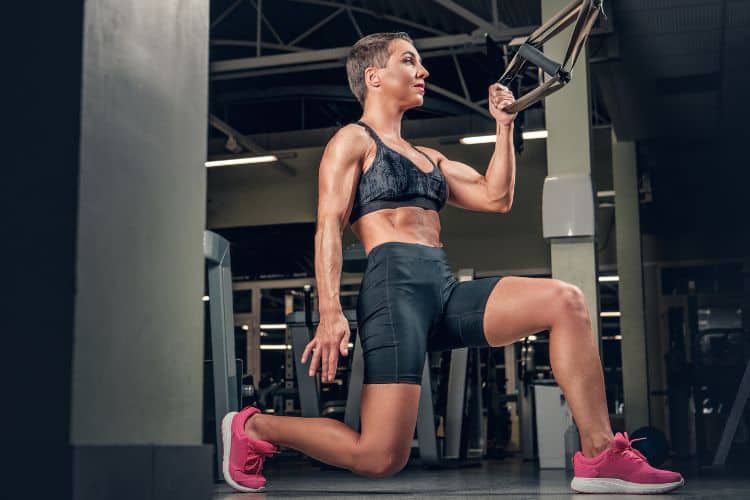
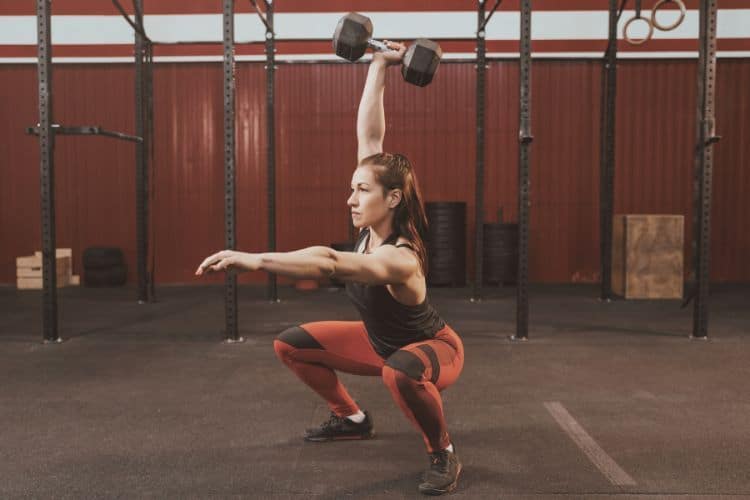
Building muscle and becoming stronger after 40 does not require extreme workouts, punishing routines, or lifting the heaviest weights in the gym. What it does require is a structured approach that encourages the body to adapt gradually. A progressive overload plan for women over 40 provides that structure by increasing the training challenge in small, manageable steps.
Progressive overload simply means asking your muscles to do slightly more work over time. You might lift a heavier dumbbell, perform an additional repetition, improve your exercise technique, complete another set, or use a more challenging variation. These gradual changes encourage increases in strength, muscle endurance, coordination, and confidence without forcing you to make reckless jumps in training intensity.
For women over 40, progressive overload can be particularly valuable because maintaining muscle and bone strength becomes increasingly important with age. The goal is not to compete with younger exercisers or chase a specific number on the scale. The goal is to create a sustainable strength-training routine that supports daily movement, healthy aging, body composition, and long-term independence.
The body adapts to the demands placed on it. When you first begin strength training, an exercise such as a goblet squat with a light dumbbell may feel challenging. After several weeks, your muscles, nervous system, and movement skills adapt, making the same weight easier to handle. If you continue performing exactly the same workout indefinitely, your progress may eventually slow.
Progressive overload prevents that plateau by gradually increasing the difficulty of your workouts. It gives your body a reason to keep adapting while allowing sufficient time for recovery. This is especially useful for women over 40 because the right training stimulus can help preserve or build lean muscle, improve functional strength, and support stronger bones.
The process should be gradual. More is not always better, particularly when sleep, recovery, hormones, work demands, and family responsibilities can affect training readiness. A well-designed plan balances challenge with recovery so that you finish most workouts feeling accomplished rather than exhausted.
Muscle mass can become more difficult to maintain as people age, particularly when they are physically inactive. Consistent resistance training provides a direct signal for the body to preserve and strengthen muscle tissue. Progressive overload keeps that signal meaningful by increasing the challenge as your fitness improves.
Building muscle does not necessarily mean developing a bulky appearance. For most women, strength training creates a firmer, stronger physique while supporting better movement and everyday performance. Added strength can make activities such as carrying groceries, climbing stairs, gardening, traveling, and getting up from the floor feel easier.
Weight-bearing activity and resistance training place controlled stress on the skeletal system. When training is appropriate for your experience and physical condition, this stimulus can support bone health. Exercises such as squats, step-ups, rows, presses, and loaded carries can be useful components of a complete strength program.
Women with osteoporosis, osteopenia, joint conditions, or a history of fractures should speak with a qualified healthcare professional before beginning a new training plan. Exercise selection and loading may need to be modified for individual safety.
Strength training can help increase or preserve metabolically active muscle. Although a progressive overload plan for women over 40 is not a quick fix for fat loss, it can complement balanced nutrition, regular walking, adequate sleep, and other healthy habits.
Instead of judging progress only by body weight, consider tracking strength, measurements, energy, workout performance, and how your clothes fit. The scale cannot show improvements in muscle quality, posture, stability, or physical confidence.
A strong body is better prepared for the physical demands of daily life. Lower-body strength supports walking, stair climbing, and balance. Upper-body strength helps with lifting and carrying, while a strong back and core support posture and controlled movement.
Progressive overload helps make these physical qualities more resilient. The objective is not simply to become better at gym exercises but to build strength that improves life outside the gym.
Many people assume progressive overload means increasing weight during every workout. That approach can quickly lead to poor form, frustration, or unnecessary aches. Adding weight is only one way to progress.
You can apply progressive overload by performing more repetitions with the same weight, adding a set, increasing the weight slightly, improving your range of motion, slowing the lowering phase, reducing unnecessary rest, or advancing to a more difficult exercise variation. You can also improve by performing the same workout with cleaner technique and greater control.
Only one variable needs to change at a time. If you simultaneously add weight, repetitions, sets, and exercises, the jump in workload may be too large. Small improvements are easier to recover from and simpler to track.
Before your first workout, assess your current experience and physical condition honestly. If you have been inactive, begin with manageable weights and basic movement patterns. If you already train consistently, choose starting loads that are challenging but allow technically sound repetitions.
Seek medical guidance when appropriate, especially if you have cardiovascular concerns, uncontrolled blood pressure, osteoporosis, a current injury, significant joint pain, or another condition that may affect exercise. A physical therapist or qualified fitness professional may also help you modify exercises around individual limitations.
For each exercise, choose a weight that allows you to complete the target repetitions while maintaining control. At the end of a set, you should generally feel that you could perform approximately two or three more good repetitions. This creates an effective challenge without requiring you to train to complete muscular failure.
This beginner-friendly plan uses three full-body workouts per week. Schedule at least one recovery day between strength sessions whenever possible. For example, you could train on Monday, Wednesday, and Friday while using the other days for walking, mobility work, gentle cycling, or rest.
Alternate Workout A and Workout B. During the first week, perform Workout A, Workout B, and Workout A. During the second week, perform Workout B, Workout A, and Workout B. Continue alternating in this pattern.
Begin with a five- to ten-minute warm-up. Walk briskly, march in place, circle your shoulders, perform controlled bodyweight squats, and practice the exercises with little or no weight.
Perform a goblet squat for eight to twelve repetitions. Hold one dumbbell close to your chest, keep your feet stable, and lower only as far as you can while maintaining good posture. Follow it with a dumbbell floor press for eight to twelve repetitions. Lie on your back with your knees bent and press the weights upward without allowing your shoulders to shrug.
Next, perform a supported one-arm dumbbell row for ten to twelve repetitions on each side. Place one hand on a sturdy bench or chair, maintain a long spine, and pull the dumbbell toward your hip. Complete a dumbbell Romanian deadlift for eight to twelve repetitions, pushing your hips backward while keeping the weights close to your legs.
Finish with a suitcase carry for 20 to 40 seconds on each side. Hold one dumbbell beside your body and walk slowly without leaning toward the weight. Rest for 60 to 120 seconds between sets as needed.
After warming up, begin with a low step-up for eight to ten repetitions on each leg. Use a stable platform and choose a height that allows you to control both the upward and downward phases. If step-ups are uncomfortable, substitute a supported reverse lunge or sit-to-stand exercise.
Perform a seated dumbbell shoulder press for eight to twelve repetitions. Keep your ribs controlled and avoid arching your lower back. Follow it with a glute bridge for ten to fifteen repetitions, pausing briefly at the top without overextending your spine.
Next, perform a dumbbell pullover or resistance-band pulldown for ten to twelve repetitions. Use a comfortable range of motion and keep your shoulders away from your ears. Add a split-stance dumbbell deadlift for eight to ten repetitions per side to strengthen your hips and improve lower-body stability.
Finish with a dead bug for six to ten controlled repetitions per side. Keep your lower back comfortably supported and move only as far as you can without losing control.
During the first week, perform two sets of every exercise. Choose weights that feel moderately challenging while leaving approximately three repetitions in reserve at the end of each set. Concentrate on learning the exercises, controlling the weights, and recording your performance.
Write down the weight, number of repetitions, and any relevant notes for every exercise. For example, you might record that you completed two sets of ten goblet squats with a 15-pound dumbbell and felt capable of performing three more repetitions.
Do not rush to increase the weight. Week one creates the baseline you will use to measure future progress.
Continue using the same weights, but attempt to add one repetition to selected sets. If you completed two sets of ten goblet squats during the first week, aim for eleven repetitions per set during the second week.
You do not need to increase every exercise during every session. If your shoulder press remains difficult, maintain the same repetitions while progressing your squat or row. Progress rarely occurs at the same speed across every movement.
Keep your repetitions controlled. An additional repetition only counts as progress when your technique remains consistent.
During week three, perform three sets of the primary exercises, including the squat, press, row, Romanian deadlift, step-up, and glute bridge. You may continue performing two sets of carries and core exercises if the additional volume feels demanding.
Adding a set increases total training volume without requiring an immediate increase in weight. Monitor how your body responds during the following 24 to 48 hours. Mild muscle soreness can be normal, but sharp pain, joint discomfort, or soreness that disrupts normal movement indicates that the workload or exercise selection may need adjustment.
If you can complete the top of the repetition range with good form and still have two or more repetitions available, increase the resistance slightly. For upper-body exercises, this might mean adding two to five pounds total. For lower-body movements, a five- to ten-pound increase may be appropriate, depending on your equipment and experience.
After increasing the weight, return to the lower end of the repetition range. For example, if you performed twelve goblet squats with 20 pounds, you might increase to 25 pounds and complete eight or nine repetitions. Over future workouts, gradually work back toward twelve repetitions before increasing the load again.
This method is known as double progression. You first increase repetitions within a defined range and then increase the weight once you reach the top of that range.
After week four, repeat the progression cycle rather than replacing the entire program. Keep exercises that feel comfortable, effective, and easy to track. Constantly changing routines can make it difficult to determine whether you are actually becoming stronger.
Aim to improve each major exercise gradually over four to eight weeks. When an exercise stops working for you, causes discomfort, or becomes impractical to load, choose a similar variation. A goblet squat could progress to a heavier double-dumbbell squat, while a floor press could progress to a bench press.
Consider scheduling a lighter week every four to eight weeks, especially if you feel unusually fatigued. During a lighter week, reduce the weight, sets, or repetitions by approximately 20 to 30 percent. This is not lost progress. It gives your body an opportunity to recover before the next phase of training.
The right starting weight should feel challenging near the end of the set without causing your technique to break down. If the target is eight to twelve repetitions and you could easily complete twenty, the weight is probably too light. If you cannot perform eight controlled repetitions, it is likely too heavy.
Use your repetitions in reserve as a practical guide. Finishing most sets with two or three repetitions left provides an effective training stimulus while managing fatigue. More experienced exercisers may occasionally finish a set with only one repetition left, but beginners do not need to train that close to failure.
Remember that the appropriate weight will differ between exercises. You may be able to use substantially more resistance for a deadlift or squat than for a lateral raise or shoulder press.
Muscles become stronger during recovery, not while the exercise is being performed. Allow at least 48 hours before training the same major muscle groups intensely again. Three full-body strength sessions per week provide a productive balance for many women.
If recovery is difficult, begin with two weekly workouts. A plan you can perform consistently is more effective than an ambitious schedule you frequently need to abandon.
Protein provides amino acids that support muscle repair and growth. Include a quality protein source in meals and snacks throughout the day, such as eggs, fish, poultry, Greek yogurt, cottage cheese, beans, lentils, tofu, or lean meat.
Your individual protein needs depend on body size, activity, goals, and health considerations. Anyone with kidney disease or another condition requiring dietary management should consult a physician or registered dietitian before significantly changing protein intake.
Carbohydrates can support training energy, while healthy fats contribute to a balanced diet. Avoid severe calorie restriction when your goal is to build strength and recover effectively.
Sleep affects workout performance, appetite, mood, and recovery. Establish a consistent sleep schedule when possible and avoid treating inadequate sleep as something that can be overcome with harder training.
On days when sleep or energy is particularly poor, consider maintaining your current weights instead of forcing progression. Autoregulation—the practice of adjusting training to your readiness—can help you stay consistent over the long term.
One common mistake is increasing weight before mastering proper technique. Heavier resistance does not represent progress if you shorten the range of motion, use momentum, or experience pain.
Another mistake is progressing too many variables at once. Adding weight, sets, repetitions, and training days simultaneously can produce more fatigue than your body is prepared to manage.
Some women also change exercises too frequently. Variety can make workouts enjoyable, but progressive overload depends on repeating key movements long enough to measure improvement.
Finally, avoid comparing your weights with someone else’s. Training experience, limb length, injury history, sleep, equipment, and genetics all influence performance. Your workout log is a more meaningful comparison than another person’s social media post.
Improvement can appear in several forms. You may lift a heavier dumbbell, complete more repetitions, use better technique, recover faster, or feel more confident during everyday activities. Your posture and balance may improve, and movements that previously felt tiring may become easier.
Take progress photos or body measurements only if they support a healthy mindset. Strength numbers, workout consistency, energy, and functional improvements are equally valuable measures of success.
Progress will not be perfectly linear. Stress, travel, poor sleep, illness, and hormonal changes can temporarily affect performance. One difficult workout does not mean the program has failed. Look for the overall trend across several weeks.
A progressive overload plan for women over 40 should be structured, patient, and adaptable. You do not need to increase the weight during every workout or push every set to failure. Consistent strength training, small performance improvements, balanced nutrition, and adequate recovery can produce meaningful results over time.
Begin with weights you can control, record your workouts, and progress one variable at a time. Add repetitions before making small increases in weight, and adjust the plan when recovery or joint comfort requires it. The objective is to build a stronger body that continues serving you well for years—not to exhaust yourself in a few weeks.
With three thoughtfully designed workouts per week and a commitment to gradual improvement, progressive overload can help you gain strength, maintain lean muscle, and approach life after 40 with greater physical confidence.
Continue building a safe and effective routine by learning the essential Progressive Overload Fundamentals For Women. You can also follow this Full-Body Strength Training Plan For Women Over 40 or try a time-efficient 30-Minute Full-Body Routine For Women Over 40. For more exercise options, explore these Full-Body Dumbbell Exercises For Women and use the guidance in this Workout Plan For Women Who Want To Gain Muscle to support your long-term strength goals.
Stay up to date on the latest women’s health, fitness and lifestyle trends and tips.
