


Sign up for workout ideas, training advice, reviews of the latest gear and more.
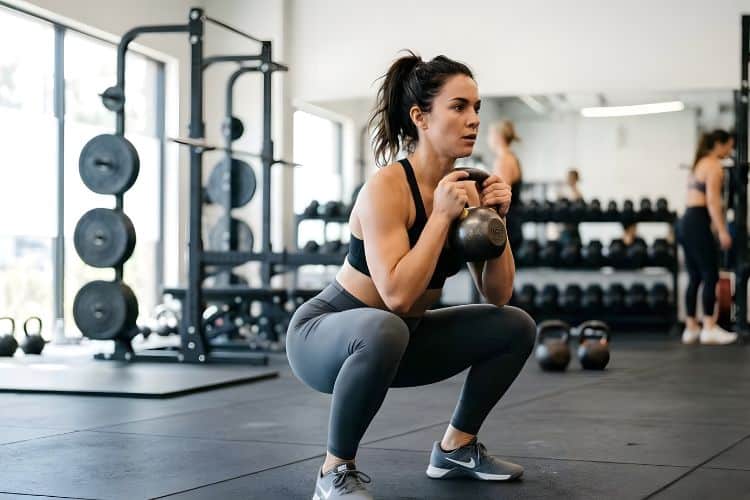
Thanksgiving morning can feel like the quiet pause before a busy day of cooking, travel, and family activities. A workout does not have to compete with those responsibilities. A short, purposeful session can help you begin the holiday feeling energized, capable, and connected to your body. This Thanksgiving morning workout for women uses familiar full-body movements, requires little space, and can be completed with body weight or dumbbells. The goal is not to “earn” Thanksgiving dinner. This routine is simply an opportunity to move, build strength, elevate your heart rate, and create a positive start to the day.
The session takes approximately 20 to 35 minutes. Beginners can use the low-impact variations, while experienced exercisers can add weights or complete an extra round. Squatting, hinging, pushing, pulling, core work, and cardio train the entire body without a trip to the gym.
A holiday workout supports your regular routine during a week when schedules often change. One session will not determine your progress, but maintaining the habit can make it easier to return to your usual program afterward.
Morning movement may help you feel more alert before the day’s activities begin. A gradual warm-up, strength exercises, and controlled cardio challenge major muscle groups while giving you a small pocket of personal time.
You do not need to break a personal record, burn a specific number of calories, or finish exhausted. A productive holiday session should leave you feeling better than when you started.
You can perform the workout with no equipment. Supportive shoes, comfortable clothing, water, and enough floor space to step forward and backward are sufficient. A mat is helpful but not essential.
For a strength-focused version, use dumbbells that allow good form for at least 10 repetitions. Choose lighter weights if you are new to resistance training or recovering from a demanding week. Resistance bands can also work for rows and presses.
Set a timer where you can see or hear it. The main workout uses 40 seconds of exercise followed by 20 seconds of transition or rest. Beginners may prefer 30 seconds of work and 30 seconds of rest. More advanced participants can use 45 seconds of work and 15 seconds of recovery, but quality should remain the priority.
Assess how you feel before beginning. Travel, reduced sleep, stress, or an earlier workout may affect your energy. Adjust the intensity instead of forcing your body to match an arbitrary plan.
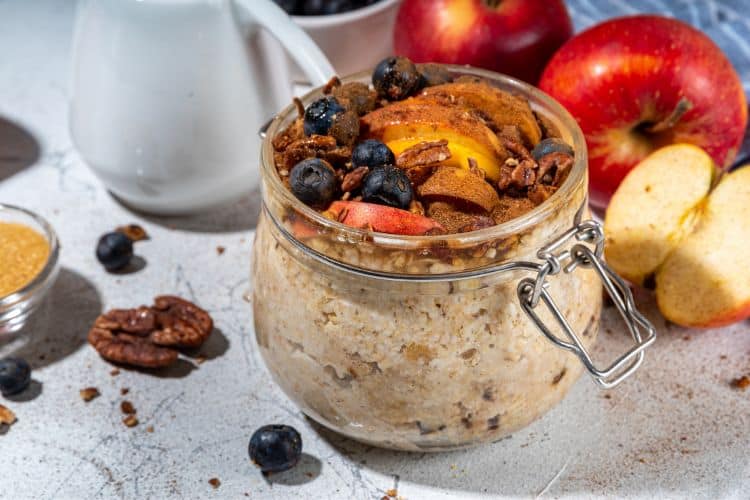
Drink some water first. If you normally eat before training, try a light snack such as a banana, toast, yogurt, or oatmeal. Follow the routine that already feels good rather than experimenting on a busy morning.
If you are pregnant, recently postpartum, managing an injury, or returning after a long break, choose appropriate modifications and seek professional guidance when needed. Stop for chest pain, faintness, unusual shortness of breath, or sharp pain.
Begin with 60 seconds of easy marching. Let your arms swing naturally and gradually lift your knees a little higher. Keep your chest tall and allow your breathing to settle into a comfortable rhythm.
Move into alternating step-back reaches for 45 seconds. Step one foot behind you as both arms reach overhead, return to the center, and switch sides. This gently opens the hips, shoulders, and upper back.
Perform body-weight good mornings for 45 seconds. Place your hands across your chest or behind your head, soften your knees, and push your hips backward while maintaining a long spine. Squeeze your glutes as you stand. This rehearses the hip-hinge pattern needed later in the workout.
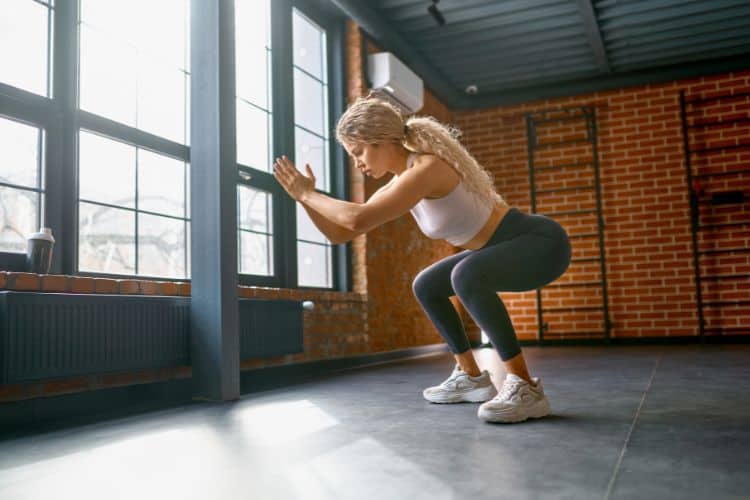
Continue with 45 seconds of controlled squats. Sit your hips down and back, keep your knees tracking in the same direction as your toes, and stand by pressing through your whole foot. Use a chair as a target if that helps you control the depth.
Complete 45 seconds of alternating lateral steps with arm circles. Step from side to side while making small circles that gradually become larger. Reverse the circles halfway through.
Finish with one minute of alternating knee drives. Bring one knee toward your chest as your opposite arm reaches forward or down toward it. Keep the movement controlled at first, then increase the pace during the final 20 seconds if you feel ready.
The main circuit contains eight exercises. Work for 40 seconds and rest or transition for 20 seconds. Complete two rounds for a quick 20-minute session after the warm-up, or three rounds for a workout closer to 30 minutes. Rest for 60 to 90 seconds between rounds. Move at a pace that allows you to use sound technique from the first exercise to the last.
Stand with your feet approximately shoulder-width apart. Lower into a squat by sending your hips back and bending your knees. As you stand, reach both hands overhead. If you are using dumbbells, hold them at shoulder height and press overhead after you rise.
Keep your ribs stacked over your pelvis rather than leaning backward during the reach or press. Your knees should follow the direction of your toes, and your heels should remain grounded. This exercise trains the glutes, thighs, shoulders, and core while raising your heart rate.
For a beginner-friendly variation, squat to a sturdy chair and perform the overhead reach after standing. If overhead movement is uncomfortable, reach forward at chest height or hold the weights by your sides.
Stand tall and step your right foot behind you. Bend both knees to lower into a reverse lunge, then press through your front foot to return to standing. Switch sides and continue alternating. Hold dumbbells by your sides when you want additional resistance.
Keep most of your weight through the front foot and avoid rushing the transition. A shorter step may feel better for balance, while a slightly longer step often places more emphasis on the glutes. If lunges do not suit your knees or balance, perform alternating step-back taps without lowering deeply, or hold a chair for support.
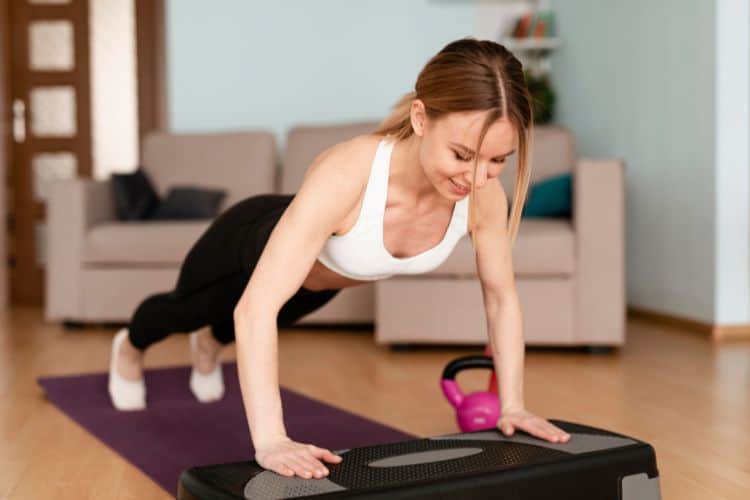
Place your hands on a wall, kitchen counter, stable table, bench, or the floor. Walk your feet back until your body forms a straight line from head to heels. Bend your elbows and lower your chest toward the surface, then press it away.
Brace your abdomen and avoid letting your hips sag. Your elbows can travel diagonally back rather than flaring directly to the sides. A higher surface makes the movement easier; a lower surface makes it more difficult. Select a level where every repetition looks controlled. If you are comfortable on the floor, use a standard push-up or perform the exercise with your knees down.
Stand with your feet about hip-width apart and hold the dumbbells in front of your thighs. Soften your knees, push your hips backward, and allow the weights to travel close to your legs. Stop when you feel tension through the backs of your thighs, then drive your hips forward and stand tall.
The motion comes primarily from the hips, not from squatting downward. Maintain a neutral spine and keep your shoulders away from your ears. Without dumbbells, place your hands behind your head or across your chest and perform a good morning. Move slowly enough to feel your hamstrings and glutes doing the work.
Hold a dumbbell in each hand, hinge at your hips, and let your arms extend toward the floor. Pull your elbows toward your hips, pause briefly, and lower the weights with control. Keep your torso stable rather than using momentum to swing the dumbbells.
If you have only one weight, complete several repetitions on one side and switch halfway through the interval. You can also support one hand on a chair or countertop. For a no-equipment alternative, perform standing back squeezes: bend your elbows, pull them behind you, squeeze your shoulder blades together firmly for two seconds, and release.
Lie on your back with your knees bent and feet planted near your hips. Brace your core, press through your feet, and lift your hips until your body forms a line from shoulders to knees. Pause while squeezing your glutes, then lower with control.
To increase the challenge, remain at the top and slowly lift one foot a few inches, set it down, and switch sides. Keep your pelvis level during the march. You may also place one dumbbell securely across your hips. Skip the march if you feel the movement mainly in your lower back; a standard glute bridge is highly effective when performed with control.
Stand tall with your hands near your temples or reach your arms overhead. Bring your right knee up as you rotate your torso slightly toward it, return to standing, and switch sides. Think about drawing your ribs toward the opposite hip instead of pulling on your neck.
Use a steady marching pace for a low-impact cardio and core exercise. To increase intensity, move faster, extend your arms fully overhead between repetitions, or add a small hop as you switch. Keep the landing soft if you choose the higher-impact option.
Begin in a high plank with your hands under your shoulders and feet set slightly wider than hip-width. Lift one hand to tap the opposite shoulder, replace it, and switch sides. Press firmly through the supporting hand and limit side-to-side movement through your hips.
Perform the plank with your hands on a countertop or sturdy bench for a more accessible version. You can also hold a stationary elevated plank if tapping disrupts your alignment. To make the exercise harder, bring your feet closer together, but only if you can keep your trunk stable and continue breathing.
If you have time and want a stronger cardiovascular finish, alternate 30 seconds of fast feet or quick marching with 30 seconds of body-weight squats. Repeat the pair four times for a total of four minutes.
Fast feet can be performed as a light jog in place, small side-to-side steps, or a powerful march. During the squat intervals, maintain a controlled range of motion even as fatigue increases. The finisher should feel challenging but manageable. Skip it if the main circuit already provided enough work or if you want to conserve energy for the day ahead.
Walk slowly around the room for about one minute and allow your heart rate to decrease gradually. Take longer exhales and relax your shoulders.
Move into a standing quadriceps stretch, holding a wall or chair if necessary. Bend one knee and bring your heel toward your glutes without pulling aggressively. Hold for 20 to 30 seconds per side.
Next, place one heel in front of you, straighten that leg gently, and hinge forward with a flat back for a hamstring stretch. Switch sides after 20 to 30 seconds. Follow with a chest opener by clasping your hands behind you or placing one forearm against a wall and turning away slightly.
Finish with several slow breaths. Inhale through your nose, expanding your rib cage, and exhale without forcing the air. Use this final minute as a transition from your workout into the rest of Thanksgiving Day.
Beginners should complete two rounds using 30 seconds of work and 30 seconds of recovery. Favor the chair squat, step-back tap, wall push-up, body-weight good morning, standing back squeeze, standard glute bridge, controlled knee drive, and countertop plank. The session should feel like practice rather than a test.
Intermediate exercisers can use the standard 40-second work intervals, complete two or three rounds, and add moderate dumbbells to the squat, lunge, deadlift, and row. Aim to finish each interval with good form and enough energy to transition safely.
Advanced exercisers can use challenging weights, complete three rounds, and add the optional finisher. Slowing the lowering phase of strength exercises to three seconds is another effective way to increase difficulty without turning every movement into high-impact cardio. Avoid adding complexity simply for novelty. More resistance, better control, or a greater range of motion will often provide a better challenge.
A workout does not need jumping to be effective. Keep one foot down during cardio, use reverse lunges, choose purposeful marching, and elevate push-ups or planks to reduce the load.
Adjust squat and lunge depth to a comfortable range, using a chair as a target if helpful. Keep your feet stable and knees tracking over your toes. Substitute any movement that causes pain.
Women over 40 or 50 may prefer controlled resistance, balance, and adequate recovery rather than making the entire session fast. The circuit is flexible enough to respect individual joints, experience, and energy.
Set out your clothes, shoes, dumbbells, and water the night before. If you are cooking, identify a window before major preparation begins. Even the warm-up and one circuit are worthwhile when time is limited.
Invite family members to join and let everyone choose a suitable variation. Children may enjoy marching and knee drives, while older relatives can use a chair or countertop. Keep the atmosphere relaxed.
If a formal workout is unrealistic, divide it into short movement breaks or take a family walk after the meal. Fitness remains meaningful even when it does not happen in one uninterrupted block.
This workout is not a way to earn food. Your body needs nourishment whether you exercise or not, and one holiday meal does not undo months of consistent habits.
Focus on what movement gives you: energy, strength practice, stress relief, or family connection. Afterward, eat and hydrate in a way that supports how you want to feel, enjoy dinner, and let the holiday be a holiday.
Morning is convenient because it allows you to exercise before the schedule becomes crowded, but there is no universally perfect time. A pre-dinner workout may feel best if you enjoy structured exercise, while a comfortable walk after the meal can support relaxation and family time. Choose the timing you can enjoy and repeat without stress.
Yes. A focused 20-minute routine can train all major movement patterns and elevate your heart rate. Duration is only one part of workout quality. Consistent effort, appropriate resistance, sound technique, and a sensible exercise selection matter more than making the session unnecessarily long.
Absolutely. Use the body-weight options for every exercise. Increase the challenge by moving through a comfortable full range of motion, slowing the lowering phase, adding a pause, or completing another round. A no-equipment workout can still provide meaningful muscular and cardiovascular work.
Reduce the intensity or choose gentle mobility and walking instead. Significant soreness can change your technique and reduce the quality of the session. Thanksgiving morning is not the time to force a demanding workout when your body needs recovery.
The workout can be adapted for many fitness levels, including women over 50. Use a chair or counter for support, avoid jumping, select manageable resistance, and allow additional recovery. Anyone with medical concerns, balance limitations, osteoporosis-related restrictions, or recent injuries should follow guidance specific to her needs.
The best Thanksgiving morning workout for women is not the one that burns the most calories or creates the most fatigue. It is the one that fits the day, respects your body, and helps you feel ready for what comes next. This full-body circuit makes that possible with straightforward exercises and flexible intensity options.
Complete two rounds when you want a quick burst of movement, three rounds when you have more time, or use only the warm-up and a family walk when the morning changes unexpectedly. Consistency includes the ability to adapt. Move with intention, appreciate what your body can do, and carry that positive energy into the holiday.
Keep your routine going beyond the holiday with this Best Early Morning Kettlebell Workouts to Energize Your Day or choose a gentler 30 Minute Low Impact Circuit Workout when you want joint-friendly movement. Beginners can build confidence with this 30 Minute Full Body HIIT Workout at Home, while equipment-free training fans can try the 30 Minute Full Body Calisthenics Strength Workout. For a longer structured goal after Thanksgiving, begin the 2 Week No Equipment Home Workout Challenge.
Stay up to date on the latest women’s health, fitness and lifestyle trends and tips.
