


Sign up for workout ideas, training advice, reviews of the latest gear and more.

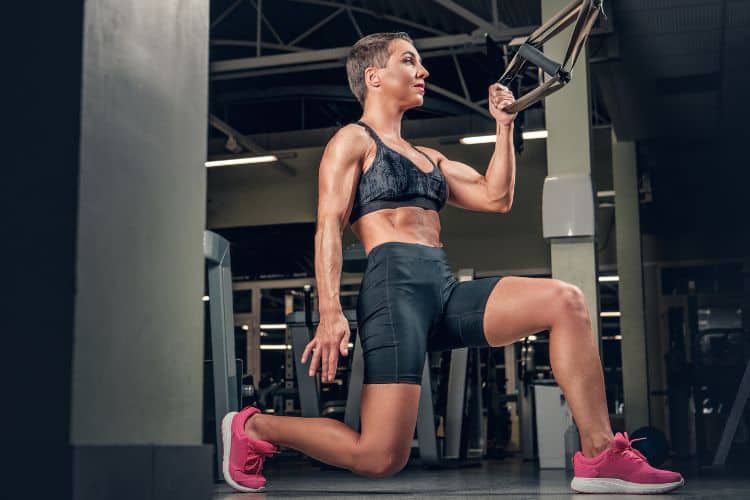

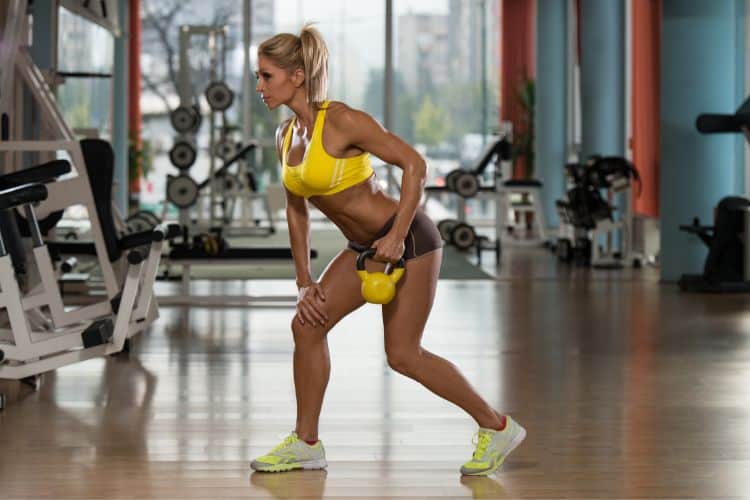
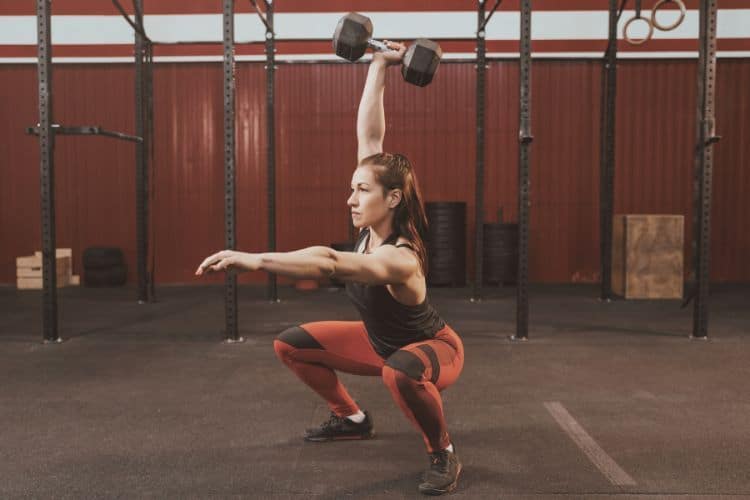
Starting a new fitness routine after age 50 can be one of the most valuable decisions you make for your long-term health. A well-designed 8 week workout schedule for women over 50 can help build lean muscle, strengthen bones, improve balance, increase mobility, and make everyday activities feel easier. The goal is not to train like an athlete or spend hours in the gym. It is to follow a balanced, progressive routine that works with your current fitness level.
Women naturally experience changes in muscle mass, bone density, recovery, and hormone levels as they age. Strength training and regular movement can help support the body through these changes. This eight-week plan combines full-body strength workouts, low-impact cardio, balance exercises, mobility work, and appropriate recovery.
You can complete the schedule at home or in a gym. Most strength exercises can be performed with dumbbells, resistance bands, or body weight. Begin with manageable resistance, concentrate on good form, and progress gradually. If you have a health condition, joint problem, recent injury, or have been inactive for an extended period, consult a qualified healthcare professional before beginning.
A balanced exercise plan becomes increasingly important after age 50 because fitness is about much more than burning calories. Muscle strength, joint mobility, cardiovascular endurance, and balance all contribute to independence and quality of life.
Strength training is especially useful because adults tend to lose muscle with age. Maintaining muscle helps support metabolism, joint stability, posture, and the ability to perform daily tasks. Exercises such as squats, rows, presses, and hip hinges train movement patterns used when climbing stairs, carrying groceries, reaching overhead, and getting up from a chair.
Weight-bearing exercises can also support bone health. Walking, resistance training, and controlled lower-body movements place an appropriate demand on the skeletal system. Balance exercises may help improve body awareness and stability, while mobility training keeps the hips, shoulders, ankles, and spine moving comfortably.
Cardiovascular activity remains important as well. Brisk walking, cycling, swimming, and low-impact aerobic exercise can improve stamina and support heart health without placing excessive stress on the joints. This eight-week schedule brings all of these elements together.
You do not need a fully equipped gym to follow this schedule. A pair of light or moderate dumbbells, a stable chair or bench, an exercise mat, and comfortable walking shoes are enough for most of the workouts. A resistance band is optional but can add variety.
Choose weights that allow you to perform every repetition with controlled form. The final two or three repetitions of a set should feel challenging, but you should not have to swing the weights, hold your breath, or rush the movement. Depending on the exercise, you may need different weights. For example, you may be able to use more resistance for a squat than for a shoulder raise.
Keep a water bottle nearby and record your workouts in a notebook or fitness app. Write down the exercise, weight, repetitions, and how the workout felt. This simple habit makes it easier to recognize progress and determine when you are ready to increase the challenge.
The plan includes three strength-training days, two cardio or active-recovery days, one optional movement day, and one complete rest day. The exact days can be adjusted to fit your schedule, but avoid completing all three strength sessions on consecutive days.
A practical weekly schedule looks like this:
If three weekly strength workouts are too demanding initially, complete Monday and Friday only during the first two weeks. Add the Wednesday workout when your energy and recovery improve. Consistency is more important than forcing your body to do too much too quickly.
Begin every workout with five to ten minutes of easy movement. A warm-up gradually raises your heart rate, prepares the joints, and gives you time to assess how your body feels that day.
Start with two or three minutes of walking or marching in place. Continue with shoulder rolls, gentle arm circles, ankle circles, hip hinges, and controlled torso rotations. Finish with eight to ten body-weight chair squats and alternating knee lifts.
The warm-up should make you feel more prepared, not tired. Avoid aggressive stretching before strength training. Save longer static stretches for the cool-down, when your muscles are warm.
Workout A emphasizes the legs, chest, back, and core. Complete each repetition slowly and rest for 45 to 90 seconds between sets.
Stand in front of a stable chair with your feet approximately shoulder-width apart. Push your hips back, bend your knees, and lower yourself toward the chair. Lightly touch the seat before standing. Keep your chest lifted and press through your feet. Perform 8 to 12 repetitions.
Lie on a mat or bench with a dumbbell in each hand. Position the weights beside your chest and press them upward until your arms are extended without locking your elbows. Lower the weights under control. If getting onto the floor is uncomfortable, perform a standing wall push-up instead. Complete 8 to 12 repetitions.
Support one hand on a chair while holding a dumbbell in the opposite hand. Keep your back long and pull the weight toward your hip. Pause briefly before lowering it. Avoid twisting your torso. Perform 10 to 12 repetitions on each side.
Lie on your back with your knees bent and feet on the floor. Tighten your abdominal muscles and lift your hips until your body forms a comfortable line from your shoulders to your knees. Squeeze your glutes, then lower slowly. Complete 10 to 15 repetitions.
Stand tall while lightly holding a chair if needed. Brace your core and lift one knee without leaning backward. Lower the foot and repeat on the other side. Perform 10 controlled repetitions per side.
Workout B introduces a hip-hinge movement and places additional emphasis on the upper back, shoulders, and balance.
Stand with your feet hip-width apart and hold the dumbbells in front of your thighs. Soften your knees, push your hips backward, and lower the weights along your legs. Stop when you feel tension in the hamstrings while maintaining a neutral spine. Press your hips forward to stand. Complete 8 to 12 repetitions.
Sit tall on a stable chair with a dumbbell in each hand. Hold the weights at shoulder height and press them overhead. Keep your ribs down and avoid arching your lower back. Lower the weights slowly. Complete 8 to 10 repetitions. Anyone with shoulder discomfort can replace this exercise with a pain-free incline wall push-up.
Hold a resistance band in front of your chest with your arms straight. Pull the band apart by moving your hands outward and drawing your shoulder blades together. Return slowly. If you do not have a band, perform a bent-over reverse fly with very light dumbbells. Complete 10 to 15 repetitions.
Stand beside a chair and hold it for balance. Step one foot backward, bend both knees slightly, and lower only as far as feels comfortable. Push through the front foot to return to standing. Complete 6 to 10 repetitions per leg. Substitute another set of chair squats if lunges bother your knees.
Begin on your hands and knees. Extend your right arm and left leg while keeping your hips level. Return to the starting position and switch sides. Move slowly and avoid arching your lower back. Perform 6 to 10 repetitions per side.
Workout C reinforces the major movement patterns while adding carrying and balance work.
Hold one dumbbell close to your chest. Sit your hips back and bend your knees while keeping your chest tall. Lower to a comfortable depth and stand by pressing through both feet. A chair can be placed behind you for confidence. Complete 8 to 12 repetitions.
Place your hands on a wall, kitchen counter, or secure bench. Walk your feet back until your body forms a straight line. Bend your elbows and lower your chest toward the surface, then push away. A higher surface makes the exercise easier. Perform 8 to 12 repetitions.
Hold a dumbbell in each hand and hinge slightly forward while keeping your spine neutral. Pull both weights toward your waist and squeeze your shoulder blades together. Lower them without allowing your shoulders to round. Complete 10 to 12 repetitions.
Use a low, secure step. Place one foot on the step, press through that foot, and bring your body upward. Step down carefully and repeat. Hold a railing or chair for balance. Complete 6 to 10 repetitions per side. If step-ups are unsuitable, perform alternating knee raises.
Hold a dumbbell in each hand with your arms by your sides. Stand tall and walk slowly for 20 to 40 seconds. Keep your shoulders relaxed and avoid leaning. This exercise strengthens the grip, core, legs, and postural muscles.
During the first two weeks, the priority is learning the exercises and establishing a routine. Complete one or two sets of each strength exercise using a light, manageable weight. Aim for approximately 8 to 10 repetitions unless a different range is listed.
Your two cardio sessions should last 15 to 25 minutes at an easy to moderate pace. Walking is an excellent option. You should be able to speak in complete sentences while moving. Finish each session with five minutes of gentle stretching for the calves, thighs, hips, chest, and shoulders.
Do not worry if the workouts initially feel unfamiliar. Use these weeks to develop control and confidence. Stop a set before your form breaks down, and allow extra recovery if you experience excessive fatigue.
In weeks three and four, complete two sets of every strength exercise. If two sets already feel comfortable, gradually increase from 10 repetitions to 12. Avoid increasing the weight and repetitions simultaneously.
Extend the cardio sessions to approximately 25 to 30 minutes. During one weekly walk, introduce four or five one-minute periods at a brisker pace. Recover with two minutes of easy walking between each brisk interval.
Add a short balance practice two or three times per week. Stand beside a secure surface and balance on one foot for 10 to 20 seconds. Repeat on the other side. You can also practice walking heel to toe across a clear room. Always keep support within reach.
By week five, the movements should feel more familiar. Complete two or three sets of each exercise. If you can easily finish the top of the repetition range with excellent form, increase the dumbbell weight slightly.
Progress does not require large jumps. A small increase in resistance can provide a meaningful new challenge. If heavier weights are unavailable, slow the lowering phase of each repetition to approximately three seconds or add one or two repetitions.
One cardio session can remain a steady 30-minute walk. The other can include six one-minute brisk intervals separated by 90 seconds to two minutes of easier movement. Choose a pace that raises your breathing rate but remains controlled. Interval training is optional; steady walking is still beneficial.
Pay close attention to recovery during this stage. A rest day may include gentle mobility, but it does not need to become another workout. Sleep, hydration, and adequate nutrition all contribute to your ability to adapt.
During the final two weeks, aim for three sets of the main exercises if your body is recovering well. You can continue using straight sets with rest between exercises, or create a gentle circuit by performing one set of each movement before repeating the sequence.
Cardio sessions can increase to 30 to 40 minutes. One session may include short brisk intervals, hills, or slightly increased resistance on a stationary bike. The second should remain at a sustainable conversational pace.
Use week eight to evaluate your progress. Compare your current weights and repetitions with your starting numbers. You may notice improved balance, better walking endurance, easier stair climbing, or more confidence with the exercises. These practical changes are meaningful signs of success even when changes on the scale are small.
Walking is accessible, inexpensive, and easy to adjust, but it is not your only option. Swimming, water aerobics, stationary cycling, elliptical training, and low-impact dance workouts can all improve cardiovascular fitness.
Select an activity that feels comfortable for your joints and that you genuinely enjoy. Moderate cardio should elevate your heart rate while still allowing you to speak in short sentences. If you feel dizzy, unusually breathless, or experience chest discomfort, stop exercising and seek appropriate medical guidance.
Your cardio workouts do not have to be completed all at once. Two 15-minute walks can be a practical alternative to one 30-minute session, especially on busy days.
Complete five to ten minutes of mobility work on cardio or recovery days. Focus on areas that commonly feel tight, including the hips, calves, upper back, and chest.
Gentle cat-cow movements can mobilize the spine. Hip flexor stretches may help after prolonged sitting, while calf stretches support ankle mobility. A doorway chest stretch can counter rounded-shoulder posture. Hold each comfortable stretch for approximately 20 to 30 seconds without bouncing.
Stretching should create mild tension rather than pain. Avoid forcing a joint into a position it does not tolerate. Consistent, gentle practice is generally more useful than occasional aggressive stretching.
Every woman begins from a different starting point. Exercise experience, joint health, sleep quality, stress, and medical history can all affect training capacity. Modify the plan instead of abandoning it when an exercise does not feel right.
Use a chair for squats, hold support during lunges, and perform push-ups against a wall. Reduce the range of motion if deeper movements cause discomfort. You can also use body weight during the first week before adding dumbbells.
Muscular effort and mild post-workout soreness can be normal, but sharp, sudden, or worsening pain is a signal to stop. Persistent pain should be evaluated by a qualified healthcare professional. There is no advantage to pushing through a movement that aggravates an injury.
Exercise provides the training stimulus, but recovery allows the body to adapt. Try to give each major muscle group at least one day of rest before training it intensely again. Establish a regular sleep routine and include lighter activity on days when your energy is lower.
Balanced meals should include protein, fiber-rich carbohydrates, healthy fats, and colorful fruits or vegetables. Protein supports muscle maintenance and recovery. Depending on your preferences, protein sources may include eggs, Greek yogurt, cottage cheese, fish, poultry, lean meat, tofu, beans, or lentils.
Drink water throughout the day and increase your intake when exercising in warm conditions. Avoid using exercise as a reason to follow an unnecessarily restrictive diet. Strength, energy, and long-term consistency require adequate nourishment.
The end of this schedule should be viewed as the beginning of a sustainable routine. You can repeat the plan with slightly heavier weights, progress to more challenging exercise variations, or continue performing three full-body strength workouts each week.
Avoid changing every exercise simply because eight weeks have passed. Repeating effective movements allows you to practice technique and measure progress. Small adjustments to resistance, repetitions, tempo, or range of motion can keep the workouts challenging.
Set a new goal based on something you can control. You might aim to complete 12 strong goblet squats, walk continuously for 45 minutes, use heavier dumbbells for rows, or improve your single-leg balance. Performance-based goals often provide more motivation than focusing only on body weight.
An effective 8 week workout schedule for women over 50 should help you feel stronger, steadier, and more capable—not exhausted after every session. Three weekly strength workouts, regular low-impact cardio, mobility practice, balance training, and adequate rest create a well-rounded foundation.
Begin at a level that suits your body today. Learn the exercises, progress gradually, and adjust the schedule when necessary. You do not need perfect workouts to experience results. You need a realistic routine that you can repeat consistently.
After eight weeks, you may be lifting heavier weights, walking farther, moving more comfortably, and approaching exercise with greater confidence. Those improvements can support an active, independent lifestyle for many years to come.
To support your 8-week fitness journey, explore this Full Body Workout Guide For Women Over 50 for age-friendly exercise options. You can build your resistance routine with the Best Dumbbell Workout For Women Over 50 and find additional ideas in this Weight Workout For Women Over 50. On active recovery days, use these Low Intensity Cardio Ideas to stay active without excessive impact. For more ways to adapt your schedule to your goals and fitness level, review the Best Workout Programs For Women.
Stay up to date on the latest women’s health, fitness and lifestyle trends and tips.
