


Sign up for workout ideas, training advice, reviews of the latest gear and more.





When cold weather arrives, breakfast becomes more than just the first meal of the day. A warm, satisfying breakfast can make dark winter mornings feel more inviting while providing the energy you need to get through a busy schedule. The best winter breakfast ideas combine comforting flavors, nutritious ingredients, seasonal foods, and simple preparation methods that make mornings easier.
Winter breakfasts do not have to be complicated or excessively heavy. From steaming bowls of oatmeal and protein-packed egg dishes to warm breakfast bowls, pancakes, French toast, smoothies, and make-ahead casseroles, there are plenty of ways to create a cozy morning meal while still supporting balanced nutrition.
Whether you need a quick breakfast before work, a healthy meal after a morning workout, or a relaxing weekend breakfast for the family, these winter breakfast ideas provide plenty of inspiration for keeping your mornings warm, filling, and flavorful.
During warmer months, cold cereal, yogurt, fruit, and smoothies may feel refreshing. Once temperatures drop, however, many people naturally start craving warmer and more substantial foods.
A hot breakfast can be particularly comforting on a cold morning. Ingredients such as oats, eggs, potatoes, whole grains, cinnamon, apples, bananas, nuts, seeds, and warm milk can transform an ordinary breakfast into something that feels perfectly suited for winter.
A balanced winter breakfast can also include a combination of protein, complex carbohydrates, healthy fats, and fiber. This combination can help create a satisfying meal that provides steady energy throughout the morning.
The good news is that comfort and nutrition do not have to compete. Many classic winter breakfast foods can easily be prepared with wholesome ingredients.
Oatmeal deserves a place near the top of any list of the best winter breakfast ideas. It is warm, versatile, inexpensive, and easy to customize depending on what you have available.
Cook rolled oats with milk or water until creamy, then stir in chopped apples and cinnamon. Cooking the apples directly with the oatmeal allows them to soften and naturally sweeten the bowl.
Add walnuts, pecans, chia seeds, flaxseeds, or almond butter for additional texture and richness. A small drizzle of maple syrup or honey can provide sweetness when needed.
For more protein, prepare the oatmeal with dairy milk or fortified soy milk, stir in Greek yogurt after cooking, or add your preferred protein-rich topping.
Overnight oats are normally eaten cold, but there is no rule saying they have to stay that way. Prepare oats, milk, chia seeds, cinnamon, and fruit the night before and refrigerate them.
In the morning, heat the mixture until warm. This gives you the convenience of overnight preparation with the comfort of a hot winter breakfast.
Eggs are another excellent foundation for winter breakfast recipes. A warm scramble can be prepared in less than 15 minutes and customized with vegetables, cheese, herbs, potatoes, or leftover ingredients.
Start with eggs and add vegetables such as spinach, mushrooms, onions, bell peppers, or tomatoes. A little cheese can provide additional flavor and protein.
Serve the scramble with whole-grain toast, roasted potatoes, avocado, or fresh fruit to create a more complete breakfast.
For busy mornings, chop the vegetables ahead of time so that all you need to do is heat the pan and cook.
Seasonal vegetables can make a basic egg breakfast more interesting. Try combining eggs with roasted sweet potatoes, spinach, mushrooms, onions, or kale.
Season everything with black pepper, garlic, paprika, or your favorite herbs. This type of breakfast works particularly well when you have leftover roasted vegetables from dinner.
Few breakfasts feel more appropriate for a cold weekend morning than a warm stack of pancakes. Banana oat pancakes offer a simple alternative to traditional pancakes and can be made with ingredients commonly found in the kitchen.
Combine mashed banana with oats or oat flour, eggs, milk, baking powder, and cinnamon. Cook small pancakes on a lightly greased skillet until golden on each side.
Top them with sliced bananas, berries, Greek yogurt, nut butter, chopped nuts, or a modest amount of maple syrup.
The combination of banana and cinnamon creates a naturally comforting winter flavor without requiring an overly complicated recipe.
Oatmeal is not the only grain that works for breakfast. Quinoa can also become a delicious warm breakfast bowl.
Cook quinoa in milk or a combination of milk and water. Add cinnamon, vanilla, sliced banana, apples, pears, berries, nuts, or seeds.
Because quinoa provides both carbohydrates and protein, it can create a satisfying foundation for breakfast. Adding nut butter, yogurt, or additional seeds can make the bowl even more substantial.
A quinoa breakfast bowl is also a useful option when you want something warm but are tired of eating oatmeal every morning.
Sweet potatoes have a naturally sweet flavor and creamy texture that make them ideal for winter breakfasts.
Bake or roast sweet potatoes ahead of time. In the morning, warm them and mash them in a bowl. Add cinnamon, Greek yogurt, banana slices, nut butter, pecans, walnuts, pumpkin seeds, or berries.
You can also take the breakfast in a savory direction by topping the sweet potato with eggs, avocado, spinach, and seasonings.
Preparing several sweet potatoes at once can make this an especially convenient breakfast during a busy week.
Breakfast burritos are warm, portable, and easy to customize. They are also excellent for meal preparation.
Fill a whole-grain tortilla with scrambled eggs, black beans, sautéed peppers, onions, spinach, cheese, and avocado. You can also add roasted potatoes or sweet potatoes for a more substantial meal.
Roll the burrito tightly and enjoy immediately, or prepare several in advance.
Individually wrapped breakfast burritos can be refrigerated or frozen depending on the ingredients and how soon you plan to eat them. Reheating one in the morning can provide a quick hot breakfast when cooking from scratch is not realistic.
If regular oatmeal starts to become repetitive, baked oatmeal is an easy way to change the texture while keeping many of the same nutritious ingredients.
Combine oats with milk, eggs, cinnamon, vanilla, baking powder, and fruit. Apples, pears, bananas, cranberries, or berries can all work well.
Bake the mixture until the top becomes lightly golden and the center is set.
Baked oatmeal is especially convenient because one pan can provide breakfast for several mornings. Cut it into individual portions and reheat them throughout the week.
Apple and cinnamon are classic winter flavors. Dice apples and mix them into the oatmeal before baking. Sprinkle chopped walnuts or pecans over the top for extra crunch.
Serve a warm square with Greek yogurt, milk, or nut butter for a cozy breakfast that tastes indulgent while remaining easy to customize.
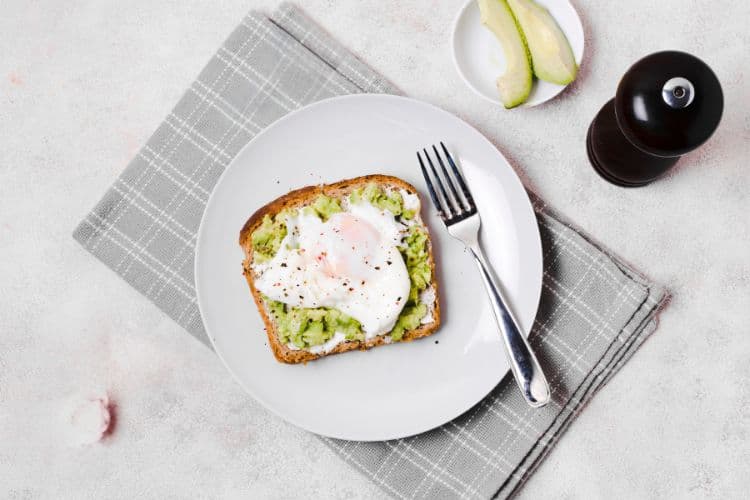
Avocado toast may not immediately sound like a winter breakfast, but adding warm eggs turns it into a satisfying meal for cold mornings.
Toast whole-grain bread and top it with mashed avocado. Add a fried, scrambled, poached, or hard-boiled egg.
Season with black pepper, red pepper flakes, herbs, or everything seasoning.
For additional vegetables, add sautéed spinach, mushrooms, tomatoes, or roasted peppers. Pair the toast with fruit for a balanced breakfast that can be ready quickly.
Greek yogurt is normally served cold, but you can combine it with warm ingredients instead of heating the yogurt itself.
Prepare a hot serving of oatmeal, baked apples, or berries and allow it to cool slightly. Spoon Greek yogurt over the warm mixture and add cinnamon, nuts, seeds, or nut butter.
The contrast between the warm oats or fruit and creamy yogurt creates a satisfying breakfast while providing a convenient source of protein.
A breakfast casserole is one of the best winter breakfast ideas for families because it can feed several people without requiring everyone to have a separate meal prepared.
Whisk eggs with milk and combine them with vegetables such as spinach, mushrooms, onions, peppers, or broccoli. Add potatoes, whole-grain bread, or cheese depending on the type of casserole you prefer.
Bake until the eggs are completely set.
Prepare the casserole on the weekend and divide it into portions for weekday breakfasts. Reheating one serving takes only a few minutes.
Sometimes the simplest winter breakfast is the best.
Toast whole-grain bread until crisp, spread it with peanut or almond butter, and top it with sliced banana. Sprinkle cinnamon over the top.
The warm toast softens the nut butter slightly, creating a comforting combination that takes only minutes to prepare.
Pair it with Greek yogurt, cottage cheese, eggs, or milk when you want additional protein.
A homemade breakfast sandwich can provide the convenience of a drive-through breakfast while giving you complete control over the ingredients.
Start with a whole-grain English muffin, bagel, or bread. Add a cooked egg, spinach, tomato, avocado, or cheese.
Serve immediately while everything is warm.
Breakfast sandwiches can also be prepared ahead of time and refrigerated or frozen. Making several at once can significantly reduce morning preparation during a busy winter week.
French toast is a classic comfort breakfast that can still fit into a balanced eating pattern.
Dip whole-grain bread into a mixture of eggs, milk, cinnamon, and vanilla. Cook it on a skillet until golden brown.
Instead of covering the French toast with large amounts of syrup, add fruit, Greek yogurt, nut butter, or chopped nuts. Apples, bananas, berries, and pears all pair well with cinnamon French toast.
For a special weekend breakfast, serve it alongside eggs for additional protein.
Chia seeds are commonly used for cold chia pudding, but combining them with warm oatmeal creates a winter-friendly variation.
Cook oats normally, then stir in chia seeds and allow the mixture to thicken. Add milk as necessary until you reach your preferred consistency.
Flavor the bowl with cinnamon, vanilla, banana, berries, apples, or cocoa powder. Top with nuts or nut butter.
This breakfast provides a combination of whole grains, fiber-rich seeds, and customizable toppings.
Oatmeal does not have to be sweet. Savory oatmeal can be an excellent alternative for anyone who prefers eggs and vegetables in the morning.
Cook oats with water or low-sodium broth instead of sweetened milk. Add spinach, mushrooms, tomatoes, onions, or other vegetables.
Top the oatmeal with an egg and season it with black pepper, herbs, or a little cheese.
The result is similar to a warm grain bowl and can provide a completely different oatmeal experience.
Smoothies may seem more appropriate for summer, but they can still work during winter when paired with seasonal flavors.
Blend banana with milk, Greek yogurt, oats, cinnamon, nut butter, and a small amount of frozen fruit. Make the smoothie thicker than usual and pour it into a bowl.
Add room-temperature or warm toppings such as toasted oats, walnuts, pecans, pumpkin seeds, or cooked cinnamon apples.
Avoid heating a finished smoothie containing yogurt unless the ingredients are intended to be cooked. Instead, allow frozen ingredients to soften slightly before blending if you prefer a less icy breakfast.
Waffles can be another comforting winter breakfast, particularly on weekends.
Choose or prepare whole-grain waffles and serve them with berries, sliced bananas, Greek yogurt, nut butter, or chopped nuts.
Frozen berries can be gently warmed in a saucepan until they become soft and juicy. Spoon the warm berries over the waffles as a naturally flavorful topping.
Making extra waffles and freezing them can also create a convenient weekday breakfast. Simply reheat them in a toaster when needed.
A warm breakfast hash is ideal when you want something savory and filling.
Dice potatoes or sweet potatoes and cook them with onions, bell peppers, spinach, mushrooms, or other vegetables. Once everything is tender and lightly browned, add eggs or serve eggs on top.
Breakfast hash is particularly useful for using leftover vegetables.
You can prepare the potatoes ahead of time to make morning cooking faster.
Apples are an excellent ingredient for winter breakfast recipes because they become soft, sweet, and fragrant when cooked.
Dice an apple and cook it gently with cinnamon and a splash of water until tender. Serve it over oatmeal, quinoa, Greek yogurt, or cottage cheese.
Add walnuts, pecans, pumpkin seeds, or almond butter.
This simple combination can make an ordinary breakfast feel more seasonal without requiring much additional preparation.
Protein can help make breakfast more satisfying. Fortunately, many winter breakfast foods can easily include protein-rich ingredients.
Eggs, Greek yogurt, cottage cheese, milk, fortified soy milk, beans, nuts, seeds, and nut butters can all contribute protein to a morning meal.
For example, oatmeal can be paired with Greek yogurt and nuts. Toast can be topped with eggs. A breakfast burrito can include eggs and beans. A smoothie can combine Greek yogurt, milk, oats, and nut butter.
Rather than focusing on a single ingredient, think about how the entire breakfast works together.
A simple approach is to start with a protein source, add a fiber-rich carbohydrate, include fruit or vegetables, and finish with a source of healthy fats when appropriate.
An example might be eggs with whole-grain toast, avocado, and fruit. Another option could be oatmeal made with milk and topped with berries, chia seeds, and walnuts.
This flexible formula makes it easy to create dozens of winter breakfast combinations without following complicated recipes.
Not everyone has time to cook a large breakfast before work, school, or a morning workout.
Meal preparation can make winter breakfasts significantly easier. Overnight oats that can be warmed, baked oatmeal, egg muffins, breakfast burritos, breakfast sandwiches, and casseroles can all be prepared ahead.
You can also keep simple ingredients available for breakfasts that take less than 10 minutes.
Whole-grain toast with peanut butter and banana, eggs with toast, microwave oatmeal with fruit, or Greek yogurt topped with warm berries can all work when time is limited.
The goal is not to create an elaborate breakfast every morning. A nutritious breakfast that you can realistically prepare consistently is often more useful than a complicated recipe that rarely fits your schedule.
Winter weekends provide an opportunity to slow down and enjoy breakfasts that require a little more preparation.
Pancakes, waffles, French toast, breakfast casseroles, vegetable omelets, baked oatmeal, and breakfast hashes can turn an ordinary morning into something special.
Try serving several components together, such as banana oat pancakes with eggs and fruit or French toast with Greek yogurt and warm berries.
A larger weekend breakfast can also be an opportunity to prepare food for the upcoming week. While the oven is already on, bake oatmeal, roast sweet potatoes, or prepare egg muffins that can be reheated later.
Meal prepping does not require preparing seven identical breakfasts.
Instead, prepare individual components that can be mixed and matched. Cook a batch of oatmeal, roast sweet potatoes, boil eggs, chop vegetables, wash fruit, and portion nuts or seeds.
You can then assemble different meals throughout the week.
One morning might be oatmeal with apples and walnuts. Another could be sweet potatoes with eggs. The next could be a breakfast burrito made with pre-chopped vegetables.
This approach provides variety while reducing morning cooking time.
Keeping versatile breakfast ingredients available makes healthy morning meals much easier.
Oats, whole-grain bread, eggs, Greek yogurt, milk, bananas, apples, frozen berries, sweet potatoes, nut butter, nuts, seeds, cinnamon, and frozen vegetables can form the foundation of dozens of meals.
Many of these foods also have relatively long storage lives, making them practical choices during winter when frequent grocery trips may be inconvenient.
Frozen fruits and vegetables are particularly useful because they allow you to keep nutritious ingredients available without worrying about using everything immediately.
Healthy breakfasts should still taste good. Spices and toppings can transform basic ingredients without requiring complicated cooking.
Cinnamon, nutmeg, ginger, vanilla, cocoa powder, and pumpkin pie spice work especially well with oatmeal, pancakes, French toast, apples, bananas, and sweet potatoes.
For savory breakfasts, experiment with garlic, paprika, black pepper, herbs, salsa, or a small amount of cheese.
Changing seasonings can make the same basic breakfast taste completely different from one day to another.
The best winter breakfast ideas are warm, satisfying, nutritious, and realistic enough to prepare regularly. You do not need elaborate recipes or expensive ingredients to create a breakfast that makes a cold morning more enjoyable.
Warm oatmeal with apples, banana oat pancakes, egg scrambles, sweet potato bowls, breakfast burritos, baked oatmeal, breakfast sandwiches, savory oatmeal, French toast, waffles, and vegetable breakfast casseroles are all excellent options to rotate throughout the winter.
Focus on combining protein, fiber-rich carbohydrates, fruits or vegetables, and satisfying toppings whenever possible. Preparing a few ingredients in advance can also make healthy breakfasts much easier during busy mornings.
Most importantly, choose breakfasts that match your schedule and preferences. A simple bowl of hot oatmeal with fruit and nuts can be just as comforting as a large weekend breakfast. With a little planning and plenty of variety, you can enjoy warm and delicious breakfasts throughout the entire winter season.
Looking for even more ways to make your winter mornings healthy, delicious, and energizing? Explore these 5-Minute Healthy Breakfast Recipes for quick options such as peanut butter banana toast, overnight oats, avocado toast, smoothies, and microwave egg scrambles. If you exercise in the morning, check out the Best Breakfast To Eat After a Workout for protein- and carbohydrate-rich meal inspiration. You can also browse our Women’s Health And Healthy Recipe Guides for more nutritious meal ideas. For anyone combining healthy winter breakfasts with weight-management goals, visit our Women’s Weight Loss And Nutrition Guides for additional healthy eating resources. Finally, explore the Women’s Fit Club homepage for the latest healthy recipes, nutrition tips, workouts, and wellness advice for women.
Stay up to date on the latest women’s health, fitness and lifestyle trends and tips.
