



Sign up for workout ideas, training advice, reviews of the latest gear and more.

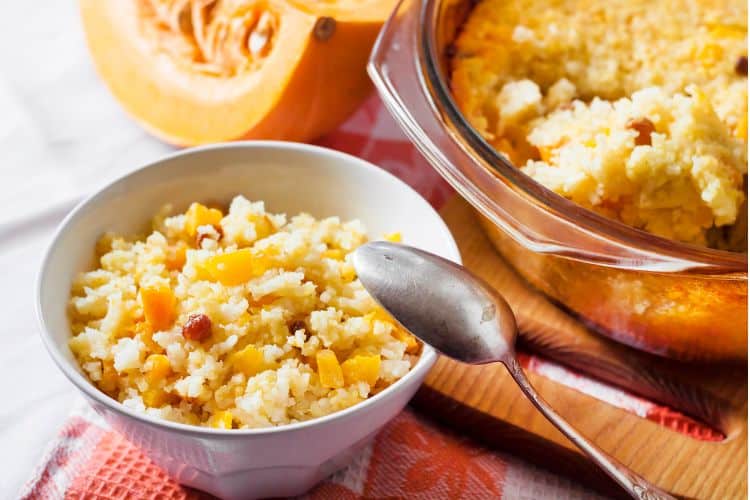


A cottage cheese pumpkin breakfast bowl is a quick, creamy, and satisfying way to enjoy the flavors of fall while starting your morning with protein. Made with cottage cheese, pumpkin puree, warm spices, and naturally sweet toppings, this easy breakfast combines the comforting taste of pumpkin pie with ingredients that can support a balanced diet.
Unlike many pumpkin-flavored breakfasts that contain large amounts of added sugar, this pumpkin cottage cheese bowl can be customized to fit your nutritional needs. It works well as a high-protein breakfast, a post-workout meal, or a simple snack when you want something sweet but nourishing. The recipe requires no cooking and takes only a few minutes to prepare, making it especially useful for busy mornings.
Whether you prefer your cottage cheese bowl smooth and creamy or enjoy the traditional texture of cottage cheese curds, this breakfast is easy to adapt. Add fruit, nuts, seeds, granola, or nut butter to create a filling meal that tastes indulgent without being complicated.
Cottage cheese has become a popular breakfast ingredient because it is convenient, versatile, and naturally rich in protein. When combined with pumpkin puree, it creates a seasonal breakfast that is creamy, flavorful, and more substantial than a basic bowl of cereal.
Pumpkin adds more than fall flavor. Pure pumpkin puree contains fiber, beta-carotene, and other nutrients while remaining relatively low in calories. It also gives cottage cheese a thicker consistency and helps the spices blend evenly throughout the bowl.
This recipe is also practical. You do not need to turn on the stove, bake anything, or prepare a long list of ingredients. Most of the components can be kept in the refrigerator or pantry, allowing you to assemble breakfast in approximately five minutes.
The bowl is also highly customizable. You can increase the protein, adjust the sweetness, change the toppings, or blend the base until it resembles pumpkin cheesecake filling. That flexibility makes it suitable for different tastes and eating goals.
This simple recipe creates one generous breakfast serving. You can double or triple the ingredients if you are preparing several bowls or making breakfast ahead of time.
Make sure you use pure pumpkin puree rather than pumpkin pie filling. Pumpkin pie filling usually contains added sugar and spices, which makes it more difficult to control the sweetness and flavor of the finished bowl.
Place the cottage cheese, pumpkin puree, pumpkin pie spice, cinnamon, vanilla extract, maple syrup, and optional sea salt in a breakfast bowl. Stir until the pumpkin is evenly distributed and the mixture becomes light orange.
Top the bowl with chopped pecans, pumpkin seeds, granola, and fresh apple or pear. Add another light sprinkle of cinnamon before serving, if desired.
For a smoother consistency, place the cottage cheese, pumpkin, spices, vanilla, and sweetener in a blender or food processor. Blend until creamy, transfer the mixture to a bowl, and then add the toppings. Blending creates a texture similar to pumpkin pudding or cheesecake filling.
Serve the cottage cheese pumpkin breakfast bowl immediately, or cover and refrigerate it until you are ready to eat.
The combination may sound unusual if you normally eat cottage cheese as a savory food, but its mild flavor works well with pumpkin and warming spices. Pumpkin pie spice, vanilla, and a small amount of maple syrup transform the cottage cheese into a lightly sweet breakfast with familiar autumn flavors.
The taste is similar to pumpkin cheesecake yogurt, especially when the ingredients are blended. Cottage cheese adds a subtle tanginess, while pumpkin provides an earthy sweetness and creamy consistency. Cinnamon, nutmeg, ginger, and cloves give the bowl the flavor people commonly associate with pumpkin pie.
Toppings are important because they provide contrast. Nuts, pumpkin seeds, and granola add crunch, while apples or pears add freshness and natural sweetness. A drizzle of nut butter can make the bowl taste even richer.
A balanced breakfast often contains protein, carbohydrates, healthy fats, and fiber. This cottage cheese pumpkin bowl can provide all four, depending on the toppings you select.
Cottage cheese is the main source of protein in this breakfast. The exact amount varies according to the brand, serving size, and milk-fat percentage, but one cup often provides a substantial amount of protein.
Protein helps make meals more satisfying and supplies amino acids the body needs to maintain and repair muscle tissue. Including protein at breakfast may be especially helpful for people who tend to feel hungry soon after eating a carbohydrate-heavy morning meal.
Women who strength train may also appreciate this breakfast as an easy way to distribute protein throughout the day. However, individual protein needs vary according to factors such as body size, activity level, age, and overall health.
Pumpkin puree contributes fiber, color, and volume without requiring many additional calories. It contains beta-carotene, which the body can convert into vitamin A. Vitamin A supports several normal body functions, including vision and immune health.
Pumpkin also helps create a larger and more satisfying bowl. Its mild flavor pairs easily with cottage cheese, yogurt, oats, smoothies, and other breakfast ingredients.
Pecans, walnuts, pumpkin seeds, chia seeds, and flaxseeds can add unsaturated fats, minerals, texture, and flavor. Healthy fats help make the meal more satisfying, but nuts and seeds are calorie-dense. Measuring a tablespoon or two can be useful if you are monitoring your overall calorie intake.
Chopped apples, pears, bananas, berries, and dates can sweeten the bowl while contributing fiber and helpful nutrients. Fresh fruit is an easy way to reduce the amount of maple syrup or honey needed in the recipe.
Several types of cottage cheese can work in this pumpkin breakfast bowl. Your ideal choice depends on your preferred texture, flavor, and nutritional goals.
Low-fat cottage cheese creates a light but creamy breakfast. Full-fat cottage cheese generally has a richer flavor and may feel more satisfying. Fat-free varieties can also work, although the result may be less creamy.
Small-curd cottage cheese blends easily with pumpkin and is a good choice if you want a smoother texture without using a blender. Large-curd cottage cheese creates more contrast and may appeal to people who enjoy the traditional cottage cheese consistency.
Some cottage cheese products contain more sodium than others. If sodium is a concern, compare nutrition labels and choose a lower-sodium option when available. You can also look for a brand without unnecessary sweeteners or flavorings.
Texture is one of the most common reasons some people avoid cottage cheese. Fortunately, blending completely changes its consistency.
Add cottage cheese, pumpkin puree, vanilla, spices, and sweetener to a high-speed blender or food processor. Blend for 30 to 60 seconds, stopping to scrape down the sides when necessary. The mixture should become smooth, thick, and creamy.
If the base is too thick, add one or two teaspoons of milk. Dairy milk, almond milk, oat milk, and cashew milk can all work. Add liquid gradually because too much can make the bowl thin.
If you want a thicker texture, reduce the pumpkin slightly or refrigerate the blended mixture for 20 to 30 minutes. Chia seeds can also thicken the base, although they need time to absorb moisture.
The right toppings can turn a basic bowl into a complete and enjoyable breakfast. Choose two or three toppings instead of adding everything at once. This helps keep the flavors balanced and makes it easier to manage the total calories and added sugar.
Chopped pecans and walnuts pair naturally with pumpkin pie spice. Pumpkin seeds provide seasonal flavor and extra crunch. Almonds, sunflower seeds, hemp hearts, and unsweetened coconut flakes are other useful options.
Granola can make the bowl feel more like a traditional breakfast parfait. Look for a granola with whole grains, nuts, and a moderate amount of added sugar, or use a smaller portion as a crunchy garnish.
Apples and pears are excellent fall choices. Bananas create a sweeter, creamier bowl, while berries provide a bright contrast to the pumpkin flavor.
For additional texture, lightly sauté apple pieces with cinnamon before adding them to the bowl. Allow the apples to cool slightly if you do not want the cottage cheese to become warm.
A spoonful of almond, peanut, or cashew butter makes the bowl richer and adds healthy fats. Cacao nibs or a few dark chocolate chips can create a pumpkin chocolate variation.
Other flavorful additions include raisins, dried cranberries, chopped dates, maple extract, ginger, cardamom, or a small amount of molasses. Always begin with a little because these ingredients can quickly change the flavor or sweetness.
One advantage of this recipe is that it can be adjusted without changing the basic preparation method.
Blend cottage cheese with pumpkin, vanilla, cinnamon, and maple syrup until completely smooth. Add a small amount of lemon zest for a cheesecake-like tang. Top the mixture with crushed graham crackers and chopped pecans.
Top the pumpkin cottage cheese mixture with chopped apples, cinnamon, walnuts, and a small drizzle of maple syrup. For a softer topping, cook the apples briefly with a tablespoon of water and a pinch of cinnamon.
Mix one teaspoon of unsweetened cocoa powder into the base. Add banana slices, cacao nibs, and peanut butter. If the cocoa makes the mixture too bitter, add a small amount of your preferred sweetener.
Stir 1/3 cup of rolled oats and a few tablespoons of milk into the cottage cheese mixture. Cover and refrigerate overnight. By morning, the oats will have softened and thickened the bowl.
Choose low-fat cottage cheese and top the bowl with berries, chopped apple, cinnamon, and a small amount of pumpkin seeds. Skip or limit calorie-dense additions such as granola, large portions of nuts, and heavy drizzles of nut butter.
A cottage cheese pumpkin breakfast bowl can fit into a weight-loss eating plan, but no single recipe causes weight loss on its own. Progress depends on your overall food intake, activity, sleep, health, and ability to follow your plan consistently.
This bowl may be helpful because it contains protein and can be customized with fiber-rich fruit and seeds. Those ingredients may make breakfast more satisfying and reduce the temptation to snack immediately afterward.
Portion awareness still matters. Nuts, granola, nut butter, honey, and maple syrup are nutritious or enjoyable additions, but their calories can add up quickly. Choose toppings intentionally and measure them when necessary.
A simple weight-loss-friendly version might include cottage cheese, pumpkin puree, cinnamon, vanilla, berries, and one tablespoon of pumpkin seeds. It delivers plenty of flavor without relying on several high-calorie toppings.
This pumpkin cottage cheese bowl can be a convenient meal after a morning workout. Cottage cheese supplies protein, while pumpkin, fruit, granola, or oats contribute carbohydrates.
Protein supports muscle repair following resistance training, and carbohydrates help replenish energy used during exercise. If you completed a demanding strength or HIIT workout, adding banana, oats, granola, or whole-grain toast may make the breakfast more substantial.
Your ideal post-workout meal will depend on the duration and intensity of your workout, your daily calorie needs, and what else you plan to eat. Someone completing a gentle walk may require less food than someone finishing an hour-long strength session.
Yes. Mix the cottage cheese, pumpkin puree, spices, vanilla, and sweetener in an airtight container. Refrigerate the base and use it within approximately two to three days, depending on the freshness of the cottage cheese and the storage guidance on its package.
Keep crunchy toppings in a separate container until serving. Granola, nuts, and seeds can soften when stored directly in the pumpkin mixture. Freshly chopped apples and pears may also brown, so add them shortly before eating or coat them lightly with lemon juice.
For an easy grab-and-go breakfast, divide the base among individual containers. Pack the toppings separately and assemble the bowl when you are ready to eat.
The first common mistake is using pumpkin pie filling instead of pure pumpkin puree. Pie filling contains sweeteners and seasonings that may make the bowl excessively sweet.
Another mistake is adding too much sweetener before tasting the mixture. Cottage cheese brands differ in flavor, and ripe fruit may provide all the additional sweetness you need. Start with one teaspoon of maple syrup or honey, taste, and adjust.
Using too many toppings can also overwhelm the pumpkin flavor. Select a few complementary ingredients, such as apple, pecans, and granola, rather than combining every available topping.
Finally, do not add a large amount of milk before blending. Pumpkin puree and cottage cheese should create a thick base. Add liquid one teaspoon at a time only if the blender needs help processing the mixture.
You may notice a mild cottage cheese flavor in the unblended version. After blending it with pumpkin, vanilla, spices, and a little sweetener, the flavor becomes much less noticeable. The smooth texture also makes the bowl resemble pumpkin pudding or cheesecake filling.
Yes. Greek yogurt can replace some or all of the cottage cheese. The result will be tangier and may contain a different amount of protein, depending on the product. A half-cottage-cheese, half-Greek-yogurt mixture offers a smooth, creamy texture.
Yes. Use ripe banana, chopped dates, apples, pears, or naturally sweet berries instead of maple syrup or honey. Vanilla and cinnamon can also make the bowl taste sweeter without adding sugar.
Homemade pumpkin puree can work, but its moisture content may differ from canned pumpkin. If it is watery, drain it through cheesecloth or a fine-mesh strainer before mixing it with cottage cheese.
The basic cottage cheese and pumpkin mixture is naturally gluten-free, but toppings and packaged ingredients should be checked carefully. Choose certified gluten-free granola or oats if you need to avoid gluten because of celiac disease or another medical requirement.
Cottage cheese can be warmed gently, but high heat may change its texture or cause separation. If you want a warm breakfast, heat the pumpkin puree and cooked fruit separately, allow them to cool slightly, and spoon them over the cottage cheese.
A cottage cheese pumpkin breakfast bowl offers the comforting flavor of a fall dessert in a simple, protein-rich morning meal. It takes only minutes to prepare, requires no cooking, and can be customized with fruit, seeds, nuts, granola, oats, or nut butter.
The basic combination of cottage cheese, pumpkin puree, vanilla, and pumpkin pie spice provides a versatile foundation. Keep the traditional cottage cheese texture for a quick rustic bowl, or blend everything until smooth for a creamy pumpkin cheesecake-inspired breakfast.
Prepare it before a busy day, enjoy it after a workout, or serve it as a nourishing afternoon snack. With its balance of seasonal flavor, convenient ingredients, and customizable nutrition, this cottage cheese pumpkin breakfast bowl is an easy recipe you can return to throughout fall and beyond.
For more healthy ways to start your morning, explore these 5 Minute Healthy Breakfast Recipes featuring another simple cottage cheese bowl, or discover the Best Breakfast For Weight Loss and the Best Low Calorie Breakfast Ideas For Women. If you plan to enjoy this cottage cheese pumpkin breakfast bowl around exercise, learn how to choose the Best Breakfasts Before a Workout and the Best Breakfast To Eat After a Workout for satisfying protein, carbohydrates, and lasting energy.
Stay up to date on the latest women’s health, fitness and lifestyle trends and tips.
