


Sign up for workout ideas, training advice, reviews of the latest gear and more.


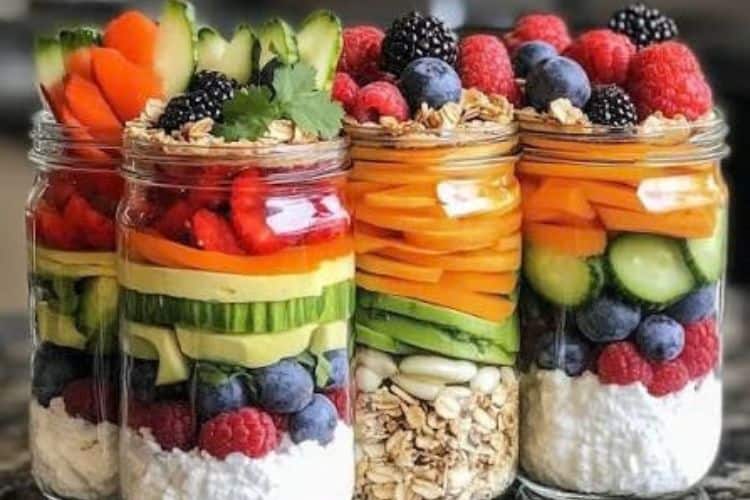


Cottage cheese snack jars with fruit and nuts are a simple answer to one of the most common healthy-eating challenges: finding a snack that is quick, satisfying, portable, and genuinely enjoyable. Each jar combines creamy cottage cheese with naturally sweet fruit and crunchy nuts, creating a balanced mix of protein, carbohydrates, healthy fats, and texture. The recipe takes only a few minutes to assemble, yet it can make busy mornings, post-workout hunger, and afternoon snack cravings much easier to manage.
These jars also prove that nutritious food does not need to be complicated. There is no cooking required, the ingredients are easy to customize, and several servings can be prepared at once. You can make a strawberry-almond jar for Monday, a blueberry-walnut version for Tuesday, and a tropical pineapple-cashew combination for Wednesday without changing the basic method. Whether your goal is to eat more protein, prepare food ahead of time, or replace highly processed snacks, cottage cheese jars offer a convenient place to start.
A useful snack should do more than taste good for a few minutes. It should help bridge the gap between meals without leaving you hungry again almost immediately. Cottage cheese provides a protein-rich base, fruit adds sweetness and carbohydrates, and nuts contribute satisfying fat and crunch. Bringing these foods together creates a more complete snack than eating fruit or crackers alone.
The jar format makes the recipe especially practical. Individual portions are ready when you need them, so there is less temptation to skip a snack and become overly hungry later. Clear jars also let you see the colorful layers, which can make a prepared snack more appealing. If you work away from home, the sealed container travels easily in an insulated lunch bag with an ice pack.
The appeal of this recipe comes from the way its ingredients complement one another. Cottage cheese is known for its protein content and also supplies calcium and other nutrients. Exact nutrition varies according to the brand, milk-fat percentage, serving size, and sodium level, so checking the label is useful when you have a specific dietary goal.
Fruit contributes natural sweetness, fiber, fluid, vitamins, minerals, and colorful plant compounds. Berries are easy to layer and tend to hold their shape, while peaches, apples, pears, mangoes, and pineapple create very different flavor profiles. Choosing a variety of fruit over time keeps the jars interesting and broadens the range of nutrients in your diet.
Nuts add unsaturated fats, plant protein, minerals, and the crunch that makes the soft cottage cheese more satisfying. Almonds, walnuts, pistachios, pecans, cashews, and hazelnuts all work. Because nuts are energy-dense, a modest portion is usually enough to add flavor and texture. One or two tablespoons per jar is a practical starting point.
Protein supports muscle repair and maintenance, making cottage cheese a useful choice for active women and anyone trying to distribute protein more evenly throughout the day. A snack containing protein may also feel more substantial than a snack made mainly from refined carbohydrates. The combination of protein, fiber-rich fruit, and fat from nuts slows down the eating experience and can help the jar feel like real food rather than a temporary fix.
The amount of protein in a jar depends on the cottage cheese and portion used. A typical half-cup serving often provides a meaningful amount, but labels differ. If you want a larger post-workout snack, use three-quarters to one cup of cottage cheese. If the jar is meant to be a small bridge between meals, one-half cup may be plenty.
Cottage cheese can contribute calcium, phosphorus, vitamin B12, and other nutrients to a balanced eating pattern. Calcium and protein are especially relevant to bone and muscle health, although no single food determines overall health. The most effective approach is to combine nourishing food choices with resistance training, adequate energy intake, sleep, and other healthy habits.
To prepare four snack jars, start with two cups of cottage cheese. Use small-curd or large-curd cottage cheese in the milk-fat percentage you enjoy. Full-fat and reduced-fat varieties tend to taste richer than fat-free options, but the best choice is the one that suits your preferences, nutritional needs, and budget.
Add approximately two cups of fresh fruit, using one type or a combination. Berries, chopped peaches, diced mango, pineapple, sliced grapes, pomegranate arils, apples, and pears are good possibilities. You will also need one-quarter to one-half cup of chopped nuts. Almonds, walnuts, pecans, pistachios, cashews, or a mixture can be used.
Taste and texture should guide your decision. Small-curd cottage cheese generally has a finer, more uniform texture, while large-curd varieties feel more distinct and substantial. If you prefer a smooth base, blend the cottage cheese briefly in a food processor or blender before filling the jars. Whipped cottage cheese has a texture closer to thick yogurt while retaining the core benefits of the ingredient.
Firm, fresh fruit generally holds up best during storage. Blueberries, grapes, pineapple, mango, cherries, and pomegranate arils are reliable choices. Strawberries also work well when they are dry and freshly sliced. Raspberries and blackberries are delicious but more delicate, so place them near the top and avoid crushing them during assembly.
Apples and pears add excellent crunch but can brown after cutting, so toss them with a little lemon juice. Bananas are best added immediately before eating. Frozen fruit also works, but it releases liquid as it thaws and creates a softer, looser jar.
Chopped nuts are easier to distribute through each spoonful than whole ones. Almonds pair beautifully with cherries, peaches, or strawberries. Walnuts complement apples, pears, figs, and blueberries. Pistachios are especially good with berries, oranges, or pomegranate, while cashews suit mango and pineapple. For anyone with a nut allergy, pumpkin seeds or sunflower seeds can provide crunch if they are safe for that person.
Begin with four clean jars or food-storage containers that hold roughly eight to twelve ounces. Wash and thoroughly dry the fruit. Excess surface water can make the jars watery and shorten the fruit’s storage life. Chop larger fruit into bite-size pieces and divide the nuts into small portions.
Spoon about one-half cup of cottage cheese into each jar. Add a layer of fruit, then sprinkle in any seeds, cinnamon, zest, or other dry flavorings. If you plan to eat the jars within a day, you can add the nuts immediately. For several days of meal prep, store the nuts in separate small containers or reusable silicone cups and add them just before eating. This keeps them crisp.
Close the jars tightly and refrigerate them promptly. When it is time to eat, stir the layers together or enjoy them one at a time. Add honey or maple syrup only after tasting the jar; ripe fruit may provide all the sweetness you need.
For the freshest texture, cottage cheese should usually go on the bottom, followed by sturdy fruit. Delicate berries can sit at the top. Keep crunchy ingredients away from moisture until serving whenever possible. If using a fruit compote or thawed frozen fruit, place it at the bottom and spoon cottage cheese over it for a cheesecake-inspired swirl.
Once you understand the basic formula, the flavor possibilities are nearly endless. Changing the fruit, nuts, and seasoning can make the same cottage cheese base feel completely different. The following combinations are easy starting points.
Layer cottage cheese with sliced strawberries, chopped almonds, and a touch of vanilla. A sprinkle of chia seeds adds subtle texture. This combination is naturally bright and familiar, making it a good introduction for anyone who has not tried sweet cottage cheese before.
Combine blueberries with chopped walnuts and cinnamon. Lemon zest adds freshness and makes the berry flavor more vivid. If the blueberries are tart, a small drizzle of honey balances the jar without overwhelming it.
Toss diced apple with lemon juice and cinnamon, then layer it with cottage cheese and pecans or walnuts. Add a pinch of nutmeg for a warm apple-pie flavor. Keep the nuts separate until serving if you want the strongest contrast between creamy, juicy, and crunchy textures.
Use ripe chopped peaches, pecans, and one or two drops of vanilla extract. During colder months, thawed unsweetened frozen peaches can replace fresh ones. Drain excess liquid if you prefer a thicker jar, or stir the juices into the cottage cheese for a softer consistency.
Pair pineapple or mango with chopped cashews and unsweetened coconut. Lime zest gives this version a fresh tropical finish. If using canned pineapple, choose fruit packed in juice rather than heavy syrup and drain it well before assembling the jar.
Layer pitted, halved cherries with pistachios and a small amount of cacao nibs. The sweet fruit, salty-creamy cottage cheese, and rich cocoa flavor create a snack that feels like dessert while remaining built around protein-rich cottage cheese and whole fruit.
For best results, work with clean hands, utensils, jars, and cutting boards. Keep the cottage cheese cold during assembly and return the finished jars to the refrigerator promptly. Store them at 40°F or below and do not leave a dairy-based snack sitting at room temperature for extended periods. When taking a jar to work, the gym, or an outdoor activity, use an insulated bag and a cold pack.
Most combinations are at their best within roughly three days, although the safe and ideal storage time depends on the freshness of the ingredients, refrigerator temperature, package directions, and the fruit used. If a jar develops an unusual odor, visible mold, bubbling, or another sign of spoilage, discard it. Never rely on tasting questionable dairy food to decide whether it is safe.
Drying fruit thoroughly is the most important step. Cut fruit shortly before assembly and avoid overly ripe pieces that are already releasing juice. You can also pack fruit in a separate compartment and combine it with the cottage cheese at serving time.
There is no single correct time to enjoy this recipe. As a morning snack, it can provide a more satisfying alternative to a pastry or sugary coffee drink. In the afternoon, it can help carry you from lunch to dinner. A larger jar can become a fast breakfast, especially when paired with whole-grain toast or oats.
After strength training, a jar can supply protein and carbohydrates that support recovery as part of your overall diet. Increase the cottage cheese and fruit portions for a more substantial option, or add the jar alongside another meal. Individual energy and protein needs vary, so the ideal serving depends on body size, training volume, goals, appetite, and the rest of the day’s meals.
For a higher-protein jar, increase the cottage cheese to three-quarters or one cup, or mix in a spoonful of plain Greek yogurt. Check labels rather than assuming every brand has the same protein content. Protein powder can alter the flavor and may make cottage cheese thick or chalky, so add only a small amount and stir well if you choose to use it.
For a lighter snack, begin with one-half cup of cottage cheese, one-half cup of fruit, and one tablespoon of nuts. This is not a universal serving prescription; it is simply a manageable starting point. For a more filling breakfast, use a larger jar and add oats, whole-grain cereal, chia seeds, or toast on the side.
If you are watching added sugar, rely on ripe fruit, cinnamon, vanilla, and citrus zest for sweetness and flavor. Honey and maple syrup can still fit, but measure a small amount rather than pouring freely. If sodium is a concern, compare cottage cheese brands and choose unsalted nuts. People following medically prescribed diets should use guidance from their qualified healthcare professional.
One common mistake is assembling jars with wet fruit. Even a little extra water can thin the cottage cheese and soften the toppings. Another is adding every crunchy ingredient several days in advance. Nuts will absorb moisture in the jar, so separate storage produces a much better result.
Using fruit that is underripe can leave the jar bland, while overly ripe fruit may become mushy. Choose fruit at its best eating stage. It is also easy to add so many toppings that the snack becomes much larger than intended. Nuts, seeds, coconut, granola, and sweeteners are nutritious in reasonable portions, but combining generous amounts of all of them can change the jar substantially. Build the snack intentionally around your hunger and goals.
Yes. They are well suited to overnight preparation. Use dry, firm fruit and refrigerate the sealed jars immediately. Keep nuts and other crunchy toppings separate until serving for the best texture.
Yes, but frozen fruit releases juice as it thaws. This can create a delicious fruit swirl, although the finished jar will be softer and thinner. Thaw and drain the fruit first if you want more control over the consistency.
Absolutely. Blending creates a smooth, creamy base that resembles thick yogurt or cheesecake filling. Blend only the amount needed, then divide it among the jars and add the fruit. This approach is especially helpful for people who enjoy the flavor of cottage cheese but dislike curds.
They can fit into a weight-management eating plan because they are portionable and combine protein with fruit and healthy fats. However, no individual recipe causes weight loss. Total intake, activity, sleep, health, and consistency all play roles. Adjust the serving to your needs and treat the jar as one part of a balanced routine.
Pumpkin seeds, sunflower seeds, toasted soy nuts, nut-free granola, or crunchy whole-grain cereal may work, depending on your dietary needs. Always check labels for allergen statements when preparing food for someone with an allergy.
Cottage cheese snack jars with fruit and nuts turn three everyday ingredients into a convenient, colorful, and satisfying meal-prep option. The cottage cheese creates a creamy protein-rich foundation, fruit brings freshness and natural sweetness, and nuts add flavor and crunch. With no cooking and only a few minutes of preparation, the jars can make consistent healthy snacking feel much more realistic.
Start with the basic ratio of cottage cheese, fruit, and a modest serving of nuts, then adjust it to suit your appetite. Try berries and almonds one week, apples and walnuts the next, and a tropical combination when you want something brighter. By changing just a few ingredients, you can keep the recipe interesting while preserving the convenience that makes it useful. Prepared thoughtfully and stored safely, these snack jars are an easy addition to busy mornings, active days, and balanced weekly meal prep.
If you enjoy these cottage cheese snack jars, explore more quick options in our guide to 5 Minute Healthy Breakfast Recipes, which also features cottage cheese with fruit and nuts. You can use the jars to complement these Best Breakfasts Before a Workout or enjoy a larger serving with ideas from our Best Post Workout Breakfast Guide. For additional nutrition inspiration, discover the Best Meals For Muscle Gain and learn How To Stay Consistent With Your Diet using simple meal-prep strategies.
Stay up to date on the latest women’s health, fitness and lifestyle trends and tips.
