


Sign up for workout ideas, training advice, reviews of the latest gear and more.





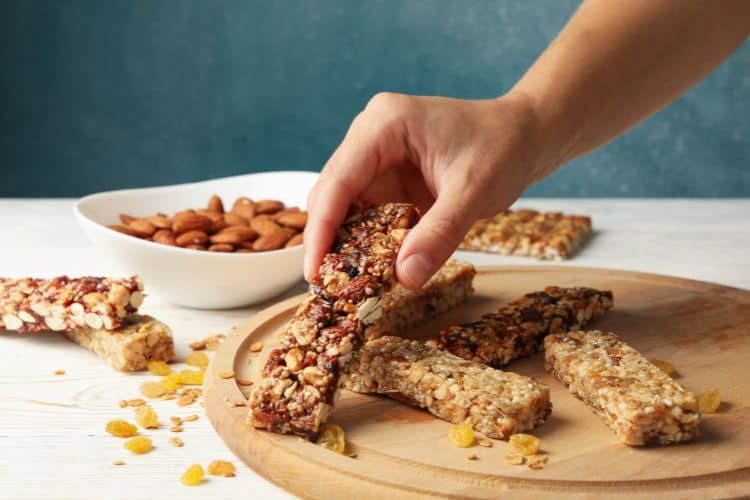
Granola after a workout can be a convenient and satisfying way to replenish energy, support muscle recovery, and control post-exercise hunger. It is portable, easy to combine with protein-rich foods, and available in countless flavors. However, not every granola is equally nutritious. Some varieties contain plenty of whole grains, nuts, seeds, and fiber, while others are closer to dessert because they contain large amounts of added sugar and oil.
The best post-workout granola meal or snack should provide carbohydrates to help restore energy and protein to support muscle repair. Granola naturally supplies carbohydrates, but it may not contain enough protein by itself. Pairing it with Greek yogurt, milk, cottage cheese, or a protein shake can create a more balanced recovery option.
This guide explains the benefits of eating granola after a workout, how much to eat, what ingredients to look for, and how to build a healthy post-workout granola bowl that fits your fitness goals.
Granola can be good after a workout because it usually contains carbohydrate-rich ingredients such as oats, dried fruit, honey, or maple syrup. Your muscles use stored carbohydrates, known as glycogen, to fuel many forms of exercise. Eating carbohydrates after training helps your body begin replenishing those energy stores.
Many granolas also contain nuts and seeds, which provide healthy fats, minerals, and modest amounts of plant-based protein. Oats add fiber and complex carbohydrates, while ingredients such as almonds, pumpkin seeds, chia seeds, and flaxseeds increase the nutritional value.
The main limitation is that granola alone may not provide enough complete protein for optimal recovery. A typical serving might contain only a few grams of protein, depending on the brand and ingredients. Adding a substantial protein source makes it more suitable after strength training, HIIT, running, cycling, or another challenging workout.
Portion size also matters. Granola is more calorie-dense than plain oatmeal or cereal because it often contains nuts, seeds, sweeteners, and oil. A small bowl can provide more calories than expected, so measuring a serving is helpful when weight management is one of your goals.
Exercise places physical demands on your muscles and uses stored energy. Post-workout nutrition gives your body the raw materials it needs to recover and prepare for your next session. The ideal meal depends on the intensity and duration of the workout, your body size, your daily diet, and your goals.
A relaxed walk may not require a special recovery snack. A demanding strength workout, long run, or intense HIIT session creates a greater need for carbohydrates, protein, fluids, and electrolytes. Granola can contribute to this recovery process when it is combined with the right foods.
Carbohydrates are the body’s preferred fuel for moderate-to-high-intensity activity. Your body stores carbohydrates as glycogen in your muscles and liver. Training can reduce these stores, especially during long or vigorous exercise.
Oats and dried fruit make granola a practical source of post-workout carbohydrates. Faster-digesting carbohydrates may be particularly useful if you train again later that day. If you have a longer recovery period, your total carbohydrate intake across the day is generally more important than rushing to eat immediately.
Exercise stimulates muscle remodeling. Protein provides amino acids that help repair and maintain muscle tissue. This is important after resistance training, but protein also supports recovery after endurance exercise.
Granola often contains some protein from oats, nuts, and seeds, but that amount may be too low to serve as the main protein source in a recovery meal. Combining granola with Greek yogurt, dairy milk, soy milk, cottage cheese, or protein powder produces a better balance of carbohydrates and protein.
Granola is a dry food, so remember to drink water after training. If you exercised for a long time, trained in hot weather, or sweated heavily, you might also need sodium and other electrolytes.
Milk, smoothies, yogurt bowls, and fresh fruit can add fluid to a granola-based meal, but they do not replace the need to rehydrate adequately. Use thirst, workout conditions, and your individual sweat rate as guides.
A thoughtfully chosen granola can offer several practical benefits. Its combination of convenience, flavor, and energy makes it useful for active people who need a fast meal after leaving the gym.
Granola requires no cooking and can be kept in a gym bag, office drawer, or kitchen pantry. This makes it helpful when you do not have time to prepare a full meal immediately after exercise.
You can pre-portion granola into a reusable container and bring yogurt or milk separately. This prevents you from becoming overly hungry and reaching for a less balanced option on the way home.
One of granola’s greatest advantages is its versatility. It can be added to high-protein yogurt, sprinkled over cottage cheese, blended into a smoothie, or eaten alongside a protein shake.
These combinations improve the protein content without requiring a complicated recipe. A simple bowl containing Greek yogurt, berries, and granola can function as breakfast, a post-workout snack, or a light meal.
Granola made with whole oats, nuts, and seeds can supply fiber, iron, magnesium, zinc, vitamin E, and other nutrients. Fiber supports digestive health and may help make the meal more satisfying.
More fiber is not always better immediately after strenuous exercise, however. People with sensitive stomachs may prefer a lower-fiber granola after intense training, especially if they experience nausea, cramping, or digestive discomfort.
Plain yogurt or cottage cheese may not appeal to everyone. Adding a modest amount of crunchy granola, cinnamon, and fruit improves texture and flavor.
This can make a nutritious recovery meal easier to enjoy consistently. A sustainable eating plan should support your goals while still including foods you genuinely like.
The healthiest-looking package is not always the most nutritious choice. Words such as “natural,” “wholesome,” or “fitness” do not automatically mean a granola is high in protein or low in added sugar. Read the nutrition label and ingredient list before choosing a product.
Whole-grain oats should ideally appear near the beginning of the ingredient list. Oats supply carbohydrates and fiber and form a solid nutritional base for granola.
Products built primarily around refined grains, candy pieces, or sweetened clusters may provide less nutritional value. They can still fit occasionally, but they should not be confused with a balanced everyday recovery food.
Granola commonly contains honey, cane sugar, brown rice syrup, maple syrup, or other sweeteners. Some sweetener helps create the familiar crunchy clusters, but the amount varies widely among brands.
Compare similar products and choose one that provides a reasonable amount of added sugar for your needs. An endurance athlete completing a long workout may benefit from more rapidly available carbohydrates, while someone trying to reduce overall calorie intake might prefer a less-sweet option.
A granola containing nuts, seeds, soy, or added protein may provide more protein than a basic oat-and-sugar variety. Nevertheless, granola should usually be treated as the carbohydrate and crunch component of your post-workout meal rather than its main protein source.
Choose a granola you enjoy, then add a reliable protein-rich food. This is often more practical than trying to find a granola that does everything by itself.
Serving sizes can be surprisingly small. A label may list nutrition information for one-third or one-half cup, while the amount poured freely into a bowl may be two or three times larger.
Measure your granola at least a few times to understand what a serving looks like. You do not have to measure it forever, but learning the visual portion can help you match your intake to your appetite and goals.
The right serving depends on your energy needs and the rest of your meal. For many people, approximately one-quarter to one-half cup of granola is a practical starting point when it is paired with yogurt, milk, fruit, or another protein source.
A smaller serving may work after a short workout or when you plan to eat a complete meal soon. A larger portion may be appropriate after a long endurance session or a demanding training day.
Your post-workout food should also fit within your total daily nutrition. More granola does not automatically create better recovery. Eat enough to satisfy hunger and support your activity without treating exercise as a reason to consume unlimited portions.
Granola becomes a better recovery food when paired with protein and nutrient-rich carbohydrates. These easy combinations can be adjusted to suit different tastes and dietary preferences.
Combine plain Greek yogurt with granola, blueberries, strawberries, or sliced banana. Greek yogurt supplies protein, while fruit and granola provide carbohydrates.
If plain yogurt tastes too tart, add cinnamon, vanilla, or a small drizzle of honey. Choosing fruit before adding extra sweetener can keep the bowl flavorful without making it unnecessarily sugary.
Eat granola like cereal with dairy milk or fortified soy milk. Both can add useful protein, while milk also contributes fluid.
Add sliced banana after a difficult workout for additional carbohydrates. Berries, peaches, apples, and pears are also good choices, although higher-fiber fruits may feel less comfortable for people with sensitive digestion.
Prepare a smoothie using milk, Greek yogurt, fruit, and an optional protein powder. Sprinkle granola on top instead of blending all of it. This preserves its crunchy texture and makes the smoothie more filling.
A smoothie can be especially convenient when solid food feels unappealing after training. Keep the ingredient amounts appropriate for your goals because smoothies can become high in calories when they include large portions of nut butter, granola, sweetener, and protein powder together.
Cottage cheese offers protein and pairs well with sweet or savory ingredients. Add granola and berries for a combination of creamy, crunchy, and naturally sweet flavors.
Choose the fat level you prefer based on your overall diet. Lower-fat cottage cheese is not automatically the best choice for everyone; personal preference and total daily intake matter.
Use a protein-rich plant-based yogurt or fortified soy yogurt as the base. Add granola, banana, berries, chia seeds, or pumpkin seeds.
Check the yogurt label because plant-based products vary considerably in protein. Coconut-based yogurt, for example, may contain much less protein than soy-based yogurt. You can also include a plant protein shake alongside the bowl.
Granola can fit into a weight-loss plan, but portion awareness is essential. Because it is energy-dense, a generous bowl can contain many calories without looking especially large.
Build most of the bowl with a protein-rich base such as Greek yogurt and fresh fruit, then use granola as a measured topping. This approach provides the crunch and flavor of granola while increasing the meal’s volume and protein.
Avoid assuming that sugar-free or low-fat granola is automatically lower in calories. Some low-sugar versions contain extra nuts or fats, while some low-fat varieties compensate with more sweetener. Compare the complete nutrition information instead of focusing on one claim.
Weight loss ultimately depends on your overall calorie intake over time, not whether you eat granola specifically. A satisfying, portion-controlled granola bowl may support consistency by helping reduce excessive hunger later in the day.
Granola can also be useful for muscle-building goals because it provides an easy way to increase carbohydrate and calorie intake. Carbohydrates support training performance and help spare protein for its primary recovery functions.
For a muscle-gain meal, pair a larger granola serving with Greek yogurt, milk, fruit, and an additional protein source if needed. A homemade granola containing oats, almonds, pumpkin seeds, and dried fruit can add energy without requiring a very large volume of food.
The key is ensuring that you consume enough total protein throughout the day. One post-workout snack cannot compensate for consistently low protein intake. Distribute protein across your meals and combine it with a progressive resistance-training program.
You do not need to eat granola the moment your workout ends. For most recreational exercisers, consuming a balanced meal within a few hours is sufficient, particularly if they ate before training.
Eating sooner may be beneficial if you trained while fasted, completed a long or intense workout, or plan to exercise again within several hours. It may also help if waiting too long causes extreme hunger and overeating later.
If you already have a complete meal planned, granola is optional. Recovery nutrition can come from rice, potatoes, oatmeal, bread, fruit, pasta, or other carbohydrate sources combined with protein.
One common mistake is eating granola alone and assuming it provides a complete post-workout meal. It supplies valuable carbohydrates, but many varieties need an added protein source.
Another mistake is pouring it directly from the package without noticing the serving size. Granola’s small clusters make it easy to eat more than intended.
Be cautious with products containing large quantities of chocolate, candy, sweetened dried fruit, and multiple syrups. These foods are not forbidden, but they may be less suitable as an everyday recovery choice.
Finally, do not overlook hydration. A nutritious granola bowl cannot replace the fluids lost during a hot or sweaty training session.
Homemade granola gives you control over sweetness, ingredients, and portion size. Combine rolled oats with chopped almonds, pumpkin seeds, cinnamon, a small amount of oil, and maple syrup or honey. Bake until lightly golden, stirring periodically to prevent burning.
Allow it to cool before adding raisins, dried cranberries, or chopped dates. Cooling is important because granola becomes crisp as it rests.
Store it in an airtight container and measure a serving when preparing your post-workout meal. For additional protein, serve it with Greek yogurt, dairy milk, soy milk, or a smoothie rather than trying to add excessive protein powder to the granola recipe.
Granola can work before or after exercise. Before a workout, choose a modest serving and allow enough digestion time because its fat and fiber may feel heavy during intense activity. After exercise, combine it with protein to support recovery.
Yes. Eating carbohydrates at night does not automatically cause weight gain. Total calorie intake and overall dietary patterns are more important. Choose an amount that fits your needs and does not interfere with sleep or digestion.
It can be, especially after a moderate workout. Choose a yogurt that supplies a meaningful amount of protein and add fruit if you need additional carbohydrates. After a particularly demanding session, you may need a larger meal.
Granola can help replace carbohydrates after running. Pair it with yogurt or milk for protein and drink sufficient fluids. Long-distance runners may also need additional carbohydrates and electrolytes.
Granola can be eaten daily when portions, ingredients, and total calorie intake are appropriate. Rotate your post-workout foods occasionally to obtain a wider range of nutrients and prevent meals from becoming repetitive.
Granola after a workout can be a nutritious and convenient recovery option when it is selected carefully and combined with protein. Its oats and dried fruit provide carbohydrates, while nuts and seeds contribute healthy fats, fiber, and micronutrients. Pairing it with Greek yogurt, milk, cottage cheese, soy yogurt, or a protein smoothie creates a more balanced meal.
Choose granola with whole-grain ingredients, compare added sugar, and pay attention to the listed serving size. Adjust your portion according to the intensity of your workout, appetite, and goals. Whether you want to improve recovery, manage your weight, or build muscle, granola can fit into an effective fitness nutrition plan without becoming overly complicated.
To create a more complete recovery meal, explore the Best Breakfast Foods To Eat After a Workout for additional combinations of protein and carbohydrates. You can also pair granola with yogurt after learning about the Health Benefits of Greek Yogurt. If you need a fast option for busy mornings, try one of these 5-Minute Healthy Breakfast Recipes. Women focused on increasing strength can use granola as part of these Healthy Meals For Muscle Gain, while those managing their calorie intake can find more inspiration among the Best Low-Calorie Breakfast Ideas For Women.
Stay up to date on the latest women’s health, fitness and lifestyle trends and tips.
