


Sign up for workout ideas, training advice, reviews of the latest gear and more.


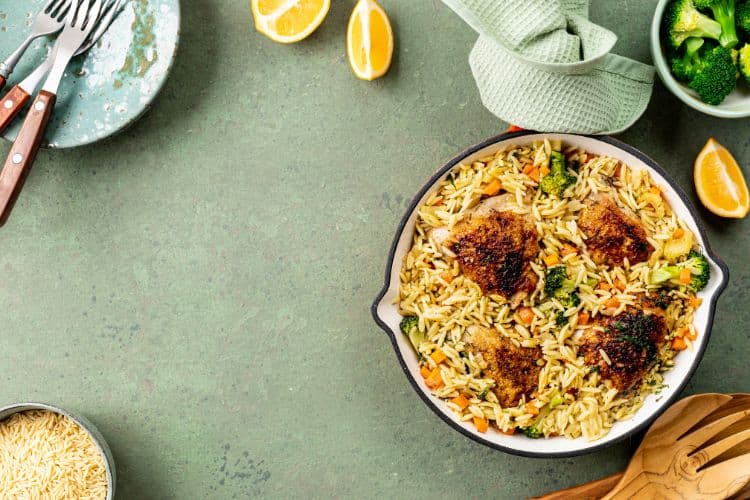


A high-protein chicken orzo meal is an excellent choice when you want a comforting dinner that supports your fitness and nutrition goals. Tender chicken, creamy orzo, vegetables, herbs, and a flavorful broth come together in one pan to create a satisfying meal without requiring complicated preparation. It has the cozy texture of a creamy pasta dish while delivering considerably more protein than many traditional orzo recipes.
This recipe works well for busy weeknights, family dinners, post-workout meals, and weekly meal preparation. Chicken provides lean protein, while orzo supplies carbohydrates that can help replenish energy after exercise. Adding vegetables and using a flavorful broth creates a balanced dish that tastes indulgent but can easily fit into a healthy eating plan.
Because everything cooks in one pan, cleanup is simple. The orzo absorbs the seasoned broth and chicken juices as it cooks, producing a rich texture without needing large amounts of butter or heavy cream. You can follow the original recipe or customize it with different vegetables, seasonings, and protein-boosting ingredients.
This high-protein chicken orzo recipe combines convenience, nutrition, and comfort in one complete meal. Instead of preparing chicken, pasta, and vegetables separately, you can cook everything in the same skillet. This saves time and allows the flavors to blend more effectively.
The meal is also easy to adjust. You can add spinach for more vegetables, use Greek yogurt to create a creamy sauce, or increase the amount of chicken when you need additional protein. The recipe can be made with chicken breasts, chicken thighs, or precooked chicken, depending on what you have available.
Unlike many creamy pasta recipes, this chicken orzo meal does not rely on a heavy sauce. The starch released by the orzo naturally thickens the cooking liquid. A small amount of Parmesan and Greek yogurt finishes the sauce, giving it a smooth consistency and tangy flavor.
Another advantage is that the ingredients are widely available and relatively affordable. Orzo, broth, vegetables, and chicken are useful staples that can be combined into a meal large enough to feed a family or provide several days of lunches.
Orzo is a small pasta shaped like a grain of rice. Although its appearance can cause confusion, it is not a type of rice. Traditional orzo is produced from wheat flour and cooks similarly to other pasta.
Its small shape makes it ideal for soups, salads, casseroles, and one-pan meals. In this recipe, the orzo cooks directly in chicken broth instead of being boiled separately. As it simmers, it absorbs the seasoned liquid and releases starch, which helps produce the creamy consistency.
Most grocery stores carry regular, whole-wheat, and sometimes higher-protein varieties of orzo. Regular orzo creates the softest and creamiest result, while whole-wheat orzo generally provides more fiber. Chickpea-based or protein-enriched alternatives may increase the protein and fiber content, but their cooking times and textures can differ.
Chicken is the primary protein source in this recipe. A typical cooked chicken breast provides a substantial amount of complete protein containing the essential amino acids needed for muscle repair and other important functions.
The final protein content will depend on the portion size, amount of chicken, type of orzo, and additional ingredients. Greek yogurt and Parmesan add more protein, while vegetables and regular orzo contribute smaller amounts.
When the recipe is divided into four generous servings, each portion can provide approximately 40 to 50 grams of protein. This is only an estimate because brands, ingredient measurements, and serving sizes vary. If you track your nutritional intake closely, calculate the recipe using the specific products and quantities you use.
This recipe uses simple ingredients to build layers of flavor without making preparation difficult.
Boneless, skinless chicken breasts offer plenty of protein with relatively little fat. Cutting the chicken into bite-sized pieces helps it cook quickly and distributes it throughout the orzo.
Chicken thighs can also be used. They tend to remain tender and offer a richer flavor, although they generally contain more fat than chicken breasts. Remove any excess fat before cooking and ensure that the chicken reaches a safe internal temperature of 165°F.
Regular orzo creates a classic creamy texture. You can use whole-wheat or protein-enriched orzo if desired, but you may need to adjust the cooking time and amount of broth according to the package directions.
Chicken broth gives the orzo much more flavor than water. A reduced-sodium broth makes it easier to control the salt level, especially because Parmesan also adds saltiness.
Plain Greek yogurt makes the finished orzo creamy while supplying additional protein. Full-fat or reduced-fat yogurt generally creates a smoother result than fat-free yogurt, but any plain variety can work.
The yogurt should be stirred in after the pan has been removed from the heat. Adding it while the mixture is boiling could cause it to separate or become grainy.
Onion, garlic, spinach, and tomatoes bring color, flavor, fiber, and useful nutrients to the meal. Spinach wilts directly into the warm orzo, so it requires almost no additional preparation.
You can replace or supplement these vegetables with zucchini, mushrooms, bell peppers, peas, asparagus, or broccoli. Firm vegetables should be sautéed before adding the broth so they have enough time to soften.
Italian seasoning, paprika, salt, black pepper, lemon, and fresh herbs create a bright, savory flavor. Red pepper flakes are optional but offer gentle heat that complements the creamy orzo.
Pat the chicken breasts dry and cut them into small, evenly sized pieces. Drying the surface helps the chicken brown instead of steaming.
Place the chicken in a bowl and season it with paprika, Italian seasoning, onion powder, salt, and black pepper. Toss until every piece is evenly coated.
Heat the olive oil in a large, deep skillet over medium-high heat. Add the chicken in a single layer, leaving some space between the pieces. If your skillet is small, brown the chicken in two batches to prevent overcrowding.
Cook for approximately three to four minutes on each side, or until browned and nearly cooked through. Transfer the chicken to a clean plate. It will finish cooking when it is returned to the orzo.
Reduce the heat to medium and add the chopped onion to the same pan. Cook for three to four minutes, stirring occasionally, until softened. The moisture released by the onion will help loosen the flavorful browned pieces left by the chicken.
Add the garlic and optional red pepper flakes. Cook for approximately 30 seconds, stirring constantly. Garlic can burn quickly, so avoid leaving it unattended.
Add the halved tomatoes and cook for another two minutes. The tomatoes should begin to soften and release some juice while still holding most of their shape.
Pour the dry orzo into the skillet and stir it with the vegetables for approximately one minute. Briefly toasting the pasta develops a slightly nutty flavor and helps it absorb the seasonings.
Pour in the chicken broth and scrape the bottom of the skillet with a wooden spoon. Bring the mixture to a gentle boil, then lower the heat and maintain a steady simmer.
Cook the orzo according to the package instructions, generally for eight to ten minutes. Stir frequently because orzo can stick to the bottom of the pan as the liquid reduces.
Return the browned chicken and any accumulated juices to the skillet when the orzo is nearly tender. Continue cooking until the chicken reaches an internal temperature of 165°F and the pasta is tender.
If the orzo absorbs the liquid before it finishes cooking, add more broth a few tablespoons at a time. The finished mixture should look slightly loose because it will continue thickening as it rests.
Turn off the heat and add the spinach. Stir until it wilts into the warm orzo.
Allow the skillet to cool for one or two minutes before adding the Greek yogurt. Stir gradually until the yogurt is completely incorporated. Add the Parmesan and lemon juice, then mix again until the sauce is creamy and smooth.
Taste the meal and adjust the salt, pepper, lemon juice, or red pepper flakes as needed. Let it rest for approximately five minutes before serving. Garnish each portion with fresh parsley or basil and a little extra Parmesan if desired.
Unlike pasta cooking in a large pot of water, one-pan orzo sits in a relatively small amount of liquid. Frequent stirring prevents the pasta from sticking and encourages it to release the starch needed to thicken the sauce.
Cook the orzo at a gentle simmer rather than a vigorous boil. Excessively high heat may cause the broth to evaporate before the pasta becomes tender. It can also make the orzo stick to the skillet.
The exact amount of liquid required can change depending on the skillet, stove temperature, and brand of pasta. Keep additional broth nearby and add a small amount if the pan becomes dry.
If the finished orzo looks too soupy, let it rest before making adjustments. It will thicken considerably as the pasta continues absorbing the sauce.
Boiling Greek yogurt can cause it to separate. Turning off the heat and allowing the pan to cool briefly helps it blend smoothly into the sauce.
For an even smoother result, place the yogurt in a small bowl and stir in a few spoonfuls of the warm cooking liquid. Add this tempered mixture to the skillet and stir thoroughly.
Browning the chicken separately gives it color and prevents it from remaining in the skillet throughout the entire cooking process. Return it near the end so it can finish cooking without becoming tough or dry.
The easiest way to increase the protein is to use more chicken. Add another four to eight ounces, especially if you plan to divide the skillet into five or six servings.
You can also choose protein-enriched orzo. Some varieties made with legumes or added protein supply more protein and fiber than traditional pasta. Follow the package directions because these products may absorb liquid differently.
Adding more Greek yogurt is another option, although too much can make the sauce tangy. Cottage cheese can also be blended until smooth and stirred into the finished dish. Blending it first produces a creamier texture and prevents noticeable curds.
For a dairy-free alternative, increase the chicken or add cooked white beans. Beans change the texture but contribute plant-based protein, carbohydrates, and fiber.
This high-protein chicken orzo meal is easy to customize with seasonal vegetables. Mushrooms can be cooked with the onion to give the dish a deeper, savory flavor. Diced zucchini or bell peppers can also be sautéed before the orzo is added.
Frozen peas are convenient because they can be stirred into the skillet during the final few minutes. Chopped broccoli should be cut into small pieces so it cooks quickly. Asparagus is another good option during spring and adds a fresh texture.
For a Mediterranean variation, add sun-dried tomatoes, spinach, oregano, lemon, and a small amount of feta. For a roasted red pepper version, blend roasted peppers with some of the broth before adding it to the pan.
You can also create a spicy version with Cajun seasoning, bell peppers, and cayenne. Check the sodium in seasoning blends before adding extra salt.
This one-pan chicken orzo can be served as a complete meal because it contains protein, carbohydrates, vegetables, and fat. However, a simple side dish can add more color and volume.
Serve it with a green salad dressed with lemon juice and olive oil. Roasted broccoli, asparagus, green beans, or Brussels sprouts also pair well with the creamy pasta.
If you are serving a larger group, offer warm whole-grain bread on the side. The bread can make the meal more filling, although it will also increase the total carbohydrate content.
A squeeze of fresh lemon before serving brightens the sauce and balances the richness of the yogurt and Parmesan. Fresh herbs add flavor without requiring more salt.
A high-protein chicken orzo meal can work well as a post-workout lunch or dinner. Chicken provides protein, while orzo provides carbohydrates that can help restore the energy used during training.
The appropriate serving size depends on your body, workout intensity, health needs, and overall eating plan. Someone completing a demanding strength-training session may want a larger portion than someone who performed a short, low-intensity workout.
You can adjust the meal by changing the proportion of chicken and orzo. Add more chicken for extra protein or increase the pasta portion if you need more carbohydrates. Pairing the dish with additional vegetables can increase its volume and fiber.
Allow the chicken orzo to cool before dividing it among airtight containers. Store it in the refrigerator for up to three or four days.
The orzo will continue absorbing the sauce during storage, so the leftovers will be thicker than the freshly prepared meal. Add a splash of broth, water, or milk before reheating to restore the creamy texture.
Reheat individual portions in the microwave in short intervals, stirring between each interval. You can also warm the orzo in a covered skillet over low heat. Make sure the chicken and pasta are heated thoroughly before eating.
If you are preparing this recipe specifically for meal prep, cook the orzo just until tender. Slightly undercooking it can help prevent the pasta from becoming too soft when reheated.
Chicken orzo can be frozen, but its texture may change. Cooked pasta often becomes softer after freezing and reheating, while sauces made with yogurt can occasionally separate.
If you decide to freeze it, cool the meal completely and place individual portions in freezer-safe containers. Freeze for up to two months for the best quality. Thaw a portion overnight in the refrigerator before reheating it gently with a splash of broth.
For better results, you can prepare and freeze the cooked chicken separately. Make the orzo fresh when you are ready to serve the meal, then add the thawed chicken during the final few minutes.
Yes. Rotisserie chicken is a convenient shortcut. Prepare the orzo and vegetables as directed, then add approximately three to four cups of shredded chicken near the end. Because the chicken is already cooked, it only needs enough time to warm through.
Rotisserie chicken may contain more sodium than plain chicken breast, so use reduced-sodium broth and taste the meal before adding salt.
You can omit the Greek yogurt and Parmesan. The natural starch from the orzo will still thicken the sauce. Finish the dish with extra lemon juice, olive oil, fresh herbs, or a dairy-free Parmesan alternative.
Unsweetened dairy-free yogurt may work, but choose a plain variety without vanilla or added sugar.
Rice can be used, but it will create a different dish and require different cooking times and liquid measurements. Select a rice-based chicken skillet recipe or follow the liquid ratio listed for the specific rice variety.
Check the pasta several minutes before the suggested cooking time ends and stir it regularly. Remove the skillet from the heat as soon as the orzo is tender. Remember that it will continue cooking slightly while the dish rests.
This high-protein chicken orzo meal offers the comfort of creamy pasta alongside lean protein, vegetables, and satisfying carbohydrates. It is flavorful enough for a family dinner yet convenient enough for meal prep or a busy weeknight.
The one-pan cooking method simplifies preparation and gives the orzo an especially rich taste because it absorbs the seasoned broth and chicken juices. Greek yogurt and Parmesan complete the sauce without requiring heavy cream.
Keep the original recipe simple, or customize it with your favorite vegetables and seasonings. Whether you need a filling post-workout meal, a protein-rich lunch, or an easy dinner everyone can enjoy, this chicken orzo recipe is a versatile addition to your weekly menu.
For more nutritious meal inspiration, explore these Healthy Meal Ideas for building balanced plates with lean protein, vegetables, and energizing carbohydrates. You can also learn about the Importance of Protein For Women, discover the Best Meals For Muscle Gain, and use this guide to create Healthy Meal Plans For Weight Loss. For another protein-packed lunch or dinner option, try this satisfying Low Carb Chicken Salad Recipe.
Stay up to date on the latest women’s health, fitness and lifestyle trends and tips.
