


Sign up for workout ideas, training advice, reviews of the latest gear and more.


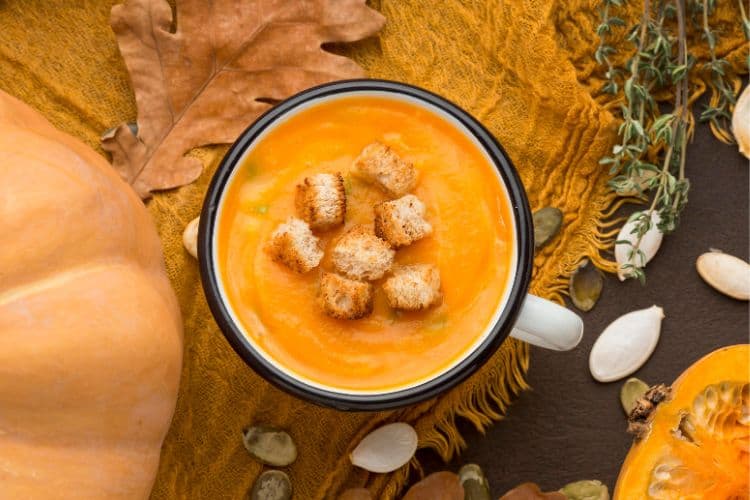


When the weather turns cool and you want something warm, nourishing, and satisfying, this high-protein kabocha squash soup delivers everything a comforting meal should. It is creamy without needing heavy cream, naturally sweet from roasted squash, savory enough for lunch or dinner, and fortified with protein to help make every bowl more filling. Unlike many squash soups that function mainly as a light starter, this recipe is substantial enough to serve as the centerpiece of a balanced meal.
Kabocha squash has a dense, velvety texture and a rich flavor often described as a cross between pumpkin and sweet potato. Once roasted and blended, it creates a luxurious soup with very little effort. White beans add plant-based protein, fiber, and extra creaminess without overpowering the squash. Greek yogurt provides another boost of protein while adding a mild tang that balances the natural sweetness. The result is a smooth, flavorful soup that tastes indulgent while relying on simple, wholesome ingredients.
This recipe transforms an ordinary bowl of squash soup into a more complete and satisfying meal. Traditional squash soup can be delicious, but it is often relatively low in protein. That may leave you hungry again soon after eating. Adding white beans, Greek yogurt, and protein-rich broth helps create a better balance of carbohydrates, protein, fiber, and fat.
The soup is also practical for meal prep. It reheats beautifully, freezes well, and can be customized with different toppings or seasonings throughout the week. You can enjoy it with toasted seeds one day, shredded chicken the next, and a spoonful of yogurt or cottage cheese on another. Its thick consistency makes it easy to pack for lunch without feeling watery or insubstantial.
Best of all, the recipe is approachable. Roasting the kabocha brings out its natural sweetness and makes the flesh easier to scoop away from the skin. Once the vegetables are cooked, everything comes together in one pot and is blended until smooth.
Kabocha is a type of winter squash with dark green skin, firm orange flesh, and a naturally sweet, nutty flavor. It is sometimes called Japanese pumpkin, although it has a denser and drier texture than many common pumpkins. That texture is especially useful in soup because it produces a thick, creamy finish without requiring large amounts of dairy or added fat.
Kabocha is also a nutritious ingredient. It provides complex carbohydrates, fiber, beta-carotene, vitamin C, and potassium. Its satisfying texture makes it an excellent foundation for fall and winter recipes, especially when paired with protein-rich ingredients.
Look for a squash that feels heavy for its size and has firm skin without soft spots, wet areas, or deep cracks. A dull, hard exterior is normal and often indicates that the squash has matured properly. Small tan patches are generally harmless. Because kabocha squash can be dense and difficult to cut, choose a smaller squash if you are uncomfortable handling a large one.
This recipe makes approximately six servings. Exact nutrition will vary depending on the broth, yogurt, beans, and toppings you use.
Preheat the oven to 400 degrees Fahrenheit. Wash and dry the outside of the squash. If it is especially hard to cut, microwave the whole squash for two to three minutes to soften the exterior slightly. Allow it to cool enough to handle, place it on a stable cutting board, and use a sharp chef’s knife to cut it in half. Scoop out the seeds and stringy center with a spoon.
Brush the cut surfaces with about half of the olive oil. Place the halves cut-side down on a parchment-lined baking sheet. Roast for 35 to 45 minutes, depending on size, until the flesh is tender when pierced with a fork. Let the squash cool for several minutes, then scoop out the flesh. You should have roughly four cups, although a little more or less will still work.
Warm the remaining olive oil in a large soup pot over medium heat. Add the chopped onion and cook for five to seven minutes, stirring occasionally, until soft and translucent. Add the garlic and ginger and cook for about 30 seconds, just until fragrant.
Sprinkle in the cumin, smoked paprika, and cinnamon. Stir for another 20 to 30 seconds. Briefly warming the spices in oil helps release their aroma and distributes their flavor throughout the soup.
Add the roasted kabocha flesh, broth, cannellini beans, salt, and black pepper. Stir well and bring the mixture to a gentle boil. Reduce the heat, partially cover the pot, and simmer for about 15 minutes. This gives the flavors time to combine and ensures the beans are very soft before blending.
If you use chicken broth, the soup will have a slightly more savory flavor and may contain a little more protein. Vegetable broth keeps the recipe vegetarian. Choose a low-sodium option so you can control the final seasoning.
Remove the pot from the heat. Use an immersion blender to puree the soup directly in the pot until smooth and creamy. Move the blender around carefully to eliminate pockets of beans or squash.
If using a countertop blender, allow the soup to cool slightly and blend it in batches. Never fill the blender completely with hot liquid. Remove or loosen the center cap in the lid, cover the opening with a folded kitchen towel, and begin on low speed so steam can escape safely. Return the blended soup to the pot.
Place the Greek yogurt in a medium bowl. Whisk in about one cup of the warm blended soup a little at a time. This tempering step gently raises the yogurt’s temperature and reduces the chance that it will separate. Stir the tempered yogurt mixture into the pot.
Keep the heat low after adding the yogurt and avoid bringing the soup to a hard boil. Stir in the lemon juice, taste, and adjust the salt and pepper. If the soup is thicker than you prefer, add extra broth or water a few tablespoons at a time until it reaches your desired consistency.
The protein content depends on the exact products and serving size, but a bowl made with cannellini beans, Greek yogurt, and protein-containing broth can provide approximately 12 to 16 grams of protein per serving. Adding shredded chicken, turkey, tofu, cottage cheese, hemp seeds, or additional Greek yogurt can raise that amount.
It is important to remember that “high protein” is relative to the serving size and the rest of the meal. If your personal goal is 25 to 30 grams of protein at lunch or dinner, pair the soup with a protein-rich side or use one of the additions below. Nutrition needs vary according to body size, activity, age, medical history, and overall eating pattern.
Stir cooked shredded chicken or turkey into the soup after blending. About three ounces of cooked poultry per serving can turn the recipe into a particularly hearty main course. Rotisserie chicken is convenient, but choosing a lightly seasoned version gives you more control over sodium.
Blended cottage cheese can replace part or all of the Greek yogurt. It adds creaminess and protein with a subtle savory flavor. Blend it separately until smooth before stirring it into the warm soup.
Red lentils soften significantly while cooking and blend easily. Add one-half cup of rinsed red lentils along with an extra one to two cups of broth, then simmer until the lentils are tender. This option will make the soup thicker, so adjust the liquid as needed.
For a dairy-free version, blend in silken tofu. Its mild flavor works well with squash, and it creates a creamy finish without milk or yogurt. Begin with about eight ounces and adjust according to your preferred texture.
Roasted pumpkin seeds, hemp hearts, a swirl of Greek yogurt, or crunchy roasted chickpeas add texture as well as protein. Toppings may seem minor, but they can make the soup more interesting and satisfying.
Roasting the squash is worth the extra time because it concentrates the flavor and gives the soup a deeper, slightly caramelized sweetness. Boiling the squash works in a hurry, but it can introduce extra water and create a milder result.
Season gradually. Broths, canned beans, and toppings vary widely in salt content. It is easier to add salt at the end than to fix an oversalted pot. Acid is equally important: if the soup tastes heavy or dull, another small squeeze of lemon may be all it needs.
For an ultra-smooth texture, use a high-speed blender and process each batch thoroughly. For a more rustic soup, use an immersion blender and stop when a few small pieces remain. If the finished soup becomes too thick after sitting, stir in broth while reheating.
Greek yogurt should be added after the soup is blended and removed from high heat. Boiling can cause dairy to separate. Full-fat or 2% yogurt generally produces a richer and more stable texture than nonfat yogurt, although any plain unsweetened variety can work.
This high-protein soup can stand alone as a light meal, but thoughtful sides can make it more complete. Serve it with a whole-grain roll, toasted sourdough, or a small sandwich for extra carbohydrates. A crisp green salad with a tangy vinaigrette provides contrast to the creamy texture.
For even more protein, pair the soup with grilled chicken, baked tofu, a turkey sandwich, tuna salad, or eggs. You can also serve smaller portions as a first course before roasted fish or a bean-based grain bowl.
Allow leftovers to cool, then transfer them to airtight containers. Refrigerate the soup for up to four days. Because it thickens as it rests, you may need to add a splash of broth or water before reheating.
Warm individual portions in the microwave in short intervals, stirring between each interval. On the stovetop, reheat over low to medium-low heat and stir frequently. Avoid a vigorous boil because the Greek yogurt may separate.
The soup can also be frozen for up to three months, although dairy-based soups sometimes change texture slightly after thawing. For the smoothest freezer results, prepare the soup through the blending step but leave out the Greek yogurt and lemon juice. Freeze the base, thaw it overnight in the refrigerator, reheat gently, and then temper and add the yogurt before serving.
No. Roasting the squash in halves allows you to scoop the soft flesh from the skin afterward. Kabocha skin is edible when cooked, but removing it produces a smoother, more consistent soup.
Yes. Frozen kabocha is a convenient shortcut. Roast or steam it according to the package directions, then measure approximately four cups for the recipe. You may need less broth if the frozen squash contains more moisture.
Butternut squash, red kuri squash, or sugar pumpkin can be substituted, although the flavor and thickness will change. Kabocha is naturally dense and starchy, so soup made with a more watery squash may require less liquid.
Yes. Use vegetable broth and replace the Greek yogurt with silken tofu or a high-protein unsweetened plant-based yogurt. Check every packaged ingredient if strict vegan preparation is important.
High-protein kabocha squash soup is proof that comfort food can be both nourishing and satisfying. Roasted squash creates a velvety base, while cannellini beans and Greek yogurt give the recipe more staying power than a traditional squash soup. Aromatic vegetables, warm spices, and fresh lemon bring balance to every spoonful.
Whether you prepare it for a weeknight dinner, pack it for lunch, or freeze a batch for later, this recipe is versatile enough to become a reliable part of your fall and winter routine. Serve it as written or customize it with chicken, tofu, lentils, seeds, or your favorite savory toppings. However you finish the bowl, you will have a warm, creamy meal that offers flavor, protein, and practical make-ahead convenience.
For more nourishing meal inspiration, explore these Healthy Meal Ideas and learn more about The Importance of Protein For Women. If you enjoy this high-protein kabocha squash soup, you may also like our Mediterranean Fish Soup Recipe, High Protein Chicken Orzo Meal, and nutritious Healthy Shrimp Bowl Recipe for more satisfying lunches and dinners.
Stay up to date on the latest women’s health, fitness and lifestyle trends and tips.
